

In a fast-paced world, have you ever paused to consider how subtle shifts in your mood might signal a brewing storm? A recent survey from the American Psychological Association found that 76% of adults report experiencing at least one symptom of stress-related overload monthly, up from 59% just a decade ago. This spike underscores a growing challenge in 2025: recognizing emotional cues before they escalate into full-blown burnout. What if tuning into these signals could prevent the crash? Emotional predict overload isn’t just a buzzword; it’s about anticipating when our inner resources are stretched thin. By identifying these early warnings, from restlessness to sudden irritability, we can foster calmer balance in daily life. This piece delves into eight key cues, drawing on insights from experts and real-world observations to help navigate the pressures of modern living.
1. Persistent Irritability
Irritability often creeps in like an uninvited guest, turning minor annoyances into major flare-ups. Think of it as the first crack in a dam holding back emotional floodwaters. In bustling cities like New York, where commutes and deadlines collide, this cue shows up frequently. One anonymized account from an online discussion captured it vividly: a professional described snapping at colleagues over trivial emails, only to realize later it stemmed from unchecked stress buildup.
Research backs this up. A study published in the Journal of Occupational Health Psychology highlights how chronic irritability correlates with higher cortisol levels, signaling impending overload. Experts suggest tracking these moments through simple journaling to spot patterns early. Instead of dismissing them as bad days, view them as alerts to pause and recalibrate. This approach shifts the narrative from reaction to proactive care.
Yet, it’s not always straightforward. Sometimes irritability masks deeper issues, like sleep deprivation or relational strains. In a 2023 report from the American Psychological Association’s Stress Resources, data showed that 42% of U.S. workers link irritability to workplace demands, emphasizing the need for boundaries.
2. Difficulty Concentrating

Picture a mind scattered like leaves in the wind—tasks that once flowed easily now demand Herculean effort. This fog of distraction is a classic harbinger of emotional overload, where the brain’s bandwidth gets overwhelmed. In suburban homes across the Midwest, parents juggling remote work and family often report this first.
Diving into the science, cognitive overload ties directly to emotional strain. According to findings from the National Institutes of Health, sustained stress impairs the prefrontal cortex, the area responsible for focus. One way to counter this? Short mindfulness breaks, proven effective in a NIH-funded study on mindfulness and cognition.
Real-life echoes this. A teacher in California shared how forgetting lesson plans mid-class signaled her tipping point, prompting her to seek quieter routines. Such stories illustrate that recognizing this cue isn’t about perfection; it’s about reclaiming mental clarity amid chaos. Vary your days with intentional pauses, and watch concentration rebound.
3. Physical Tension Buildup
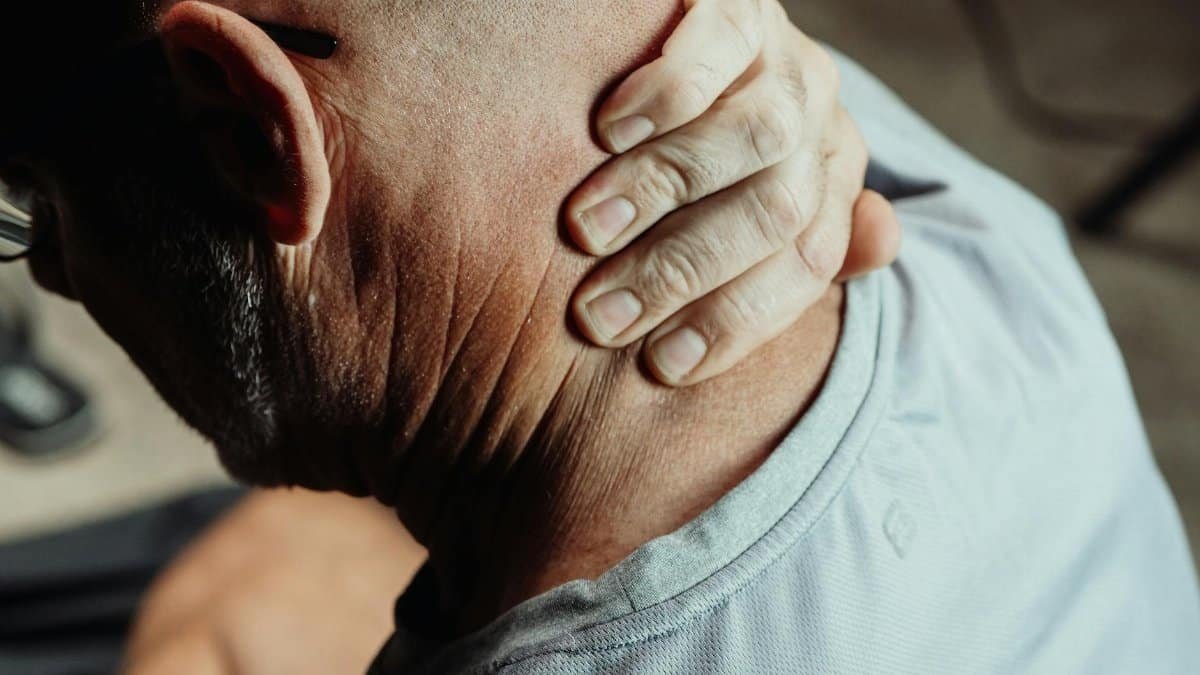
Our bodies whisper warnings long before our minds acknowledge them. Clenched jaws, tight shoulders—these physical manifestations of emotional predict overload accumulate subtly, often ignored until they scream. In fitness-conscious regions like the Pacific Northwest, where outdoor activities abound, people notice this cue during hikes that feel more burdensome than refreshing.
Linking to evidence, the Mayo Clinic explains how stress hormones trigger muscle tension, a precursor to broader fatigue. Their comprehensive guide on stress management notes that 60% of adults experience this symptom weekly. To address it, techniques like progressive muscle relaxation can interrupt the cycle, as detailed in resources from the Mayo Clinic’s Stress Management Page.
Consider the case of a remote worker who felt constant neck strain during video calls. By incorporating evening stretches, she transformed tension into a signal for self-care. This shift highlights a key tension: while society pushes productivity, our physiology demands rest. Balancing the two fosters true resilience.
4. Withdrawal from Social Connections

Suddenly, invitations feel like obligations. Pulling back from friends and family marks a pivotal cue, as isolation amplifies emotional weight. In the digital age of 2025, with virtual hangouts at our fingertips, this withdrawal stands out starkly in communities like those in the South, where social ties traditionally run deep.
Studies illuminate why. Research from Pew Research Center reveals that 28% of Americans feel more isolated during high-stress periods, correlating with overload risks. Their report on social isolation underscores how disconnection exacerbates mental strain, available via the Pew Research Center’s Social Trends Page.
An illustrative snippet: a young professional recounted skipping group chats, only to find solitude deepened her unease. Reconnecting through small gestures, like a quick coffee meetup, reversed the tide. Here, the complexity lies in discerning healthy alone time from harmful retreat. Navigating this nuance builds stronger emotional foundations.
5. Sleep Disruptions

Nights become battles when emotional predict overload looms. Tossing and turning, or waking with a racing mind, disrupts the restorative cycle essential for balance. Across U.S. time zones, from East Coast insomniacs to West Coast early risers, this cue disrupts millions.
Delving deeper, the Centers for Disease Control and Prevention link poor sleep to heightened stress, with data showing one in three adults short on rest. Their sleep health resources emphasize early intervention to prevent overload spirals.
One anonymous online reflection described vivid dreams interrupting slumber, a red flag for buried anxieties. Adopting a wind-down ritual, like reading, helped reclaim peaceful nights. Yet, tensions arise when work culture glorifies hustle over rest. Challenging this mindset through small habits can realign priorities, fostering calmer days ahead.
6. Appetite Changes

Food loses its appeal, or cravings surge uncontrollably—these shifts in eating habits signal emotional turbulence. In foodie havens like Chicago, where meals often center social life, sudden disinterest raises alarms.
Backing this, a Harvard Health Publishing article ties stress to appetite fluctuations via hormonal changes. Their overview notes that emotional eating affects 27% of stressed individuals, pointing to overload risks.
Reflect on a story of someone bingeing on snacks during deadlines, later recognizing it as a coping mechanism gone awry. Mindful eating practices, supported by evidence from the Harvard Health Stress Topics Page, offered a path to stability. The interplay here? Comfort food provides temporary relief but masks underlying needs. Addressing the root promotes genuine nourishment.
7. Heightened Anxiety

Anxiety simmers, then boils over with what-ifs and worries. This escalation is a clear predictor of overload, turning everyday concerns into overwhelming fears. In tech-driven Silicon Valley, where innovation breeds pressure, this cue manifests in constant second-guessing.
Insights from the National Institute of Mental Health reveal anxiety disorders affect 19% of U.S. adults annually, often preceding burnout. Their anxiety resources provide strategies for mitigation.
A brief anecdote: an entrepreneur felt panic before meetings, a sign her emotional load was tipping. Grounding exercises, like deep breathing, dialed it back. Complexity emerges in distinguishing productive worry from debilitating angst. Embracing tools to manage it empowers rather than overwhelms, paving the way for equilibrium.
8. Loss of Enjoyment in Hobbies

When passions fade to chores, it’s a poignant cue. Activities once joyful now feel draining, indicating emotional reserves are depleted. In creative hubs like Austin, Texas, artists and musicians often spot this first amid busy scenes.
Evidence from psychological studies supports this. A paper in the American Journal of Psychiatry links anhedonia—loss of pleasure—to stress overload, with prevalence rising in recent years.
One shared experience described a gardener ignoring their plot, only to rediscover joy through scaled-back sessions. This revival underscores a vital point: hobbies should recharge, not exhaust. Rekindling them thoughtfully counters overload, restoring balance in an unpredictable world.