
In a world where stress often simmers beneath the surface, could the subtle cues from the animal kingdom offer clues to our own inner turmoil? What if observing how creatures express unease might help us spot and soothe hidden tensions in ourselves? A growing body of research suggests just that, drawing parallels between animal signals that reveal hidden tension and human behaviors. According to a 2023 survey by the American Psychological Association, nearly 27% of adults report feeling so stressed they can’t function on most days, a figure that’s held steady into 2025. Yet, by decoding these natural indicators—from a dog’s tucked tail to a cat’s flattened ears—we might unlock practical ways to foster calm. This isn’t about anthropomorphizing animals but recognizing universal patterns of distress that transcend species, potentially guiding us toward better emotional awareness.
1. The Tucked Tail in Dogs
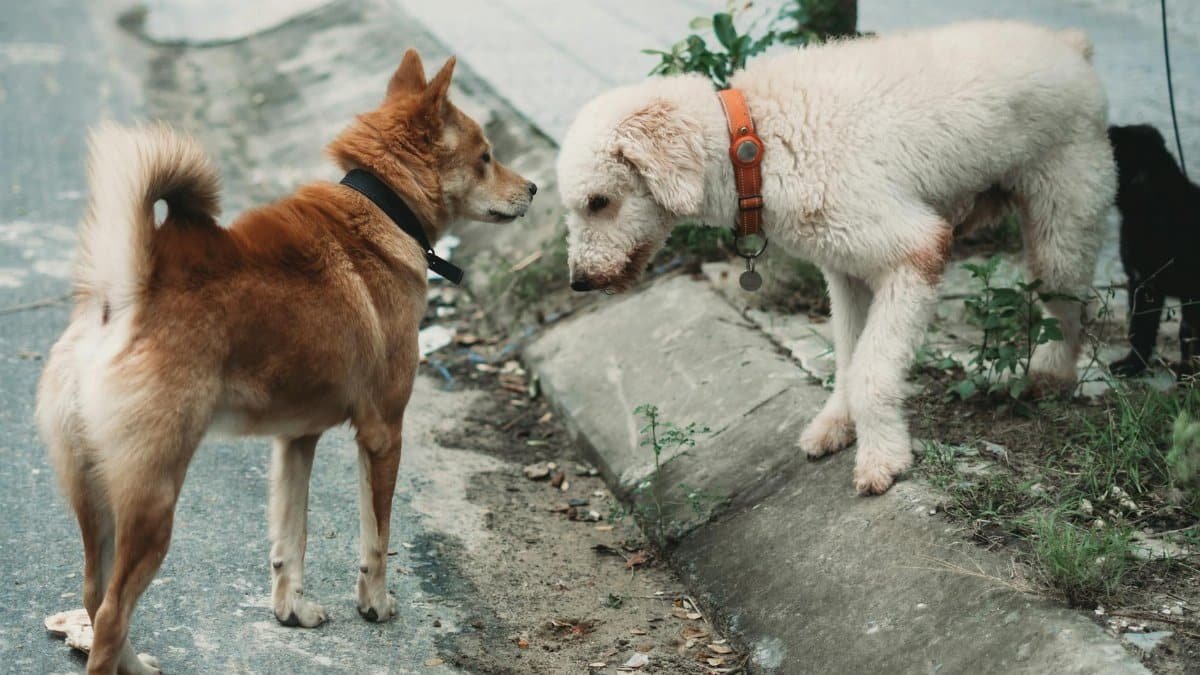
Dogs have long been companions, their behaviors a mirror to emotions we sometimes overlook. Consider a scenario where a golden retriever, usually bounding with energy, suddenly tucks its tail tightly between its legs during a family gathering. This isn’t mere shyness; it’s a classic signal of anxiety or fear, often triggered by loud noises or unfamiliar faces. Ethologists note that such postures evolved to minimize perceived threats, making the dog appear smaller. In human terms, it’s akin to someone hunching shoulders in a crowded room, a quiet plea for space.
Studies from the University of Pennsylvania’s School of Veterinary Medicine highlight how these signals can escalate if ignored, leading to more overt aggression. One researcher observed packs in urban settings, where tucked tails often preceded defensive snaps. For pet owners, recognizing this early can prevent mishaps and promote a calmer environment. It’s a reminder that tension builds subtly, much like in our own lives where small stressors accumulate unnoticed.
Shifting focus, this signal also ties into broader welfare discussions. A report from the ASPCA details how shelter dogs displaying tucked tails benefit from gentle training, reducing overall stress levels. By intervening early, we not only help the animal but also model self-care strategies for ourselves.
2. Flattened Ears in Cats
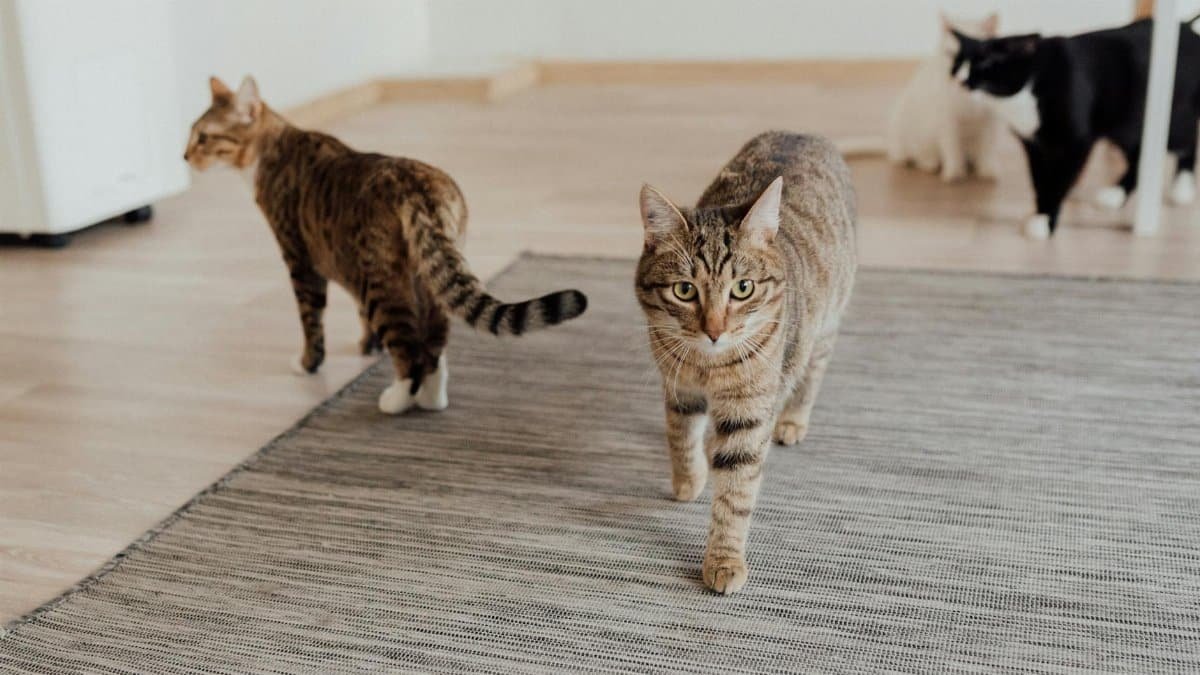
Picture a sleek tabby cat lounging on a windowsill, its ears suddenly pressing flat against its head as a vacuum roars to life. This flattening isn’t random; it’s a deliberate signal of discomfort or impending aggression, revealing hidden tension that might otherwise go unseen. Feline behaviorists explain that ears act like emotional barometers, pivoting to convey moods from curiosity to fear.
In one anonymized account shared in online pet forums recently, a cat owner described how ignoring flattened ears led to a scratched arm during playtime. “It was like she was screaming without sound,” the owner reflected, underscoring how these cues demand attention. Such stories illustrate the importance of pausing to assess, a lesson applicable to human interactions where nonverbal signs often speak volumes.
Delving deeper, research from the Cornell Feline Health Center links persistent ear flattening to chronic stress, potentially causing health issues like urinary problems. Understanding this can encourage proactive steps, such as creating quiet zones, fostering relaxation for both pets and people.
3. Piloerection in Various Mammals
When fur stands on end, it’s more than a quirky sight; it’s piloerection, a physiological response where muscles at the base of hairs contract, making an animal appear larger to deter threats. Wolves in the wild exhibit this during territorial disputes, their hackles rising as a silent warning. This signal reveals hidden tension brewing beneath a calm exterior, a survival tactic honed over millennia.
Imagine watching a documentary clip of a porcupine fluffing up against a predator; the visual impact is immediate, conveying unease without a sound. In domestic settings, dogs and cats do the same, often in response to strangers or other animals. It’s a fascinating glimpse into instinctual defenses, prompting us to consider our own “hair-raising” moments of stress.
A study published in the journal Animal Behaviour, accessible via the ScienceDirect platform, explores how piloerection correlates with cortisol levels, confirming its role as a tension indicator. Recognizing it early allows for de-escalation, mirroring techniques in human stress management like deep breathing to lower arousal.
4. Whale Eye in Dogs

Starting with a question that puzzles many: why does a dog’s gaze sometimes show the whites of its eyes, almost like a sideways glance? Known as “whale eye,” this occurs when a dog turns its head away but keeps eyes fixed on a perceived threat, signaling discomfort or anxiety. It’s a subtle yet telling sign, often seen in overcrowded dog parks or during unwanted petting.
One trainer recounted a session where a border collie displayed whale eye amid too much excitement, leading to a gentle redirection that calmed the scene. These real-life snapshots show how attuning to such signals prevents escalation, building trust. In broader contexts, it’s like reading a colleague’s averted gaze in a tense meeting, hinting at unspoken concerns.
Insights from the American Kennel Club emphasize training owners to spot whale eye, reducing bite incidents. This awareness extends to human wellness, where noticing our own avoidance behaviors can prompt healthier coping mechanisms.
5. Lip Licking in Primates and Dogs
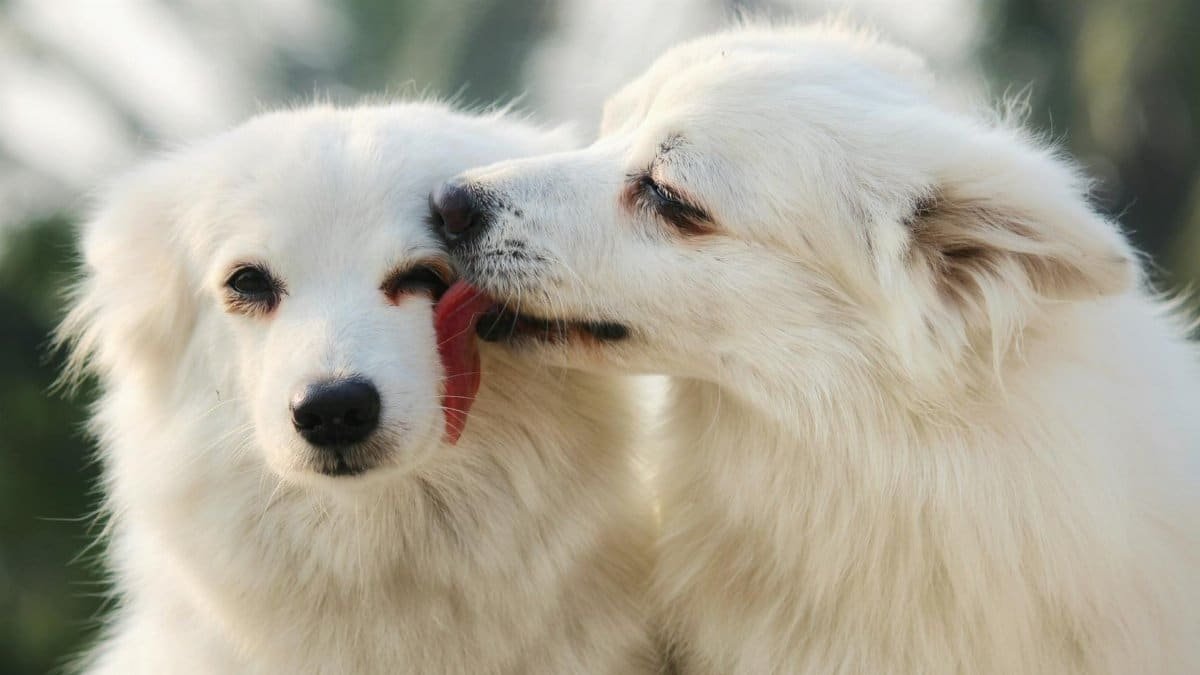
Lip licking might seem innocuous, a quick flick of the tongue, but in animals like monkeys or dogs, it’s often a calming signal meant to appease others and diffuse tension. Chimpanzees in social groups use it during conflicts, a nonverbal olive branch. Dogs do the same, licking lips when approached too quickly by children or strangers.
Reflect on a zoo visit where a gorilla repeatedly licks its lips amid noisy crowds; it’s not hunger but stress, revealing hidden tension in a captive environment. Such observations highlight the need for enriched habitats, as noted in primate studies. For pet owners, it’s a cue to give space, preventing bites or withdrawals.
A comprehensive review from the National Institutes of Health, linked through the PubMed Central, discusses these appeasement gestures across species, linking them to reduced aggression. Applying this knowledge helps in creating serene spaces, benefiting animal and human alike.
6. Feather Ruffling in Birds
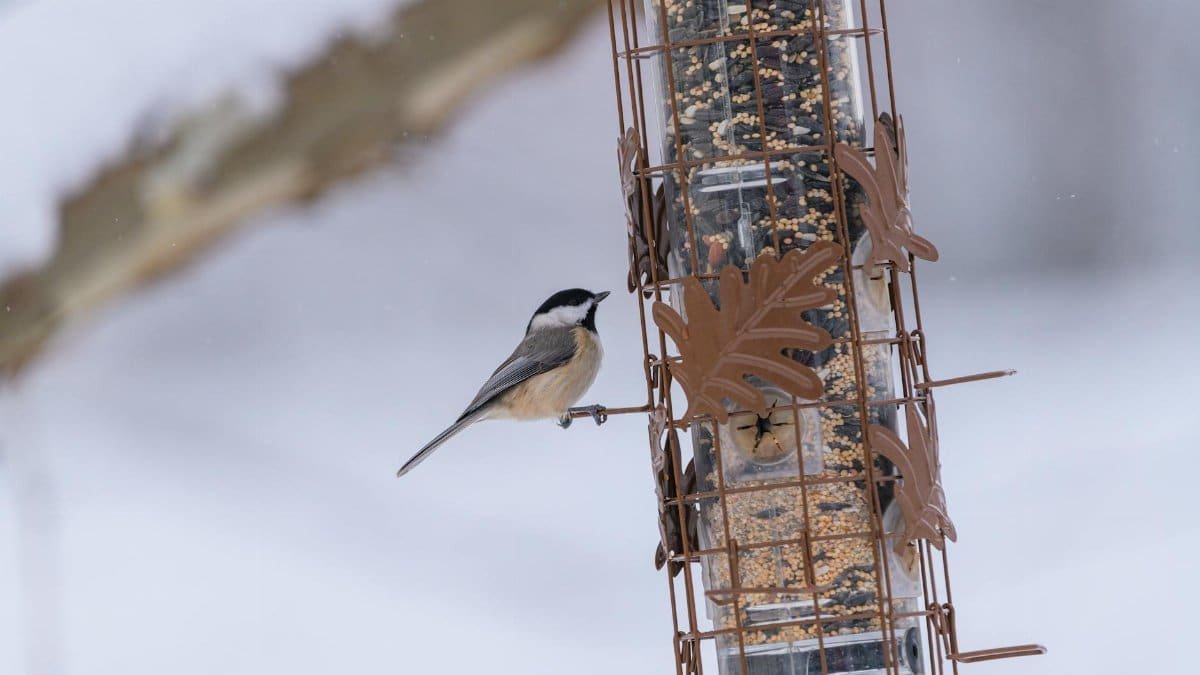
Birds, with their vibrant plumage, communicate volumes through posture. Feather ruffling—shaking and puffing up—can indicate irritation or unease, especially in parrots during handling. It’s a signal that tension is mounting, often accompanied by beak clicking or avoidance.
Envision a cockatoo in a home aviary, ruffling feathers as a new toy is introduced; the owner wisely steps back, allowing adjustment time. This patience mirrors therapeutic approaches in stress relief, where gradual exposure eases discomfort. Online discussions echo this, with one bird enthusiast sharing how ignoring ruffling led to plucking behaviors, a sign of deeper distress.
Research from the Cornell Lab of Ornithology, available at their main site, details how such signals inform conservation efforts, improving captive bird welfare. Translating this to daily life encourages mindfulness, helping us address our own ruffled states before they worsen.
7. Tail Flicking in Cats and Horses
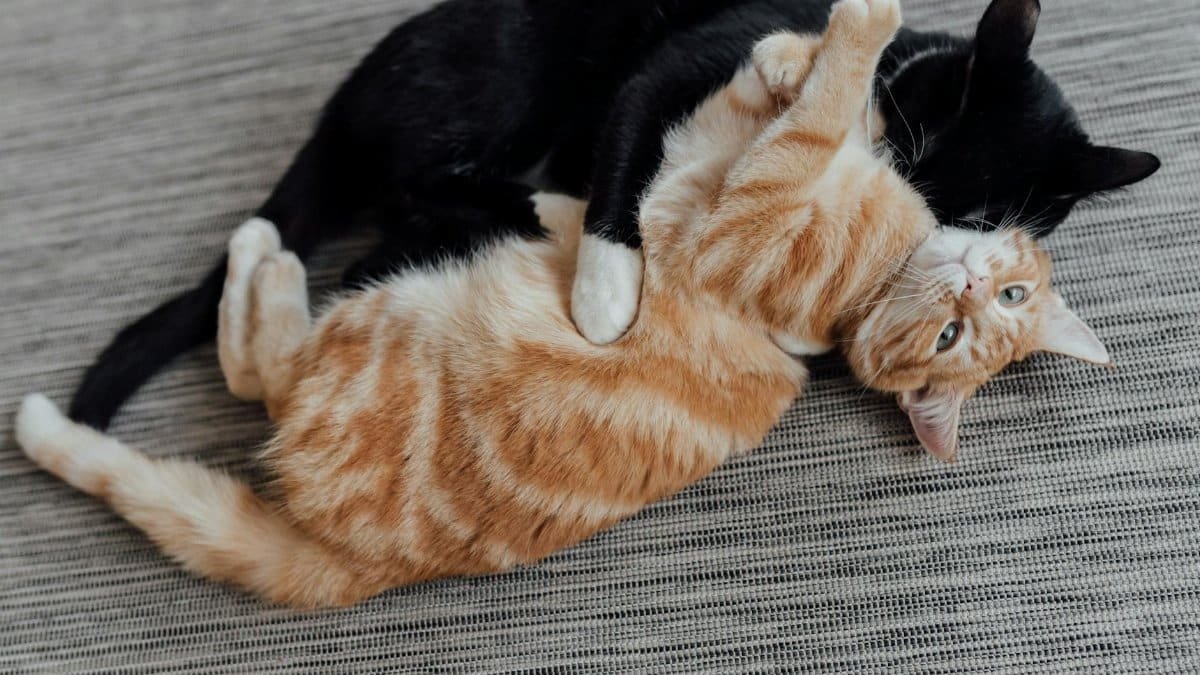
A cat’s tail swishing back and forth isn’t always playful; rapid flicking often betrays agitation, revealing hidden tension before a pounce or retreat. Horses similarly flick tails to ward off flies or express annoyance during grooming, a clear nonverbal complaint.
In a stable setting, a mare’s persistent tail flicking alerted handlers to an ill-fitting saddle, averting potential injury. These moments underscore the value of observation, turning potential conflicts into opportunities for care. It’s a dynamic that resonates in human relationships, where fidgeting might signal unspoken frustrations.
Equine studies from the University of California, Davis, accessible via their veterinary medicine page, correlate tail movements with stress hormones, advocating for responsive training. This insight promotes empathy, aiding in stress reduction across species.
8. Freezing Behavior in Prey Animals
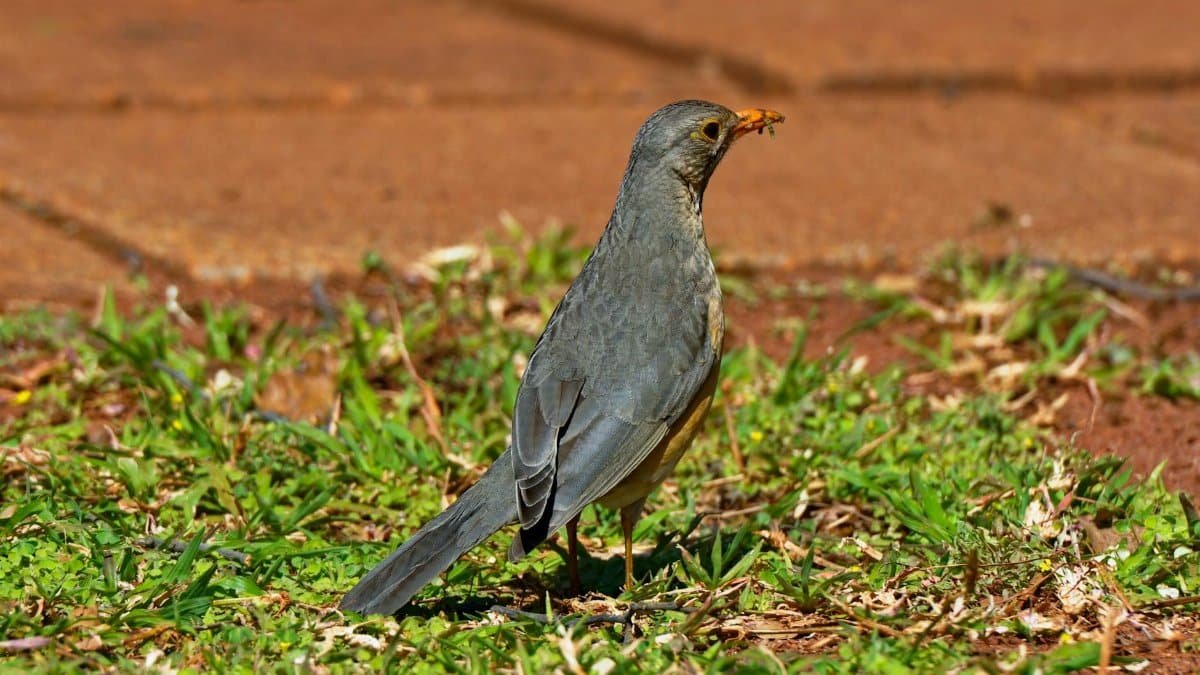
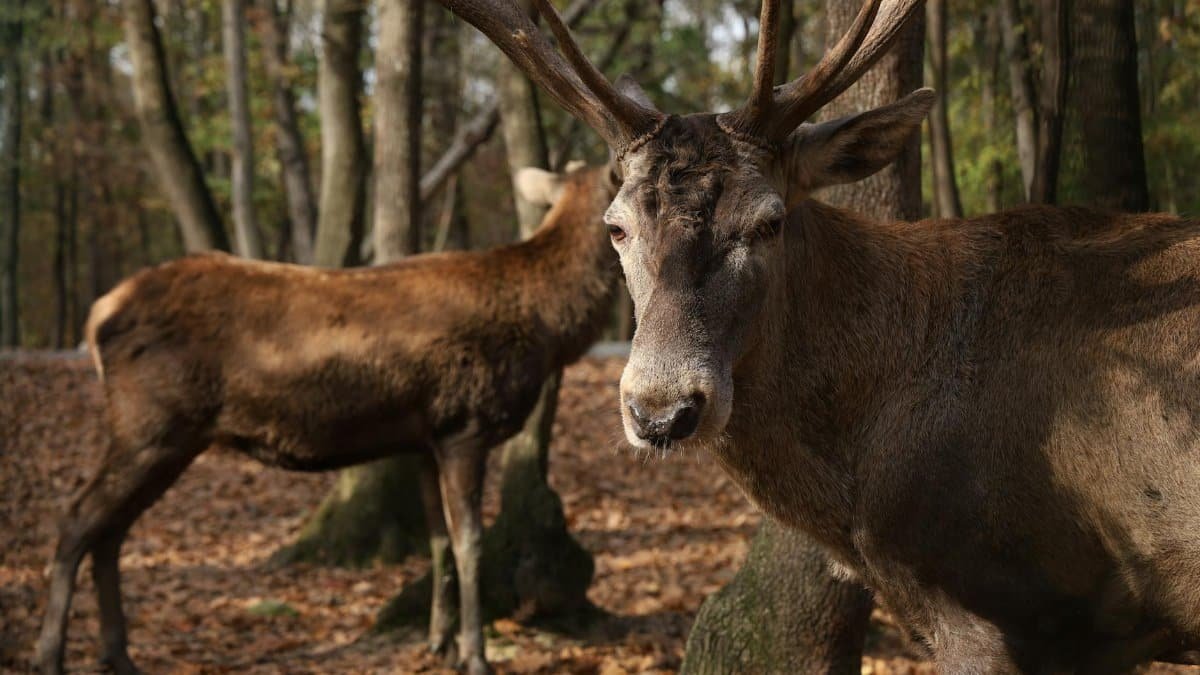
Finally, the freeze response: rabbits or deer suddenly going still, ears perked, bodies rigid. This immobility signals acute awareness of danger, masking hidden tension to avoid detection. It’s evolution’s pause button, buying time to assess threats.
Wildlife photographers capture these instants, like a fawn freezing in tall grass as hikers approach. The tension is palpable, a survival strategy that, if prolonged, can lead to exhaustion. In pets, like a guinea pig freezing during vet visits, it’s a call for gentle handling.
A study in the Journal of Comparative Psychology, found through the American Psychological Association’s journals page, examines freezing as a fear indicator, informing animal therapy. For humans, recognizing our own “freeze” moments in stress can lead to proactive relaxation techniques, closing the loop on these animal signals that reveal so much.