

A recent survey by the Pew Research Center found that 62% of Americans reported feeling more relaxed after spending time in natural settings, up from 48% just a decade ago. This spike reflects a growing awareness of how connecting with the outdoors can soothe frayed nerves in our hectic lives. Amid rising stress levels—fueled by work demands and digital overload—people are turning to simple acts inspired by the environment. These nature behaviors encourage a deeper sense of calm, tapping into our innate responses to green spaces and wildlife. They aren’t about grand adventures; often, it’s the quiet rituals that reset the mind. As we navigate 2025’s uncertainties, understanding these behaviors offers a practical way to foster inner peace without overhauling daily routines.
1. Embracing Forest Bathing
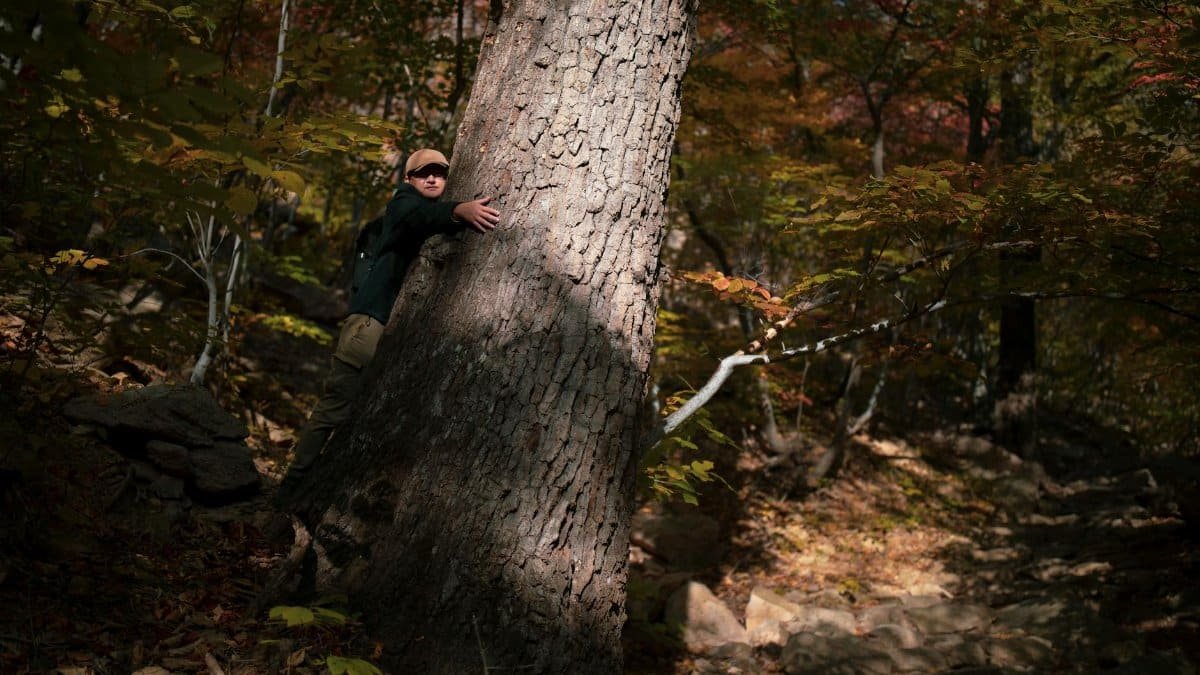
Step into a wooded area, and something shifts. The Japanese practice of shinrin-yoku, or forest bathing, invites people to immerse themselves in the sights, sounds, and scents of trees without any agenda. It’s not hiking; it’s lingering. Studies show this reduces cortisol levels, the hormone tied to stress. One woman in Seattle described it as “letting the forest hug you back,” after a particularly tough week at her office job. She wandered among evergreens, noticing how the rustle of leaves drowned out her worries. Researchers at Stanford University have linked such exposure to improved mood and focus. It’s a behavior nature encourages through its own rhythms, pulling us toward stillness. In bustling cities, even urban parks mimic this effect, offering quick escapes.
Yet, it’s not always straightforward. Some find the silence unnerving at first, confronting inner chatter. Over time, though, it builds resilience. A 2023 study highlighted how regular forest immersion lowers blood pressure. Nature behaviors like this encourage calm by syncing our breath with the earth’s pulse.
2. Tuning into Birdsong

Imagine pausing on a morning walk to really listen. Birds chirping isn’t just background noise; it’s a symphony that can dial down anxiety. Ornithologists note how these melodies activate the brain’s relaxation response, similar to gentle music. In one online account shared recently, someone battling insomnia found solace in recording dawn choruses from their backyard. “It was like the birds were singing my stress away,” they reflected. This ties into biophilia, our inherent draw to living things. A report from the National Institutes of Health underscores how bird watching boosts mental well-being, with participants reporting less rumination.
Diving deeper, it’s about presence. Nature behaviors encourage this by rewarding attention—spot a cardinal’s flash of red, and worries fade. Yet, urban noise can interfere, so seeking quieter spots helps. Over sessions, it fosters patience, a calm that’s cumulative.
3. Grounding Through Barefoot Walking

Slipping off shoes on grass or sand connects us directly to the earth. This grounding, or earthing, is said to neutralize free radicals, easing inflammation and stress. A study in the Journal of Environmental and Public Health explored how it stabilizes heart rates. Picture a family in California ditching footwear during a park picnic; the kids giggled, but the parents felt tensions melt. It’s subtle, yet profound—nature behaviors encourage calm by reminding us of our roots, literally.
Challenges arise in colder climates, but even brief sessions indoors with grounding mats work. The key is consistency, building a ritual that signals the body to unwind. Experts from the University of California suggest it enhances sleep quality, linking back to our evolutionary ties to the land.
4. Observing Water Flows

Rivers, lakes, or even fountains draw us in with their steady motion. Watching water isn’t passive; it mirrors mindfulness practices, calming the nervous system. Hydrologists point out how the sound of flowing water masks distractions, promoting focus. One anonymous forum post described sitting by a stream after a breakup: “The current carried my thoughts downstream.” This illustrates how nature behaviors encourage emotional release.
Scientifically, blue spaces—areas with water—correlate with lower depression rates, per a European study. It’s accessible; a quick visit to a local pond can suffice. But pollution threatens these havens, urging us to protect them for sustained benefits. The rhythm invites reflection, turning chaos into clarity.
5. Cultivating a Garden Patch

Digging into soil, planting seeds—gardening is hands-on therapy. It fosters patience as sprouts emerge, mirroring personal growth. Community gardens in cities like New York buzz with this energy, where neighbors share tips and harvests. A report from the American Horticultural Therapy Association links it to reduced anxiety, with tactile elements grounding scattered minds.
Not everyone has space, but window boxes or community plots adapt the practice. Nature behaviors encourage calm here through nurturing, a cycle of care that rewards with blooms. One gardener recounted watching tomatoes ripen as “a lesson in letting go.” It’s messy, real, and deeply satisfying, countering digital fatigue in 2025’s screen-heavy world.
6. Stargazing Under Open Skies
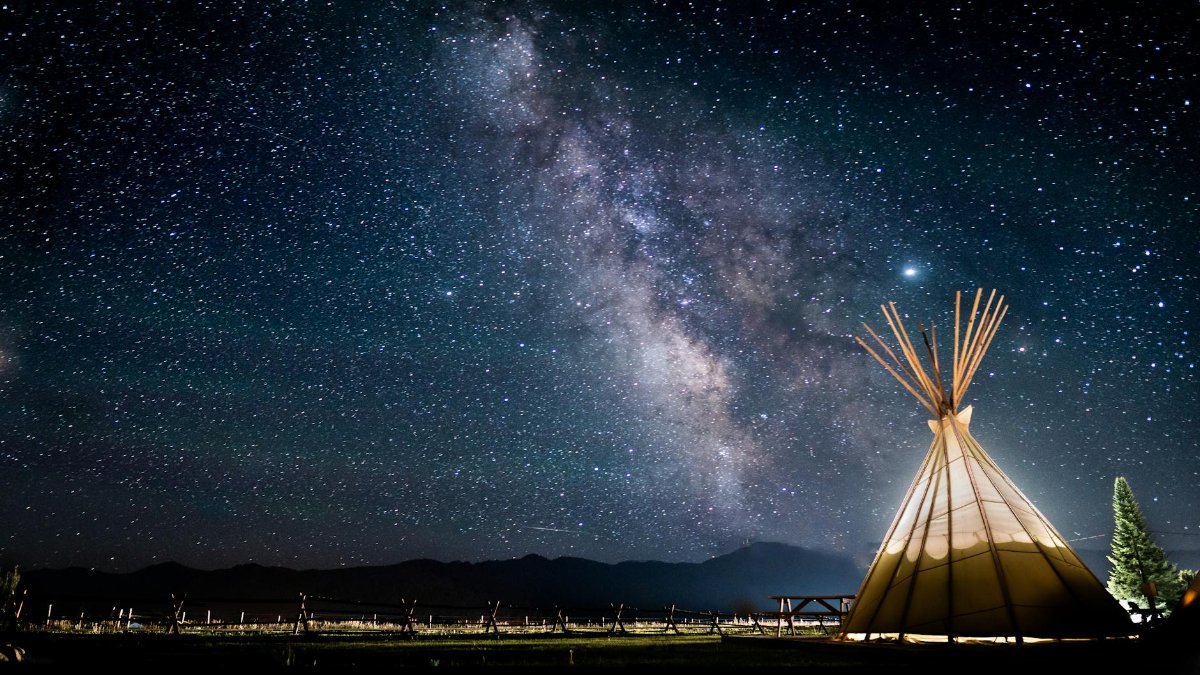
Lying back to scan the night sky humbles and soothes. Astronomy enthusiasts know constellations can quiet racing thoughts, putting daily stresses in perspective. Dark sky preserves in the U.S. Southwest amplify this, free from light pollution. A NASA overview on cosmic wonders ties into how such views inspire awe, a emotion linked to well-being.
Yet, cloudy nights test commitment. Apps help identify stars, blending tech with nature. This behavior encourages calm by evoking wonder, a counter to cynicism. In one shared story, a stargazer found solace post-loss, feeling connected to something vast.
7. Hiking Mindful Trails

Trails wind through landscapes, inviting deliberate steps. Unlike rushed commutes, hiking emphasizes pace, syncing breath with terrain. The Appalachian Trail’s sections offer this to many, with hikers reporting clarity. Research from U.S. Forest Service shows trail time cuts stress hormones.
Preparation matters—proper gear prevents mishaps. Nature behaviors like this encourage exploration, but with respect for limits. A brief anecdote: a group paused at a viewpoint, sharing silent nods as vistas unfolded, bonding through quiet awe.
8. Breathing with Ocean Breezes

Coastal walks harness salt air’s invigorating yet calming power. Ions in sea spray may boost serotonin, per preliminary studies. Beaches from Florida to Oregon draw seekers of this peace. One visitor recalled waves lapping as “nature’s lullaby,” easing chronic tension.
Seasonal crowds can disrupt, so off-peak visits enhance solitude. A NOAA resource on ocean health connects environmental care to personal calm. It’s a reminder that protecting these spaces sustains the behaviors that heal us.
9. Wildlife Watching in Quiet

Spotting deer or squirrels demands stillness, training focus. Zoologists highlight how this observation reduces mental fatigue. National parks facilitate it, with rangers guiding ethical viewing. In a public reflection, someone noted a fox sighting shifting their mood from agitated to serene.
Patience is key; not every outing yields sightings. But the wait itself calms. Findings from National Park Service emphasize biodiversity’s role in human health, weaving nature behaviors into broader encouragement for conservation.
10. Picnicking Amid Greenery

Spreading a blanket in a meadow turns meals into meditative breaks. It’s social or solo, with fresh air enhancing flavors and relaxation. Urban oases like Central Park exemplify this. A study in Environmental Health Perspectives ties green space picnics to better emotional regulation.
Weather unpredictability adds adventure, but planning helps. This simple act encourages communal calm, fostering connections. As one picnicker put it, “Sharing sandwiches under trees mends what the week breaks.” In 2025, amid ongoing stressors, these nature behaviors encourage a return to basics, nurturing peace through presence.