

New data shows that 68% of North Carolinians report lower stress levels after interacting with their dogs, according to a recent survey by the American Kennel Club. In a state where urban hustle in cities like Raleigh and Charlotte clashes with rural calm, pet owners are discovering simple canine behaviors that reduce stress naturally. These furry companions offer more than companionship; their instinctive actions can melt away daily tensions. From tail wags to gentle nuzzles, these behaviors, reduce, stress in ways backed by science, providing a timely boost amid 2025’s economic pressures. As mental health awareness grows, experts highlight how dogs intuitively help humans unwind.
1. Tail Wagging Enthusiasm
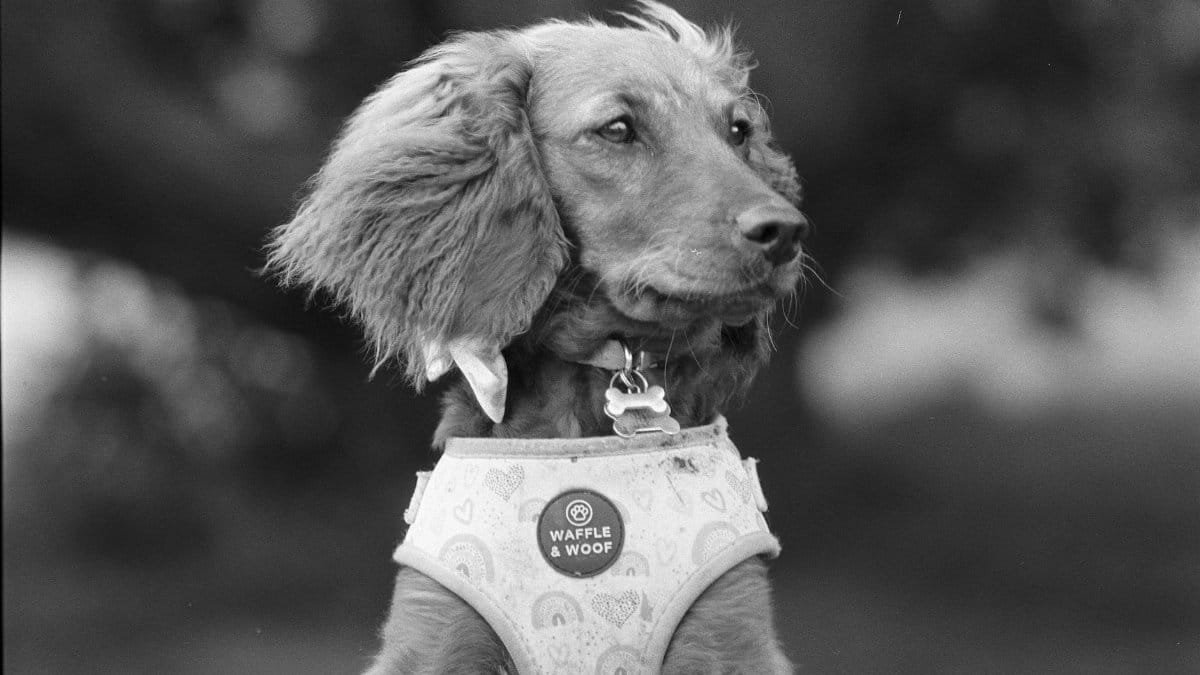
Dogs wag their tails not just out of habit, but as a clear signal of joy and affection. This behavior instantly lifts moods for owners in North Carolina, where long workdays in tech hubs like the Research Triangle can build tension. When a dog greets you with vigorous tail wags, it triggers oxytocin release in humans, the hormone linked to bonding and calm. Studies from the University of North Carolina at Chapel Hill show pet interactions lower cortisol levels by up to 20%. Owners describe it as an instant reset button after stressful commutes on I-40. This simple act reinforces the human-animal bond, making it a go-to for quick relief.
2. Gentle Nuzzling and Leaning

Many dogs lean into their owners or nuzzle against them, seeking closeness that doubles as comfort. In North Carolina’s humid summers, this contact provides a cooling emotional anchor amid heat-induced irritability. Veterinary experts note this behavior mimics pack dynamics, fostering security. A report from the National Institutes of Health details how such physical touch reduces heart rates in stressed individuals. For residents dealing with hurricane season anxieties, a dog’s lean offers silent reassurance. It’s a subtle yet powerful way pets sense and soothe human unease without words.
3. Playful Fetching Games

Engaging in fetch turns a dog’s energy into a stress-busting activity. North Carolinians in coastal areas like Wilmington use beach fetch sessions to escape daily grind. This behavior encourages physical movement, releasing endorphins for both pet and owner. Research from Duke University indicates that 30 minutes of play with dogs can decrease anxiety symptoms significantly. It’s not just fun; it’s therapeutic, especially in 2025 when remote work blurs home boundaries. Dogs initiate these games, pulling owners into the moment and away from worries, proving play is a natural antidote to mounting pressures.
4. Calm Staring with Soft Eyes
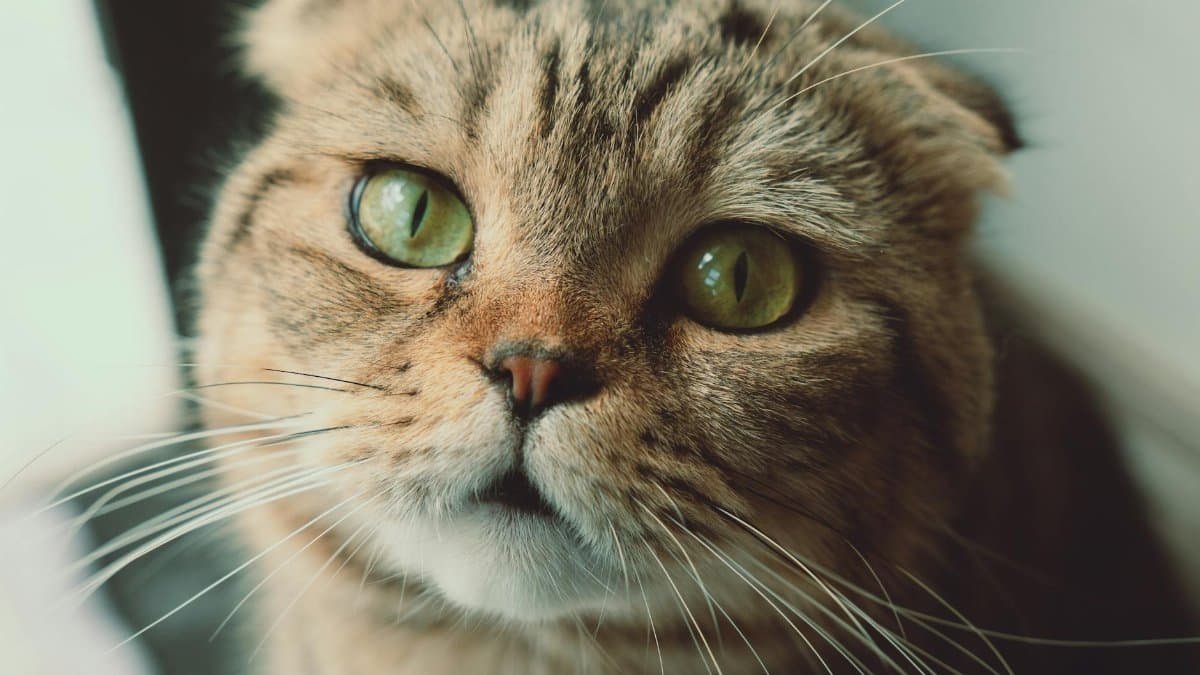
Dogs often gaze at owners with relaxed, soft eyes, a sign of trust that calms the nervous system. In the Appalachian regions of North Carolina, where isolation can heighten stress, this eye contact builds emotional bridges. Animal behaviorists explain it as a form of mindfulness prompt, grounding humans in the present. A study linked from the American Psychological Association confirms gazing reduces blood pressure. For those facing job market shifts in 2025, this quiet connection offers solace, reminding us of uncomplicated loyalty in a complex world.
5. Yawning as a Mirror Response

When dogs yawn in sync with their owners, it’s a contagious behavior signaling empathy and relaxation. Urban dwellers in Charlotte notice this during evening wind-downs, easing post-work fatigue. Science attributes it to emotional contagion, where dogs mirror human states to bond. Findings from the University of Tokyo, summarized in NIH archives, show yawning lowers arousal levels. In North Carolina’s diverse communities, this shared response helps bridge cultural stresses, promoting collective calm. It’s an understated cue that behaviors reduce stress through subtle imitation, turning yawns into unexpected therapy sessions.
6. Rolling Over for Belly Rubs

A dog rolling over exposes its belly, inviting rubs that signify vulnerability and trust. This act in North Carolina homes, from Asheville’s mountains to Piedmont farms, invites owners to pause and connect. The tactile experience releases feel-good chemicals, combating isolation in rural areas. Experts at Cornell University’s College of Veterinary Medicine report that such interactions improve mental well-being. Amid 2025’s focus on holistic health, this behavior encourages mindfulness, pulling people away from screens and into real affection. It’s a direct path to de-stressing, one rub at a time.
7. Quiet Companionship During Rest

Dogs often curl up nearby during quiet times, offering silent companionship that eases loneliness. In North Carolina’s growing senior population, this presence combats retirement blues. Behavior studies highlight how proximity alone stabilizes emotions. A comprehensive review from the CDC notes pets reduce depression risks in adults. For families navigating economic uncertainties in 2025, a dog’s steady company provides anchor without demands. This passive yet profound behavior underscores how canines intuitively address human needs, making them invaluable allies in the fight against everyday stress.