

Did you know that according to a recent survey by the American Psychological Association, nearly 40% of adults in the South Atlantic region, including Virginia, report high stress levels that disrupt their daily lives, up from 32% just five years ago? This spike isn’t just numbers on a page; it reflects a quieter epidemic simmering beneath the surface of bustling suburbs and scenic countrysides. In Virginia, where the blend of historical charm and modern hustle creates unique pressures, certain patterns reveal hidden tensions that many overlook. These subtle cues, from disrupted routines to environmental disconnects, offer clues to underlying stress, pointing toward paths for steadier calm. As life in the Old Dominion accelerates, recognizing these signals could be key to reclaiming balance amid the demands of work, family, and the ever-present pull of technology.
1. Disrupted Sleep Cycles Amid Urban Sprawl
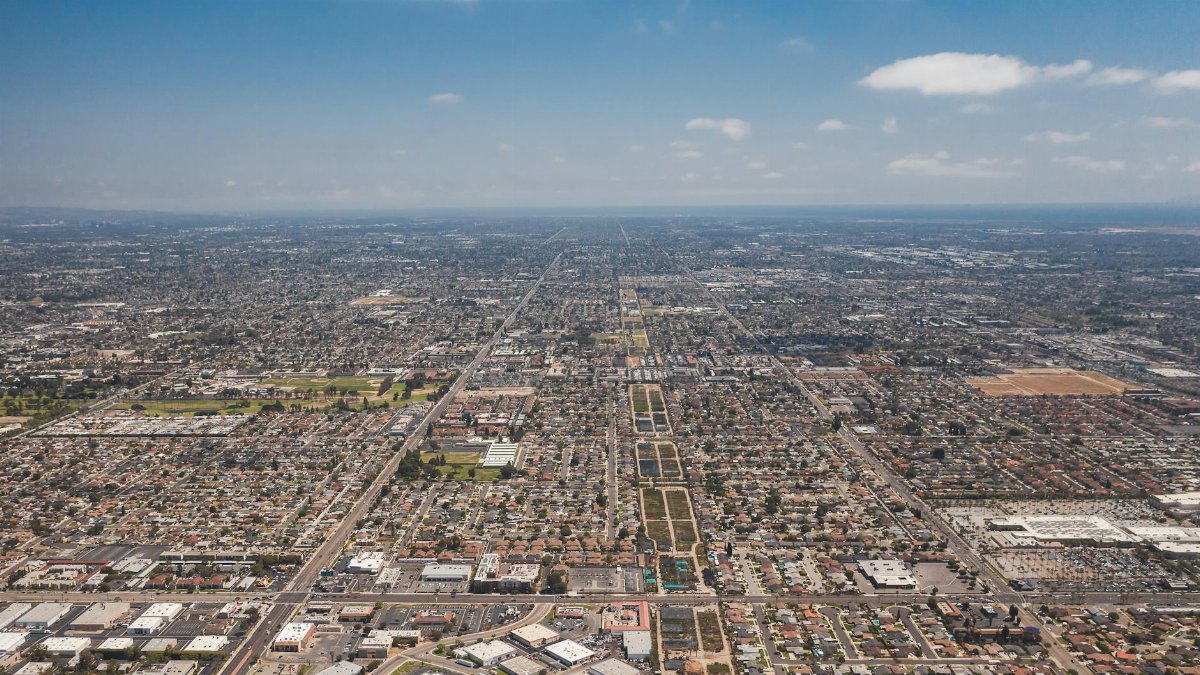
In the shadow of Northern Virginia’s tech corridors, where commutes stretch long into the evening, many residents find their nights fractured by restless tossing. It’s not uncommon to hear stories of people like a Fairfax County teacher who, after years of grading papers late into the night, noticed her once-solid eight hours dwindling to fitful bursts. This pattern of irregular sleep often masks deeper stress, fueled by the region’s high-stakes jobs and traffic snarls. Research from the Centers for Disease Control and Prevention highlights how chronic sleep disruption correlates with elevated cortisol levels, the body’s stress hormone, creating a vicious cycle. Yet, in quieter pockets like the Shenandoah Valley, some are countering this by adopting evening wind-down rituals, drawing on the area’s natural serenity to reset their internal clocks. The shift isn’t immediate, but it starts with acknowledging how these broken rhythms echo unspoken anxieties about productivity and rest.
Consider the broader ripple: when sleep falters, decision-making suffers, leading to snap judgments in daily interactions. One anonymous account shared publicly described waking repeatedly to check work emails, a habit born from the fear of falling behind in Virginia’s competitive job market. Breaking free involves small steps, like dimming screens earlier, but the real insight lies in viewing these interruptions as signals, not just annoyances.
2. Erratic Eating Habits in Fast-Paced Lifestyles

Picture a Richmond office worker skipping breakfast again, only to binge on vending machine snacks by mid-afternoon. This yo-yo pattern in eating often surfaces as a telltale sign of hidden stress, particularly in Virginia’s urban hubs where time feels perpetually short. The state’s mix of Southern comfort food and health trends can amplify the confusion, with stress pushing people toward quick fixes over nourishing meals. A study from the Harvard T.H. Chan School of Public Health links emotional eating to heightened anxiety, showing how cortisol spikes drive cravings for sugary or fatty foods as a temporary balm.
Yet, there’s a narrative of reclaiming control emerging in places like Charlottesville, where community gardens encourage mindful harvesting and cooking. One local might recount how swapping rushed lunches for deliberate, home-prepped salads shifted her energy, revealing how these habits had been veiling burnout from constant deadlines. The key is tuning into these fluctuations not as failures, but as invitations to explore what emotional voids they’re filling.
Transitions like this build gradually, weaving in moments of pause that counteract the rush.
3. Social Withdrawal in Community-Oriented Settings

Virginia’s tight-knit neighborhoods, from Alexandria’s historic streets to Norfolk’s waterfront gatherings, thrive on connection, yet a growing number of residents are pulling back, canceling plans with vague excuses. This retreat often points to hidden stress, where the energy required for social bonds feels overwhelming amid personal pressures. Insights from Pew Research Center indicate that about one in five Americans report feeling more isolated post-pandemic, a trend echoed in Virginia’s diverse communities.
Diving into a specific scene: imagine a Virginia Beach family skipping their usual block party, the parents citing fatigue from hybrid work schedules. What starts as a one-off can snowball, masking deeper strains like financial worries or relational tensions. Public discussions sometimes highlight this, with one person anonymously sharing how re-engaging through small walks with neighbors uncovered the stress fueling their isolation. It’s a reminder that withdrawal isn’t always intentional; it’s a pattern that reveals hidden emotional loads, urging a gentle re-entry into shared spaces.
4. Heightened Irritability During Daily Commutes

Road rage simmers on I-95, where a honk or sharp lane change betrays more than impatience—it’s often a flare-up of accumulated stress. In Virginia, with its notorious traffic bottlenecks around D.C. and Hampton Roads, these outbursts signal patterns that reveal hidden frustrations from work-life imbalances. The American Psychological Association notes that chronic commuters experience elevated blood pressure, linking it directly to stress responses.
One commuter might describe gripping the wheel tighter after a long day, only to realize it’s spillover from unresolved office conflicts. Shifting this involves mindfulness techniques, like breathing exercises during red lights, transforming the drive into a space for reflection. These moments of awareness can peel back layers, showing how external chaos mirrors internal turmoil.
Such patterns don’t resolve overnight, but recognizing them fosters patience, both on the road and beyond.
5. Neglect of Nature Amid Abundant Outdoors

Despite Virginia’s wealth of trails in the Blue Ridge Mountains and beaches along the Chesapeake Bay, many locals bypass these escapes, opting for indoor scrolling instead. This avoidance pattern quietly unveils hidden stress, as the pull of obligations overrides the restorative power of nature. A report from the U.S. Forest Service underscores how time in green spaces reduces stress markers, yet urban Virginians often sideline it.
Envision a Roanoke resident who used to hike weekly but now cites exhaustion, her weekends filled with errands. Publicly shared stories echo this, with one account detailing how a forced park visit reignited a sense of calm, exposing how stress had dulled her appreciation for the outdoors. Reintegrating these outings can act as a balm, highlighting the energy drain from constant connectivity.
6. Energy Drains from Overcommitment

In the ambitious circles of Arlington or Tysons Corner, where careers in government and tech demand all-in effort, a pattern of constant fatigue emerges, often dismissed as normal. This sapping of vitality reveals hidden stress from juggling too many roles, leaving little room for recharge. Data from the Gallup Workplace survey shows disengagement rates climbing, tied to burnout in high-pressure environments like Virginia’s.
A narrative unfolds with a professional who notices her enthusiasm waning for hobbies, a subtle cue of overload. By prioritizing boundaries, such as saying no to extra tasks, she uncovers renewed vigor. These shifts illuminate how overcommitment masks deeper needs for balance.
The process invites exploration, turning exhaustion into a guidepost for sustainable living.
7. Physical Aches Without Clear Cause

Persistent headaches or back tension plague many Virginians, often chalked up to aging or weather, but these aches frequently stem from unaddressed stress. In areas like Williamsburg, with its blend of tourism and history, the physical toll of hurried lifestyles manifests subtly. The Mayo Clinic outlines how stress tightens muscles, leading to chronic discomfort.
One might recall a moment of realization during a quiet evening, linking a nagging shoulder knot to weeks of family pressures. Incorporating practices like yoga, abundant in Virginia’s wellness scenes, can ease these symptoms, revealing the mind-body connection at play.
8. Procrastination in Goal-Oriented Cultures

Virginia’s drive for achievement, evident in its universities and innovation hubs, can paradoxically lead to putting off tasks, a pattern that betrays hidden stress from perfectionism fears. Procrastination builds, creating self-doubt cycles. Insights from Association for Psychological Science connect it to anxiety avoidance.
Think of a student in Charlottesville delaying assignments, only to rush at the last minute. Breaking this involves chunking tasks, fostering progress over paralysis. Such patterns, once spotted, open doors to kinder self-management.
Change comes through compassion, reframing delays as calls for support.
9. Over-Reliance on Digital Distractions

In a state wired for connectivity, from Silicon Dominion startups to remote workers, endless scrolling often serves as an escape, masking stress through temporary numbing. This habit reveals hidden emotional undercurrents, as real-world pressures mount. A National Institute of Mental Health overview ties excessive screen time to heightened anxiety.
An anonymous online reflection described swapping phone binges for evening walks, discovering clarity amid Virginia’s twilight. This pivot underscores how digital overload veils true rest needs, encouraging intentional unplugging for genuine renewal.
Ultimately, these patterns weave a tapestry of awareness, guiding toward calmer days in the Commonwealth.