
In a fast-paced world, new data shows 65% of Americans report high stress levels, according to a recent American Psychological Association survey. But here’s a twist: animal, people interactions are emerging as a simple antidote. By observing animal behaviors, folks are finding ways to dial back the chaos and regain focus. This isn’t just fluff; studies link pet ownership and nature watching to lower cortisol levels, promoting calm. As we head into 2025, these cues offer timeless strategies for emotional clarity amid daily grind.
1. Watching Birds in Flight
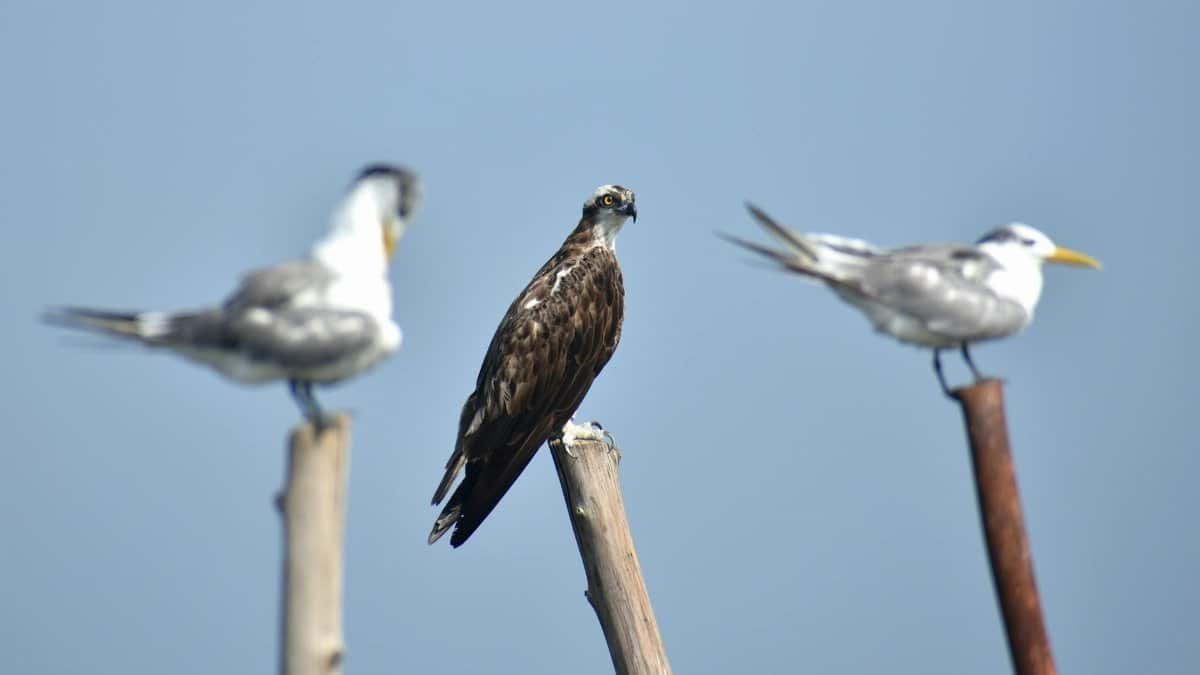
Birds soaring effortlessly can teach us to let go. Their graceful movements remind people to breathe deeply and release tension. A study from the University of Exeter found that birdwatching reduces anxiety by 20%. Participants reported feeling more grounded after just 10 minutes. In urban settings, this cue is accessible; just step outside and look up. It shifts focus from screens to nature’s rhythm, fostering mindfulness without effort.
2. Observing Cats’ Relaxed Postures
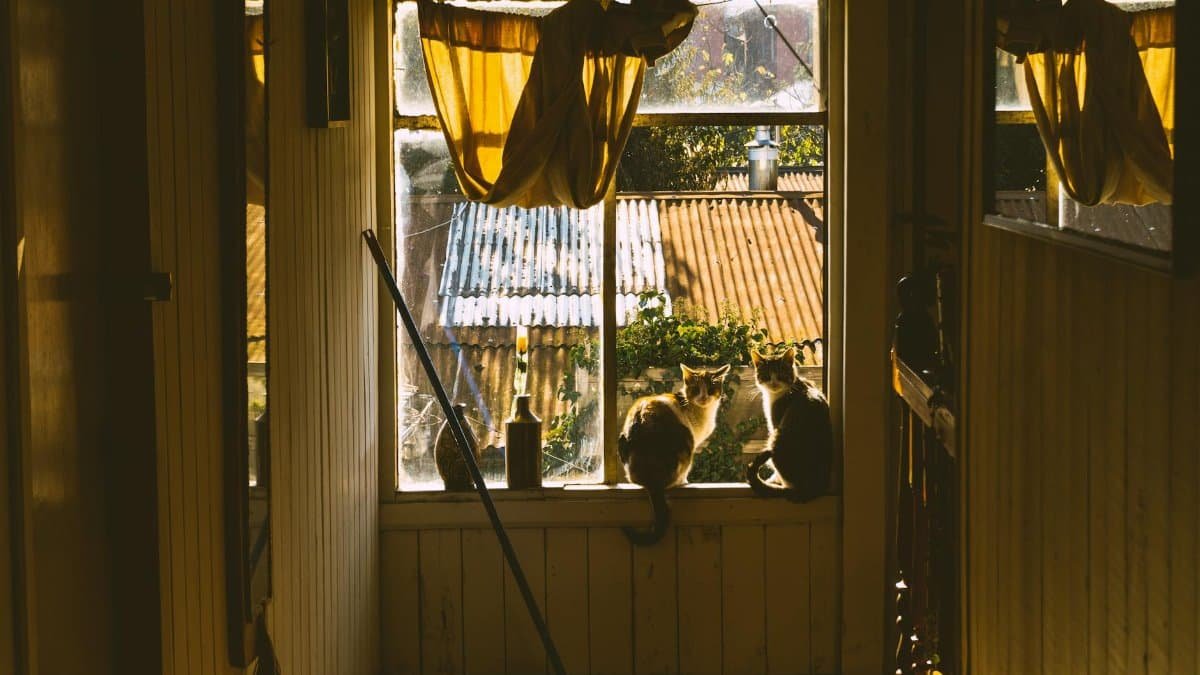
Cats embody relaxation with their languid stretches and naps. Mimicking this helps humans unwind. Research from the American Psychological Association highlights how cat owners experience lower blood pressure. Try adopting a feline sprawl on your couch for a quick reset. This animal cue encourages pausing amid hustle, improving focus by clearing mental clutter.
3. Noticing Dogs’ Playful Energy
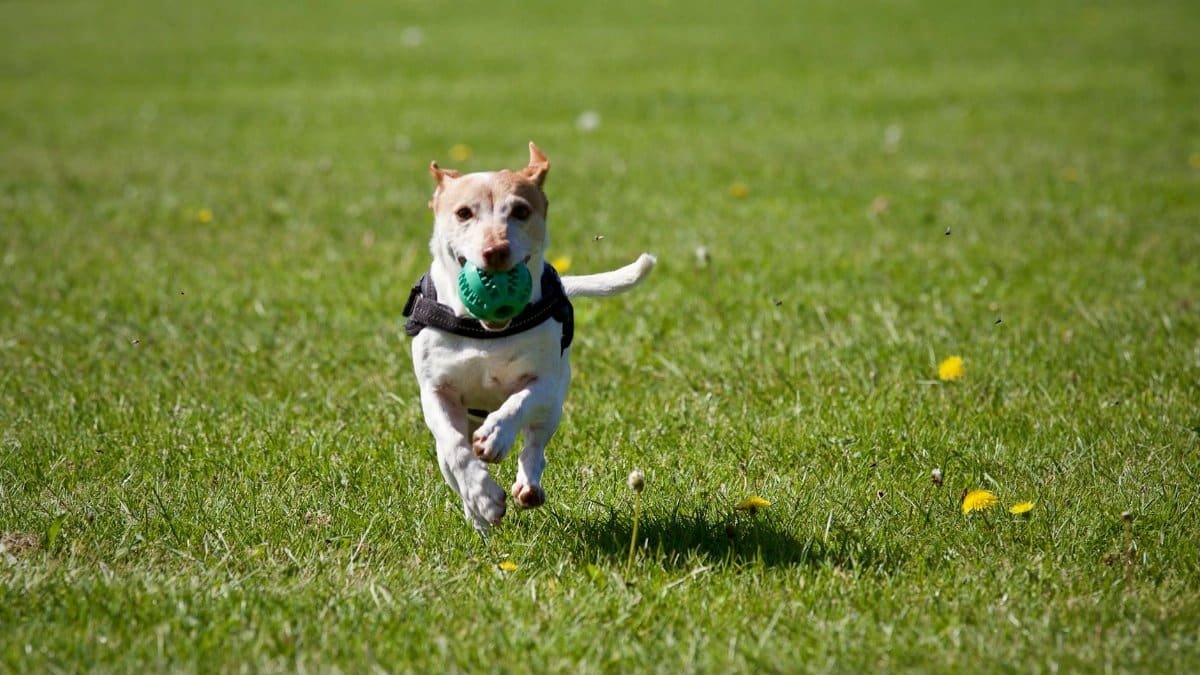
Dogs bound with joy, urging us to embrace play. Their enthusiasm cuts through stress, promoting lightheartedness. A report by the Centers for Disease Control and Prevention notes pet interactions boost endorphins. Take a cue: toss a ball or walk briskly. In 2025, with remote work persisting, this helps maintain work-life balance, sharpening concentration through fun breaks.
4. Learning from Turtles’ Steady Pace
Turtles move deliberately, symbolizing patience. This cue counters our rush culture. Experts at Harvard Medical School link slow, mindful activities to better emotional regulation. Observe a turtle’s shell and steady gait to inspire measured steps in your day. It’s a subtle shift that builds resilience against burnout, enhancing overall calm.
5. Mimicking Butterflies’ Gentle Flutter
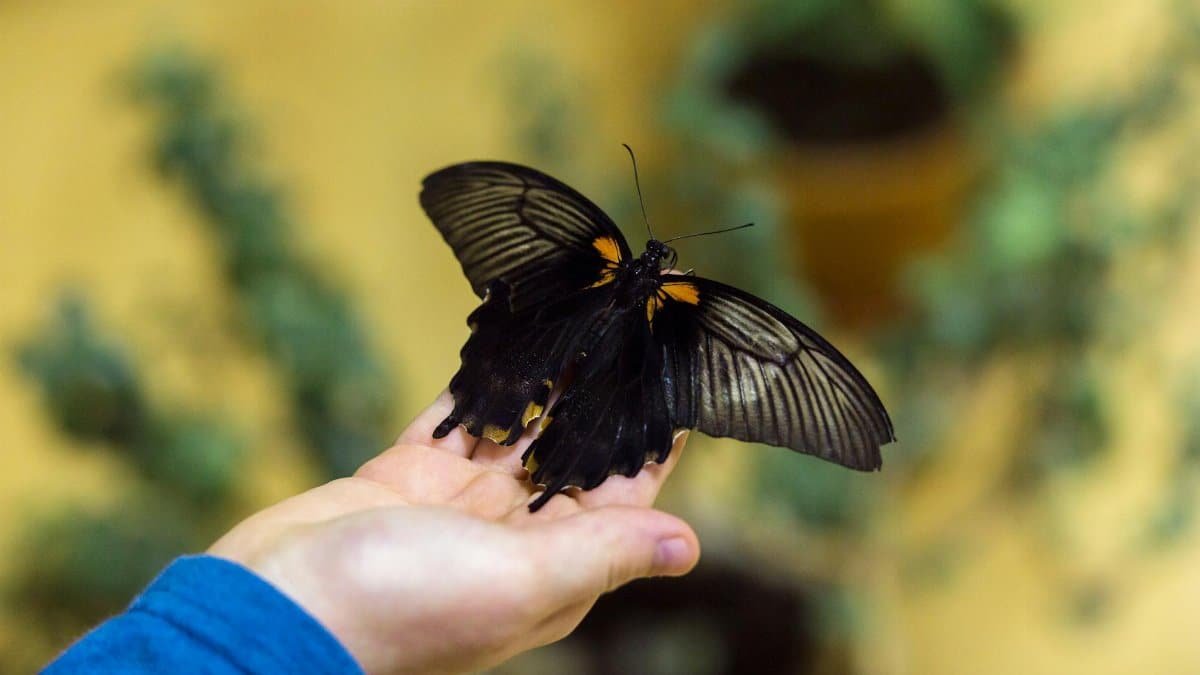
Butterflies drift lightly, teaching us to navigate change softly. Their transformations inspire adaptability without force. A study published in the Journal of Environmental Psychology, accessible via ScienceDirect, shows nature observation aids stress recovery. Apply this by pausing to watch insects, which quiets racing thoughts and restores focus.
6. Appreciating Horses’ Calm Grazing
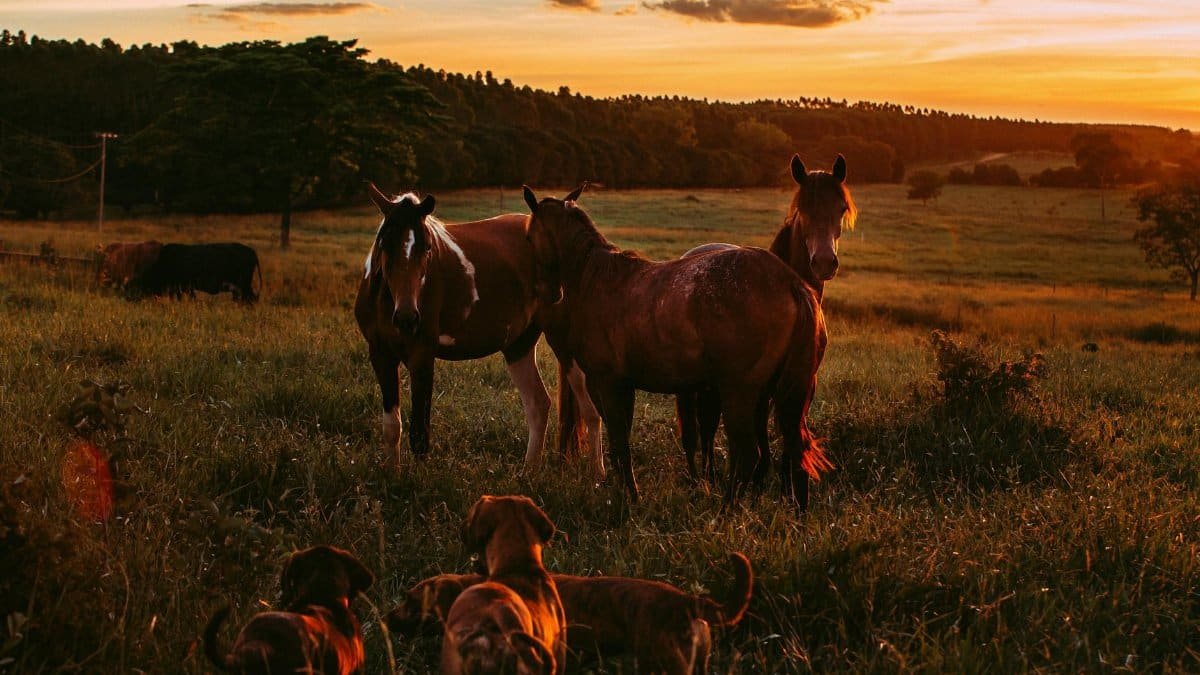
Horses graze peacefully, modeling contentment in the moment. Equine therapy programs demonstrate this, reducing PTSD symptoms. The National Institutes of Health reports improved mood from animal-assisted activities. Stand near a pasture or visualize it to slow your internal tempo. This fosters emotional clarity, especially in high-stress professions.
7. Following Fish in Aquariums
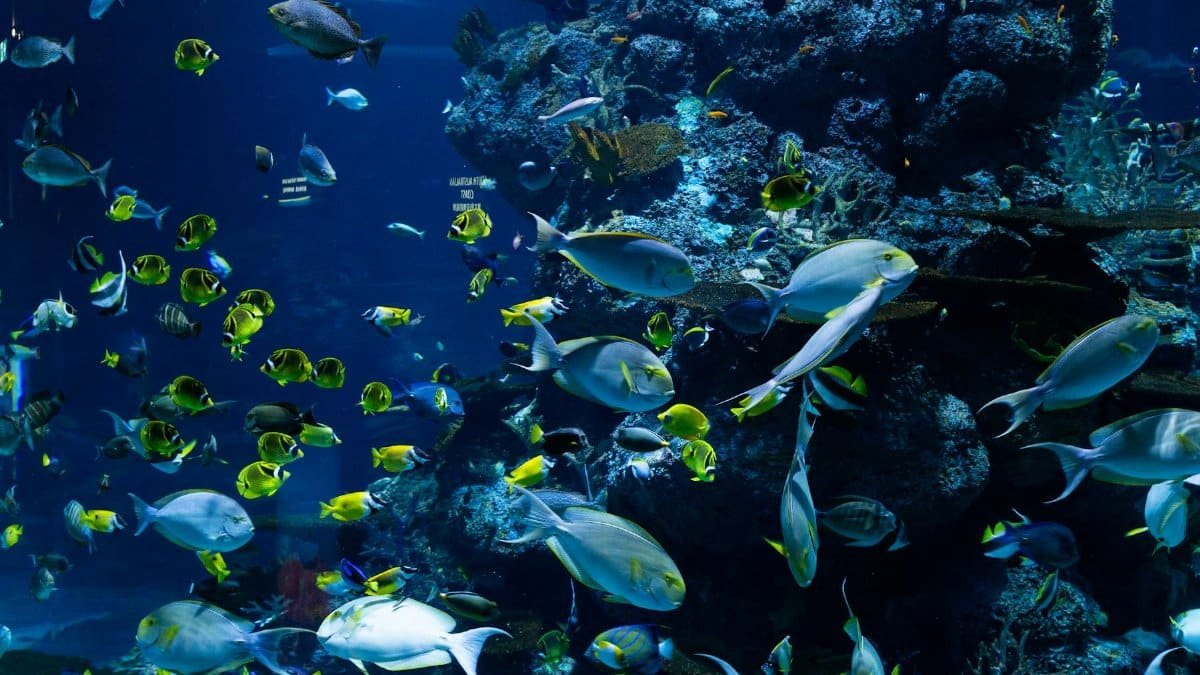
Fish swim serenely, creating a hypnotic calm. Aquariums are proven stress relievers; Plymouth University research found they lower heart rates by 7%. Set up a small tank or visit one to absorb this cue. It’s ideal for desk-bound workers in 2025, providing a visual break that sharpens mental acuity.
8. Emulating Sloths’ Slow Movements
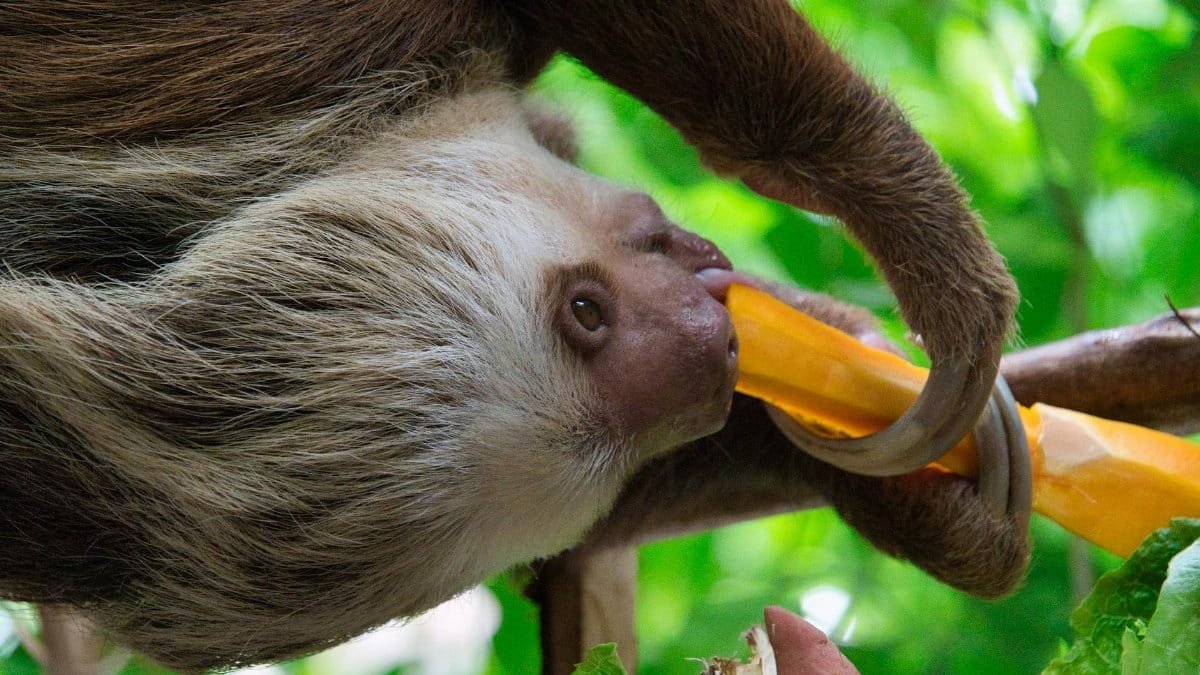
Sloths hang out leisurely, epitomizing rest. Their vibe counters productivity obsession. Wildlife experts note this behavior conserves energy, a lesson for humans. Incorporate sloth-like pauses into routines for sustained focus. As trends evolve, this animal cue remains a powerful tool for managing stress and enhancing daily peace.