

A recent study from the American Pet Products Association revealed that 70% of Ohio households now include at least one pet, up from 62% a decade ago, with many owners reporting reduced stress and heightened feelings of security. This surge reflects broader national trends, but in the Buckeye State, where harsh winters and community-oriented living amplify isolation risks, pets are stepping in as silent guardians of mental health. Behaviors that strengthen emotional bonds between humans and animals aren’t just cute quirks; they form the foundation of what experts call “emotional safety nets.” These subtle interactions, from a dog’s intuitive nudge during a tough day to a cat’s calming purr, help Ohioans navigate life’s ups and downs. As we delve into 2025, understanding these pet behaviors offers fresh insights into fostering resilience right at home.
1. The Welcoming Wag

Dogs in Ohio homes often greet their owners with an enthusiastic tail wag, a simple act that signals unwavering loyalty. This behavior cuts through the fog of a long workday, reminding people they’re valued. Take Sarah, a Cleveland teacher who shares how her Labrador’s daily ritual erases classroom stresses. “It’s like he knows exactly when I need that boost,” she says. Research from the University of Missouri supports this, showing such greetings lower cortisol levels.University of Missouri Human-Animal Interaction Lab highlights how these moments build trust, essential for emotional safety amid Ohio’s fluctuating job market.
Yet it’s not always straightforward. Some dogs wag more reservedly, adapting to their human’s mood. This nuance fosters deeper connections, turning routine returns into rituals of reassurance.
2. Purring as Comfort
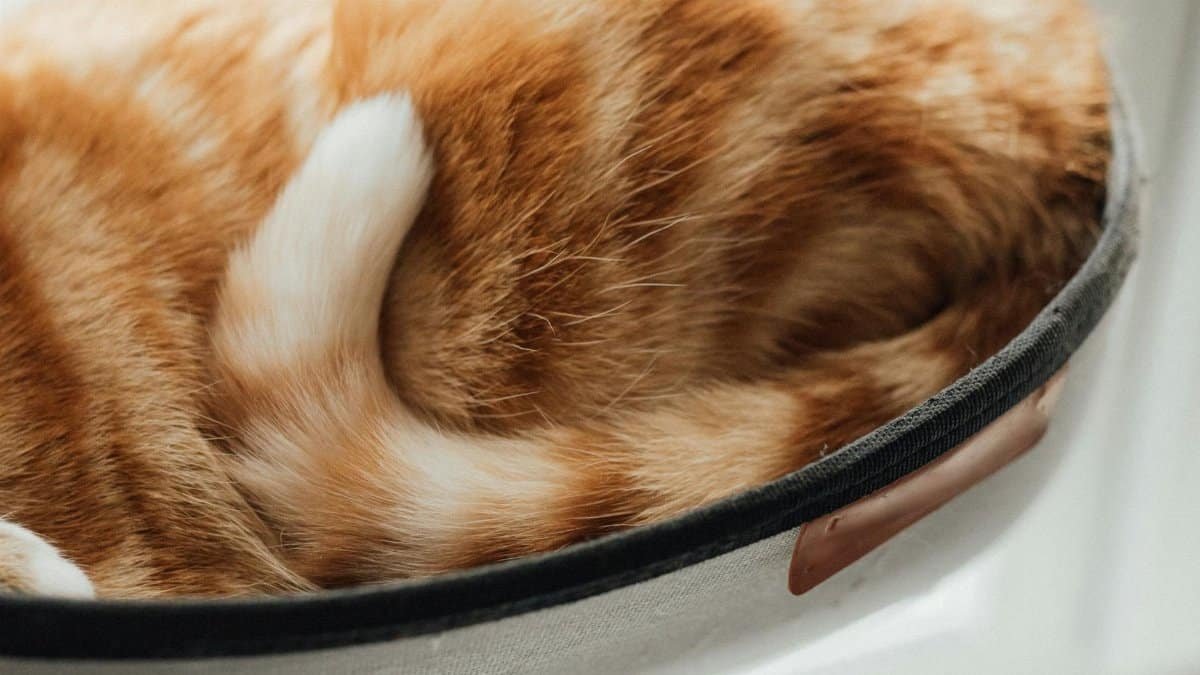
Cats have a knack for purring at just the right moment, a vibration that soothes frayed nerves. In Ohio’s suburban enclaves, where seasonal affective disorder spikes in winter, this sound acts like a natural balm. One anonymous online account described a tabby curling up during a bout of anxiety: “That rumble pulled me back from the edge, no words needed.” Studies link purring to reduced blood pressure, as noted in findings from the National Institutes of Health.
Beyond the science, these behaviors strengthen emotional ties by creating predictable comfort zones. Owners report feeling more grounded, especially in fast-paced cities like Columbus.
The purr evolves too, sometimes intensifying when humans are upset, showcasing cats’ subtle empathy.
3. Nudging for Attention

When a pet gently nudges your hand or leg, it’s more than playfulness; it’s a bid for connection that reinforces safety. Ohio pet owners, facing the state’s opioid crisis aftermath, find solace in these prompts. A brief story from Toledo: a man recovering from loss credits his beagle’s persistent nudges for pulling him out of isolation. “It forced me to engage,” he recalls.
This interaction mirrors therapeutic techniques, with data from the American Psychological Association indicating improved mood regulation. Such behaviors remind us of mutual dependence, strengthening emotional resilience in everyday settings.
4. Mirroring Movements

Pets often mimic their owners’ actions, like following you room to room, which builds a sense of companionship. In rural Ohio, where distances can feel vast, this shadowing eases loneliness. Imagine a farmer in Amish country whose horse mirrors his gait during chores; it’s a quiet affirmation of partnership.
Experts at Purdue University note this mirroring enhances bonding hormones.Purdue University Center for the Human-Animal Bond explores how it fosters security. These behaviors, strengthen emotional foundations by syncing rhythms, making homes feel less empty.
Occasionally, the mimicry highlights tensions, like a pet avoiding a stressed owner, prompting self-reflection.
5. Gentle Grooming Gestures

Cats and dogs sometimes lick or nuzzle as grooming, a primal way to show care. For Ohio families dealing with economic shifts, this act symbolizes nurturing. A Dayton mother shares how her cat’s licks during bedtime stories calm her kids, creating a bubble of safety.
Behavioral studies confirm grooming releases endorphins, per the American Kennel Club. It’s a behavior that strengthens emotional ties subtly, weaving affection into daily life.
6. Alerting to Distress

Many pets sense emotional turmoil and respond by staying close or alerting with whines. In Ohio’s college towns like Athens, students battling homesickness rely on this intuition. One account: a puppy whining at a dorm door until its owner opened up about stress.
This vigilance aligns with service animal training, backed by the U.S. Department of Justice ADA page. Such behaviors strengthen emotional safety by preempting isolation, vital in 2025’s hybrid work era.
Yet, over-reliance can strain pets, underscoring the need for balanced relationships.
7. Playful Invitations

A pet dropping a toy at your feet invites joy, countering daily grind. Ohio’s manufacturing hubs, with their demanding shifts, benefit from this levity. Picture a Cincinnati worker whose ferret’s antics spark laughter after hours.
Play boosts dopamine, as per NIH research.National Institutes of Health study on play. These moments fortify emotional bonds, turning homes into havens.
8. Cuddling on Cue

Pets often initiate cuddles during quiet times, providing tactile comfort. In snowy Ohio winters, this warmth combats cabin fever. An elderly resident in Akron describes her dog’s snuggles as “better than any blanket.”
Touch therapy elements here, supported by Mayo Clinic on pet therapy. Behaviors like this strengthen emotional security through physical presence.
Sometimes, the cue comes from the human, but pets’ responses amplify the effect.
9. Vigilant Watching

Birds or dogs keeping watch from perches offer a sense of protection. Ohio homeowners, amid rising urban concerns, appreciate this. A parrot owner in Youngstown notes how her bird’s alerts make her feel guarded.
This vigilance ties to evolutionary bonds, per evolutionary psychology insights from American Psychological Association Evolutionary Behavioral Sciences. It builds trust incrementally.
10. Soothing Silence

Finally, pets provide companionable silence, a behavior that allows space for reflection without judgment. In Ohio’s diverse communities, from bustling Cleveland to quiet farmlands, this quiet presence heals. One forum post captured it: “My rabbit just sits there, and somehow that’s enough to steady my thoughts.”
Silence as therapy is emerging in 2025 studies, with links to mindfulness benefits from CDC Mental Health resources. These behaviors, strengthen emotional landscapes by honoring stillness, proving pets are profound allies in our inner worlds.
As Ohio navigates modern challenges, these ten behaviors remind us how animals intuitively bolster our emotional cores, one subtle act at a time.