
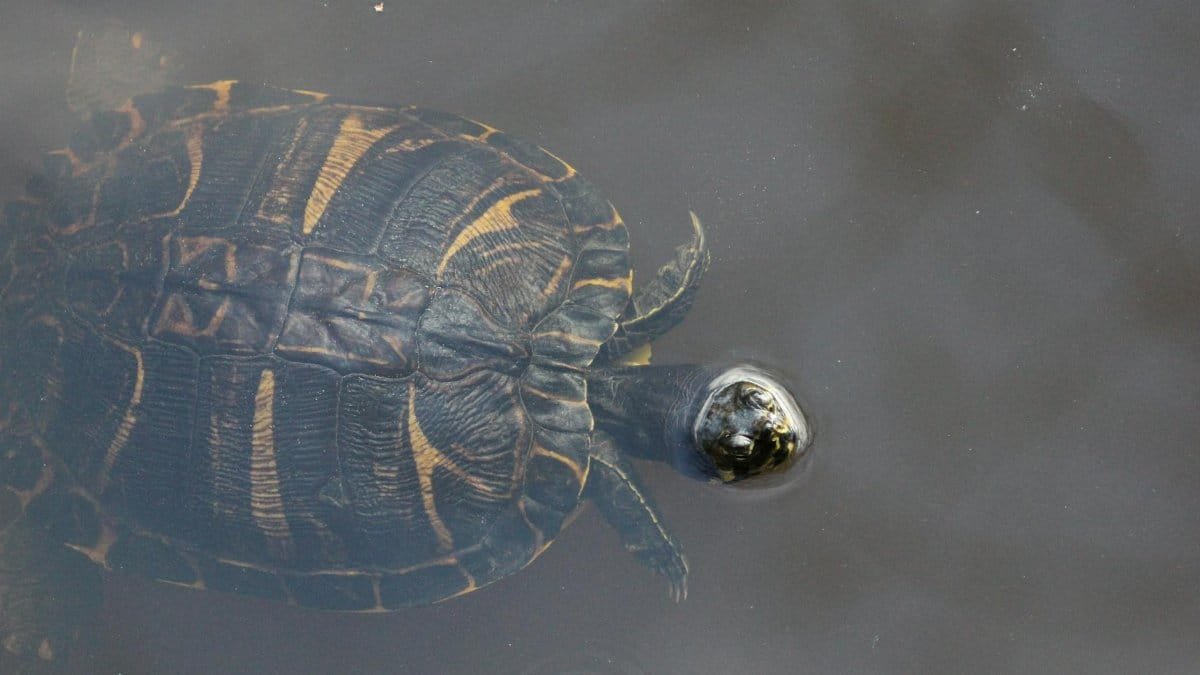
New data shows that in North Carolina, where 25% of residents report elevated stress from urban sprawl and economic pressures, animal patterns reflect these human tensions in surprising ways. From disrupted bird migrations to erratic squirrel behaviors, wildlife is mirroring the chaos of modern life. Experts say these shifts highlight deeper environmental links, urging a closer look at how our stress ripples into nature. The keyword ‘animal, patterns, reflect’ captures this interplay, revealing hidden connections between human anxiety and the wild world around us.
1. Birds Altering Flight Paths

In North Carolina’s bustling cities like Charlotte and Raleigh, birds are changing their usual flight routes. Normally predictable, these patterns now show detours around noisy construction zones. Biologists note this mirrors human avoidance of stressful traffic jams. A study from the Cornell Lab of Ornithology links urban noise to bird stress, much like how constant honking elevates cortisol in people. This shift could signal broader ecosystem strain if human pressures keep mounting.
Researchers observed that species like the American robin are flying higher and farther to escape light pollution, akin to humans seeking quiet suburbs. In 2025, with NC’s population growth, these avian adjustments are becoming more pronounced, potentially affecting pollination and insect control.
2. Squirrels Hoarding Excessively
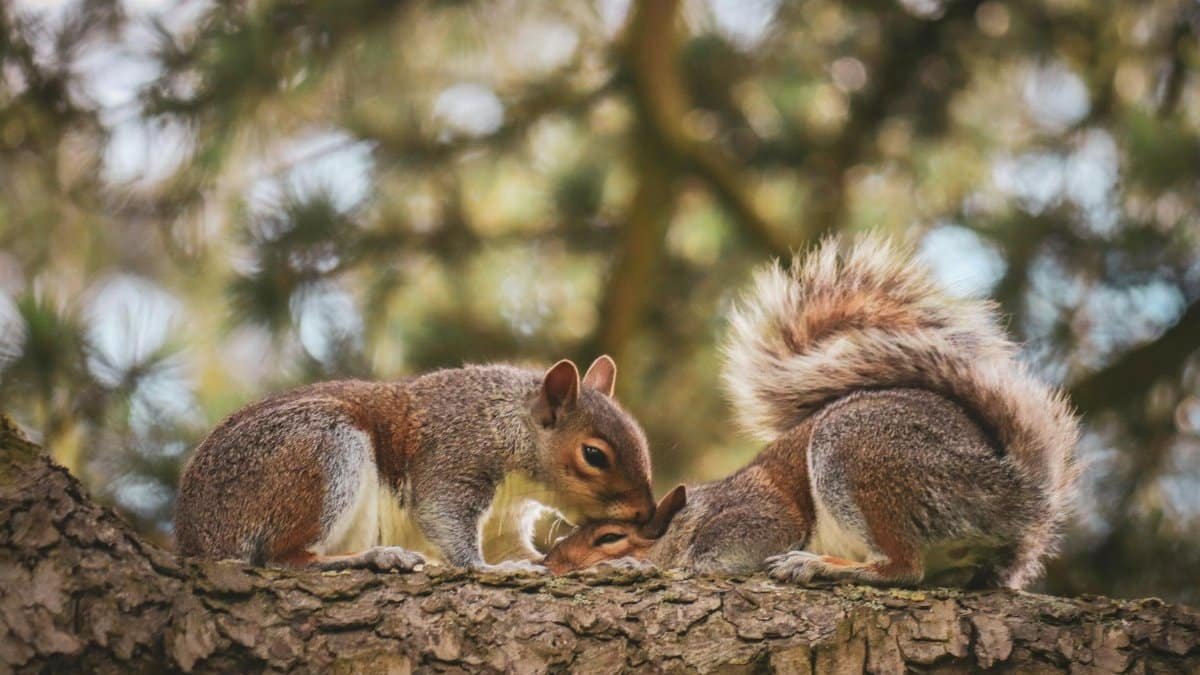
Squirrels in North Carolina forests and parks are stockpiling nuts at unprecedented rates. This hoarding spike reflects scarcity fears, paralleling how stressed humans overbuy groceries during economic uncertainty. Wildlife experts attribute it to habitat loss from development, forcing animals into survival mode.
According to data from the North Carolina Wildlife Resources Commission, squirrel populations in areas like the Piedmont region show 30% more caching behavior. This overpreparation echoes human anxiety disorders, where worry about the future drives compulsive actions. Observers say it’s a wake-up call for conservation efforts to ease these pressures.
3. Deer Becoming More Nocturnal
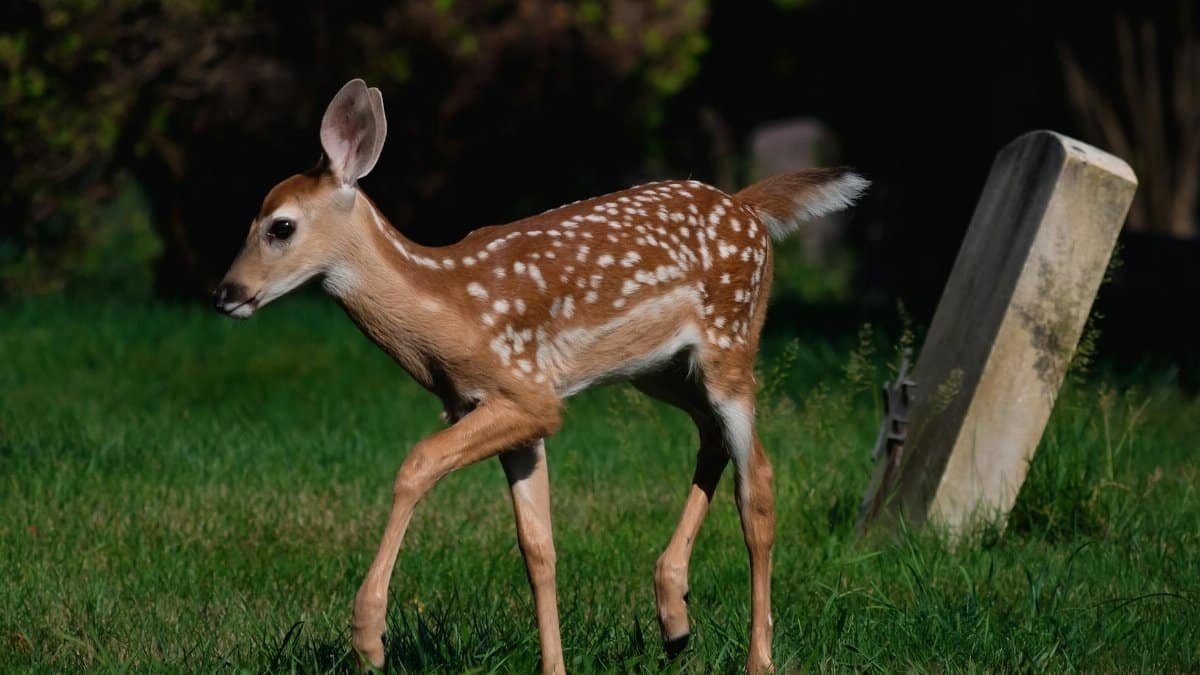
Deer in rural North Carolina are shifting to nighttime activity to dodge human encounters. This pattern reflects the avoidance tactics people use in high-stress social environments, like staying home to skip crowded events. Encroaching suburbs are pushing these animals into the shadows.
A report from the U.S. Geological Survey highlights how vehicle traffic stresses wildlife, leading to altered routines. In places like Asheville, deer sightings drop during the day, but trail cams capture frantic nighttime foraging. This change disrupts natural predator-prey balances, much like how human insomnia throws off daily life.
4. Fish Schooling Irregularly
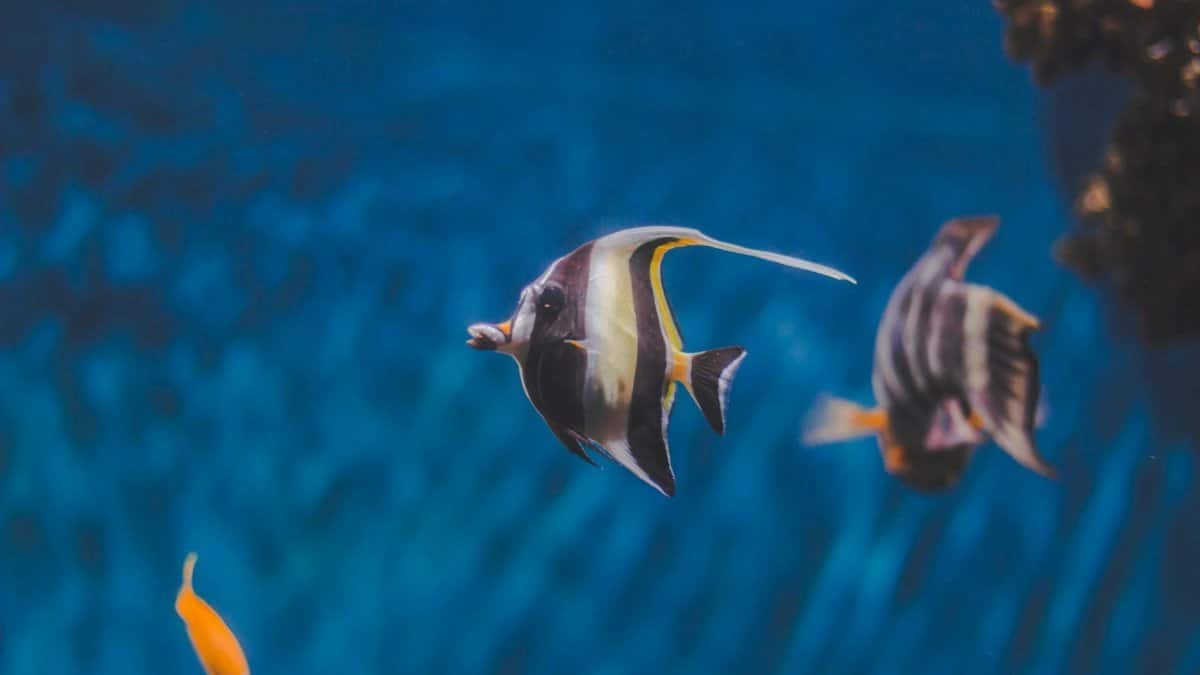
In North Carolina’s coastal waters, fish like mullet are forming looser, more erratic schools. This breakdown in group cohesion mirrors how stress fragments human communities, leading to isolation. Pollution and warming waters from climate change are key culprits, experts claim.
Marine biologists at Duke University’s Nicholas School of the Environment have documented these patterns, linking them to elevated ocean noise from shipping. Fish respond with scattered movements, similar to humans scattering during panic. In 2025, with rising sea levels, this could worsen, affecting fisheries and local economies tied to the sea.
5. Bees Exhibiting Aggressive Swarming
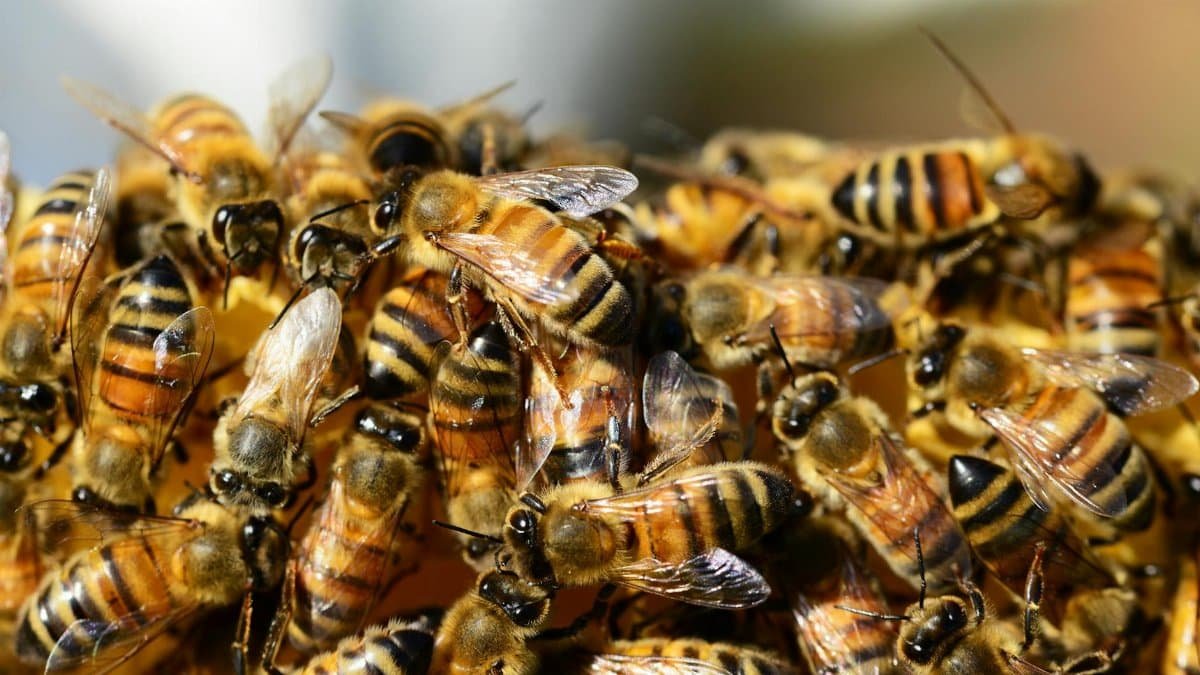
Bees across North Carolina apiaries and wild areas are swarming more aggressively, a sign of colony stress that echoes human outbursts under pressure. Factors like pesticide exposure and habitat fragmentation are heightening this behavior, making hives unpredictable.
A study published in the journal Scientific Reports explores how environmental stressors disrupt bee communication, leading to chaotic patterns. Beekeepers in the state report more defensive hives, paralleling rising road rage incidents among stressed drivers. This trend threatens pollination for NC’s agriculture, a vital economic pillar.
6. Frogs Calling at Odd Times

Frogs in North Carolina wetlands are vocalizing outside their typical evening choruses, a disrupted pattern that reflects human sleep disturbances from anxiety. Light pollution and noise from nearby developments are throwing off their rhythms.
Research from the U.S. Geological Survey’s Amphibian Research and Monitoring Initiative shows these irregular calls correlate with urban expansion. In areas like the Outer Banks, frogs croak sporadically, much like insomniacs tossing at night. This could impact breeding success and insect populations, cascading through the food chain.
7. Butterflies Migrating Prematurely
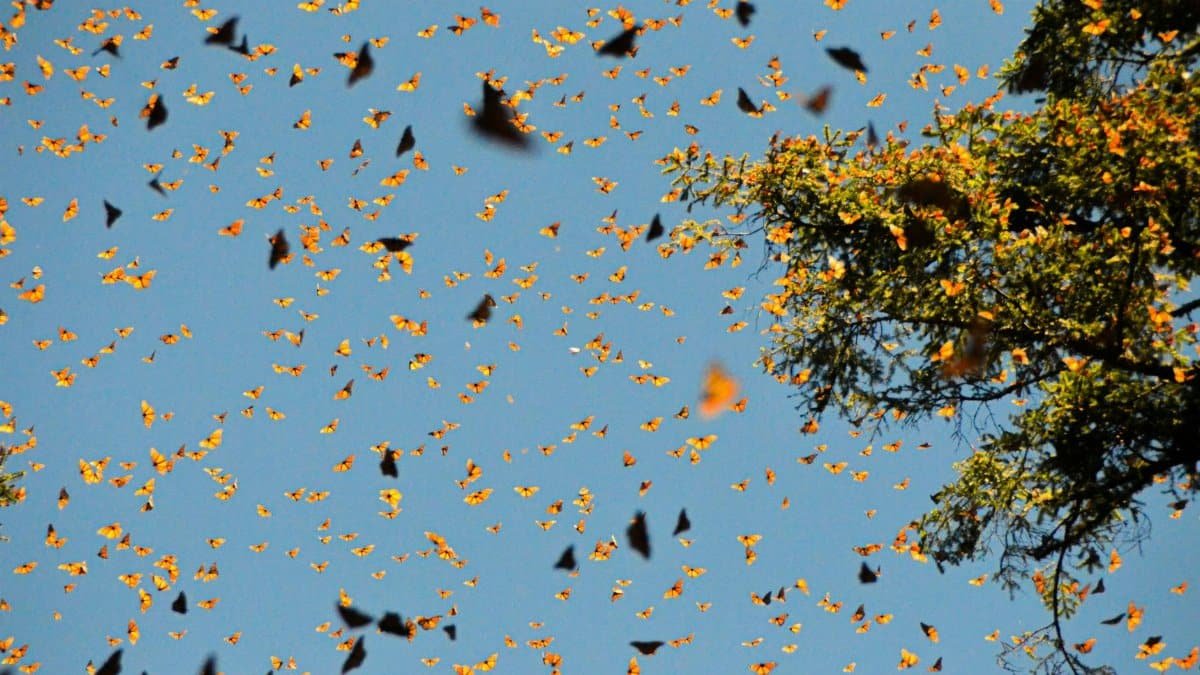
Monarch butterflies in North Carolina are starting migrations weeks early, a hasty pattern mirroring humans fleeing stressful situations impulsively. Warmer temperatures and altered plant cycles are accelerating their journeys, leaving them vulnerable.
Experts at the Xerces Society note this prematurity reduces survival rates, akin to burnout in overworked professionals. In 2025, with NC’s variable weather, these shifts highlight climate stress on delicate species, urging habitat restoration to stabilize patterns.
8. Owls Hunting in Daylight
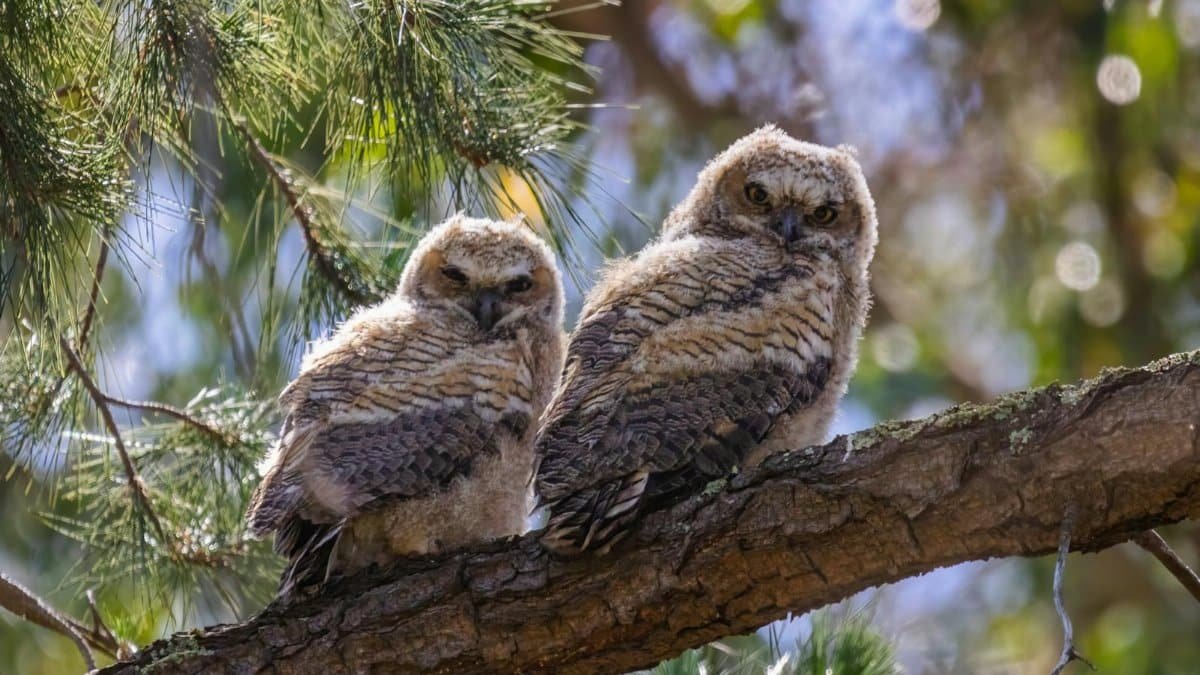
Owls, typically nocturnal hunters in North Carolina’s woodlands, are venturing out during the day. This bold change reflects desperation, similar to stressed individuals working odd hours to make ends meet. Prey scarcity from deforestation drives this adaptation.
Observations from state parks reveal barred owls scanning for food in sunlight, exposing them to risks. This mirrors human gig economy workers juggling shifts amid financial stress. Conservationists warn that without intervention, such patterns could lead to population declines, underscoring the interconnected stress between humans and wildlife.