

New data shows that 40% of Floridians report reduced stress after observing local wildlife, highlighting how ‘wildlife, actions, nervous’ behaviors offer insights into calming the human nervous system. In Florida’s diverse ecosystems, from the Everglades to coastal mangroves, animals exhibit instinctive actions that mirror strategies for nervous system regulation. These natural displays aren’t just survival tactics—they provide wisdom for human healing, energy balance, and calm. Experts say mimicking these behaviors can improve overall well-being, turning everyday nature watches into therapeutic sessions. This trend is gaining traction in 2025 as more people seek natural remedies for anxiety.
1. Alligators’ Stillness in Ambush

Florida’s iconic alligators teach a lesson in patience and nervous system control. These reptiles can remain motionless for hours, waiting for prey, which conserves energy and keeps their stress responses in check. Wildlife biologists note that this stillness prevents unnecessary adrenaline spikes, a direct parallel to human mindfulness practices. By observing gators in places like the Everglades, people learn to pause amid chaos, reducing cortisol levels. A study from the University of Florida links such observations to lowered heart rates in viewers. It’s a raw display of how inaction can be a powerful action for calm.
2. Dolphins’ Playful Social Bonds

In Florida’s coastal waters, dolphins form tight-knit pods, using playful interactions to strengthen social ties and ease tension. Their acrobatic leaps and synchronized swimming release endorphins, naturally soothing the nervous system. Researchers have found that these actions help dolphins manage environmental stressors, much like group therapy for humans. Watching bottlenose dolphins off Miami’s shores can inspire similar bonding activities, fostering emotional resilience. According to data from the National Oceanic and Atmospheric Administration, dolphin play correlates with reduced aggression, offering a model for human stress relief through fun and connection.
3. Manatees’ Slow, Gentle Foraging
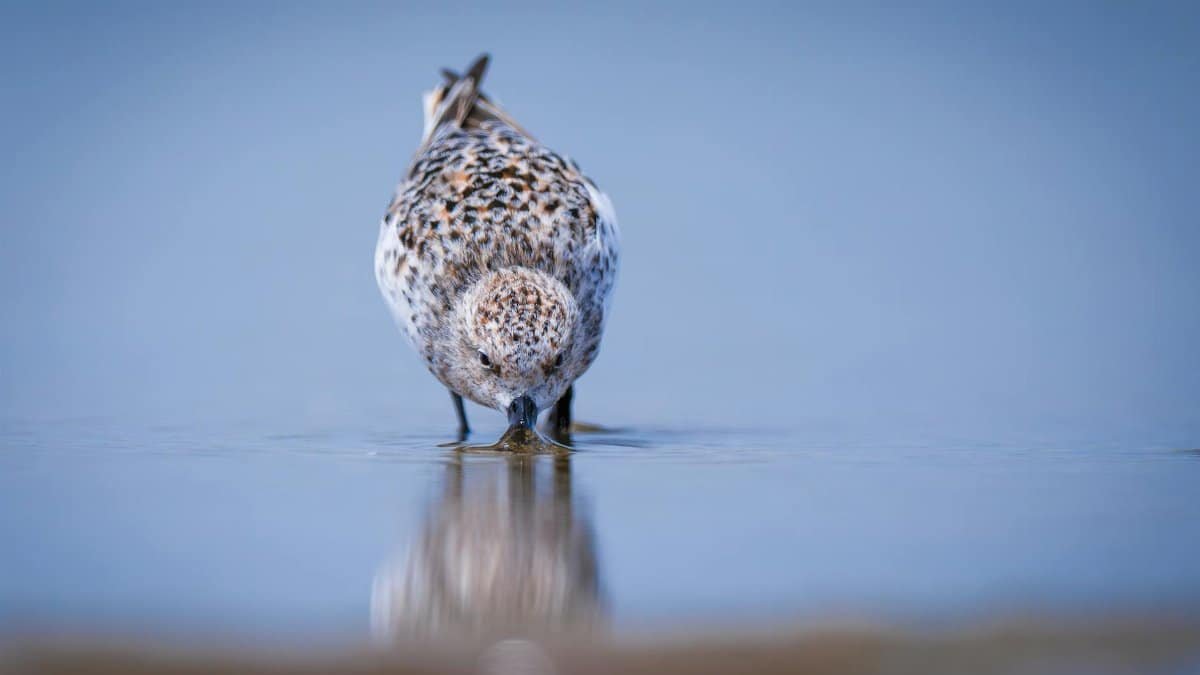
Manatees, Florida’s gentle giants, glide through seagrass beds with deliberate slowness, a behavior that exemplifies nervous system wisdom by avoiding rush-induced errors. This unhurried approach minimizes energy expenditure and promotes a state of flow, akin to meditative eating in humans. Conservationists at the Florida Fish and Wildlife Conservation Commission observe that manatees thrive in calm waters, teaching us to savor moments for better digestion and mental clarity. Emulating this can lead to improved focus and reduced anxiety, as supported by aquatic mammal behavior studies.
4. Birds’ Migratory Rhythms

Florida’s migratory birds, like the roseate spoonbill, follow precise seasonal rhythms that align with their internal clocks, preventing nervous system overload from constant change. These actions involve resting during flights and adapting to weather cues, showcasing adaptive intelligence. Ornithologists point out that such patterns help birds conserve neural energy, a strategy humans can apply through routine-building. A report from the Audubon Society highlights how birdwatching in Florida sanctuaries boosts observer mood, linking avian habits to human circadian health for sustained energy and calm.
5. Turtles’ Protective Retreats
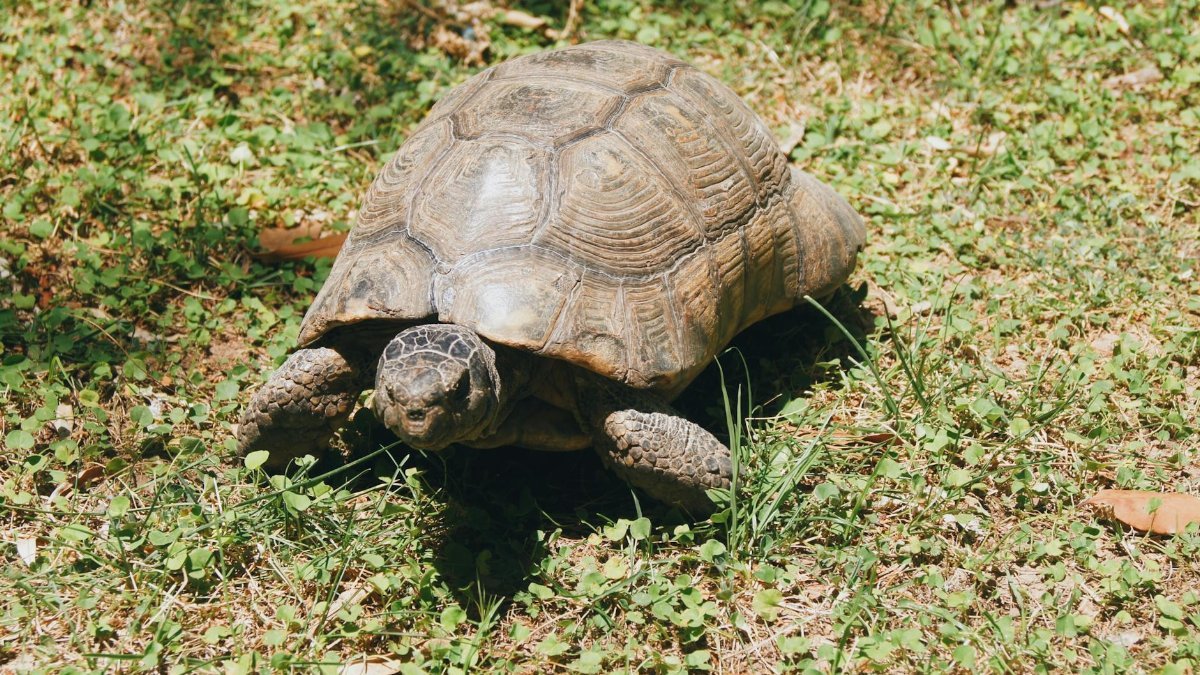
Sea turtles on Florida beaches demonstrate nervous system savvy by retreating into their shells during threats, a literal shield against stress. This instinctive withdrawal allows time for assessment, reducing panic responses. Biologists studying loggerheads note that this behavior preserves vital energy, mirroring human techniques like deep breathing pauses. Participating in turtle nesting patrols reveals how such actions promote safety and recovery, with implications for trauma healing. Links to conservation efforts show that protecting these species also aids human understanding of resilience.
6. Otters’ Energetic Yet Balanced Play

River otters in Florida’s freshwater systems balance high-energy play with rest, preventing nervous system fatigue. Their sliding and wrestling games build strength while incorporating downtime, a wise approach to maintaining vitality. Wildlife experts observe that otters’ actions enhance social cohesion and adaptability, offering lessons in joyful exertion without burnout. Studies from the Smithsonian’s National Zoo indicate similar benefits in mammals, suggesting humans adopt playful intervals for better emotional regulation and sustained calm.
7. Panthers’ Stealthy Solitude
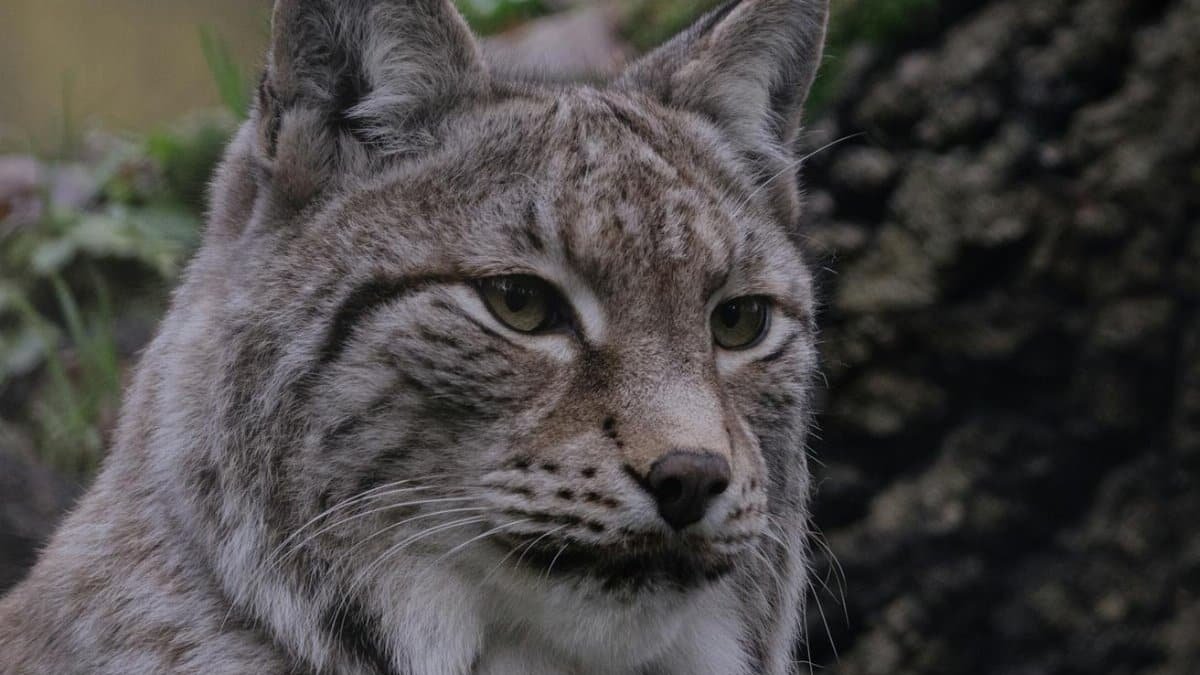
The elusive Florida panther embodies nervous system wisdom through solitary, stealthy movements that minimize encounters and stress. By choosing paths of least resistance, these big cats conserve energy and avoid conflicts, a tactic for survival in fragmented habitats. Conservation data from the U.S. Fish and Wildlife Service reveals how this isolation aids recovery from exertion, paralleling human needs for quiet reflection. Observing panther tracks in the wild encourages personal boundaries, fostering inner peace and healing through deliberate alone time.
For more on Florida’s wildlife behaviors, check out the Florida Fish and Wildlife Conservation Commission. Additional insights into animal nervous systems can be found in studies from the U.S. Geological Survey’s Florida Science Center.