

In a state like Virginia, where the hustle of urban centers like Richmond meets the serene trails of the Shenandoah Valley, pets have become unlikely anchors for many residents seeking mental balance. A recent poll by the American Psychological Association showed that over 60 percent of Americans, including a notable uptick in Southern states, report reduced anxiety levels thanks to animal companionship, a figure that’s climbed steadily since the pandemic years. This isn’t just feel-good sentiment; it’s backed by emerging research linking pet behaviors to human well-being. At the heart of it lies a fascinating interplay of instincts, support, and mental health, where our furry friends’ natural drives offer subtle yet profound relief from daily stresses. From the instinctive purring of a cat to a dog’s unwavering loyalty, these behaviors tap into something primal, fostering calm in an often chaotic world. As we navigate 2025’s lingering uncertainties, understanding these pet instincts could be key to cultivating mental ease right at home.
1. The Calming Rhythm of Purring
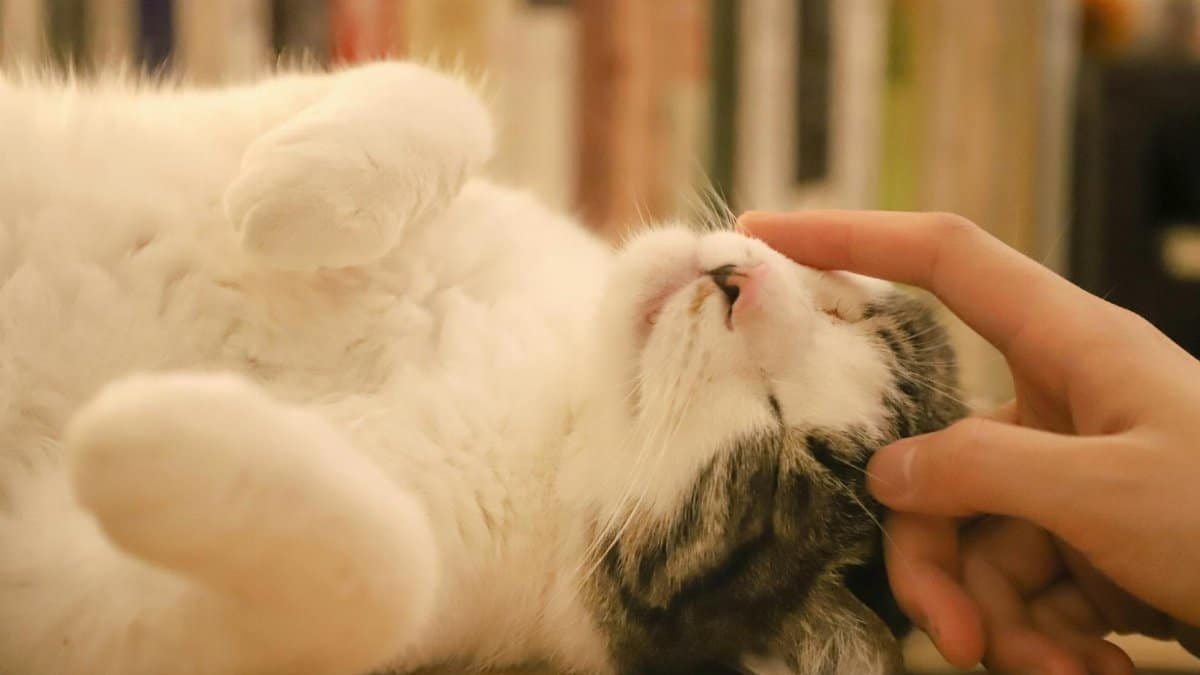
Cats have this effortless way of turning a tense evening into a soothing ritual. Their purring, often dismissed as mere contentment, actually vibrates at frequencies between 25 and 150 Hertz, which studies suggest can promote healing and reduce stress in humans. In Virginia households, where long commutes from suburbs to city jobs leave people drained, a cat settling on your lap might just be nature’s own therapy session. Imagine returning from a day at the office in Fairfax, only to have your tabby curl up and start that low rumble. It’s not magic; it’s instinctual communication, signaling safety and bonding.
One Virginia resident shared anonymously in an online forum how her rescue cat’s purring helped her through bouts of insomnia after a job loss. “It was like a lullaby I didn’t know I needed,” she recalled. This aligns with findings from the National Institutes of Health, which explore how such vibrations mimic therapeutic techniques used in physical recovery. Yet, it’s the emotional layer that stands out, the way this instinct draws us into a moment of presence, quieting the mental chatter that builds up over a week.
Of course, not every purr is identical. Some cats do it when anxious themselves, creating a shared vulnerability that strengthens the human-animal bond. In places like Charlottesville, with its mix of students and professionals, this instinct offers a nonjudgmental support system, reminding us that ease can come from the simplest interactions.
2. Tail Wags That Spark Joy

Dogs wag their tails not just out of happiness, but as an instinctive signal of approachability and emotion. This simple motion can trigger a cascade of positive feelings in owners, releasing endorphins that combat mental fatigue. Picture a brisk walk along Virginia Beach’s boardwalk, your dog’s tail thumping rhythmically against your leg, pulling you out of a ruminative loop.
Research from the American Psychological Association highlights how observing such behaviors increases oxytocin levels, the hormone tied to trust and relaxation. In Virginia’s rural pockets, like the farms dotting the Piedmont region, farmers often rely on their dogs’ enthusiastic greetings to shake off the isolation of long days. It’s a reminder that mental support doesn’t always require words; sometimes, a wag is enough to realign your mood.
But there’s nuance here. A slow wag might indicate caution, teaching us to read subtleties in our own emotions. This instinct fosters empathy, turning pet ownership into a daily lesson in emotional intelligence, especially amid 2025’s emphasis on work-life harmony.
3. Burrowing for Security

Many small pets, like rabbits or ferrets common in Virginia homes, instinctively burrow to create safe spaces. This behavior mirrors our human need for retreat, providing a visual cue that encourages owners to carve out their own mental sanctuaries. In bustling areas like Northern Virginia, where traffic and tech jobs amplify stress, watching a pet nestle into blankets can inspire similar habits.
A study published by the Frontiers in Psychology journal notes how mimicking animal instincts can enhance feelings of security, reducing cortisol levels. One anonymous account from a Richmond forum described adopting a guinea pig whose burrowing routine helped her establish a bedtime ritual, easing chronic worry. It’s these small, instinctive acts that build a foundation of mental stability.
Yet, burrowing isn’t always about hiding; it’s preparation, a proactive instinct that reminds us to anticipate needs. In Virginia’s varied climates, from humid summers to crisp falls, this adaptability translates to human resilience.
4. Grooming Rituals for Relaxation

Birds and cats alike engage in meticulous grooming, an instinct that promotes hygiene but also self-soothing. Observing this can prompt owners to adopt mindful practices, like deep breathing during a pet’s session. In Virginia’s college towns, students often find solace in watching their parakeet preen, a momentary escape from academic pressures.
According to the Centers for Disease Control and Prevention, pet interactions lower blood pressure, with grooming observation playing a subtle role. It’s fascinating how this instinct, evolved for survival, now supports our mental frameworks, encouraging patience and presence.
There’s a rhythmic quality to it, almost hypnotic, that can pull you into a meditative state. For middle-aged Virginians juggling family and careers, it’s a gentle nudge toward self-care without the fanfare.
5. Playful Antics to Alleviate Stress

Pets’ instinctive play, from a puppy’s zoomies to a kitten’s pounce, injects levity into routine days. This behavior taps into our own playful sides, countering the seriousness that often weighs on mental health. Along Virginia’s Appalachian trails, dog owners hike with companions whose antics turn exercise into joy.
Insights from animal behaviorists emphasize how play reduces aggression and builds bonds, indirectly boosting human mood. A quick game after a long day in Arlington can reset your mindset, proving that instincts aren’t just survival tools but enhancers of ease.
Play evolves with age, too; older pets might engage more subtly, teaching us that fun adapts, much like our approaches to mental well-being in 2025.
6. Loyalty as Emotional Anchor

The unwavering loyalty of dogs stems from pack instincts, offering humans a sense of belonging that’s crucial for mental health. In Virginia’s military communities around Norfolk, this bond provides stability amid frequent relocations.
Studies link such companionship to lower depression rates, as pets fulfill social needs without complexity. It’s this instinct that makes them silent supporters, absorbing our stresses through sheer presence.
Yet, loyalty demands reciprocity, reminding us to nurture relationships, a key to sustained mental ease.
7. Sensing Emotions with Empathy

Many pets instinctively pick up on human cues, adjusting behaviors to offer comfort. A dog might nuzzle closer during sadness, providing intuitive support. In Virginia’s suburban enclaves, this empathy helps families navigate life’s ups and downs.
Research underscores how this mirroring fosters emotional regulation, turning pets into natural therapists. One forum post from a Virginian detailed how her horse sensed her anxiety during rides, calming her in turn.
This instinct highlights interconnectedness, urging us to trust our own emotional radars for better mental health.
8. Routine Behaviors for Stability

Pets thrive on routines, from feeding times to walks, instilling predictability that soothes human anxiety. In fast-paced Virginia cities like Alexandria, aligning with a pet’s schedule can ground chaotic lives.
Experts note that structure combats uncertainty, a boon in uncertain times. It’s a simple instinct with profound ripple effects on mental clarity.
Routines aren’t rigid; they flex, much like Virginia’s seasons, teaching flexibility within consistency.
9. Protective Instincts for Safety

Guard dogs or even watchful cats exhibit protective behaviors that make owners feel secure, easing underlying fears. In rural Virginia areas prone to wildlife, this instinct adds a layer of reassurance.
This sense of safety directly impacts sleep and relaxation, key to mental health. As we look to 2025, embracing these instincts could redefine how we approach personal well-being, one pet at a time.