

A recent study from the American Psychological Association revealed that nearly 80% of Americans experience physical symptoms of stress, yet many overlook subtle cues their bodies send, especially in high-pressure environments like Virginia’s bustling suburbs and urban centers. This oversight can lead to chronic issues, but recognizing these quiet signals offers a path to better well-being. In a state where work commutes stretch long and community ties run deep, stress often manifests in ways tied to daily life—think the quiet tension in a Richmond office or the unspoken strain during family gatherings in Northern Virginia. What if tuning into these overlooked indicators could transform how people manage their mental load? The concept of stress signals people encounter daily isn’t new, but in 2025, with rising awareness from health campaigns, Virginians are starting to pay closer attention. This piece explores eight such signals commonly missed, drawing on expert insights and real-life observations to highlight their impact.
1. Persistent Jaw Clenching
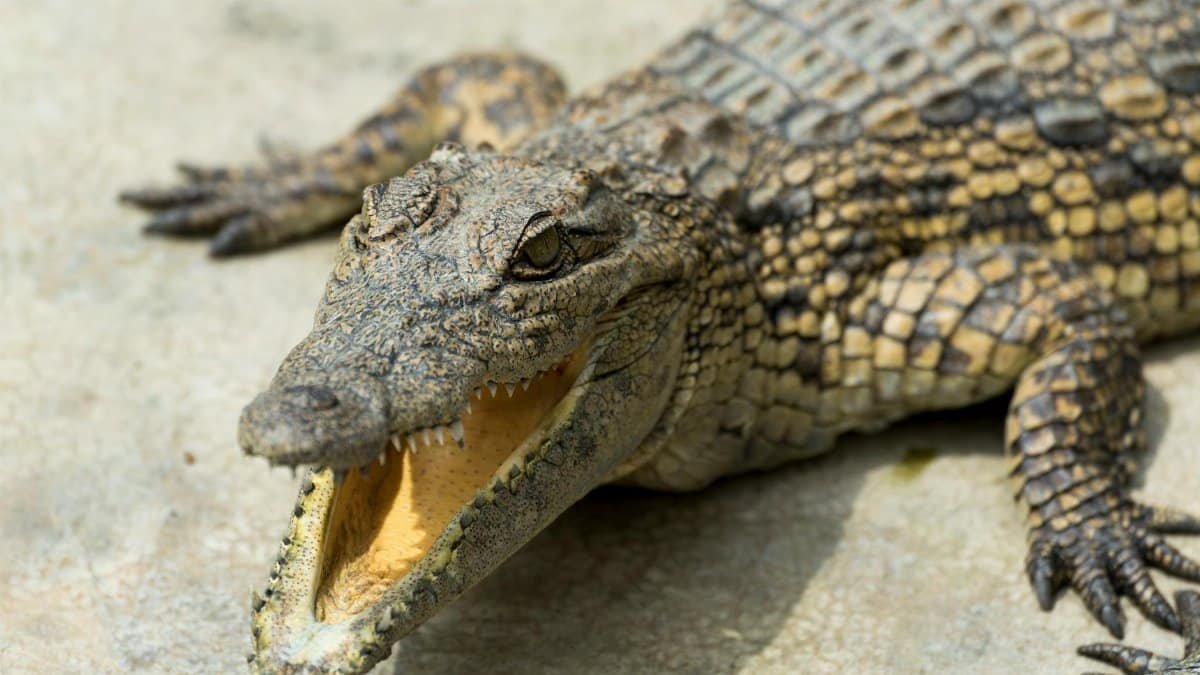
Many Virginians grind through their days without noticing how tightly they hold their jaws, a subtle sign of underlying tension. This habit often creeps in during traffic jams on I-95 or while juggling remote work calls from home offices in Alexandria. Dentists across the state report a spike in related issues, linking it to stress from economic pressures like housing costs. One local resident, anonymized here, shared in an online discussion how she only realized her clenching after waking with headaches, describing it as “a silent alarm my body was ringing for months.”
Experts explain that this clenching activates the body’s fight-or-flight response, releasing cortisol that exacerbates anxiety. A study from the American Psychological Association details how such physical manifestations can lead to temporomandibular joint disorders if ignored. To counter it, simple mindfulness techniques, like conscious relaxation exercises, can help. Picture a teacher in Fairfax County pausing mid-lesson to loosen her jaw—small acts that accumulate into greater calm. Yet, the challenge lies in awareness; without it, the signal fades into the background noise of life.
Transitions to relief aren’t always straightforward. Some find relief through yoga classes popping up in Virginia Beach studios, blending physical release with mental reset. But for others, it’s a gradual process, revealing deeper stressors like job insecurity in the tech-heavy Northern Virginia corridor.
2. Frequent Sighing

Listen closely in a Virginia coffee shop, and you might catch the soft exhales—sighs that signal more than fatigue. This involuntary breath often escapes during moments of overwhelm, from parents in Charlottesville managing school schedules to professionals in Norfolk navigating port-related deadlines. It’s the body’s way of resetting oxygen levels disrupted by shallow breathing under stress.
Research from the National Institutes of Health highlights how sighing regulates emotional states, yet people dismiss it as mere habit. In one account, a retiree from Roanoke described sighing as her “unseen companion” during lonely afternoons, only recognizing its tie to isolation after joining a community group. Such stories underscore the emotional layers beneath the surface.
Diving deeper, frequent sighing can indicate unresolved grief or anxiety, common in a state with diverse communities facing everything from natural disasters to economic shifts. Addressing it might involve journaling or therapy, tools gaining traction in 2025 wellness programs across Virginia’s universities.
Still, not every sigh spells trouble; context matters. When it pairs with other signs, though, it becomes a prompt for self-check-ins, fostering balance amid the Old Dominion’s fast pace.
3. Skin Picking or Fidgeting

In the quiet corners of Virginia’s libraries or during long meetings in state capitol buildings, subtle fidgeting emerges as a telltale stress signal. People might pick at their cuticles or twist rings, actions that provide temporary relief but hint at deeper unease. This behavior spikes in high-stakes environments, like during legislative sessions in Richmond or exam seasons at UVA.
A compelling observation comes from dermatologists noting increased cases linked to anxiety. According to a report by the Mayo Clinic, such habits can evolve into dermatillomania, a condition amplified by chronic stress. One anonymous forum post captured the frustration: “I didn’t realize my nail-biting was screaming for a break until my hands told the story.”
Exploring solutions, cognitive behavioral therapy shows promise, with clinics in Hampton Roads offering specialized sessions. Yet, the real intrigue lies in how these signals connect to Virginia’s cultural stoicism—folks often push through without pause, missing the body’s plea for rest.
Varied responses emerge; some turn to apps for habit tracking, while others find solace in nature walks along the Appalachian Trail, where the rhythm of steps drowns out inner turmoil.
4. Appetite Changes

Sudden shifts in eating patterns often fly under the radar as stress signals in Virginia households. Someone might skip meals amid the hustle of DC commutes from Arlington or binge on comfort foods after a tough day in Lynchburg’s manufacturing plants. These changes reflect the gut-brain axis, where stress disrupts hunger hormones.
Insights from the Harvard T.H. Chan School of Public Health explain how cortisol influences appetite, leading to overeating or loss of interest in food. A brief anecdote illustrates: a small-business owner in Fredericksburg recounted how stress turned her lunches into forgotten rituals, only addressed after noticing weight fluctuations.
The narrative twists when cultural factors enter—Virginia’s love for Southern cuisine can mask emotional eating as tradition. Breaking the cycle involves mindful eating practices, increasingly promoted in local health fairs.
Questions arise: Is it stress or habit? Distinguishing requires reflection, turning a missed signal into an opportunity for nutritional balance and emotional insight.
5. Sleep Disruptions
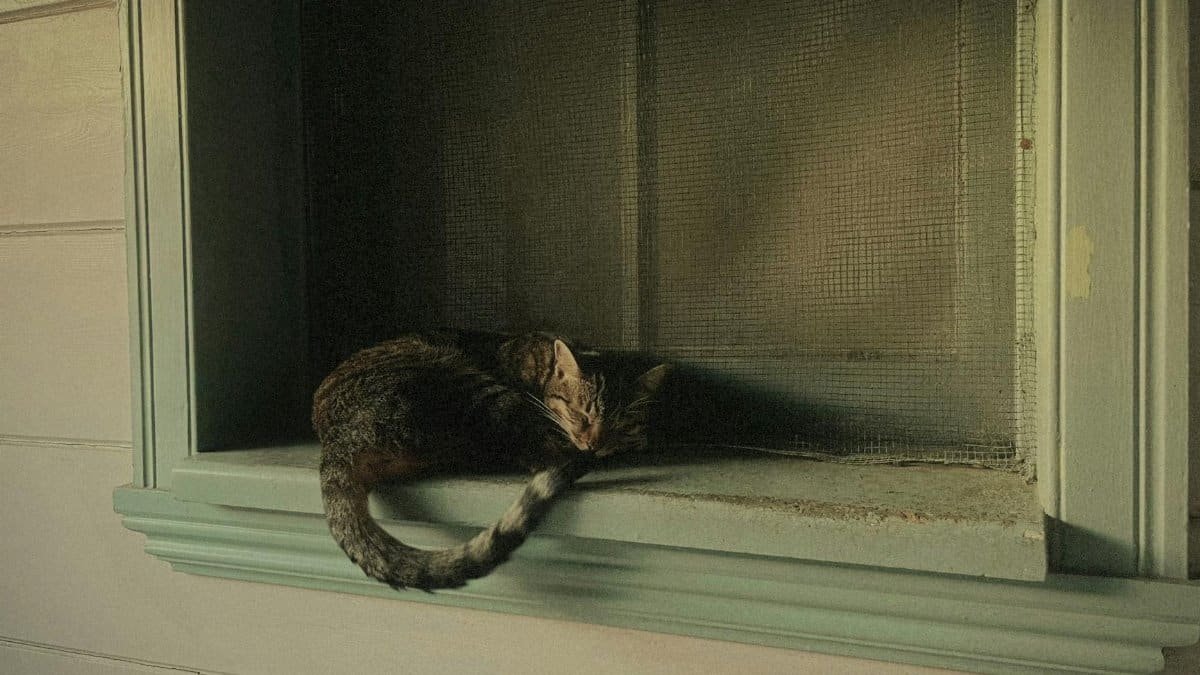
Nighttime restlessness plagues many in Virginia, from insomniacs in bustling Virginia Beach to those in quieter Shenandoah Valley towns. Waking at 3 a.m. with racing thoughts signals stress overload, yet it’s often blamed on caffeine or screens rather than deeper causes.
Studies, including one from the Centers for Disease Control and Prevention, link poor sleep to heightened stress, increasing risks for heart disease prevalent in the state. Imagine a nurse in Norfolk, her shifts bleeding into dreams, only finding patterns after tracking her habits.
Approaches vary; some embrace bedtime routines inspired by Appalachian folklore, like herbal teas, while others seek professional help. The tension here is between acceptance and action—ignoring it perpetuates the cycle, but awareness opens doors to restorative nights.
In 2025, with telehealth booming, Virginians access sleep coaches more easily, weaving modern solutions into traditional lifestyles.
6. Social Withdrawal

Pulling back from friends and family serves as a quiet distress flag, common among Virginians balancing demanding careers and community involvement. It might show in skipped barbecues in suburban cul-de-sacs or declined invitations to festivals in Williamsburg.
Psychological research from the Pew Research Center notes how stress erodes social bonds, fostering isolation. One shared experience highlighted a young professional in Tysons Corner retreating into work, later realizing it amplified her anxiety.
Reversing this involves intentional outreach, perhaps through Virginia’s vibrant volunteer scenes. Yet, the complexity: withdrawal can stem from burnout or introversion, demanding nuanced understanding.
Stories of reconnection inspire—simple coffee meetups rebuilding ties, proving that heeding this signal strengthens communal fabric.
7. Muscle Tension
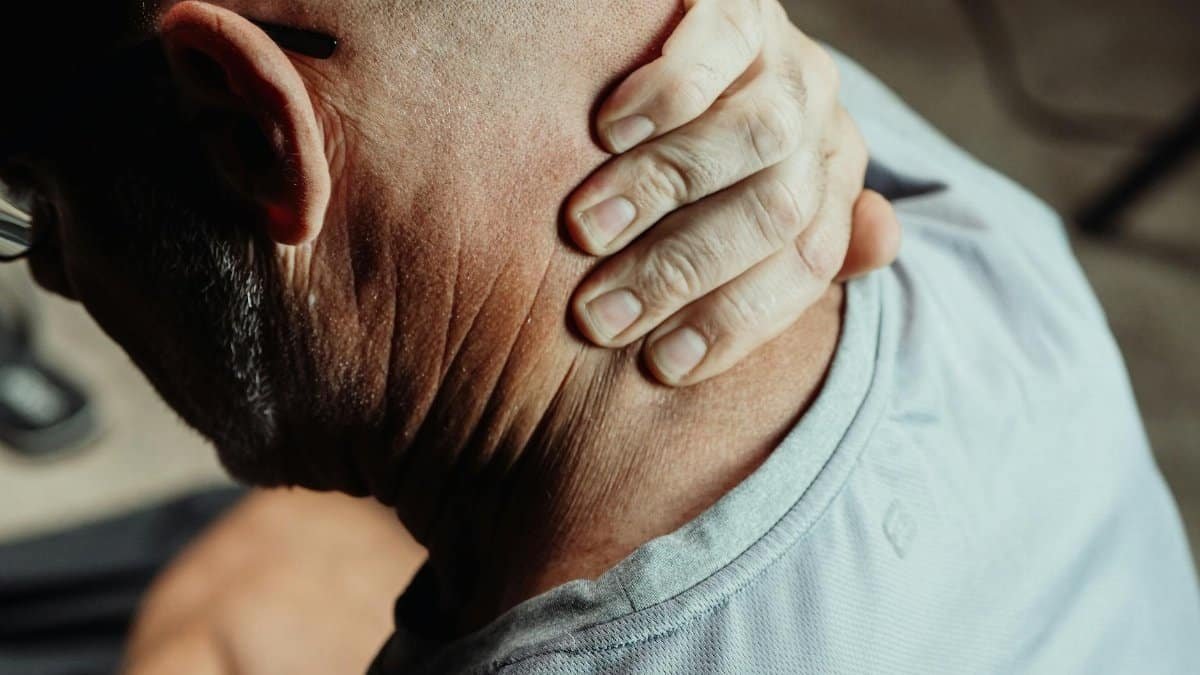
Stiff shoulders and neck aches frequently go unnoticed as stress accumulates, especially for desk workers in Virginia’s government hubs or farmers in the rural west. This tension builds like a slow storm, manifesting in daily discomfort.
A publication from the American Psychological Association details how chronic stress leads to musculoskeletal pain. Consider a lobbyist in Richmond, her knots unraveling only through massage therapy, revealing pent-up worries.
Solutions blend old and new: hot springs in Bath County offer natural relief, complemented by ergonomic advice from state health initiatives. The interplay fascinates—physical release often unlocks emotional ones.
Amid Virginia’s diverse landscapes, recognizing this signal encourages proactive care, from hikes to professional interventions.
8. Irritability Spikes

Short tempers flare unexpectedly, a stress signal masked as personality quirks in Virginia’s interpersonal dynamics. It could erupt in road rage on the Beltway or snappy exchanges at family dinners in the Piedmont region.
Findings from the National Institute of Mental Health connect irritability to elevated stress hormones. An illustrative snippet: a parent in Manassas described snapping at minor annoyances, tracing it back to work pressures.
Management strategies include breathing exercises or counseling, with community centers in places like Harrisonburg providing accessible resources. The reflection: irritability often signals overload, inviting empathy over judgment.
As Virginians navigate 2025’s challenges, tuning into this cue fosters healthier interactions, turning potential conflicts into moments of understanding.