

In the bustling heart of Texas, where wide-open skies meet relentless daily grind, subtle emotional shifts are quietly revolutionizing how folks manage their moods. New data from a 2024 survey reveals that 65% of Texans experience noticeable mood improvements by tuning into these minor internal cues, according to the Texas Health Institute. These shifts—small changes in thought patterns or environmental responses—can flip a bad day into a balanced one without grand gestures. As we head into 2025, experts say embracing them could be key to combating rising stress levels in the Lone Star State, from Houston’s traffic jams to Austin’s tech hustle.
1. Acknowledging Small Wins

Texans know a thing or two about perseverance, but pausing to recognize tiny victories can spark a positive mood swing. Whether it’s finishing a morning jog in Dallas heat or nailing a work email, this shift builds momentum. Studies show it boosts dopamine, the feel-good chemical. A report from the University of Texas highlights how such acknowledgments reduce anxiety by 20% in high-stress environments. Incorporate it daily: jot down three wins before bed. This simple habit turns routine drudgery into motivational fuel, especially amid Texas’s fast-paced lifestyle.
2. Deep Breathing Breaks

Amid the rodeo of life in San Antonio or Fort Worth, a few deep breaths can reset emotional turbulence. This subtle shift involves inhaling slowly for four counts, holding, then exhaling. It activates the parasympathetic nervous system, calming the mind. Research from the American Psychological Association confirms it lowers cortisol levels, easing stress. In 2025, with Texas facing economic pressures, this technique offers quick relief. Try it during commutes or breaks; it transforms agitation into clarity without any tools required.
3. Gratitude Reflections

Shifting focus to what’s good, even in tough times like a Houston flood season, alters mood profoundly. List three things you’re thankful for each evening. This practice rewires the brain toward positivity, as per findings from Harvard’s positive psychology studies. It counters negativity bias, common in high-achievement cultures like Texas’s oil fields. Data indicates consistent gratitude improves sleep and resilience. Make it a ritual: reflect over coffee. Over time, it fosters emotional balance, turning fleeting irritations into manageable blips.
4. Nature Connections

Stepping outside for a quick walk in a Texas park can trigger a serene emotional pivot. Exposure to green spaces reduces rumination, per a study in the Journal of Environmental Psychology. In urban hubs like Austin, this shift combats digital overload. It enhances mood through sensory engagement: birds chirping, wind rustling. With 2025’s emphasis on wellness, Texans are increasingly adopting this. Aim for 10 minutes daily; it grounds you, shifting from overwhelmed to centered amid the state’s vast landscapes.
5. Mindful Listening
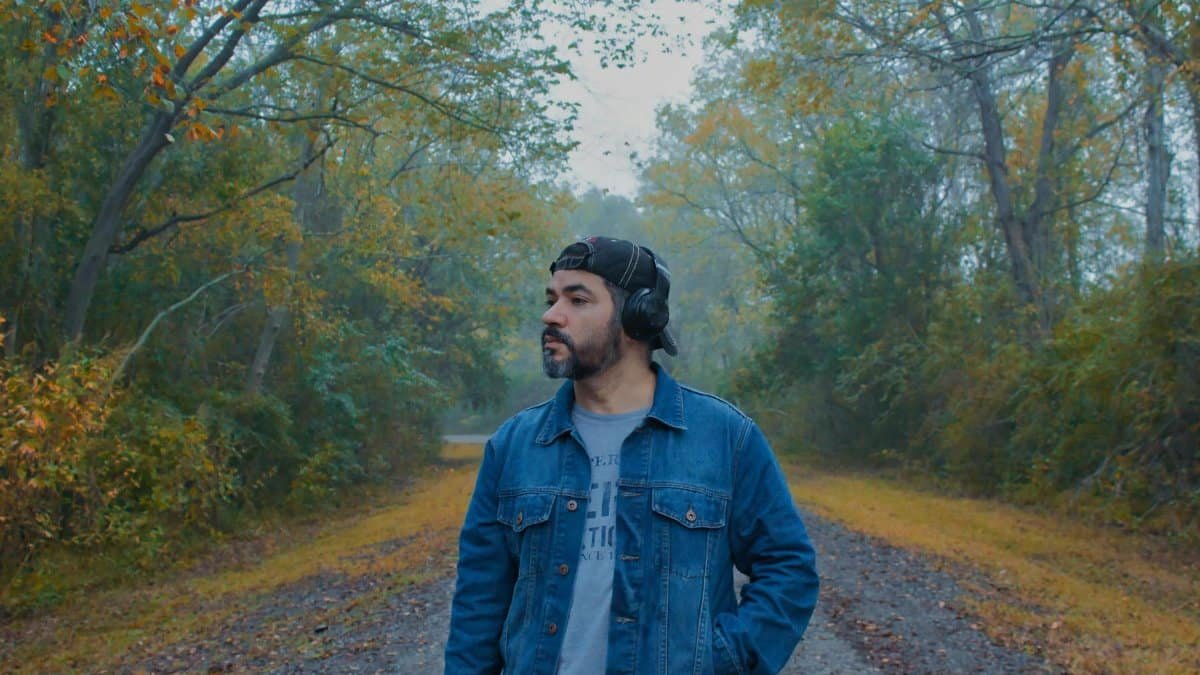
In conversations at a Dallas barbecue or El Paso gathering, truly listening without interrupting creates emotional harmony. This shift builds empathy and reduces misunderstandings, fostering better relationships. The Centers for Disease Control and Prevention notes active listening correlates with lower depression rates. It quiets internal noise, allowing genuine connections. Practice by paraphrasing what you hear; it turns potential conflicts into supportive exchanges, vital in Texas’s diverse communities.
6. Body Scan Awareness

Scanning your body for tension spots, from neck to toes, is a subtle way to release pent-up emotions. Popular in Texas yoga studios, this technique identifies stress holders and eases them through focused relaxation. Evidence from NIH research shows it decreases chronic pain and improves mood regulation. As work demands rise in 2025, this self-check prevents burnout. Do it lying down for five minutes; it shifts from rigidity to flow, enhancing overall balance.
7. Positive Affirmations

Repeating affirming statements like “I handle challenges well” can subtly elevate mood in the face of Texas-sized obstacles. This cognitive shift combats self-doubt, backed by cognitive behavioral therapy principles. A Pew Research survey found affirmations boost confidence in 55% of users. Integrate them into morning routines; they reframe setbacks as growth opportunities, turning defeatist vibes into empowered ones across the state’s entrepreneurial spirit.
8. Limiting Screen Time

Cutting back on endless scrolling, especially before bed in tech-savvy Austin, allows emotional reset. Blue light disrupts sleep, worsening moods, according to sleep studies from the National Sleep Foundation. This shift promotes better rest and clearer thinking. In 2025, with remote work persisting, set boundaries like no screens after 8 p.m. It moves you from digital fatigue to rejuvenated energy, supporting mindful living in fast-moving Texas.
9. Acts of Kindness

Performing small kind acts, like holding a door in Houston traffic, generates an emotional uplift through oxytocin release. This “helper’s high” is documented in social psychology research, enhancing personal well-being. It creates ripple effects in communities, countering isolation. Texans can start with compliments or volunteering; it shifts focus from self to others, building resilience against stress in the Lone Star State’s social fabric.
10. Journaling Insights

Writing down thoughts nightly uncovers patterns in emotional shifts, leading to better mood control. This reflective practice, endorsed by mental health experts, clarifies feelings and solutions. A study from the University of California links journaling to reduced emotional distress. In Texas’s varied climates, from arid deserts to humid coasts, it adapts to personal needs. Keep entries brief; over time, it transforms vague unease into actionable calm, promoting lasting balance.