
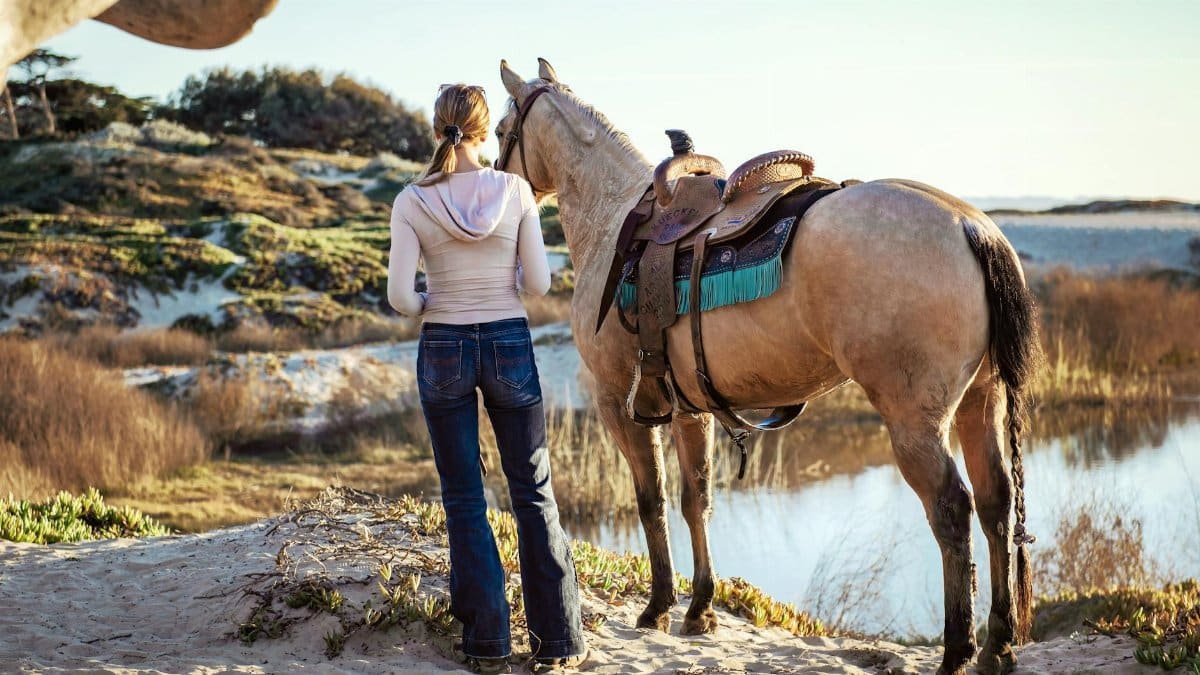
A recent survey by the American Psychological Association found that 76% of Californians report heightened stress levels due to factors like wildfires and urban sprawl, a sharp rise from a decade ago. This statistic underscores a fascinating parallel: the ways animals in the Golden State exhibit patterns that echo our own emotional turmoil. From the frantic migrations of birds amid changing climates to the territorial aggressions of urban wildlife, these behaviors offer a mirror to human experiences. In exploring animal patterns that reflect our stress, we uncover insights into resilience and adaptation. It’s not just about observation; it’s about recognizing shared vulnerabilities in a state where nature and humanity intersect dramatically. As California grapples with environmental pressures in 2025, these patterns invite us to pause and consider what they reveal about our collective psyche.
1. The Erratic Flight of Monarch Butterflies
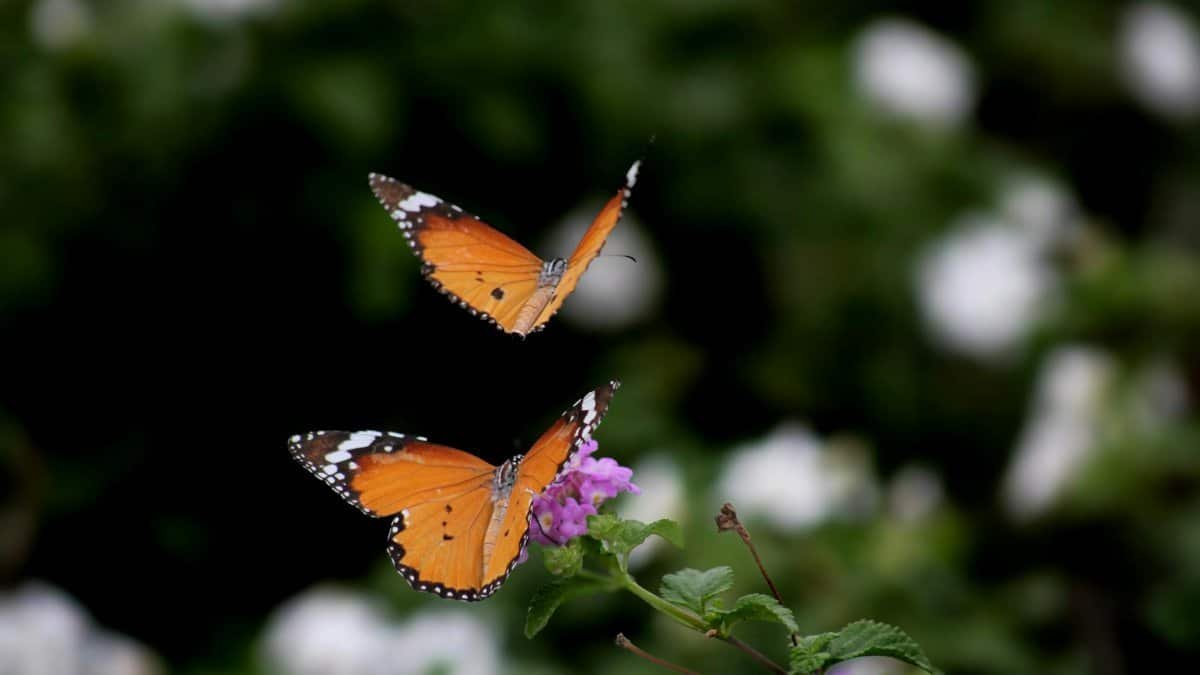
Monarch butterflies, once a staple of California’s coastal groves, now show disrupted migration routes that speak volumes about instability. These insects traditionally journey thousands of miles, but habitat loss from development and climate shifts has thrown their paths into chaos. Picture a swarm veering unpredictably, much like a stressed commuter dodging traffic on the 405 freeway. This mirrors the disorientation many Californians feel amid job insecurity or housing crises. Researchers note that such erratic patterns stem from environmental stressors, forcing adaptations that aren’t always successful. One study highlights how pesticide exposure alters their navigation, leading to population declines. It’s a poignant reminder of how external pressures can derail even the most instinctive journeys.
Delving deeper, these butterflies’ struggles resonate with human narratives. A recent anonymous account shared publicly described a person’s own “migration” from city to countryside, fleeing urban burnout, only to find similar disarray in rural life. The parallel isn’t coincidental; both reveal a quest for stability in turbulent times. For more on this, see the U.S. Fish and Wildlife Service’s monarch conservation page, which details ongoing efforts to restore habitats.
2. Coyote Pack Dynamics in Urban Sprawl
In Los Angeles suburbs, coyotes have adapted to city life, but not without displaying heightened aggression that echoes human territorial stress. These canines form tighter packs, defending shrinking territories against encroachment. It’s like watching neighbors feud over parking spots during rush hour. This behavior intensifies under food scarcity, a direct result of habitat fragmentation. Experts observe that such patterns lead to more human-wildlife conflicts, reflecting our own frayed nerves in crowded environments.
Yet there’s nuance here. Some packs show remarkable cooperation, sharing resources in ways that suggest coping mechanisms. This duality captures the push-pull of stress: fight or adapt. In California, where urban expansion continues apace, these dynamics offer lessons in boundary-setting. A report from the University of California details these interactions, providing data on coyote behavior shifts.
3. Salmon Spawning Struggles in Altered Rivers
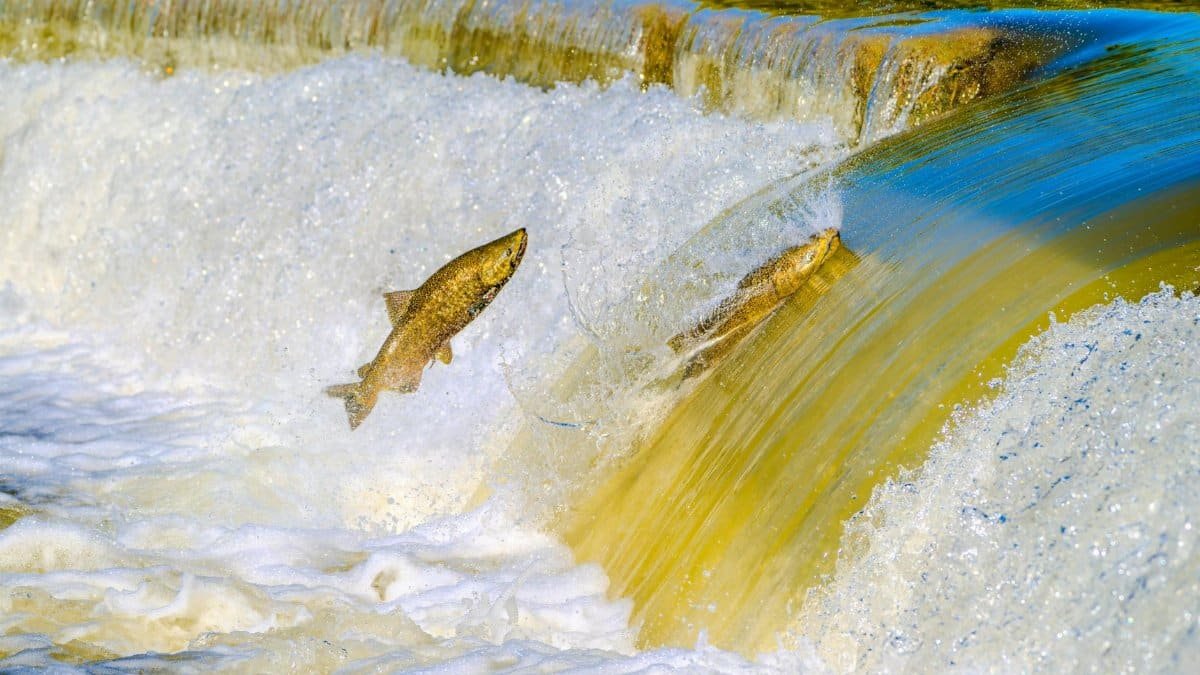
Consider the Chinook salmon battling upstream in California’s drought-stricken rivers. Their spawning runs, once robust, now falter due to low water levels and barriers like dams. This exhausting effort parallels the burnout many feel pushing through daily grinds. The fish expend enormous energy, often failing to reach breeding grounds, a stark image of unfulfilled potential under stress.
Interviews with fisheries biologists reveal that warmer waters exacerbate the issue, disrupting hormonal patterns essential for reproduction. It’s a cycle of frustration, much like endless Zoom meetings draining one’s vitality. But glimmers of hope emerge in restoration projects, where removing obstacles allows revival. For insights, check the NOAA Fisheries Chinook salmon page, outlining conservation strategies.
4. Bird Flocking Behaviors Amid Wildfires
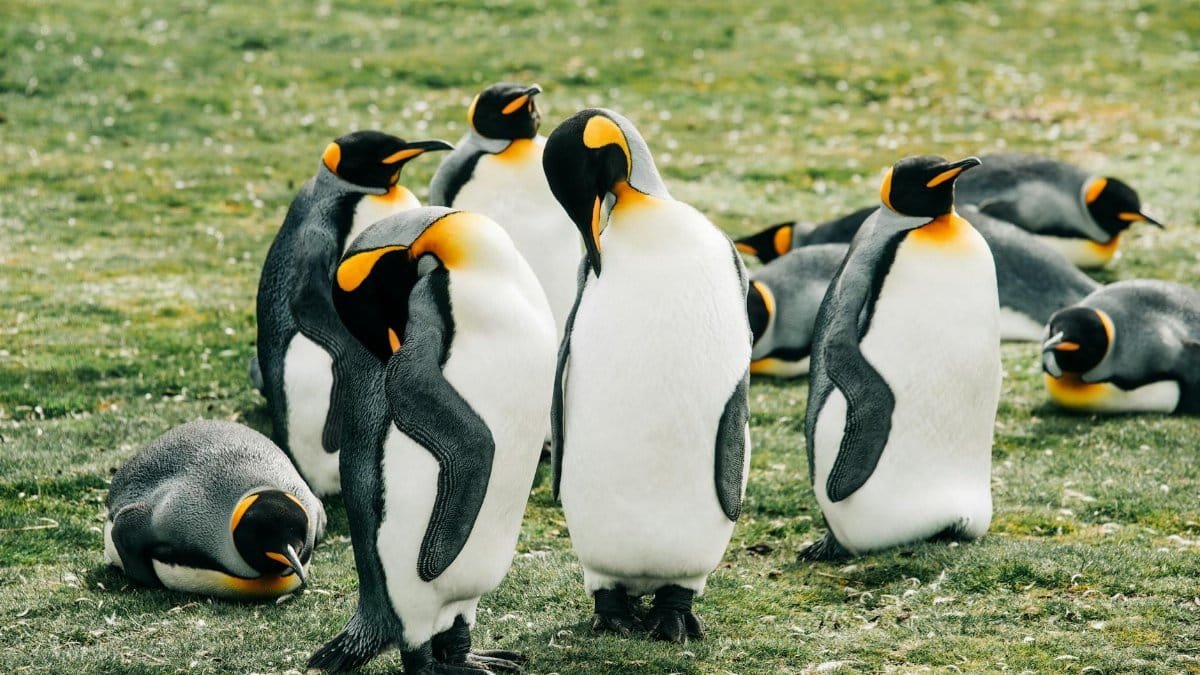
As wildfires ravage California’s landscapes, birds like the California scrub-jay exhibit frantic flocking shifts. Normally solitary, they cluster in larger groups for safety, a response that mirrors human evacuations during fire seasons. The chaos of smoke-filled skies prompts erratic movements, disrupting feeding and nesting.
This isn’t mere survival; it’s a reflection of collective anxiety. One ornithologist described it as “a feathered panic,” where birds vocalize more intensely, akin to heated social media debates during crises. In 2025, with fire risks escalating, these patterns highlight communal resilience. Yet they also warn of long-term habitat loss, forcing species to adapt or perish.
5. Sea Lion Haul-Outs and Overcrowding
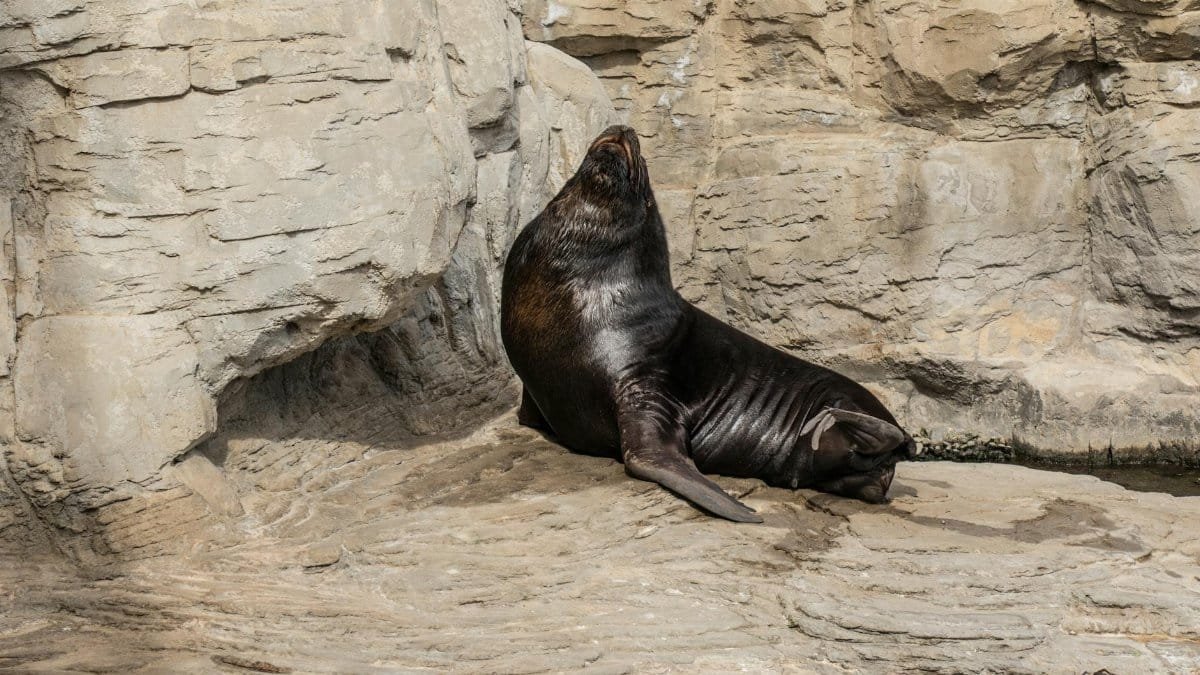
On California’s beaches, sea lions crowd haul-out sites, leading to aggressive interactions that echo human overcrowding stress. With populations rebounding but habitats limited, these marine mammals jostle for space, barking loudly in disputes. It’s reminiscent of packed public transit during peak hours, where tempers flare.
Beyond the noise, this behavior affects health, with stress hormones rising in dense groups. Marine biologists note increased disease transmission, paralleling urban health challenges. A brief snapshot: during a recent observation, a dominant male chased off rivals, securing a prime spot, much like office politics under pressure. The NOAA’s California sea lion overview provides detailed population data.
6. Ant Colony Responses to Drought
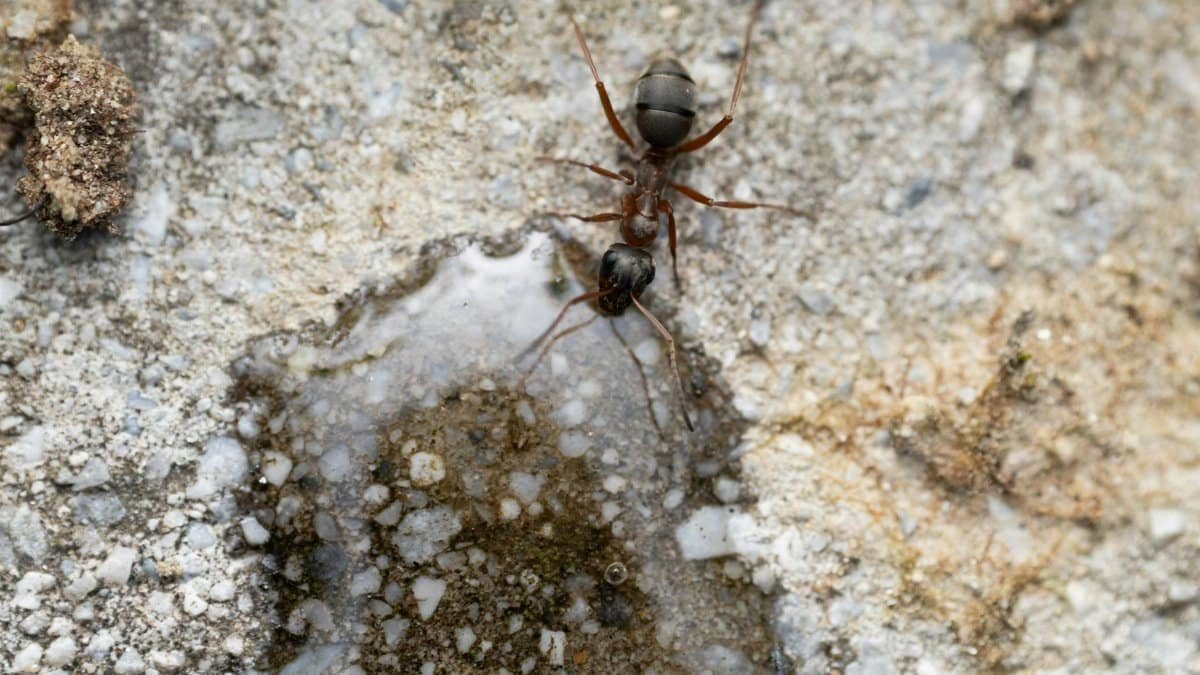
In the arid expanses of Southern California, ant colonies display frantic foraging patterns when water is scarce. Workers venture farther, risking predation, to sustain the hive—a microcosm of human resource struggles in economic downturns. These tiny architects rebuild tunnels obsessively, adapting to shifting soils.
What’s striking is their efficiency under duress. Colonies prioritize essential tasks, shedding non-vital activities, much like individuals streamlining lives during stressful periods. Online discussions often echo this, with one account likening personal budgeting to an ant’s meticulous planning. It underscores a universal drive for order amid chaos.
7. Deer Migration in Fragmented Habitats
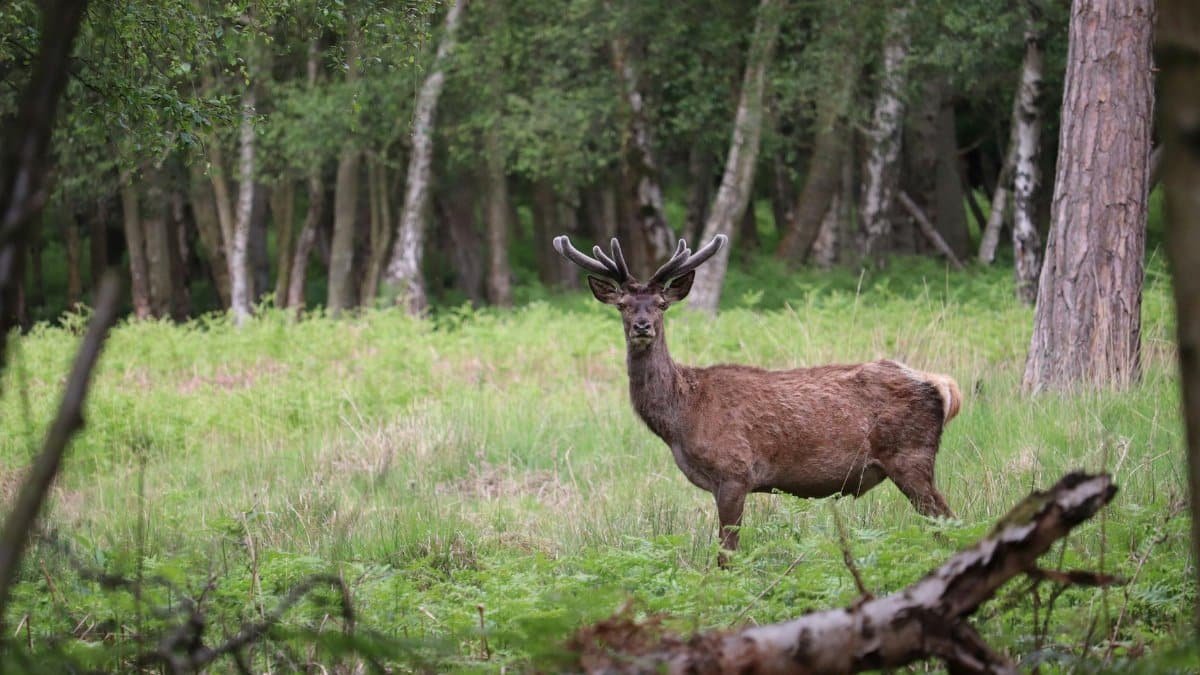
Mule deer in California’s Sierra Nevada navigate fragmented forests, their migration paths interrupted by highways and developments. This leads to hesitant, zigzagging movements that reflect the indecision of stressed decision-making. Herds pause longer at barriers, energy depleted from constant vigilance.
Conservationists track these shifts, noting higher mortality rates from vehicle collisions. Yet some deer innovate, finding underpasses as safe passages. This adaptability inspires, suggesting that even in stress, new routes emerge. For more, refer to the California Department of Fish and Wildlife’s deer conservation section.
8. Owl Hunting Patterns Under Light Pollution
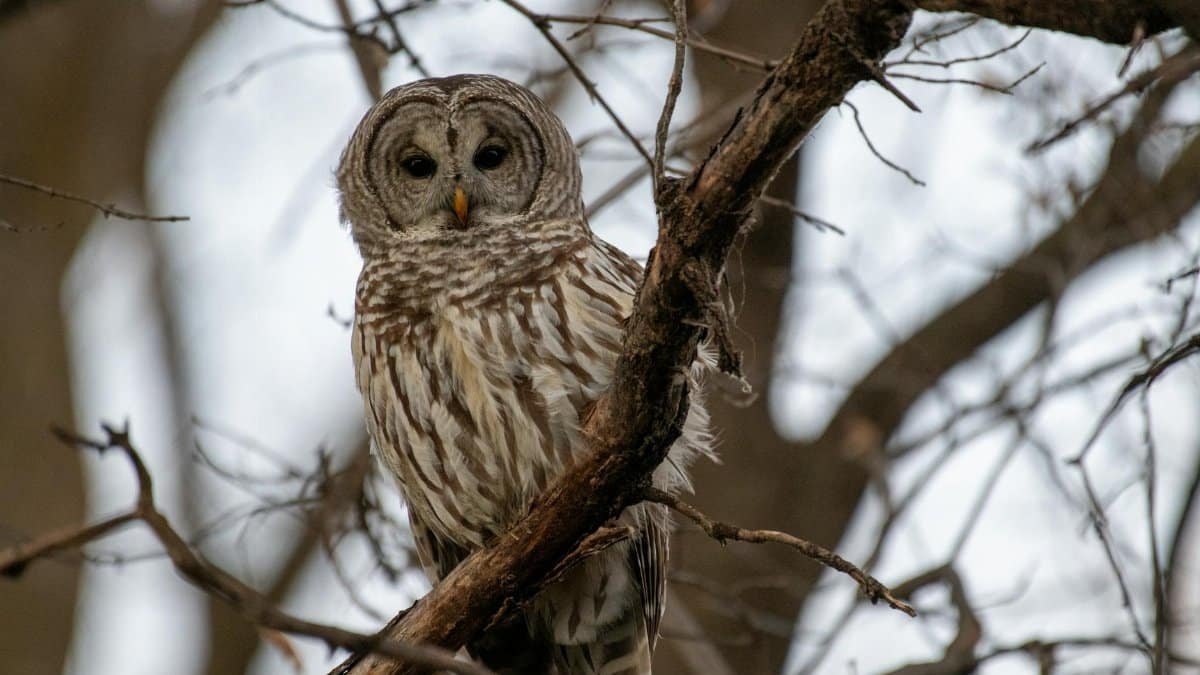
Barn owls in urban California face disrupted hunting due to artificial lights, leading to inefficient nocturnal forays. Their once-precise dives become erratic, mirroring sleep-deprived humans fumbling through tasks. Light pollution confuses prey detection, increasing energy expenditure.
In quieter moments, these birds adapt by shifting territories, a subtle rebellion against encroachment. It speaks to the broader impact of human activity on natural rhythms, urging us to dim the glare. Studies show population dips in lit areas, highlighting the cost of our illuminated nights.
9. Bee Hive Activity in Polluted Areas
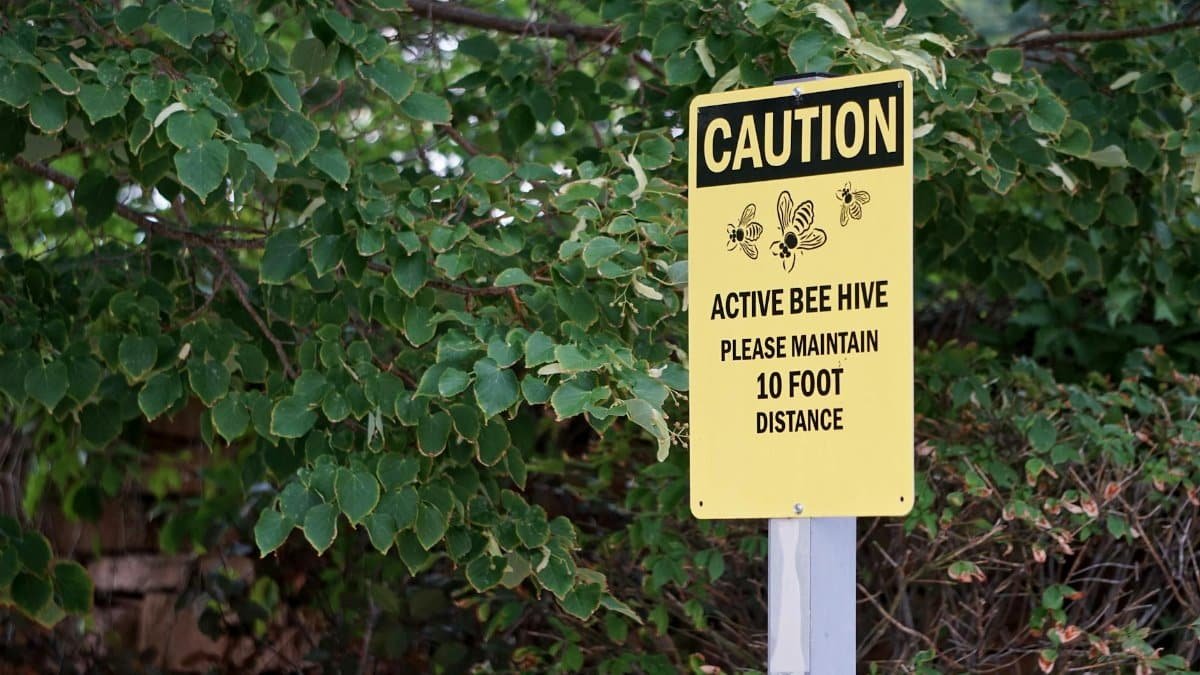
Honeybees in California’s agricultural heartlands exhibit stressed hive behaviors amid pesticide exposure. Foraging patterns shorten, with workers returning disoriented, akin to mental fog from chronic stress. Colonies produce less honey, survival hanging by a thread.
Yet beekeepers report resilient strains that bolster defenses, offering hope. This resilience parallels therapeutic practices gaining traction in 2025, where mindfulness counters environmental toxins. A compelling quote from a farmer: “They’re fighting just like we are.” The narrative weaves a tale of mutual endurance.
10. Fox Territorial Shifts in Suburban Edges
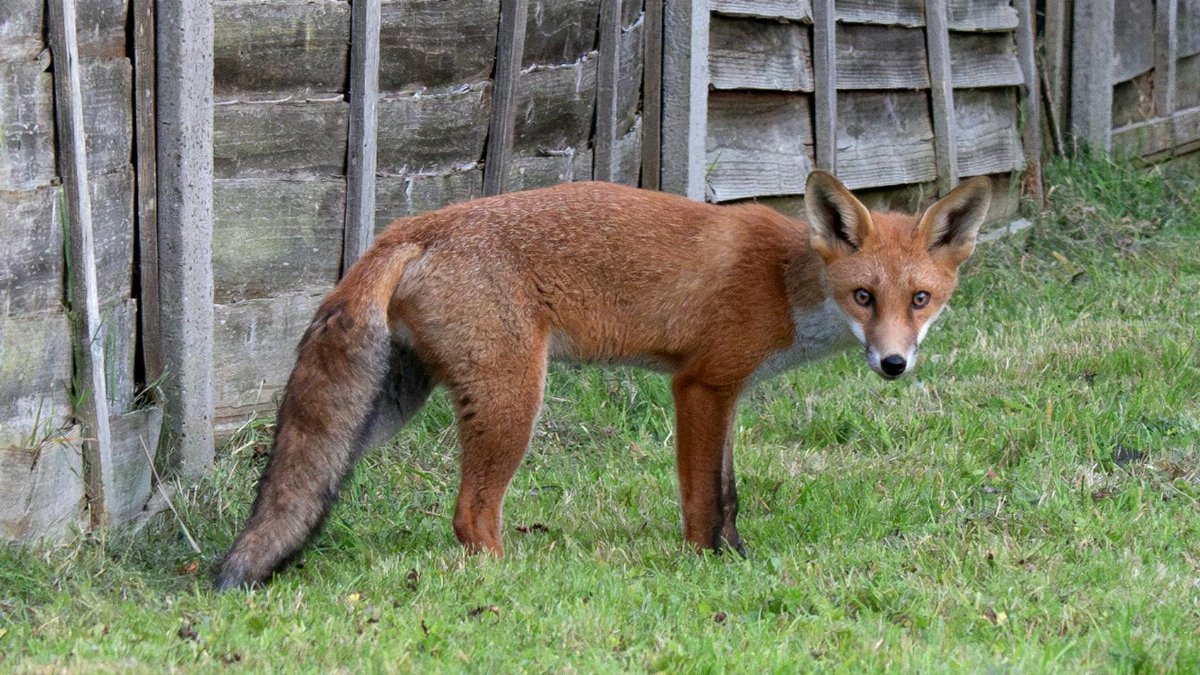
Gray foxes on the fringes of California’s suburbs shift territories frequently, driven by human expansion. Their elusive movements become more guarded, reflecting paranoia in high-stress environments. Scavenging turns competitive, with bolder raids on trash bins.
This adaptation breeds cunning, as foxes learn to evade traps and dogs. It’s a story of wits prevailing, much like entrepreneurs navigating economic uncertainties. In reflecting on these patterns, we see our own capacity for clever survival. Tying back to broader trends, such behaviors underscore the interconnectedness of wildlife and human stress in a changing state.