
In a fast-paced world, more Americans are seeking natural ways to find peace. New data from a 2024 survey by the National Center for Complementary and Integrative Health shows that 35% of adults in the Northeast, including Pennsylvania, now incorporate herbal remedies into their routines for stress relief. This surge highlights how herbs support inner calm, offering a gentle alternative to pharmaceuticals amid rising anxiety levels. As Pennsylvanians face daily pressures from work and urban life, these plants are gaining traction for their soothing effects, backed by centuries of use and modern studies.
1. Chamomile
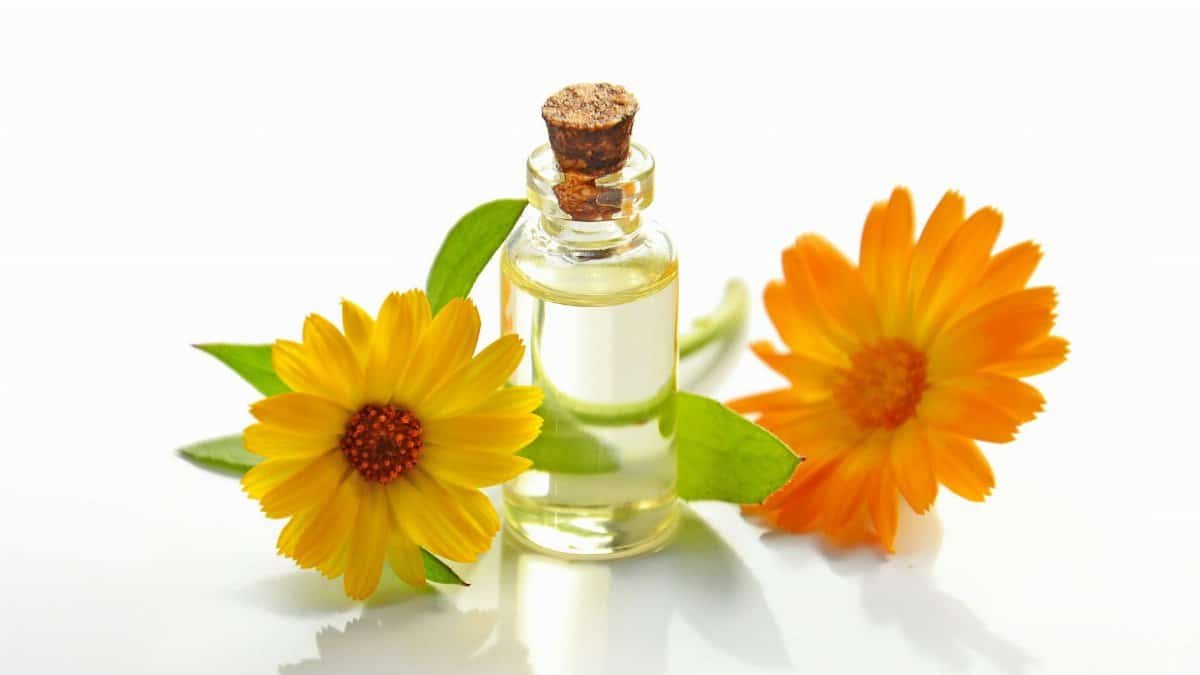
Chamomile tops the list for its mild sedative properties. This daisy-like herb has been a go-to in Pennsylvania’s herbal traditions, especially in rural areas where it’s grown locally. Studies indicate it binds to brain receptors, promoting relaxation without drowsiness. A cup of chamomile tea before bed can ease racing thoughts, making it ideal for those battling insomnia tied to stress. In 2025, with mental health awareness on the rise, experts note its accessibility in local farmers’ markets across the state.
Research from the National Center for Complementary and Integrative Health supports its use for mild anxiety. Pennsylvania’s Amish communities have long sworn by it, blending tradition with modern wellness trends.
2. Lavender
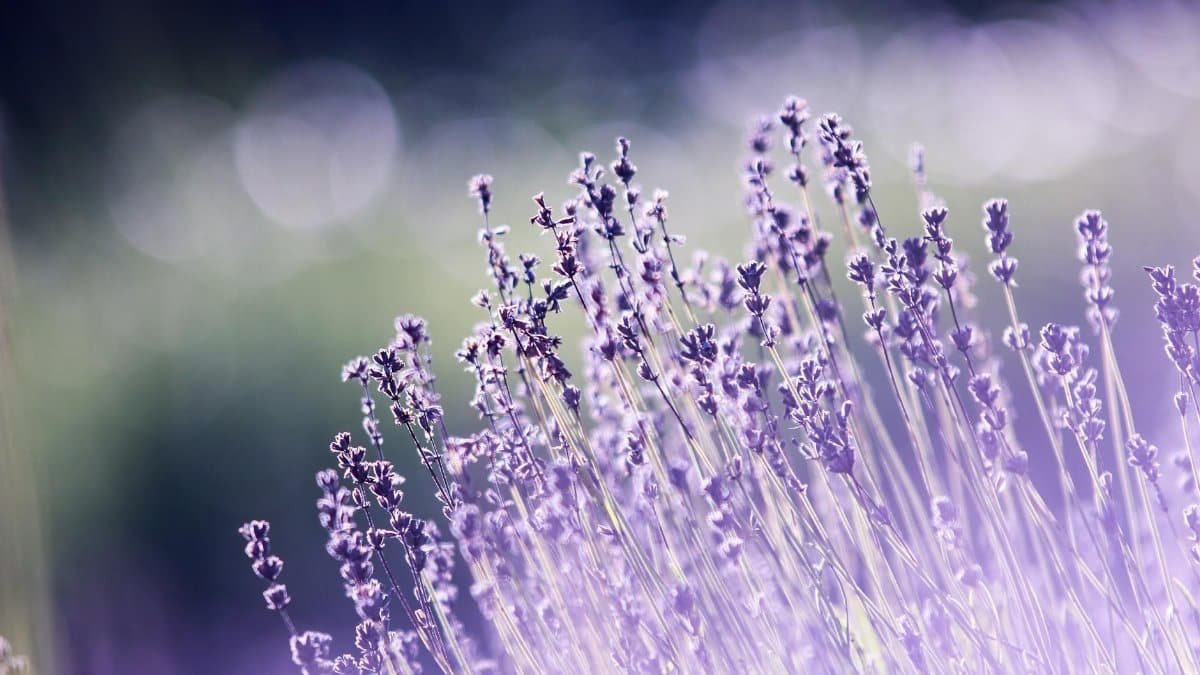
Lavender’s aromatic power is unmatched for calming the mind. Native to Mediterranean regions but cultivated in Pennsylvania’s lavender farms, like those in Bucks County, it reduces cortisol levels through inhalation or topical use. Essential oil diffusers filled with lavender are popping up in homes from Philadelphia to Pittsburgh, helping users unwind after long days.
A study published in the Journal of Alternative and Complementary Medicine found it effective for generalized anxiety. For Pennsylvanians dealing with seasonal affective disorder in winter, lavender provides a sensory boost, fostering inner support without side effects.
3. Valerian Root
Valerian root acts as nature’s tranquilizer, enhancing GABA levels in the brain for deeper calm. Available in tinctures or capsules at health stores statewide, it’s particularly popular among shift workers in industrial hubs like Allentown. Unlike synthetic sleep aids, it doesn’t cause dependency, making it a safe choice for long-term use.
Evidence from the Office of Dietary Supplements at NIH confirms its role in improving sleep quality. In Pennsylvania, where blue-collar jobs amplify stress, valerian is emerging as a key herb for inner balance.
4. Ashwagandha

This adaptogenic herb from Ayurvedic medicine helps the body adapt to stress. Grown in some Pennsylvania greenhouses, ashwagandha lowers inflammation and balances hormones, supporting emotional resilience. Users report better focus and reduced fatigue, crucial in a state with high demands from education and tech sectors.
Clinical trials, including one in the Indian Journal of Psychological Medicine, show it cuts anxiety scores by up to 44%. As 2025 brings more emphasis on holistic health, ashwagandha is becoming a staple for those seeking herbs to support inner stability.
5. Lemon Balm
Lemon balm, with its citrusy scent, uplifts mood while soothing nerves. Easy to grow in Pennsylvania gardens, it’s used in teas to combat restlessness. It modulates thyroid function and eases digestive issues linked to stress, offering comprehensive relief.
Research from the University of Maryland Medical Center highlights its anti-anxiety effects. In urban areas like Harrisburg, where traffic and noise heighten tension, lemon balm provides a quick, natural way to restore calm.
6. Passionflower
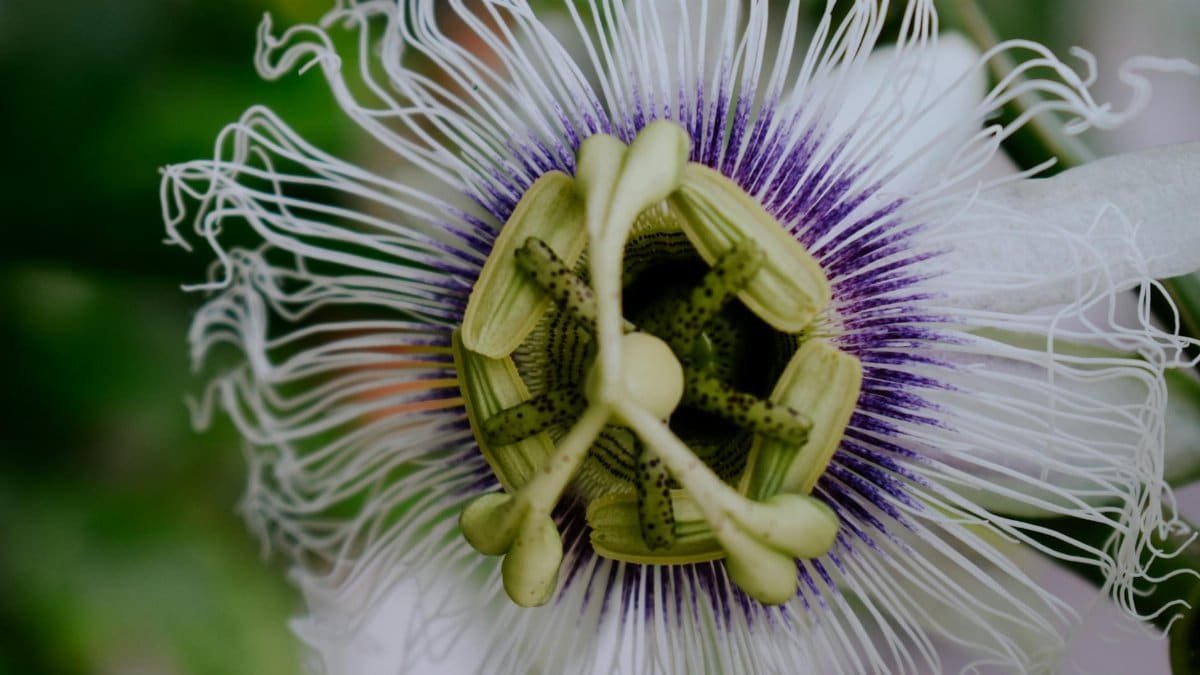
Passionflower vine extracts boost brain chemicals that induce relaxation. Though not native, it’s available through Pennsylvania’s herbal suppliers and online. It’s effective for mild anxiety and sleep disturbances, often combined with other herbs for amplified benefits.
A study in Phytotherapy Research supports its use for nervous restlessness. For residents in the Keystone State facing economic uncertainties, passionflower aids in maintaining inner peace without grogginess.
7. Holy Basil

Holy basil, or tulsi, is revered for its stress-busting properties. Adaptogenic like ashwagandha, it regulates cortisol and enhances mental clarity. Pennsylvania’s wellness shops stock it as tea or supplements, appealing to those in high-stress professions like healthcare.
Findings from the Journal of Ayurveda and Integrative Medicine back its efficacy. Amid 2025’s focus on preventive care, holy basil is gaining ground for supporting inner harmony in daily life.
8. Rhodiola

Rhodiola rosea combats fatigue and burnout by improving serotonin and dopamine levels. Sourced from cold climates but available locally, it’s a favorite among Pennsylvania athletes and executives for sustained energy without jitters.
Research in Phytomedicine demonstrates its antidepressant effects. In a state with diverse climates, from mountains to cities, rhodiola helps users navigate seasonal stress for better inner support.
9. Skullcap

American skullcap rounds out the list, known for its nervine qualities that quiet an overactive mind. Harvested in Pennsylvania’s wild areas, it’s used in tinctures to alleviate tension headaches and promote restful sleep.
Studies from the American Botanical Council note its potential for anxiety relief. As more Pennsylvanians turn to local botanicals in 2025, skullcap stands out for its role in fostering deep, inner calm.
These herbs offer accessible paths to tranquility, but consult a doctor before starting, especially if on medications. With Pennsylvania’s growing interest in natural remedies, incorporating herbs that support inner well-being could transform daily routines.