
In a state known for its historic charm and bustling corridors of power, a surprising statistic emerges from recent health data. According to a 2024 report by the Virginia Department of Health, nearly 40 percent of residents report elevated stress levels, yet many overlook the subtle cues their bodies send. This figure, up from just 25 percent a decade ago, underscores a growing challenge in the Old Dominion. Amid the demands of life in places like Richmond or Northern Virginia, where commutes tangle with career pressures, people often miss these quiet alarms. What if recognizing stress, signals, people could change that? Experts suggest that tuning into these overlooked indicators isn’t just about survival; it’s key to thriving in a fast-paced environment. As Virginians navigate everything from coastal storms to Capitol Hill echoes, understanding these signs offers a path to better emotional balance.
1. The Subtle Twitch of Eye Strain

Picture a typical workday in Arlington, where screens dominate the landscape. Many Virginians spend hours glued to computers, unaware that persistent eye twitching signals deeper stress. This involuntary flicker, often dismissed as fatigue, actually stems from heightened cortisol levels straining the nervous system. A study from the American Optometric Association highlights how chronic stress exacerbates such symptoms, linking them to reduced productivity.
Take Sarah, a marketing consultant in Fairfax, who noticed her eyelid fluttering during back-to-back Zoom calls. At first, she blamed allergies, but it persisted, mirroring the tension building from tight deadlines. Online discussions often reveal similar frustrations, with one anonymous account describing how ignoring the twitch led to full-blown headaches that derailed a crucial presentation. Recognizing this as a stress cue prompted her to incorporate short breaks, gazing at distant horizons to reset.
Experts recommend simple interventions, like the 20-20-20 rule: every 20 minutes, look 20 feet away for 20 seconds. In Virginia’s tech-heavy hubs, where innovation drives the economy, addressing eye strain isn’t just about comfort. It’s about sustaining the mental clarity needed for roles in government contracting or startup ventures. Over time, unchecked, this signal can evolve into more severe issues, but early awareness shifts the narrative toward prevention.
2. Unexplained Digestive Upsets
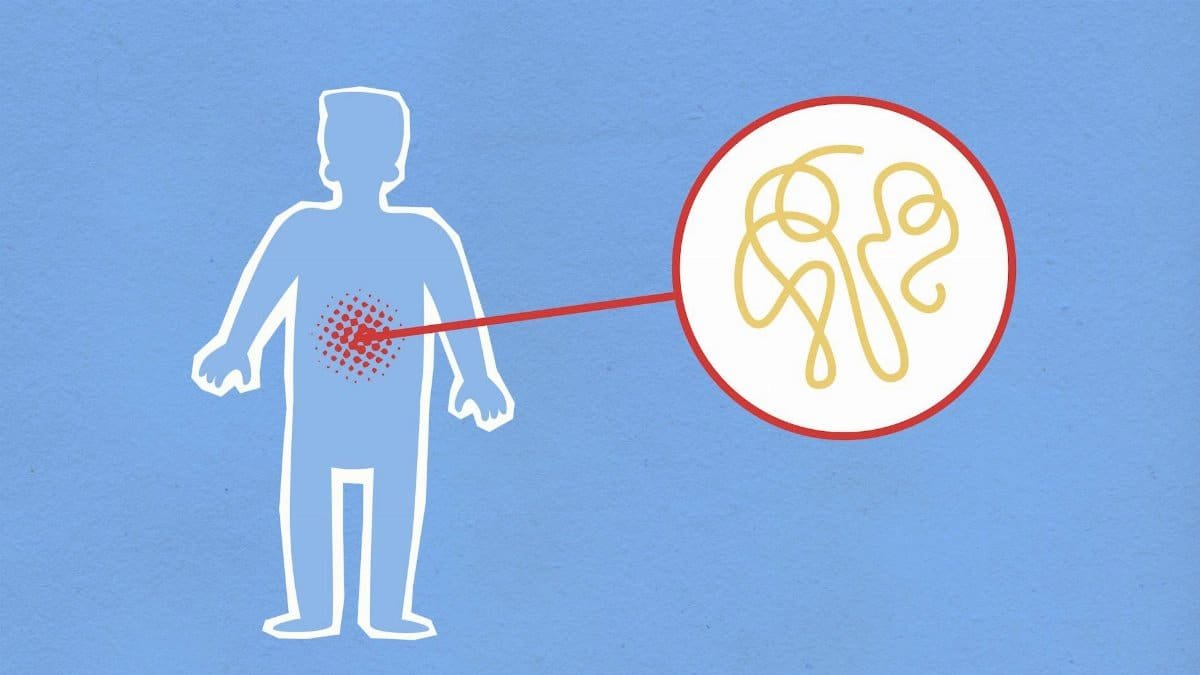
Digestive discomfort hits hard in a state famous for its comfort foods, from Chesapeake Bay crabs to Shenandoah Valley apple pies. Yet, frequent bloating or irregular bowels often get chalked up to diet alone, missing their role as stress indicators. The gut-brain axis, as detailed in research from the National Institutes of Health, shows how anxiety disrupts digestion, leading to these overlooked signals.
Consider a teacher in Virginia Beach, juggling lesson plans amid school funding debates. She experienced stomach cramps that she attributed to cafeteria lunches, but they worsened during parent-teacher conferences. It wasn’t until a wellness check that she connected the dots to stress from overcrowded classrooms. This realization led to mindfulness practices, like brief meditations before meals, which eased the symptoms.
In rural areas like the Blue Ridge Mountains, where community ties run deep, such signals can isolate individuals if ignored. Blending in local flavors, Virginians might find relief through herbal teas from regional farms, supporting gut health while addressing emotional undercurrents. The key lies in listening to the body’s whispers before they become roars, fostering resilience in everyday life.
3. Persistent Jaw Tension
Clenching jaws during traffic snarls on I-95 is common, but when it lingers into evenings, it’s a red flag. This tension, often manifesting as headaches or tooth grinding, points to accumulated stress that people in Virginia frequently overlook. A report from the American Dental Association notes that stress-related bruxism affects millions, with urban dwellers particularly prone.
One engineer in Norfolk recalled waking with sore jaws after nights filled with project worries. He dismissed it as poor sleep posture until a dentist linked it to workplace pressures in the shipbuilding industry. Incorporating jaw relaxation exercises, like gentle massages, transformed his mornings. Such stories illustrate how physical habits betray inner turmoil.
For those in high-stakes environments, like Richmond’s political scene, releasing this tension through yoga or even chewing gum mindfully can prevent long-term damage. It’s a reminder that the body holds onto what the mind tries to ignore, urging a holistic approach to well-being in the Commonwealth.
4. Sudden Skin Flare-Ups

Skin tells tales, especially in Virginia’s humid summers. Rashes or breakouts that appear without clear cause often signal stress, as cortisol triggers inflammatory responses. Insights from the American Academy of Dermatology reveal how emotional strain exacerbates conditions like eczema, yet many attribute them solely to environmental factors.
A small business owner in Charlottesville faced recurring hives during inventory seasons. She thought pollen was the culprit, but patterns emerged with financial deadlines. Exploring stress management, including journaling, helped clear both her skin and her mind. This connection highlights how external appearances reflect internal states.
In diverse communities across the state, from Appalachian towns to Tidewater ports, recognizing these signals empowers proactive care. Simple routines, like moisturizing with calming lotions infused with local botanicals, can soothe more than the surface, addressing the root of unease.
5. Irregular Sleep Patterns
Nights in Virginia can be restless, with the hum of history and modernity blending. Waking at odd hours or struggling to fall asleep often masks as mere insomnia, but it’s a prime stress signal. The Sleep Foundation’s data shows that stress disrupts circadian rhythms, affecting a third of adults nationwide, with similar trends in the state.
Reflect on a nurse in Roanoke, whose shifts in a busy hospital led to fragmented sleep. She overlooked the pattern until fatigue impacted her patient care. Adopting a wind-down ritual, like reading regional folklore, restored her rest. These shifts underscore the need for boundaries in demanding professions.
Across Virginia’s varied landscapes, from mountains to beaches, prioritizing sleep hygiene counters the toll of daily pressures. It’s about reclaiming nights to bolster days, turning potential breakdowns into breakthroughs in personal health.
6. Heightened Irritability with Loved Ones

Family gatherings in Virginia, steeped in Southern hospitality, can reveal cracks when stress simmers. Snapping at partners or children over minor issues signals emotional overload, often missed amid busy routines. Psychological studies from the American Psychological Association link this irritability to chronic stress, eroding relationships if unaddressed.
A parent in Alexandria described escalating arguments during evening commutes home. Initially blamed on traffic, it traced back to job uncertainties in the federal sector. Open conversations and shared activities, like walks along the Potomac, mended the bonds. Such examples show how signals manifest in interactions.
In close-knit communities, fostering empathy through active listening prevents isolation. It’s a call to pause, reflect, and reconnect, strengthening the social fabric that defines Virginian life.
7. Forgotten Hobbies and Joys

When passions fade, like hiking the Appalachian Trail or attending local festivals, it’s a subtle cry from within. This disinterest in once-loved activities flags stress, as energy redirects to survival mode. Research from Harvard Medical School emphasizes how reclaiming joy combats burnout, a growing concern in 2025.
An artist in Lynchburg found her canvases gathering dust amid freelance deadlines. She hadn’t connected the dots until a friend pointed out the absence of her vibrant works. Reviving her practice through community art nights reignited her spark. This revival illustrates the power of heeding inner signals.
For Virginians balancing heritage with progress, rediscovering hobbies builds resilience. It’s not about adding more to the plate but savoring what’s already there, ensuring stress doesn’t dim the state’s enduring spirit.
To dive deeper into stress management, explore resources from the Virginia Department of Health, which offers local insights. For eye health, check the American Optometric Association. Gut-brain connections are detailed at the National Institute of Neurological Disorders and Stroke. Sleep guidance comes from the Sleep Foundation. And for psychological perspectives, visit the American Psychological Association.