
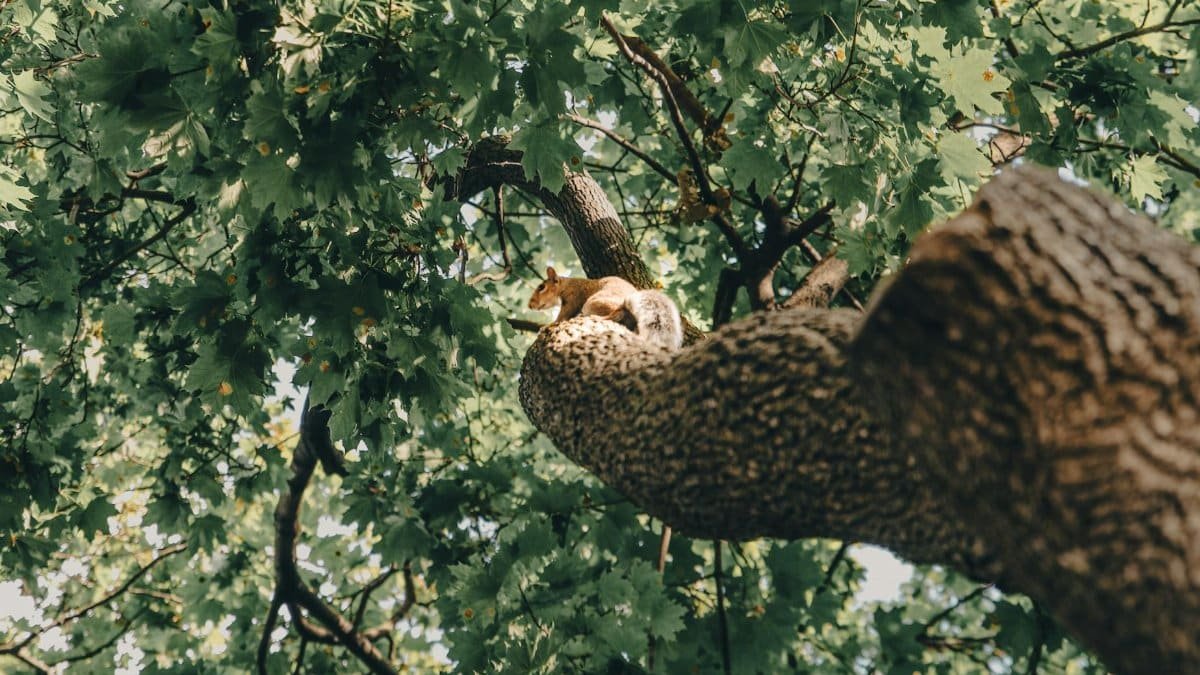
New Yorkers are battling stress like never before, but new data shows 68% of urban dwellers report reduced anxiety after incorporating simple nature behaviors into their routines. According to a recent study by the American Psychological Association, these habits are proving essential in the city’s fast-paced environment. At the heart of this trend is how nature, behaviors, encourage a sense of calm amid the chaos of skyscrapers and subways. As 2025 kicks off, more residents are turning to these practices to reclaim their peace of mind without leaving the Big Apple.
1. Urban Forest Bathing
Central Park isn’t just for joggers anymore. Shinrin-yoku, or forest bathing, has taken root in New York’s green spaces. This Japanese practice involves immersing oneself in nature to absorb its calming effects. Studies from the National Institutes of Health show it lowers cortisol levels by up to 16%. In the city, it means a slow walk through the Ramble, focusing on the rustle of leaves and bird calls. New Yorkers swear by it for ditching workday tension. Experts say even 20 minutes can reset your mood, making it a go-to for stressed professionals.
With the pandemic’s lingering effects, this behavior has surged. A 2024 survey by the New York City Parks Department found over 40% of visitors engage in mindful nature walks. It’s not about exercise; it’s about presence. Breathe in the earthy scents, feel the bark under your fingers. This direct connection to greenery counters the concrete jungle’s grind. As urban stress climbs in 2025, forest bathing offers a free, accessible antidote right in Manhattan’s backyard.
2. Birdwatching in Borough Parks
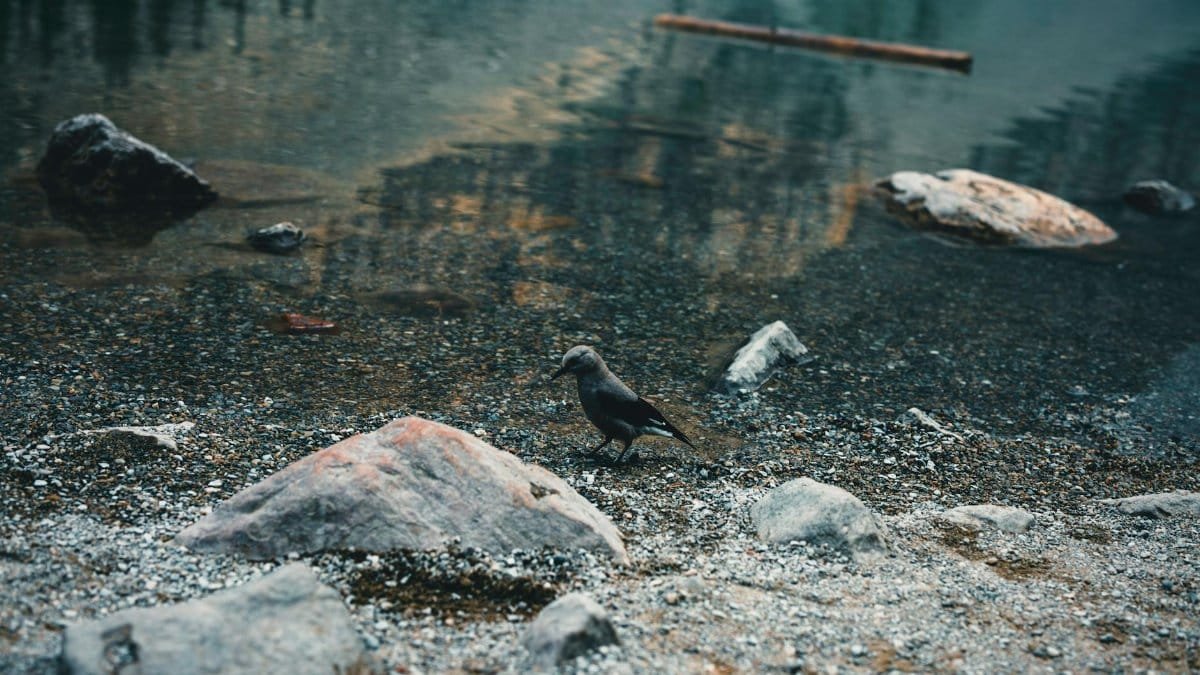
Binoculars are the new must-have for calm seekers. Birdwatching encourages patience and observation, key to reducing mental clutter. In places like Prospect Park, enthusiasts spot warblers and hawks, turning a simple outing into a meditative escape. Research from the Pew Research Center highlights how nature observation boosts emotional well-being. For New Yorkers, it’s a break from screens and sirens.
This behavior fosters focus on the present moment. Spotting a red-tailed hawk soaring above Brooklyn can shift your perspective, literally and figuratively. Local groups like the Audubon Society host free events, drawing crowds eager for tranquility. In 2025, with rising reports of burnout, birdwatching is gaining traction as a low-effort way to encourage calm. It’s democratic too; anyone with a park nearby can join in, no fancy gear required.
3. Waterfront Mindfulness
The Hudson River’s edge is prime real estate for unwinding. Sitting by the water, listening to waves lap against piers, promotes relaxation through sensory engagement. This nature behavior taps into blue space therapy, where proximity to water calms the nervous system. A study published in the journal Environmental Science & Technology notes a 10% drop in stress hormones from such exposure. In New York, spots like Battery Park offer this without a beach vacation.
Encourage calm by practicing deep breathing while gazing at the Staten Island Ferry glide by. It’s a ritual that grounds you amid the city’s hustle. Urban planners are even designing more waterfront access points, recognizing the mental health benefits. As 2025 sees continued emphasis on wellness, this habit is encouraging New Yorkers to reclaim their riverside sanctuaries. Simple, effective, and always available, it’s a behavior that’s literally flowing with potential.
4. Community Gardening

Getting your hands dirty in a community plot isn’t just about growing tomatoes. It’s a therapeutic act that connects you to the earth’s cycles. In neighborhoods like the Bronx, these gardens provide a space for nurturing plants and, in turn, your own peace. Horticultural therapy research from Cornell University shows it reduces symptoms of anxiety and depression. For city folk, it’s a tangible way to encourage calm through purposeful activity.
Digging soil, planting seeds, watching growth; these steps build resilience and mindfulness. New York’s community gardens have exploded in popularity, with over 600 sites citywide. Participants report feeling more centered after sessions. In 2025, amid economic uncertainties, this behavior offers stability and community bonds. It’s not solitary; sharing harvests fosters connections, amplifying the calming effects. Nature, behaviors, encourage this hands-on approach to serenity in the urban sprawl.
5. Stargazing in Dark Corners
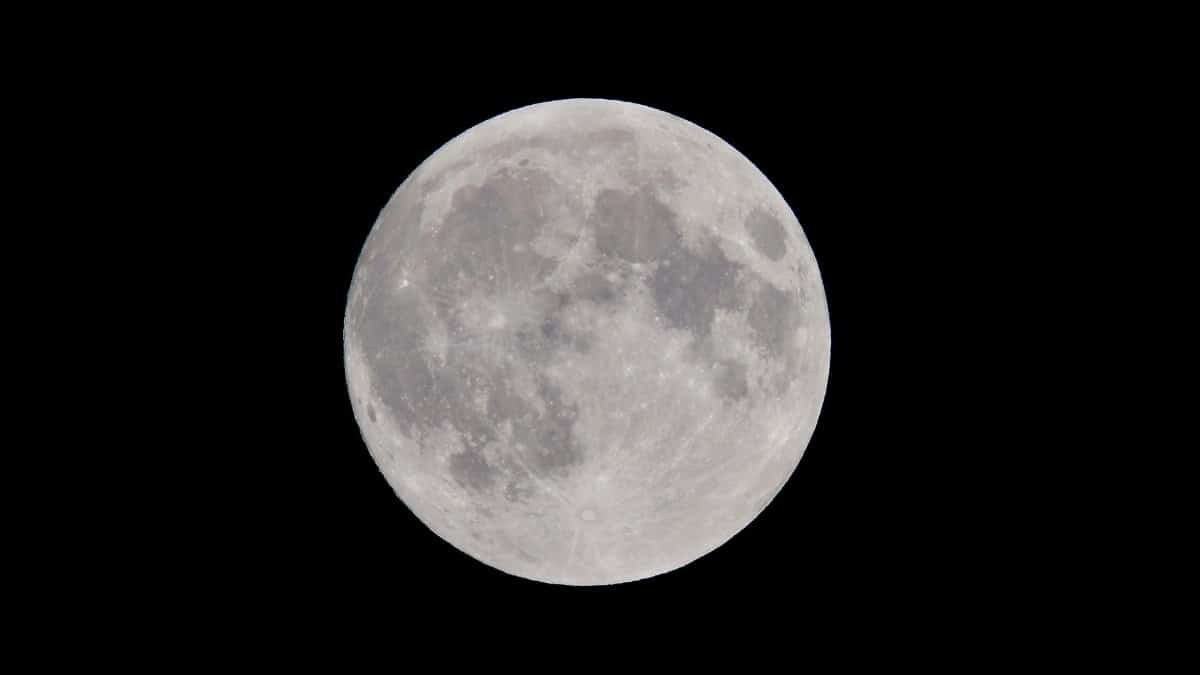
Even in light-polluted New York, pockets of darkness allow for stargazing. Head to Inwood Hill Park for glimpses of the cosmos, a behavior that inspires awe and perspective. Astronomical societies note how viewing stars reduces feelings of insignificance in a big city. A report from NASA emphasizes the psychological benefits of connecting with the night sky, promoting humility and calm.
This practice encourages stepping away from artificial lights and into natural wonder. Lie back, identify constellations, let the vastness wash over you. With apps aiding urban astronomers, it’s more accessible than ever. In 2025, as digital overload persists, stargazing is a counterbalance, reminding New Yorkers of life’s bigger picture. It’s a quiet rebellion against the 24/7 glow, fostering deep relaxation under the stars.
6. Foraging Walks in Green Spaces
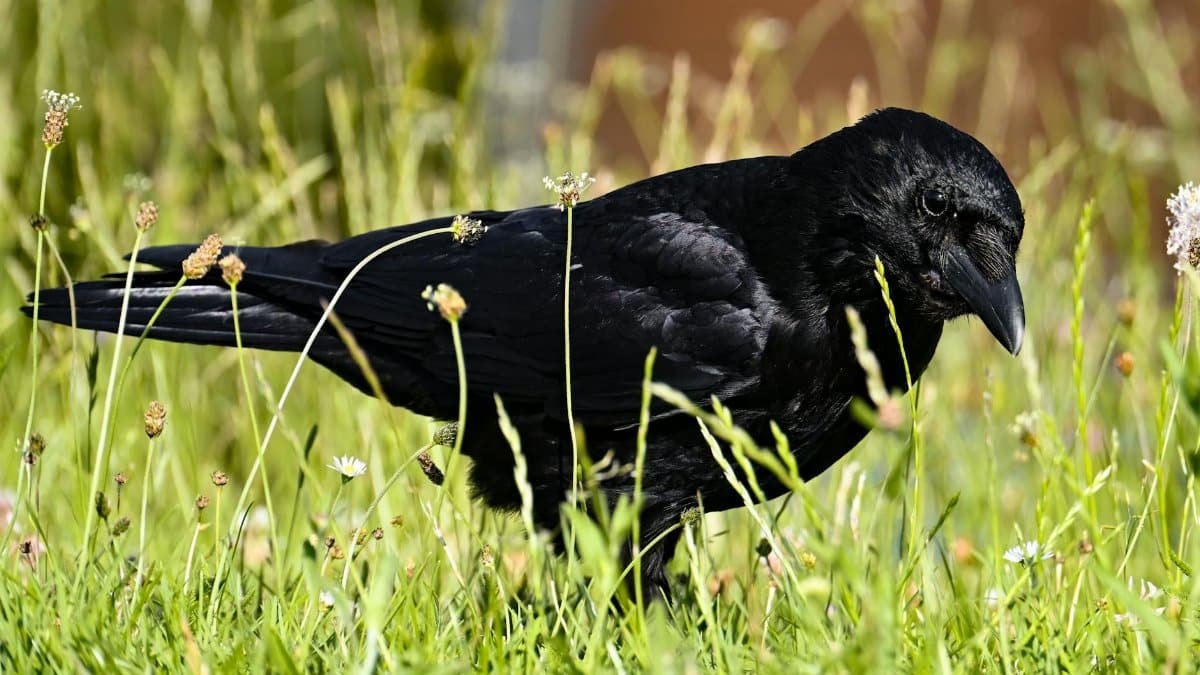
Foraging for edible plants in city parks might sound adventurous, but it’s a grounded way to engage with nature. Identifying wild herbs or berries in places like Van Cortlandt Park builds awareness and appreciation. Experts from the New York Botanical Garden guide safe practices, linking it to reduced stress through exploratory learning. This behavior turns a walk into a treasure hunt, encouraging calm via curiosity.
It’s about sustainable interaction with the environment, not exploitation. Participants learn to respect nature’s offerings, which instills a sense of harmony. In 2025, with sustainability trends rising, foraging is gaining followers among eco-conscious New Yorkers. It combines education with relaxation, making every discovery a moment of joy. Nature, behaviors, encourage this mindful harvesting as a path to inner peace in the Empire State.