
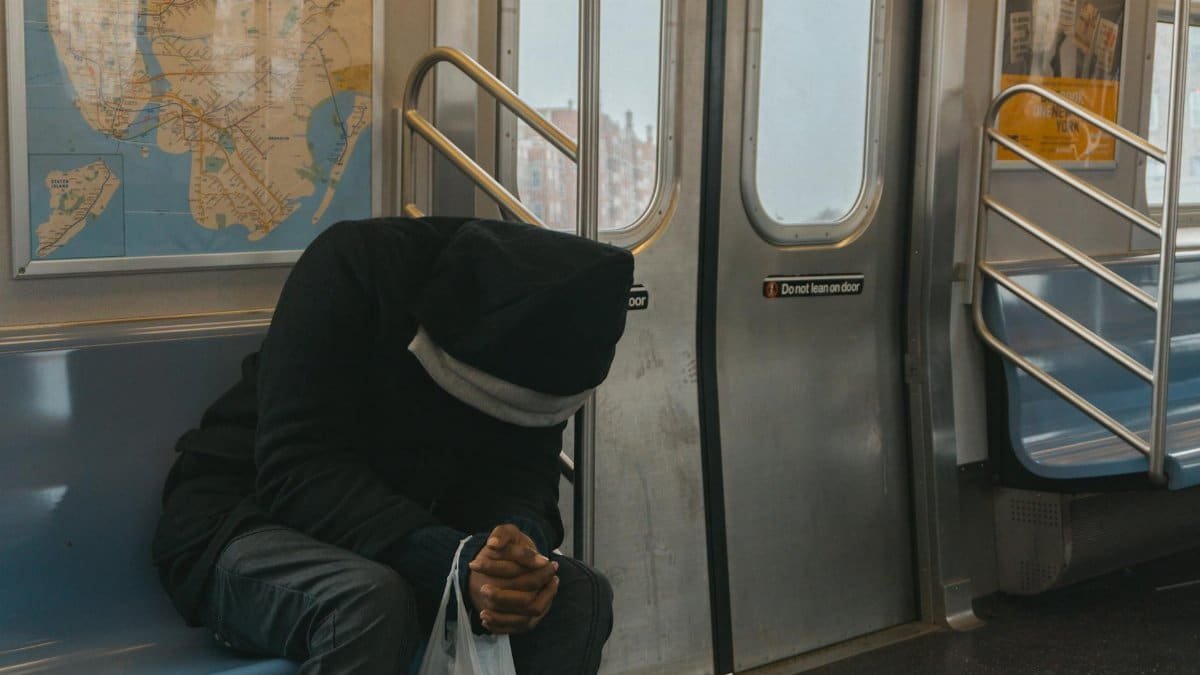
In the hustle of New York City, where deadlines loom and subways screech, a surprising stat reveals that 70% of residents overlook key stress signals in their daily grind. According to recent data from the American Psychological Association, this ignorance is fueling a spike in burnout cases across the boroughs. Stress, signals, people often dismiss as mere fatigue could be red flags for deeper issues, leading to health woes if ignored. But spotting them early can turn the tide, offering a path to calmer living amid the chaos.
1. Constant Jaw Clenching
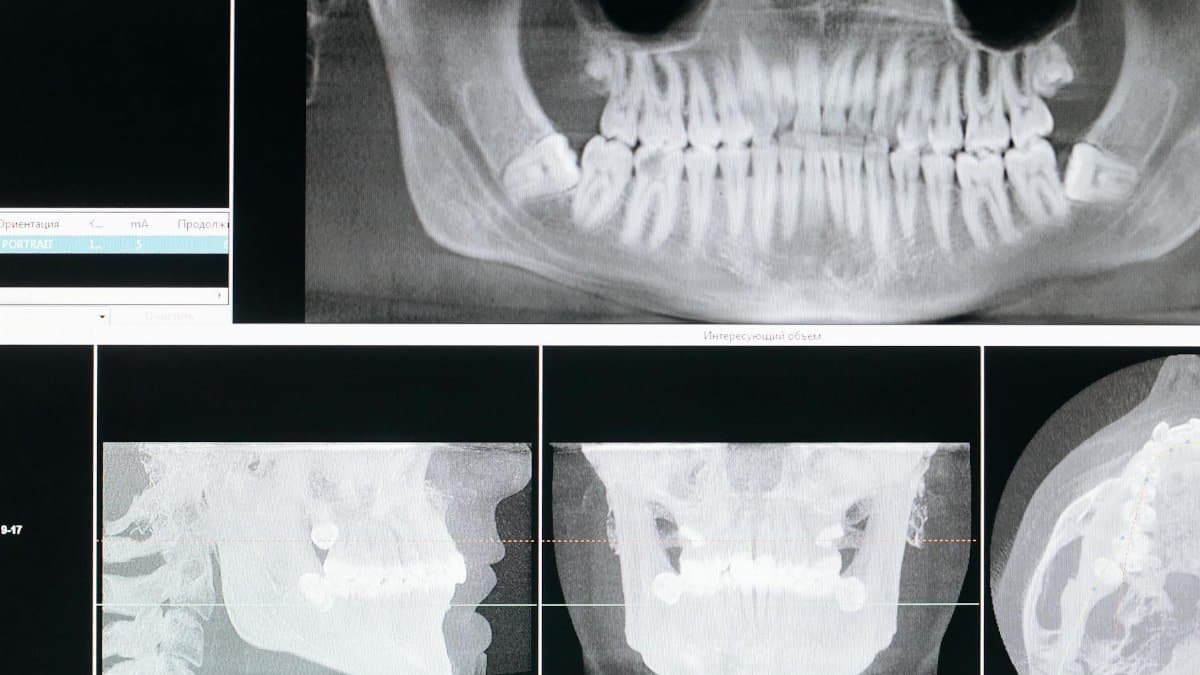
New Yorkers rushing through crowded streets might not notice their jaws tightening like vises. This subtle stress signal often masquerades as a habit, but experts say it’s a direct response to mounting pressure. Dr. Emily Chen, a Manhattan-based psychologist, notes that chronic clenching can lead to headaches and even dental issues. A study from the National Institutes of Health links it to elevated cortisol levels, the body’s stress hormone. To counter it, simple mindfulness exercises like deep breathing during commutes can help. In a city that never sleeps, ignoring this could amplify anxiety over time.
2. Frequent Forgetfulness

Ever blank on a colleague’s name during a high-stakes meeting in Midtown? That’s not just a senior moment; it’s a classic stress indicator many overlook. Research from the Mayo Clinic shows that high stress impairs short-term memory by overwhelming the brain’s processing centers. In New York’s fast-paced environment, where multitasking is the norm, this signal pops up often. One local survey found 45% of professionals reporting increased forgetfulness in 2025, tied to work demands. Combat it by jotting quick notes or using apps to offload mental clutter, restoring focus amid the urban frenzy.
3. Unexplained Muscle Tension
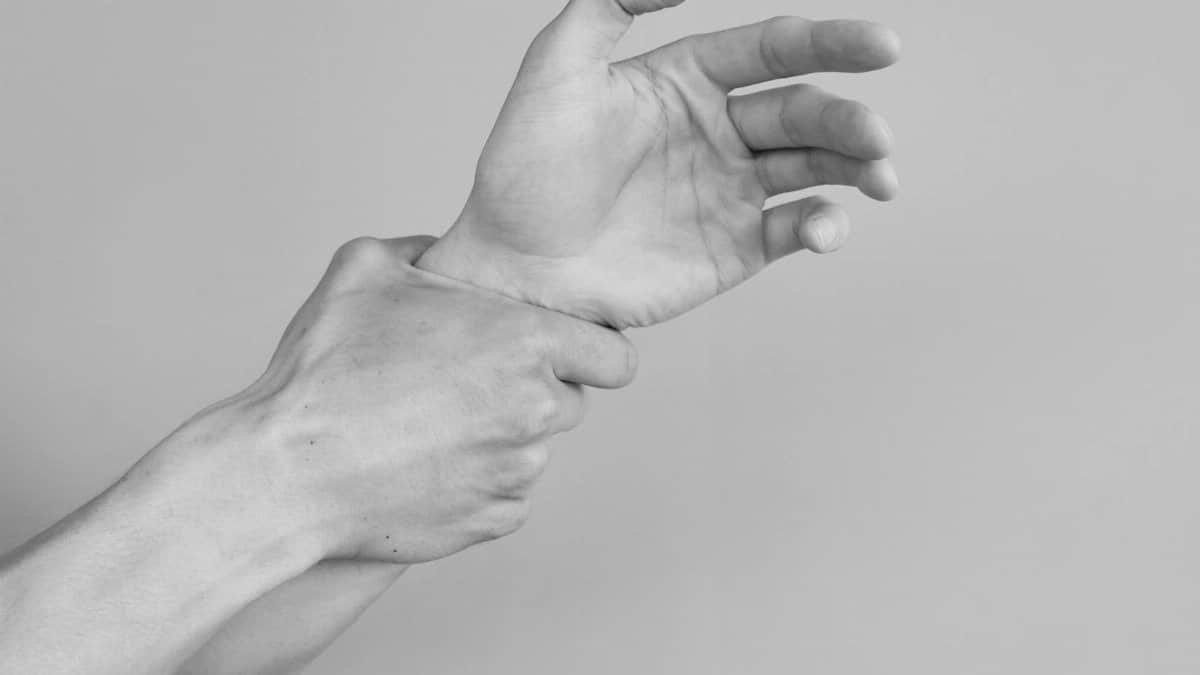
Shoulders hunched like they’re carrying the weight of the Empire State Building? This physical tightness is a stress signal people frequently miss, mistaking it for poor posture. The Cleveland Clinic reports that stress triggers muscle contractions as a fight-or-flight remnant, leading to chronic pain if unchecked. In bustling New York, where long hours at desks or on feet are common, this manifests in neck and back strains. A 2024 report highlighted a 20% rise in related doctor visits among city dwellers. Stretching routines or yoga sessions can ease it, promoting better resilience against daily pressures.
4. Changes in Eating Habits
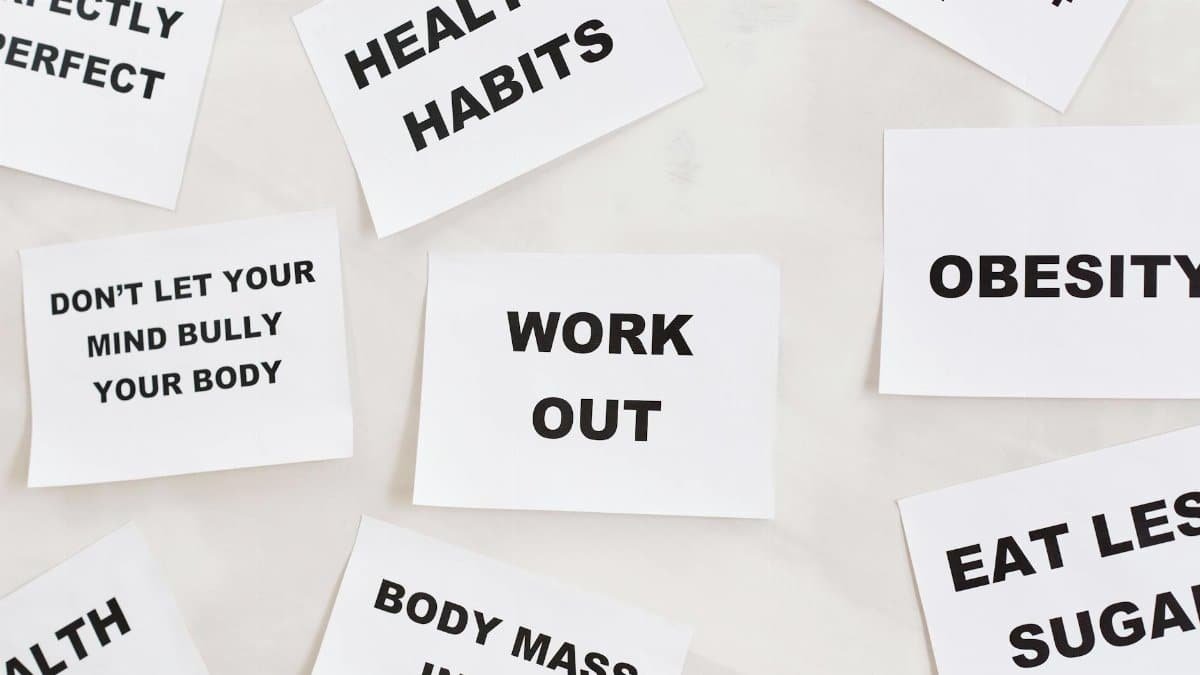
Skipping breakfast in favor of a rushed coffee on the go, or bingeing on late-night takeout? These shifts signal stress disrupting appetite regulation. According to Harvard Health Publishing, stress can suppress hunger or trigger emotional eating, both harmful in the long run. New Yorkers, surrounded by endless food options, often fall into this trap during stressful periods. Data from a recent city health initiative shows 35% of residents experiencing appetite fluctuations linked to job stress in 2025. Mindful eating practices, like savoring meals without distractions, can realign habits and reduce this overlooked cue.
5. Irritability Over Minor Issues
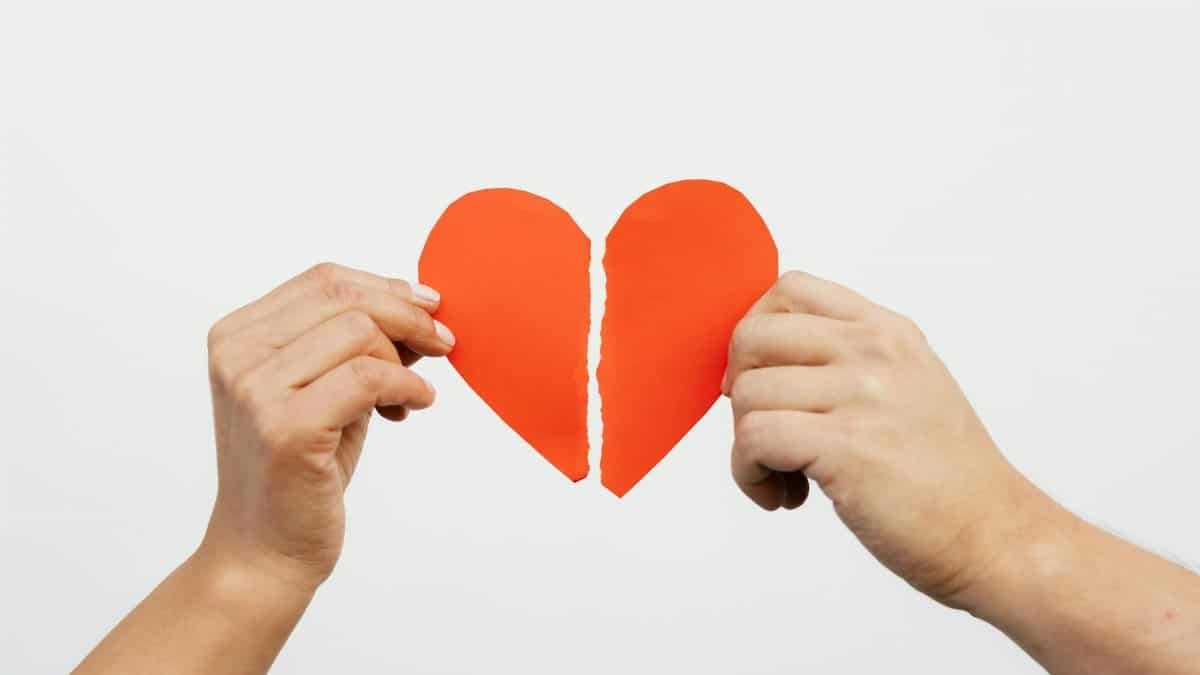
Snap at a barista for a slightly wrong order in a bustling Manhattan cafe? Heightened irritability is a stress signal that creeps up unnoticed, turning small annoyances into major blowups. The American Psychological Association’s stress surveys indicate this as a top emotional marker, especially in high-density areas like New York. With constant noise and crowds, it’s easy to dismiss as city life. Yet, a APA Stress Resources page details how it stems from overwhelmed nervous systems. Pausing for a quick walk or meditation app use can dial it back, fostering calmer interactions.
6. Disrupted Sleep Patterns

Tossing and turning in a tiny Brooklyn apartment, despite exhaustion? Insomnia or fragmented sleep is a prime stress signal people attribute to external factors like traffic noise. The National Sleep Foundation links it directly to stress, noting that it affects cognitive function and mood. In New York, where 24/7 energy reigns, a 2025 wellness report found 60% of adults reporting poorer sleep due to urban stressors. Establishing a wind-down routine, such as dimming lights early, can help. For deeper insights, check the CDC Sleep and Sleep Disorders resources, which emphasize stress management’s role in better rest.
Recognizing these stress signals people often miss can make a real difference in navigating New York’s relentless pace. By tuning in, individuals gain tools to manage reactions, leading to improved well-being. As trends evolve in 2025, experts urge proactive steps to address these cues head-on.