

In a nation where nearly 80 percent of adults report feeling overwhelmed by stress at least once a month, according to recent data from the American Psychological Association, the search for simple relief has never been more urgent. That same survey, conducted in late 2024, showed a spike in stress-related health issues, jumping from previous years amid economic pressures and digital overload. Yet amid this backdrop, a growing body of research points to everyday foods as quiet allies in the fight. These aren’t miracle cures, but incorporating certain items into meals can subtly dial down cortisol levels and promote calm. Foods that reduce daily stress, from nutrient-rich berries to omega-packed fish, offer accessible ways to ease the mental load. As we step into 2025, understanding these options feels timely, blending science with practical habits for middle-aged Americans juggling work, family, and everything in between.
1. Fatty Fish
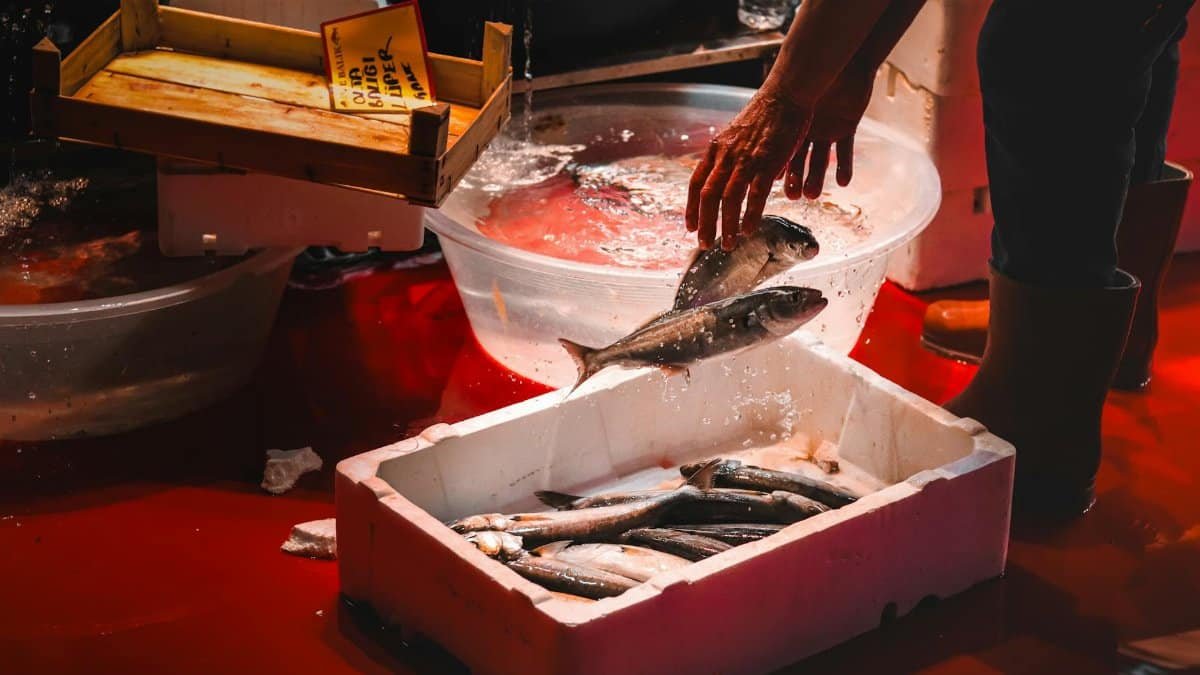
Salmon, mackerel, and sardines top the list for their high omega-3 fatty acids, which studies link to lower anxiety. Picture a busy parent in Seattle, unwinding after a long day by grilling a simple salmon fillet. The routine becomes a ritual, the sizzle on the pan a signal to let go. Research from the National Institutes of Health highlights how these fats reduce inflammation tied to stress responses. One trial followed participants who ate fatty fish twice weekly; their self-reported stress dropped notably compared to a control group. It’s not just about the nutrients—preparing the meal fosters mindfulness too. For those skeptical, start small. Swap in canned sardines for lunch. Over time, the effects build, creating a buffer against daily pressures. Active lifestyles benefit most, as omega-3s support brain health amid constant demands.
NIH Study on Omega-3 and Stress
2. Dark Chocolate
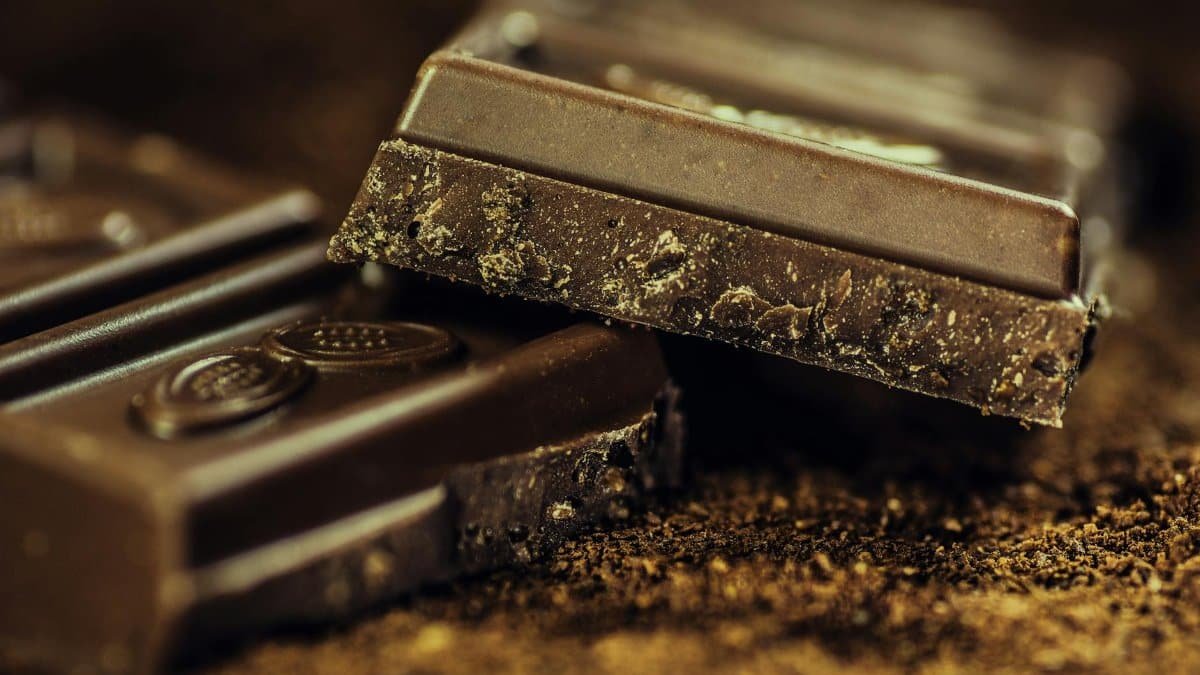
Who knew indulgence could be strategic? Dark chocolate, with at least 70 percent cocoa, contains flavonoids that boost endorphins and serotonin. Imagine a mid-afternoon break in a Chicago office, where a square of bittersweet chocolate melts away the edge of a tense meeting. It’s more than a treat; science backs it. A study in the Journal of Psychopharmacology found that consuming dark chocolate daily for two weeks lowered stress hormones in highly stressed individuals. The key is moderation—about an ounce per day—to avoid sugar spikes. Pair it with nuts for added benefits. This approach resonates in 2025, as wellness trends emphasize joyful, sustainable habits over strict diets. Online, one anonymous sharer described it as “my secret weapon against burnout,” capturing a common sentiment. The ritual invites pause, turning a simple act into stress relief.
Journal of Psychopharmacology Study
3. Berries
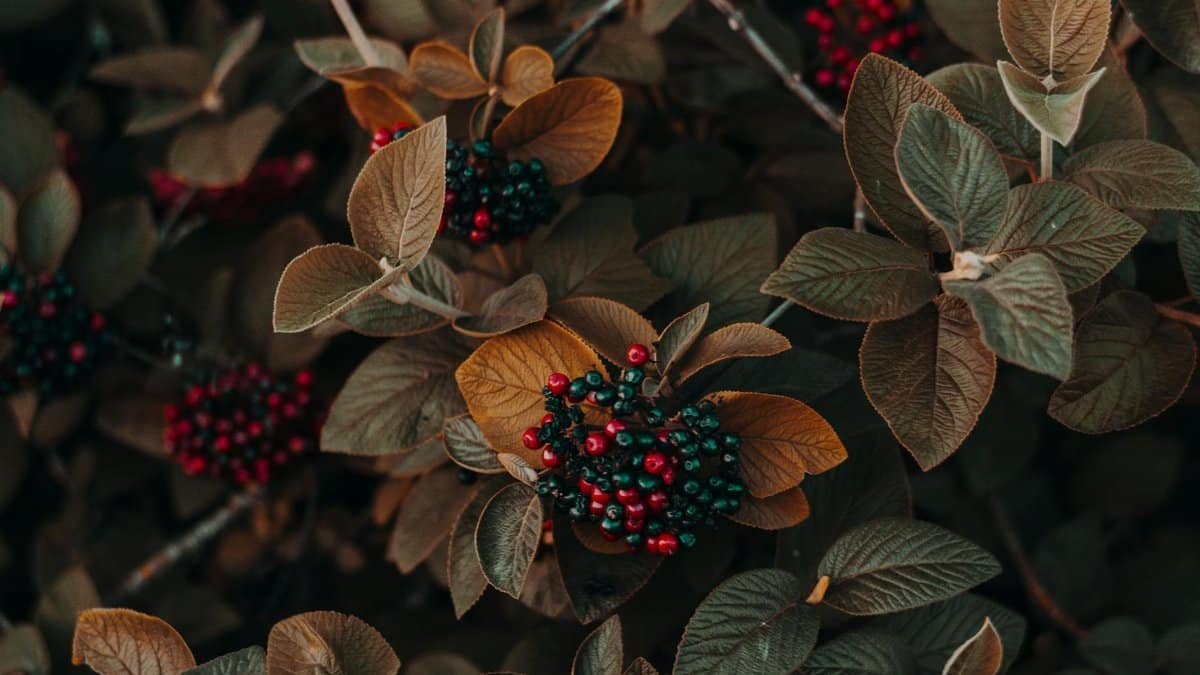
Blueberries, strawberries, and their kin pack antioxidants that combat oxidative stress, a byproduct of chronic tension. Start with a morning smoothie in suburban Atlanta, where fresh berries blend into a vibrant start, shifting the day’s tone from frantic to focused. Evidence from Harvard’s T.H. Chan School of Public Health suggests regular berry intake supports cognitive function under pressure. In one longitudinal study, older adults eating berries showed slower decline in stress-related memory issues. They’re versatile too—toss them in salads or yogurt. But what if access is limited? Frozen options work just as well, preserving nutrients. This ties into broader U.S. trends, where farm-to-table movements make these foods more available. The natural sweetness curbs cravings that often spike during anxious moments, offering a gentle reset without the crash.
Harvard T.H. Chan School of Public Health on Berries
4. Nuts
Almonds, walnuts, and pistachios deliver magnesium, a mineral often depleted by stress, helping regulate mood. Envision a trail mix snack during a New York commute, the crunch providing a momentary anchor amid subway chaos. The Mayo Clinic reports that magnesium deficiency exacerbates anxiety, and nuts replenish it effectively. A randomized trial showed participants snacking on nuts experienced reduced cortisol after stressful tasks. Variety keeps it interesting—rotate types to maximize benefits. For middle-aged readers, this fits seamlessly into heart-healthy eating patterns recommended in 2025 guidelines. Yet challenges arise; portion control matters to avoid excess calories. One public account online noted the shift: “Nuts turned my frantic afternoons into manageable ones.” It’s about building habits that stick, turning quick grabs into intentional pauses.
Mayo Clinic on Magnesium and Anxiety
5. Avocado
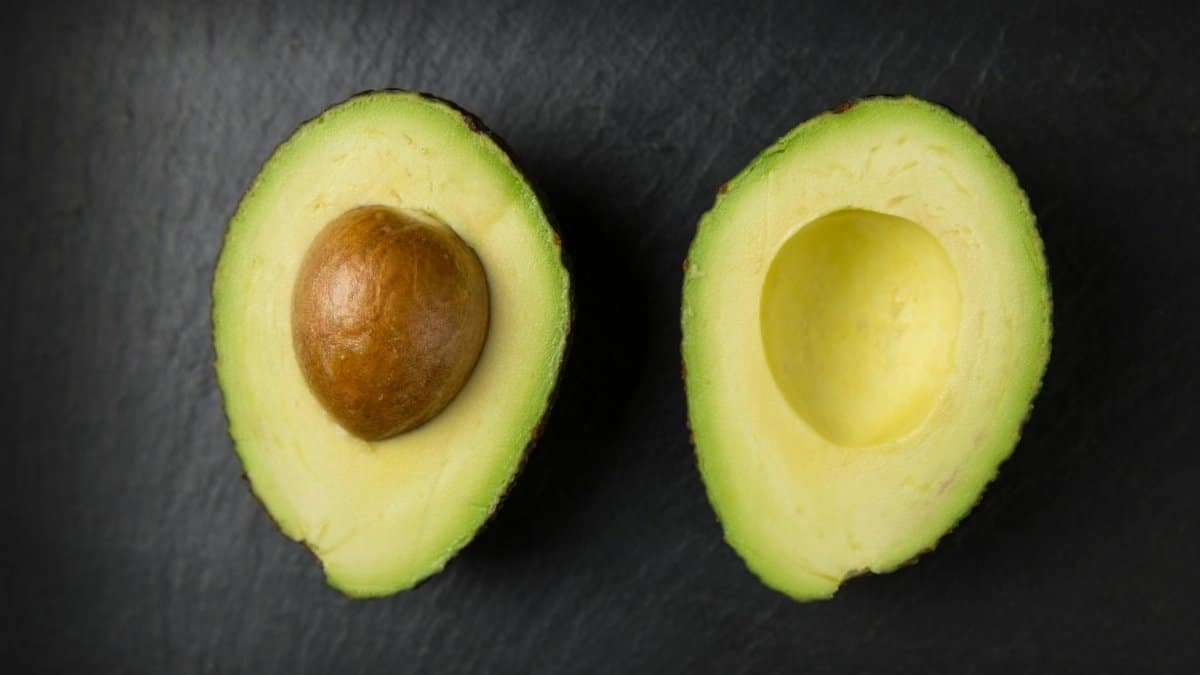
Rich in folate and healthy fats, avocados support brain health and stabilize blood sugar, key for steady emotions. Think of slicing one open in a Los Angeles kitchen, the creamy texture a soothing contrast to a hectic schedule. The American Heart Association links folate to lower depression risk, often intertwined with stress. In a cohort study, higher avocado consumption correlated with improved mood scores. Spread on toast or in guacamole, it’s adaptable. But affordability varies; in some regions, prices fluctuate. Still, even half an avocado daily can make a difference. As dietary patterns evolve in 2025, avocados represent a bridge between indulgence and nutrition. The preparation encourages creativity, perhaps mixing with herbs for a calming aroma. This food embodies resilience, nourishing both body and mind against everyday strains.
6. Leafy Greens
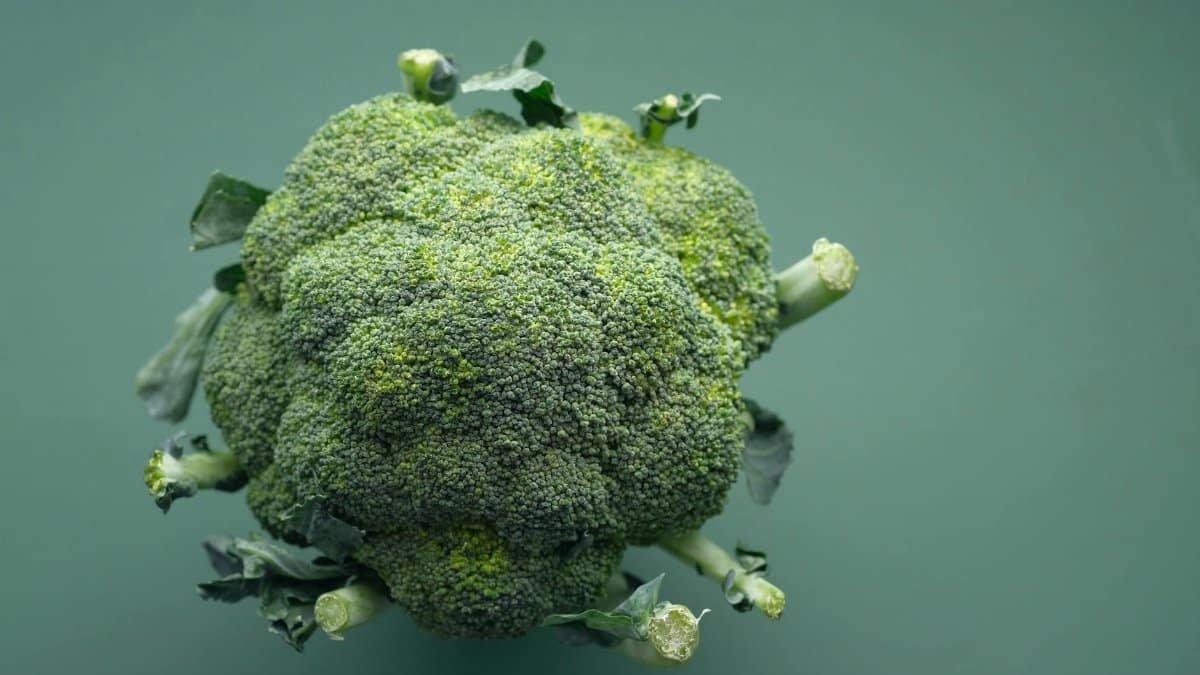
Spinach, kale, and Swiss chard brim with vitamins that bolster the nervous system. A Detroit resident might stir them into a quick sauté, the steam rising like a release of pent-up worries. The CDC emphasizes folate and vitamin K’s role in mental well-being, with deficiencies linked to heightened stress. Research from a university trial demonstrated that increasing greens intake led to better sleep quality, a stress antidote. Salads or smoothies integrate easily. However, taste barriers exist—blanching reduces bitterness. In contemporary America, urban farming initiatives make these more accessible. The act of eating greens fosters a sense of control, countering chaos. One shared experience online highlighted: “Greens became my go-to for clarity amid fog.” It’s a foundational choice, grounding daily routines in health.
CDC on Micronutrients and Health
7. Yogurt
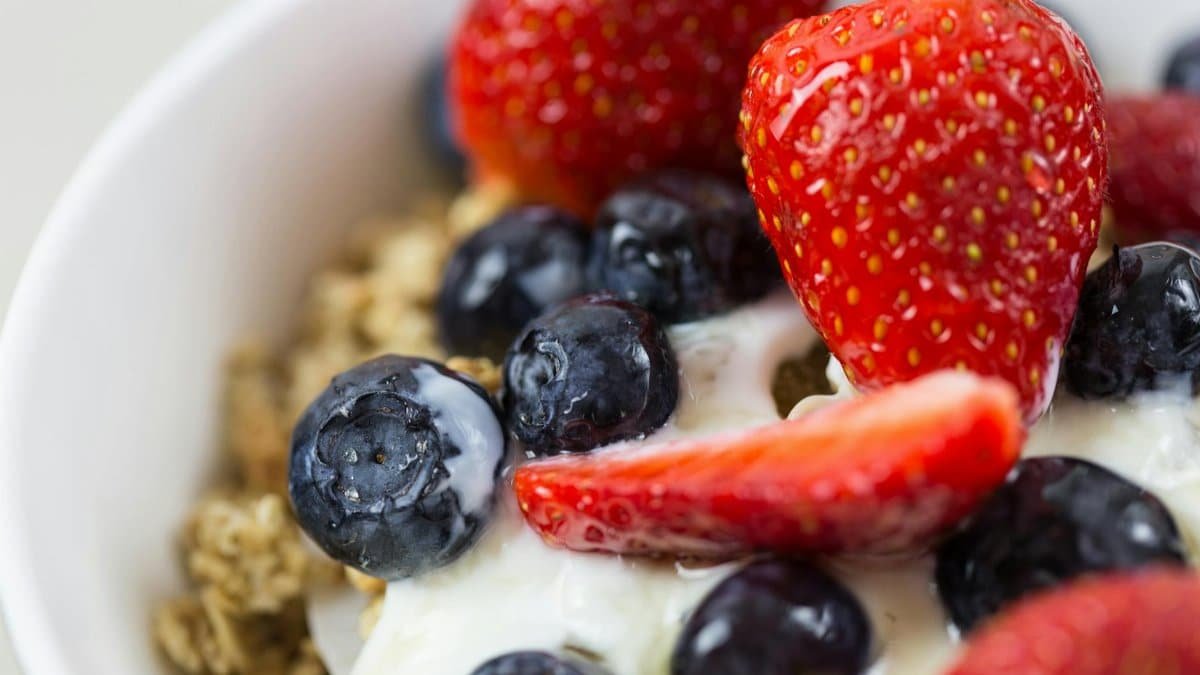
Probiotic-rich yogurt nurtures gut health, which influences mood via the gut-brain axis. Imagine spooning it in a quiet Boston evening, the tang a subtle comfort after demanding hours. A study in the British Journal of Psychiatry found probiotics reduced stress in healthy volunteers. Greek varieties offer protein for sustained energy. Layer with fruits for appeal. Yet, dairy sensitivities pose hurdles; alternatives like kefir work. In 2025, microbiome research underscores this link, shifting how we view diet. The routine builds microbiome diversity, easing irritability. Tensions emerge when expectations clash with results—patience is key. Through varied preparations, yogurt becomes a versatile tool, weaving calm into meals.
8. Herbal Teas

Chamomile, peppermint, and green tea provide calming compounds like L-theanine. Brewing a cup in rural Texas, the warmth seeps in, melting away afternoon fatigue. The NIH notes chamomile’s mild sedative effects, backed by clinical trials showing reduced anxiety. Sip slowly for mindfulness. Caffeine-free options suit evenings. Accessibility shines; teabags are everywhere. But over-reliance isn’t ideal—balance with other habits. As wellness culture grows, teas fit into self-care rituals. One anonymous reflection captured: “Tea time is my reset button.” It invites reflection, turning sips into moments of peace amid noise.
9. Oats
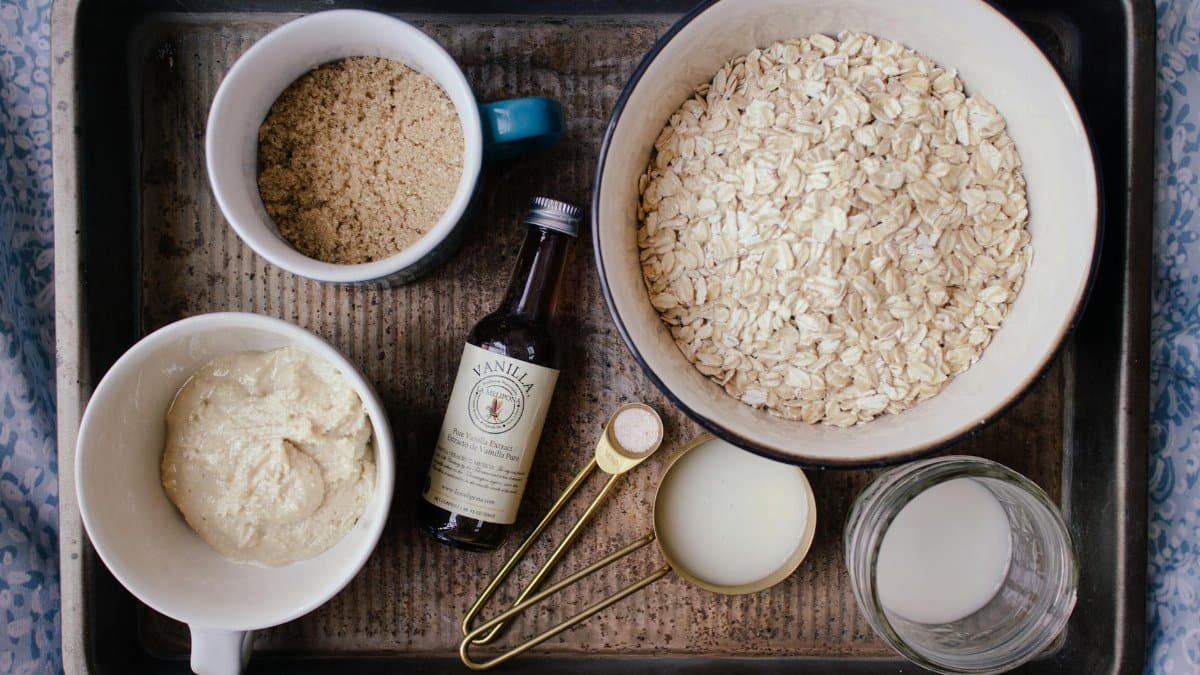
Oats release serotonin slowly, promoting steady calm. A warm bowl in Minneapolis winters starts the day grounded. Harvard research ties whole grains to lower stress markers. Overnight oats simplify prep. Fiber aids digestion, indirectly easing tension. Customization abounds—add fruits or nuts. Economic appeal: affordable and filling. In 2025, sustainable farming boosts oat popularity. Challenges include monotony; experiment to keep it fresh. This staple embodies simplicity, fortifying against daily ebbs.
10. Bananas
Potassium and vitamin B6 in bananas help regulate blood pressure and mood. Grabbing one during a Phoenix hike, the natural energy counters stress dips. Studies from the University of California indicate B vitamins mitigate anxiety. Portable and cheap, they’re ideal for on-the-go. Mash into pancakes for variety. Ripeness matters—overripe ones sweeten naturally. Amid U.S. health shifts, bananas offer easy wins. The peel’s symbolism: shedding layers like worries. It’s a humble fruit with profound impact, rounding out strategies for reduced daily stress.