
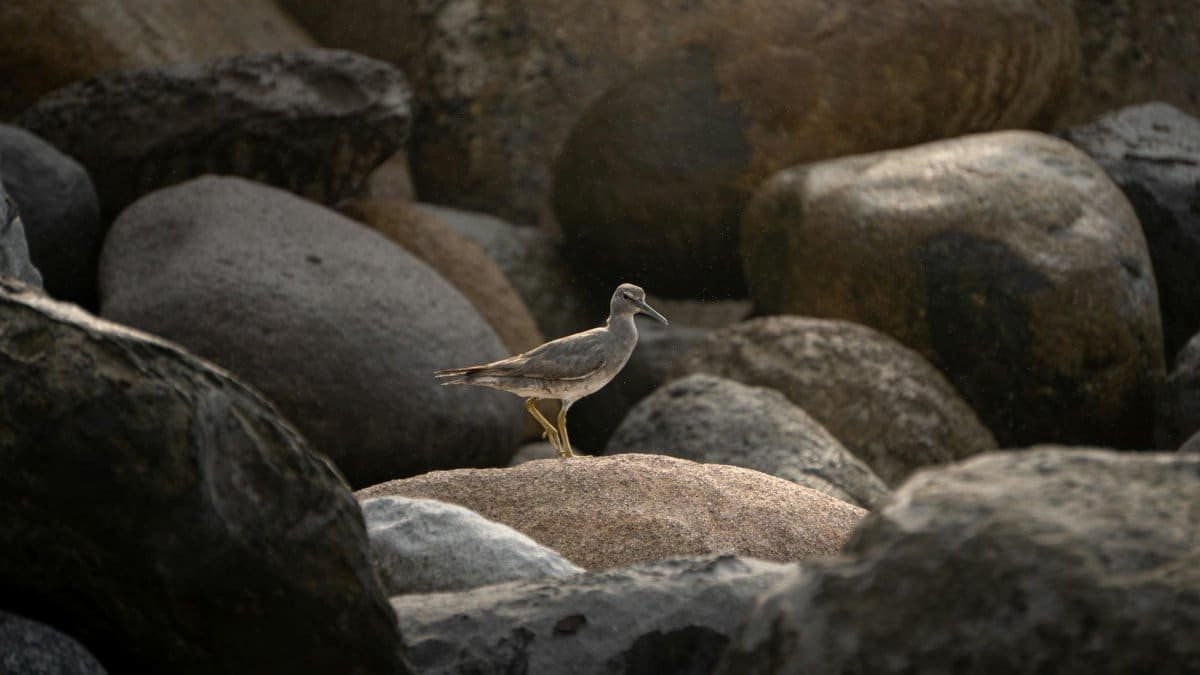
In the heart of Georgia’s lush landscapes, a surprising stat reveals that 75% of locals report improved mental well-being after observing wildlife, according to a recent survey by the Georgia Department of Natural Resources. This ties directly into how wildlife behaviors teach emotional balance, offering natural lessons in resilience and calm amid daily stresses. From the patient foraging of deer to the adaptive strategies of alligators, these animal antics aren’t just survival tactics—they’re blueprints for human harmony. As urban sprawl encroaches in 2025, experts say tapping into these behaviors could be key to combating rising anxiety levels across the Peach State.
1. The Deer’s Gentle Foraging
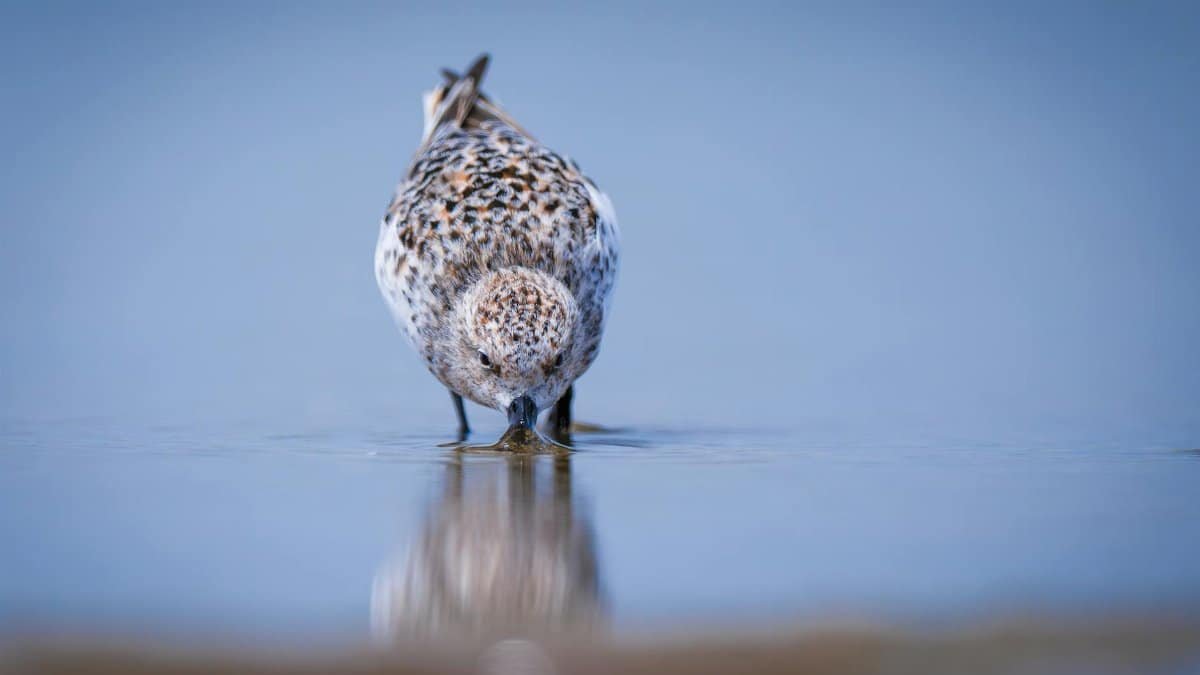
White-tailed deer in Georgia’s forests embody patience, a core lesson in emotional balance. These creatures methodically graze, avoiding haste even when food is scarce. Wildlife experts note this behavior teaches humans to approach challenges without panic. In a fast-paced world, mimicking the deer’s steady pace can reduce stress. A study from the University of Georgia highlights how such observations lower cortisol levels in observers.University of Georgia Research supports this, showing nature immersion aids mental health.
2. Alligator’s Calculated Calm
Alligators in Georgia’s swamps wait motionless for prey, demonstrating supreme self-control. This wildlife behavior teaches the art of restraint, crucial for emotional equilibrium. Instead of reacting impulsively, they conserve energy for the right moment. Therapists in Atlanta are incorporating this into mindfulness programs, helping clients manage anger. With anxiety disorders affecting 19% of U.S. adults in 2025, per CDC data, such lessons prove timely.CDC Mental Health Resources underscore the benefits of nature-based coping strategies.
3. Squirrel’s Resourceful Hoarding

Eastern gray squirrels scamper through Georgia suburbs, burying nuts with foresight. This habit illustrates planning ahead, fostering emotional stability by reducing future worries. Wildlife behaviors like this teach preparation without obsession. In uncertain economic times, Georgians find solace in this model. A Pew Research report on American stress levels aligns with how such animal insights promote resilience. Observers report feeling more grounded after watching squirrels at work.
4. Owl’s Silent Vigilance
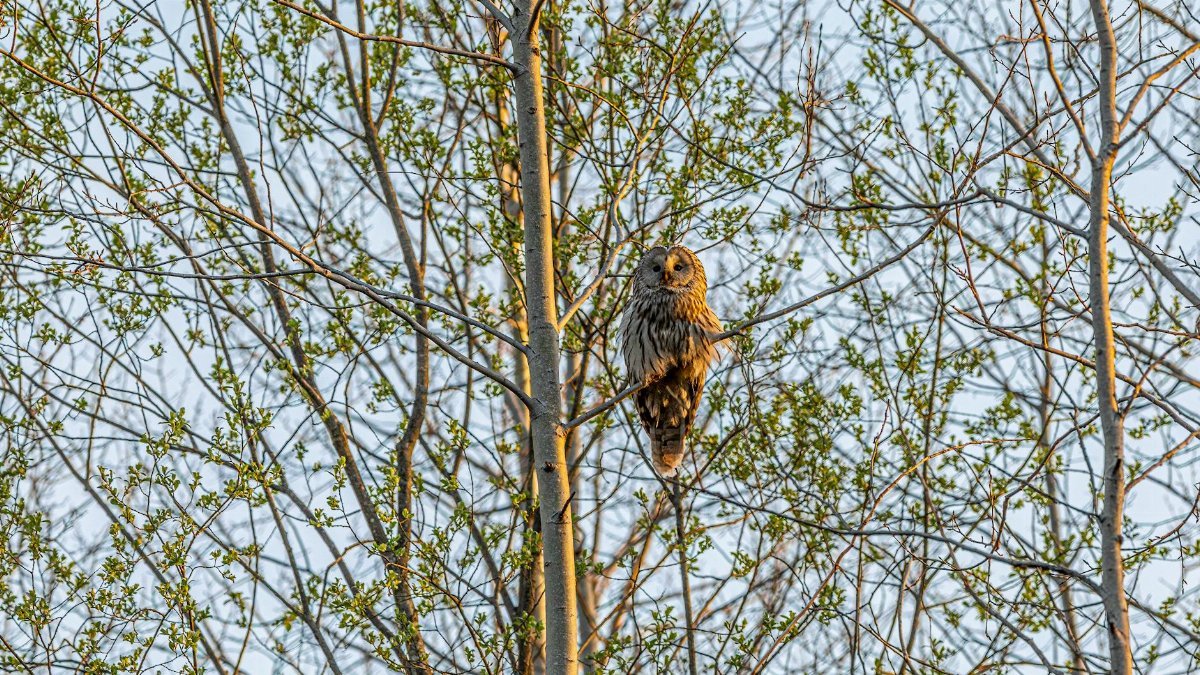
Barred owls in Georgia’s woodlands perch quietly, scanning for threats. Their vigilant yet unobtrusive style teaches balanced awareness, avoiding paranoia. This wildlife behavior encourages humans to stay alert without constant alarm. In 2025, with rising cyber threats, this lesson in calm observation resonates. Experts from the National Wildlife Federation suggest it aids in emotional regulation. Linking to broader trends, it helps combat burnout in high-stress jobs.
5. Fox’s Adaptive Hunting
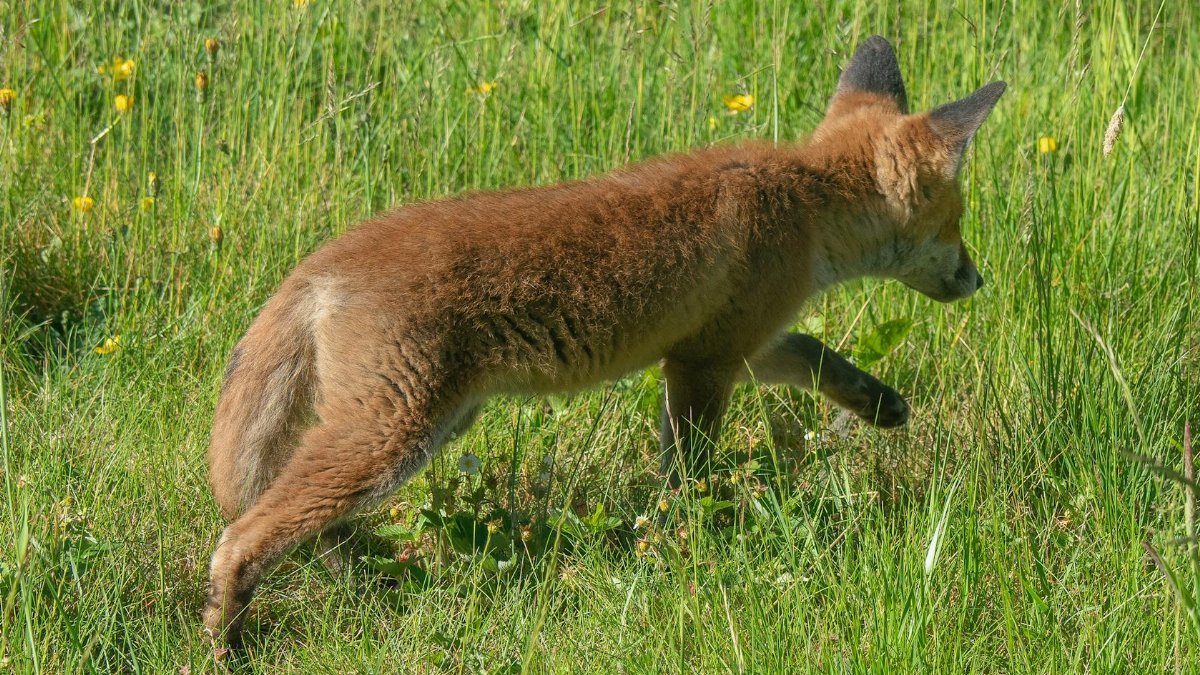
Red foxes in rural Georgia adapt hunting techniques based on terrain, showing flexibility. This behavior teaches emotional agility, adapting to life’s changes without resistance. Wildlife, behaviors, teach us through such examples to pivot gracefully. Amid Georgia’s shifting climate patterns, this adaptability is vital. A study summarized by the Smithsonian Institution emphasizes animal flexibility’s role in survival, mirroring human needs for balance.
6. Turtle’s Steady Retreat
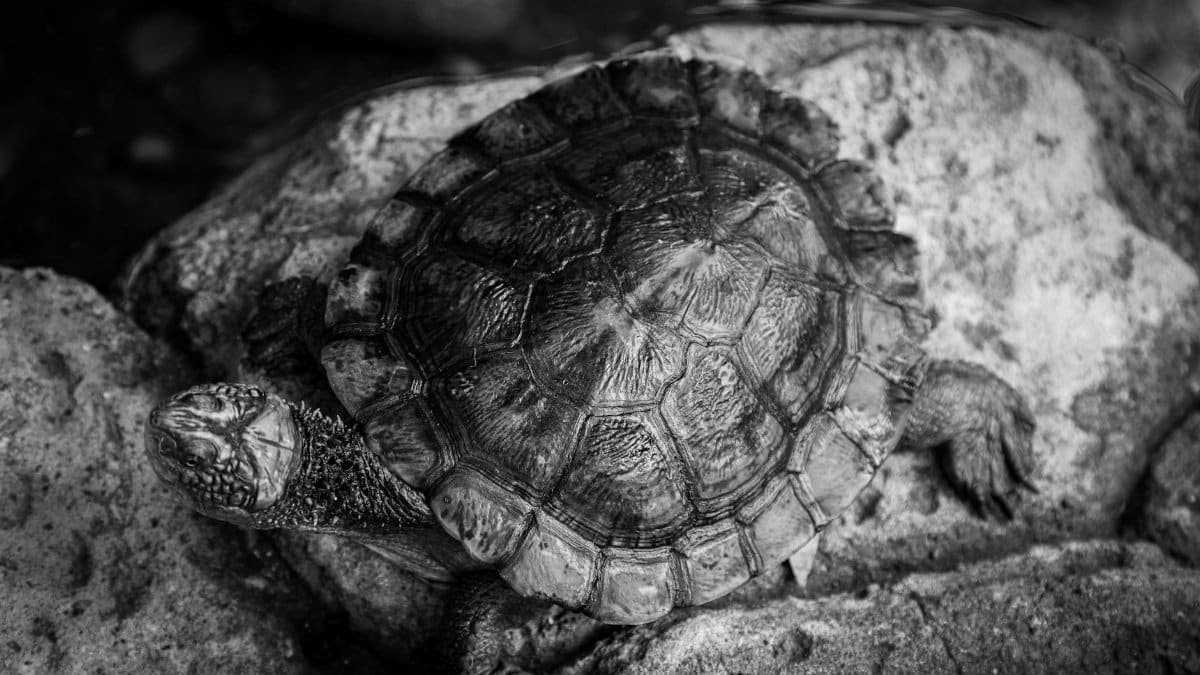
Box turtles in Georgia forests withdraw into shells when threatened, symbolizing healthy boundaries. This wildlife behavior teaches self-protection without isolation. It promotes emotional balance by knowing when to step back. In bustling cities like Savannah, residents draw from this to manage social overload. Mental health advocates cite it as a natural antidote to overwhelm, supported by ongoing research into biophilia.
7. Bird Migration’s Timely Journey
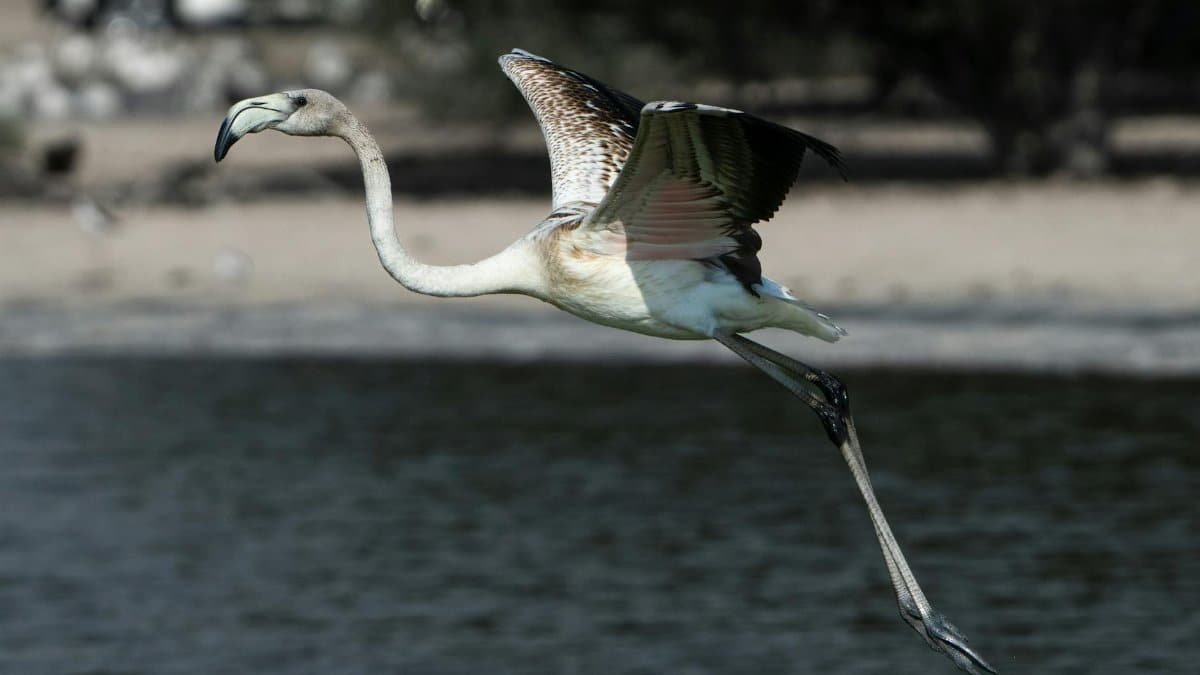
Migratory birds like warblers traverse Georgia skies, timing journeys with seasons. This precision teaches acceptance of cycles, key to emotional harmony. Wildlife behaviors teach through migration the value of letting go and moving forward. As 2025 brings new environmental policies, these patterns inspire personal growth. Ornithological data from Cornell Lab reinforces how bird watching enhances well-being.
8. Bear’s Hibernation Wisdom
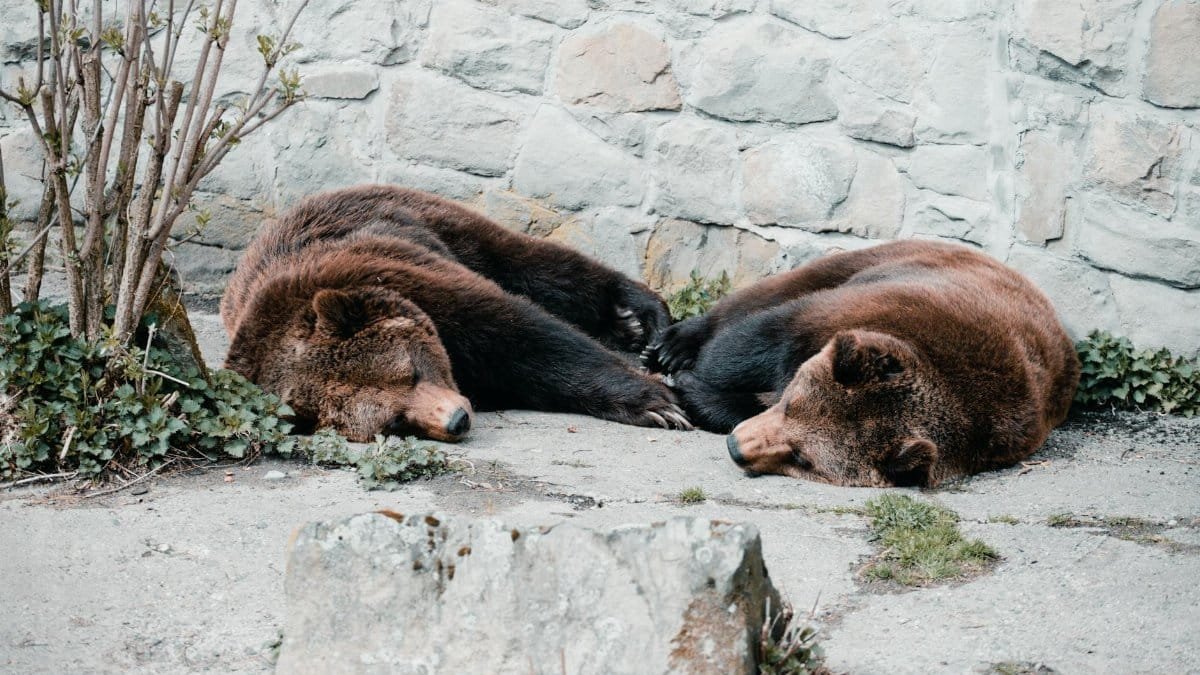
Black bears in north Georgia hibernate through winter, conserving energy. This restful phase teaches the importance of downtime for recharge. Emotional balance thrives on such periodic withdrawal. With workaholism rampant, this wildlife lesson urges self-care. Reports from the U.S. Forest Service highlight bear behaviors as models for human health, especially in stressful times.
9. Beaver’s Persistent Building
Beavers in Georgia wetlands build dams tirelessly, embodying perseverance. This behavior teaches steady effort toward goals, maintaining emotional steadiness. Wildlife, behaviors, teach resilience through such industriousness. In the face of natural disasters, Georgians see parallels in rebuilding lives. Environmental studies from the EPA note beavers’ ecosystem roles, extending to psychological insights for balance.EPA Environmental Insights provide context on wildlife impacts.