

In a city that never sleeps, where the hum of traffic and the rush of crowds define daily life, a startling figure emerges from recent research. According to a 2024 survey by the American Psychological Association, nearly 60% of urban dwellers in places like New York report experiencing heightened stress levels that lead to what experts term emotional, predict, overload—a state where feelings build up unchecked, risking burnout. This isn’t just a fleeting mood; it’s a precursor to deeper mental fatigue, often signaled by subtle emotional cues. As New Yorkers navigate packed subways and demanding jobs, recognizing these signs could be key to reclaiming balance. But what do they look like in the chaos of city living? This piece unpacks eight such cues, drawing on insights from psychology and real-life observations, to help spot overload before it spirals.
1. Persistent Irritability Over Small Things

Amid the bustle of Manhattan streets, a short fuse can signal trouble brewing. Picture a commuter snapping at a barista for a minor coffee mix-up; it’s not just rudeness, but often an early warning of emotional buildup. Psychologists note that when everyday annoyances provoke outsized reactions, the mind is hinting at an overload threshold. A study from the National Institutes of Health highlights how chronic urban stress amplifies this irritability, linking it to elevated cortisol levels that wear down emotional reserves.National Institute of Mental Health on Stress explains that such responses stem from the brain’s fight-or-flight mechanism going into overdrive in high-stimulation environments like New York.
One anonymous account shared in online forums described feeling a constant edge during rush hour, where even a delayed train sparked disproportionate anger. This isn’t rare; it builds quietly, eroding patience. To counter it, experts suggest brief pauses—stepping into a quiet park bench for a moment of breath. Yet, ignoring it lets the pressure mount, turning minor frustrations into major hurdles. In a place where time is money, acknowledging this cue demands intentional slowdowns, weaving calm into the city’s rhythm.
Varied experiences show how this irritability sneaks in. Some report it flaring during work calls, others in family interactions. The key lies in noticing patterns, not dismissing them as “just a bad day.” Over time, this awareness fosters resilience, transforming potential overload into manageable waves.
2. Difficulty Concentrating on Routine Tasks

Ever tried focusing on an email amid Times Square’s neon glow, only to reread the same line five times? This scattered attention often flags emotional, predict, overload, where the brain juggles too many inputs. Research from Harvard Medical School points to how urban noise and demands fragment focus, leading to cognitive fatigue. In New York, with its endless distractions, this cue manifests as forgotten errands or zoned-out conversations.
A brief tale from a Brooklyn resident illustrates: She sat at her desk, staring at a spreadsheet, but her mind replayed a heated argument from earlier. Hours slipped by unproductive. Such moments reveal the overload’s grip, pulling energy from the present. The Harvard Brain on Stress details how this stems from overloaded neural pathways, urging a need for mental resets like short walks in Central Park.
Shifting gears, consider how this affects broader life. Relationships suffer when presence wanes; work efficiency drops. Yet, spotting it early opens doors to strategies—mindful apps or journaling—that rebuild focus. It’s about reclaiming mental space in a city that demands constant vigilance.
3. Unexplained Physical Tension
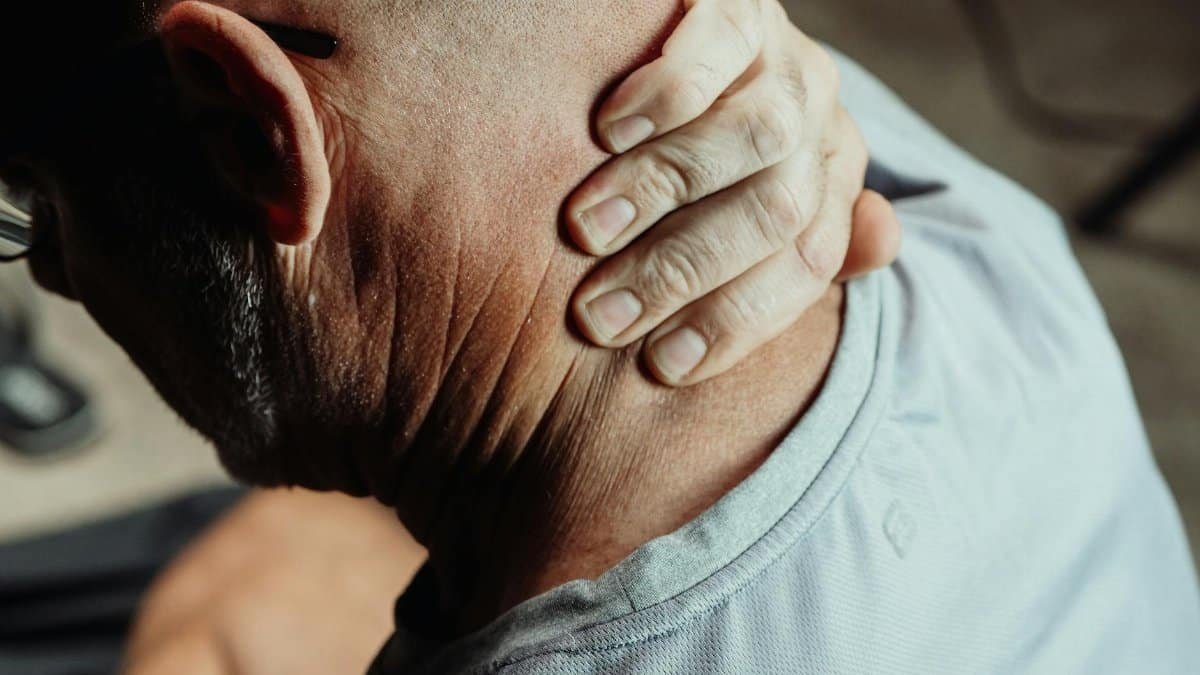
Shoulders hunched against the chill of a subway platform might seem normal, but persistent tightness often whispers of deeper emotional strain. In New York’s high-pressure vibe, bodies hold onto stress, manifesting as clenched jaws or stiff necks—cues predicting overload. The Mayo Clinic reports that such somatic symptoms link directly to emotional states, with urbanites facing amplified risks due to lifestyle pace.
Imagine a finance worker in Midtown, feeling knots in her back after back-to-back meetings. It’s not just posture; it’s the body’s archive of unprocessed feelings. A Mayo Clinic on Stress Symptoms underscores this mind-body connection, advising awareness as the first step. Online, one person recounted how ignoring this led to migraines, a wake-up call to incorporate yoga amid skyscrapers.
Exploring further, this tension ripples into sleep patterns, compounding fatigue. Simple interventions, like progressive muscle relaxation, can interrupt the cycle. In a metropolis of motion, tuning into these physical signals promotes a quieter inner world, preventing escalation.
4. Withdrawal from Social Connections

When invites to rooftop gatherings in Brooklyn start feeling burdensome, it could indicate emotional, predict, overload creeping in. New York thrives on networks, yet overload prompts isolation, as energy reserves dwindle. Pew Research Center data shows urban loneliness spiking, with 45% of city dwellers reporting reduced social engagement during stress peaks.
Take the story of a young artist in the East Village: Overwhelmed by deadlines, he skipped friends’ events, opting for solitary evenings. This retreat, while tempting, deepened his fatigue. The Pew Research on Loneliness ties this to broader trends, where digital overload exacerbates real-world withdrawal.
Digging deeper, this cue affects mental health subtly. Reconnecting, even briefly, rebuilds buffers. Perhaps a quick coffee meetup counters the pull inward. In a city of millions, recognizing this signal fosters meaningful ties amid the noise.
5. Heightened Sensitivity to Noise and Crowds
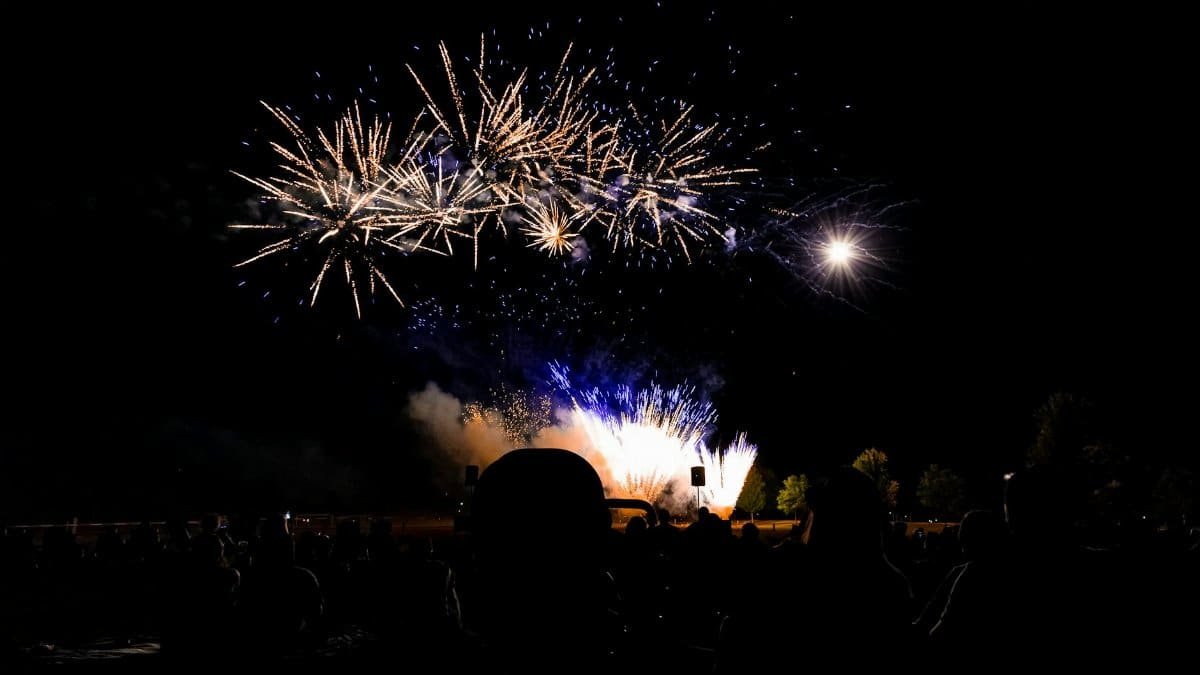
The cacophony of honking taxis on Fifth Avenue can suddenly feel unbearable, a stark cue of impending overload. For many New Yorkers, this amplified aversion signals emotional saturation, where sensory inputs overwhelm coping mechanisms. Studies from the CDC link urban noise pollution to stress disorders, intensifying this sensitivity.
A midtown office worker once described ducking into a quiet bookstore to escape the din, her heart racing from what used to be background hum. This shift marks the body’s plea for relief. The CDC on Noise Pollution provides evidence, noting health impacts that predict emotional strain.
Beyond immediate discomfort, it influences daily choices—avoiding busy areas, seeking solitude. Strategies like noise-cancelling headphones or nature escapes in Prospect Park offer respite. Embracing this awareness turns vulnerability into proactive self-care.
6. Changes in Sleep Patterns

Tossing in a dimly lit apartment as sirens wail outside often betrays emotional turmoil building toward overload. In New York, where nights blend into days, disrupted sleep—insomnia or oversleeping—serves as a reliable predictor. The Sleep Foundation’s research connects urban lifestyles to these shifts, with emotional stress as a primary driver.
Consider a teacher in Queens, lying awake replaying classroom chaos, her mind refusing rest. This pattern eroded her days. A Sleep Foundation on Urban Sleep explores how such cues stem from accumulated worries, advocating routines to restore balance.
This disruption cascades, affecting mood and productivity. Gentle adjustments, like evening wind-downs without screens, can realign. In the city’s relentless pace, honoring sleep signals safeguards overall well-being.
7. Loss of Interest in Hobbies
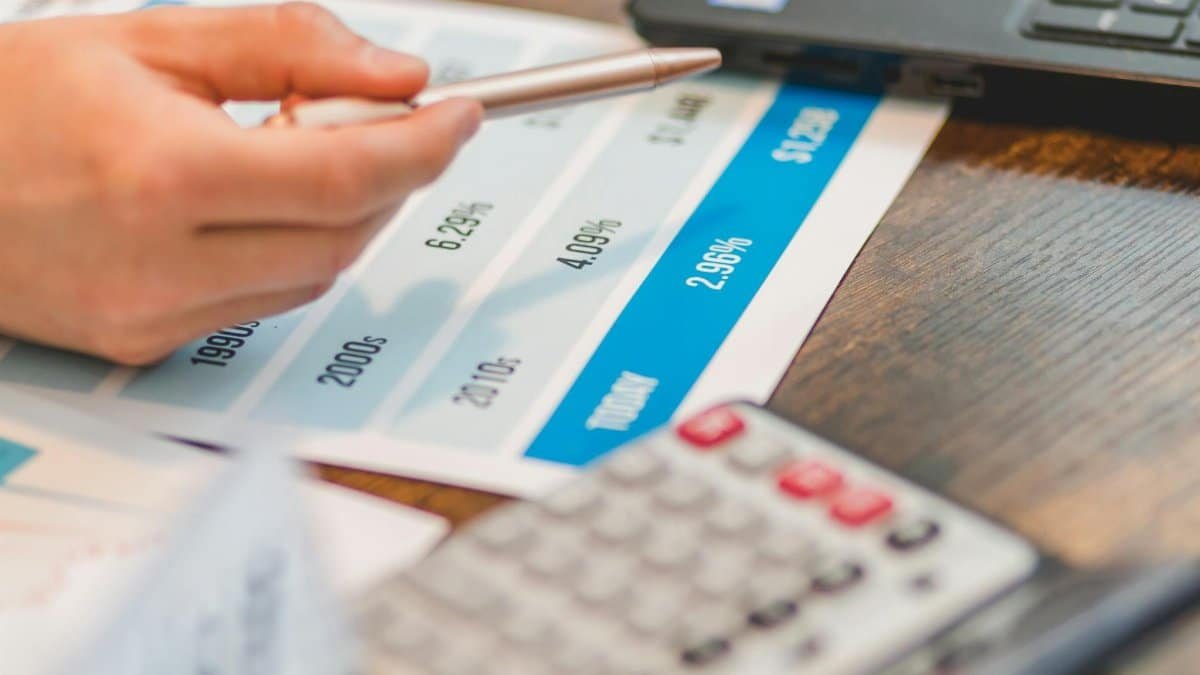
When weekend jogs along the Hudson lose their appeal, it’s worth pausing— this apathy might forecast emotional, predict, overload. New York’s vibrant scene offers endless pursuits, yet overload dims enthusiasm, leaving activities feeling hollow. Psychological insights from the APA reveal how this anhedonia ties to depleted dopamine from sustained stress.
An engineer in Chelsea shared how his guitar gathered dust amid work pressures, a void he hadn’t noticed building. Rediscovering it brought clarity. The APA on Stress and the Body supports this, linking disinterest to emotional fatigue.
Reviving passions requires small steps, perhaps integrating them into routines. This cue, if heeded, reignites joy, countering the city’s grind.
8. Frequent Feelings of Overwhelm Without Clear Cause

A vague sense of drowning in tasks, even on quieter days, rounds out these cues, directly pointing to emotional, predict, overload. In New York’s dynamic flow, this amorphous overwhelm signals internal limits reached. NIH studies emphasize its prevalence in high-density areas, urging self-reflection.
One resident recalled sitting in a cafe, staring at her to-do list, paralyzed by an invisible weight. It wasn’t one thing; it was everything. The NIMH on Managing Stress offers frameworks for addressing it, from mindfulness to professional help.
Ultimately, this cue invites deeper inquiry, transforming vague unease into actionable insights. In a city that pushes boundaries, it’s a call to nurture inner equilibrium.