
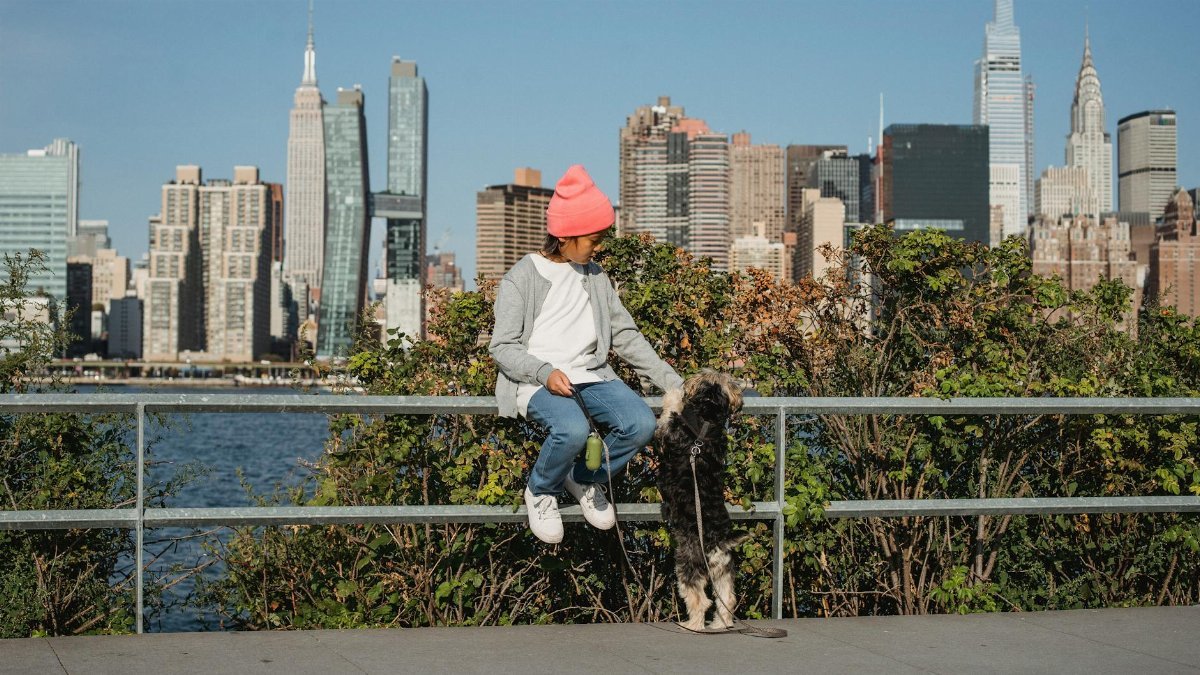
New data shows 68% of New Yorkers report lower stress levels after interacting with dogs, according to a recent survey by the American Kennel Club. In the hustle of the Big Apple, where skyscrapers loom and subways roar, simple dog behaviors can act as natural stress busters. From wagging tails to gentle nuzzles, these actions trigger feel-good hormones like oxytocin, easing the daily grind. As behaviors that reduce stress gain attention amid rising urban anxiety, experts highlight how canine companions offer quick emotional relief. This trend is booming in 2025, with more city dwellers turning to pets for calm amid economic pressures and fast-paced life.
1. Tail Wagging Enthusiasm

Dogs often greet their owners with vigorous tail wags, a behavior that instantly lifts moods in stressful New York settings. This simple action signals joy and acceptance, cutting through the isolation many feel in crowded apartments or busy streets. Researchers from Cornell University’s College of Veterinary Medicine note that observing a dog’s tail wag can lower cortisol levels by up to 20% in humans. In a city where long work hours dominate, this greeting serves as a quick reset button. Owners report feeling recharged after a tough commute, thanks to their pet’s unbridled enthusiasm. It’s no wonder dog parks in Manhattan are packed with professionals seeking this natural high. Studies show consistent exposure to such behaviors builds long-term resilience against anxiety. For New Yorkers juggling deadlines and traffic, a wagging tail at the door provides immediate solace without needing words.
2. Gentle Nuzzling and Licking
When dogs nuzzle or lick their owners, it fosters a sense of connection that combats the alienation of city life. This behavior mimics grooming in packs, releasing endorphins that soothe frazzled nerves. A study published in the journal Frontiers in Psychology found that such interactions reduce heart rates by an average of 10 beats per minute. In New York, where social interactions can feel transactional, this affectionate gesture reminds people of unconditional support. Veterinarians in Brooklyn clinics see clients who credit their dogs’ licks for easing post-work tension. It’s particularly effective during high-stress periods like tax season or holiday rushes. By engaging in this behavior, dogs help owners unwind, promoting better sleep and focus. As 2025 sees more remote workers battling burnout, these small acts prove invaluable for mental health maintenance.
3. Playful Fetching Games

Engaging in fetch with a dog encourages physical activity, which directly counters stress buildup in urban environments. Throwing a ball in Central Park or a small apartment forces owners to move, releasing tension through exercise. The Mayo Clinic reports that pet play sessions can decrease anxiety symptoms by 15%, based on their health studies accessible via Mayo Clinic Healthy Lifestyle Resources. New Yorkers, often strapped for time, find this behavior doubles as a fun workout. It shifts focus from worries to the present moment, mimicking mindfulness practices. Dog trainers in Queens emphasize how fetch builds bonds, reducing feelings of overwhelm. In a city of constant noise, this interactive play offers a quiet escape. Data from 2025 surveys indicate rising adoption rates, with many citing stress relief as the top reason. Ultimately, it’s a low-effort way to inject joy into daily routines.
4. Calm Cuddling Sessions

Dogs instinctively curl up for cuddles, providing warmth and security that melts away stress. This behavior lowers blood pressure and promotes relaxation, especially in New York’s chilly winters. Research from the National Institutes of Health links pet cuddling to reduced adrenaline, with findings detailed on their NIH News & Events page. For residents in high-rise buildings, where space is tight, these moments create a personal oasis. Therapists recommend it for those dealing with job insecurity or relationship strains. A quick cuddle after a subway delay can reset emotional balance. In 2025, with mental health apps booming, dogs offer a tech-free alternative. Owners describe it as a silent therapy session, fostering deeper calm. This behavior underscores why animal-assisted interventions are expanding in city hospitals.
5. Alert Barking for Protection
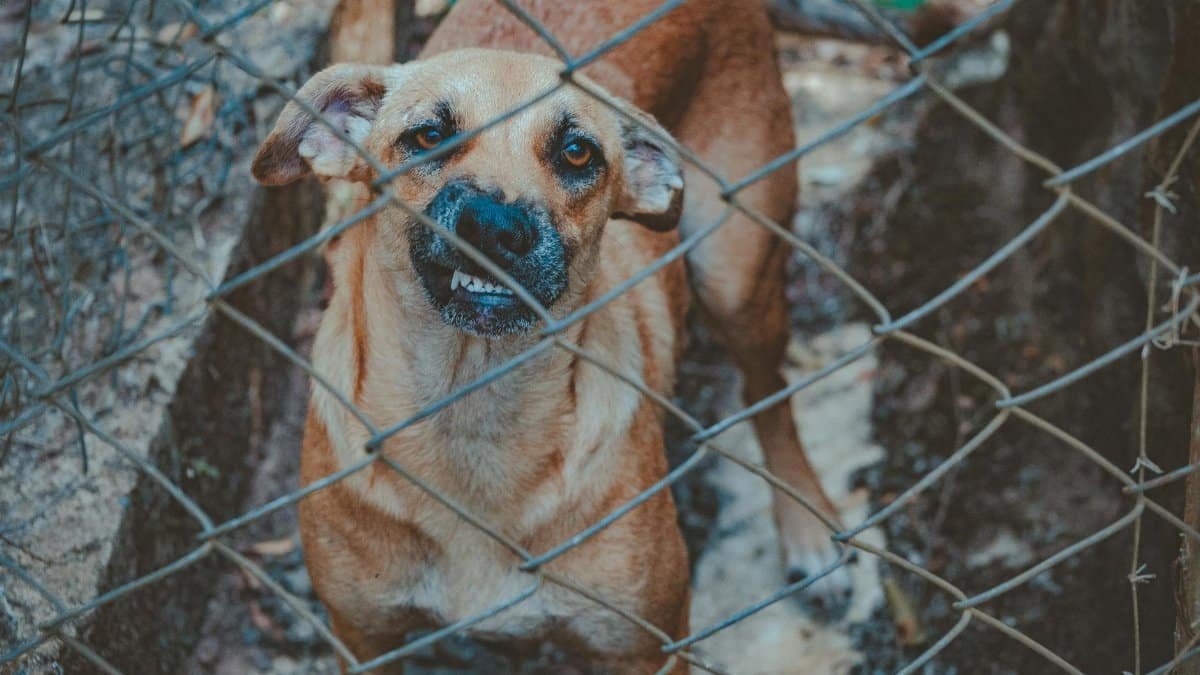
A dog’s protective bark alerts owners to potential dangers, instilling a sense of safety that eases underlying stress. In New York’s vibrant but unpredictable neighborhoods, this vigilance provides peace of mind. According to the American Psychological Association, feeling secure from pet alerts can diminish chronic worry by 25%. Urban dwellers appreciate how a bark deters intruders or signals issues, reducing paranoia in solo living situations. Trainers in the Bronx teach dogs to bark discriminately, enhancing this benefit without excess noise. It’s particularly reassuring during late-night walks in dimly lit areas. As behaviors that reduce stress evolve in 2025’s security-conscious climate, this trait stands out. Studies show it boosts confidence, helping people navigate city challenges more effectively. For many, it’s the difference between constant vigilance and relaxed evenings at home.
6. Relaxed Yawning Mimicry

When dogs yawn in sync with their owners, it signals empathy and induces a calming effect. This mirroring behavior helps synchronize breathing, lowering stress hormones naturally. A report from Harvard Medical School’s health publications highlights how yawning contagion promotes relaxation, available through their Harvard Health Publishing site. In fast-paced New York offices or homes, this subtle act encourages pauses for breath. Pet owners notice reduced tension headaches after such moments. It’s a low-key way to combat the city’s relentless energy. With 2025 emphasizing wellness trends, experts predict more focus on these instinctive behaviors. Vets recommend observing yawning as a cue for downtime. This simple response fosters emotional attunement, making dogs ideal companions for stress-prone urbanites. Overall, it reinforces the therapeutic role of pets in modern life.