
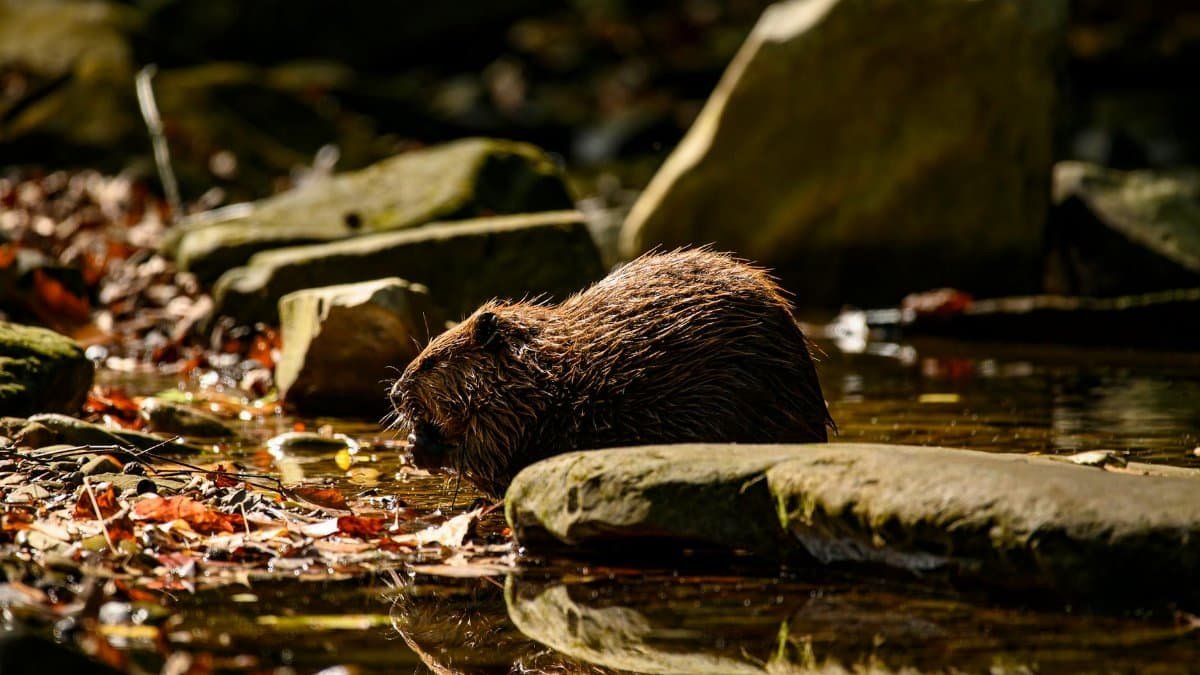
In the rolling hills of Ohio, where farmland meets suburban sprawl, a quiet drama unfolds daily among the creatures that share our spaces. A recent survey by the Ohio Department of Natural Resources found that over 60 percent of wildlife observers noted unusual behaviors in local animals, behaviors that often point to underlying stresses in their environments. These animal signals reveal hidden tensions not just in the wild, but in the broader ecosystem, including human influences like urban expansion and climate shifts. It’s a subtle language, one that whispers warnings if we pause to listen. From birds altering their songs to mammals changing their foraging patterns, these cues offer insights into imbalances that affect us all. As we navigate 2025, understanding them could bridge the gap between nature’s quiet alerts and our bustling lives.
1. Erratic Bird Calls Echoing Urban Strain
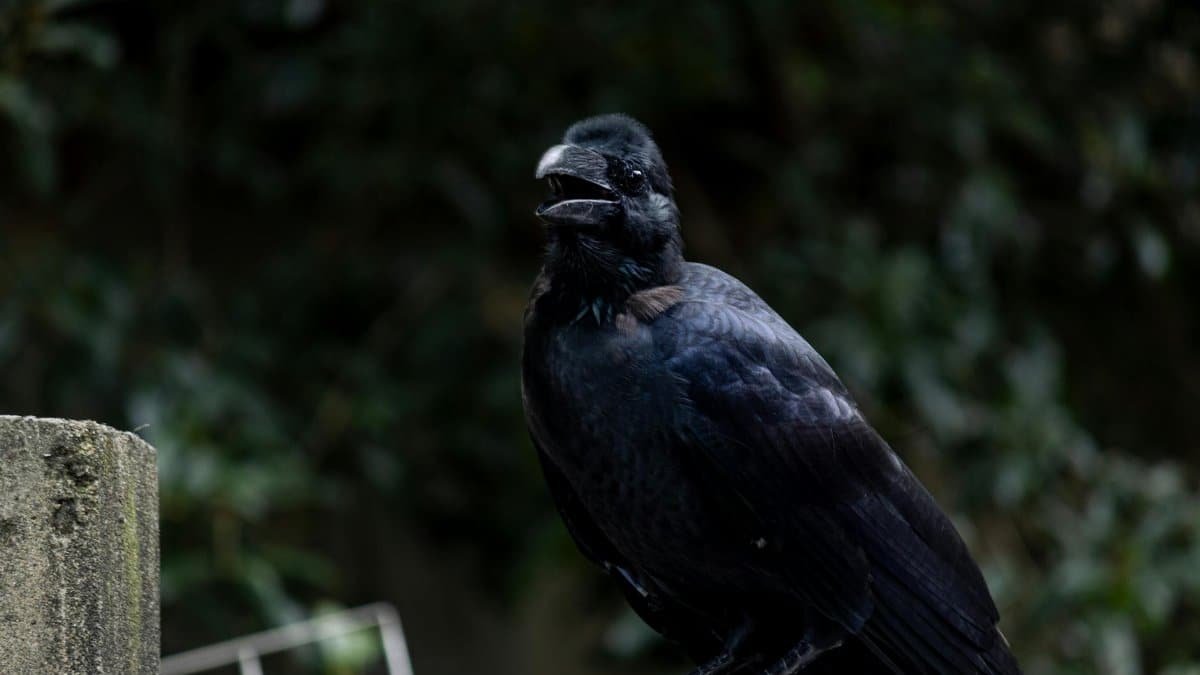
Birds have long been barometers of environmental health, their songs a soundtrack to the seasons. In Ohio’s cities like Cleveland and Columbus, ornithologists have observed a spike in irregular calling patterns among species like the American robin and northern cardinal. Instead of the usual melodic trills, these birds emit shorter, more frantic bursts, especially near busy roadways or construction sites. This shift isn’t random; it signals heightened stress from noise pollution and habitat disruption.
Consider a morning in a Toledo park, where a flock of robins suddenly scatters with sharp, abbreviated chirps as a truck rumbles by. Such moments illustrate how constant human activity fragments their world, leading to elevated cortisol levels in these feathered sentinels. Research from the Cornell Lab of Ornithology supports this, showing that urban noise can reduce breeding success by up to 20 percent.Cornell Lab of Ornithology has documented similar patterns across the Midwest, linking them to broader ecological tensions.
Yet, there’s nuance here. Not all changes spell doom; some birds adapt by shifting their vocal ranges higher to cut through the din. This resilience highlights a tension between adaptation and overload, a push-pull that mirrors human experiences in fast-growing areas. Online discussions often reveal frustrations with these changes, one anonymous account describing how altered bird songs in their backyard amplified a sense of unease during stressful workweeks.
2. Deer Freezing in Headlights, Literally and Figuratively
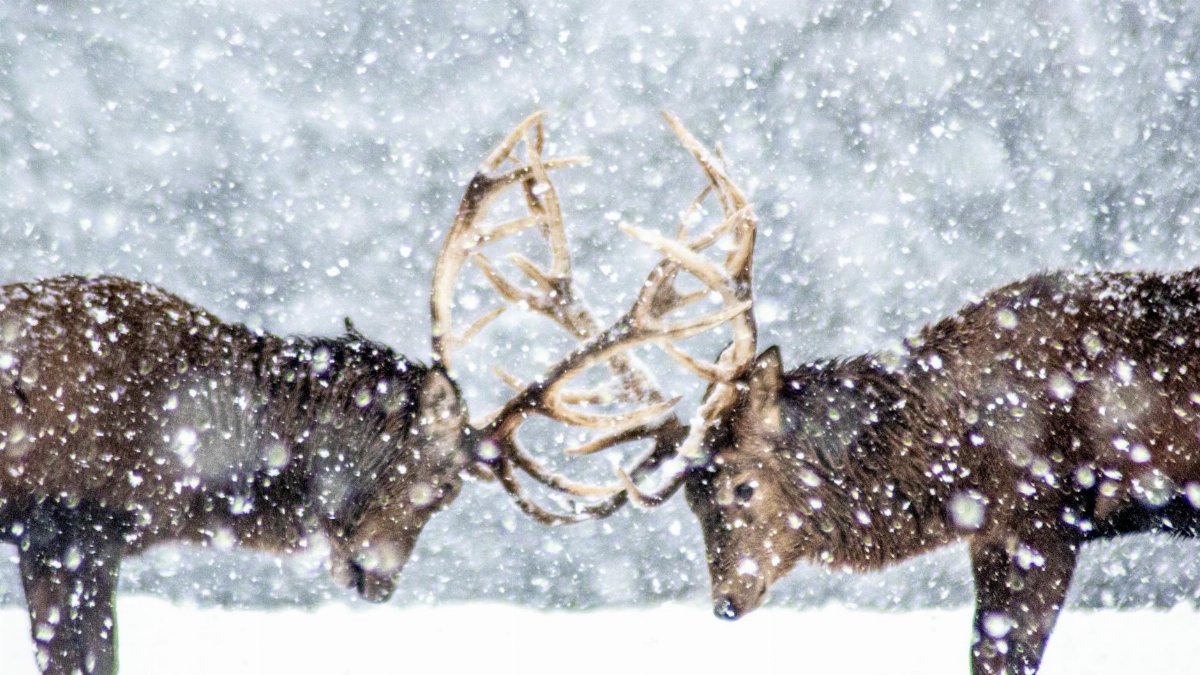
What if a deer’s wide-eyed stare isn’t just a reaction to oncoming traffic, but a clue to deeper anxieties? In Ohio’s rural counties, white-tailed deer populations have shown increased “freezing” behaviors, not only on roads but in open fields where predators are scarce. This hyper-vigilance points to hidden tensions from overhunting pressures and shrinking habitats due to agricultural expansion.
Picture a twilight scene along a country road in Amish country: a doe stands motionless, ears twitching, as if assessing invisible threats. Wildlife biologists note this as a stress response, akin to chronic anxiety in humans. A study by the Ohio State University Extension reveals that deer in fragmented landscapes exhibit 30 percent more stress indicators, like elevated heart rates during routine activities.Ohio State University Extension provides data on how these signals correlate with human land use changes.
Diving deeper, this behavior ripples outward. Farmers report more crop damage as stressed deer forage aggressively, creating economic strains. It’s a cycle of tension, where animal signals reveal the interconnected web of rural life. Reflecting on this, one might see parallels to our own frozen moments amid daily pressures, a reminder that nature’s cues often reflect our shared environment.
3. Squirrels Hoarding with Unusual Urgency
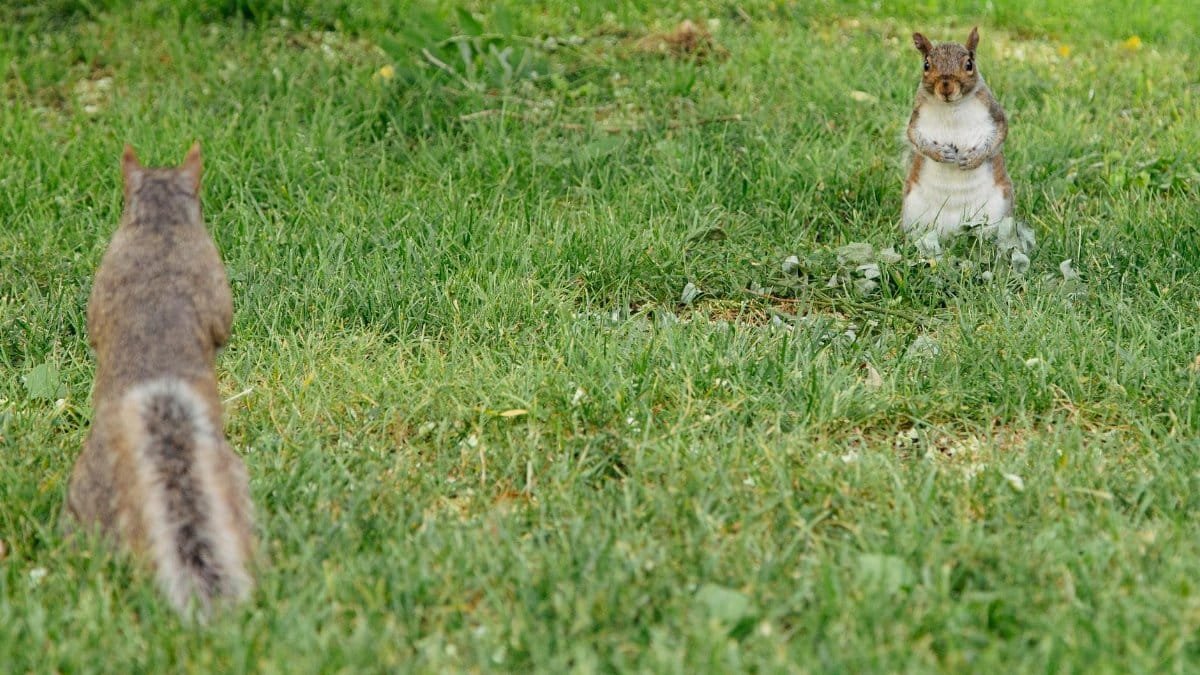
Squirrels darting frantically, burying nuts in erratic patterns, might seem like typical autumn bustle. But in Ohio’s state parks and suburban backyards, experts have spotted a marked intensity in this hoarding, suggesting underlying food scarcity tensions driven by erratic weather patterns.
Start with an observation from Cuyahoga Valley National Park: a gray squirrel repeatedly digs and re-digs the same spot, its movements jerky and repetitive. This isn’t play; it’s a sign of anxiety over unpredictable resources, exacerbated by droughts and floods that have hit Ohio hard in recent years. The U.S. Geological Survey tracks such behaviors, noting a 15 percent increase in hoarding intensity linked to climate variability.U.S. Geological Survey offers insights into how these patterns indicate ecosystem stress.
There’s a storytelling layer here. Locals share tales of squirrels invading bird feeders more aggressively, a behavior that spikes during harsh winters. This urgency reveals tensions in biodiversity, where one species’ stress affects the food chain. In 2025, as weather extremes continue, these signals could guide conservation efforts, turning observation into action.
4. Frogs Croaking Out of Sync in Wetlands
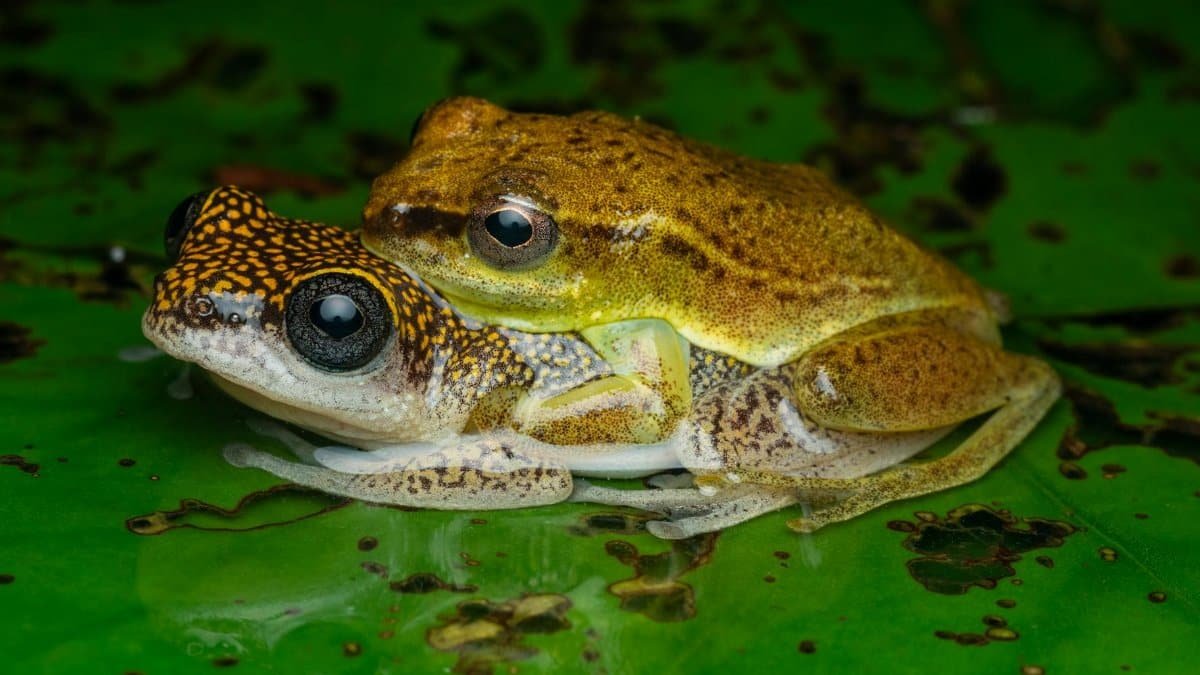
Amid the chorus of a summer night, a discordant note emerges. Ohio’s wetlands, from the shores of Lake Erie to inland marshes, host frogs whose calls are increasingly out of rhythm, a subtle signal of pollution and temperature shifts causing hidden tensions in aquatic ecosystems.
Imagine wading through a preserve near Sandusky: the usual symphony of peeps and croaks falters, with some frogs starting late or stopping abruptly. Herpetologists attribute this to contaminants like pesticides runoff, which disrupt breeding cycles. A report from the Environmental Protection Agency highlights how such disruptions lead to population declines, with Ohio frogs showing 25 percent more irregular calling in affected areas.Environmental Protection Agency details the impacts of water quality on amphibian behavior.
Yet, this isn’t all alarm. Some species adapt by altering call frequencies, a testament to evolutionary grit. The tension lies in the balance: how much disruption before irreversible damage? Weaving in a broader view, these animal signals reveal the fragility of wetlands, urging us to reconsider agricultural practices that seep into these vital habitats.
5. Bees Swarming Prematurely Amid Floral Shortages
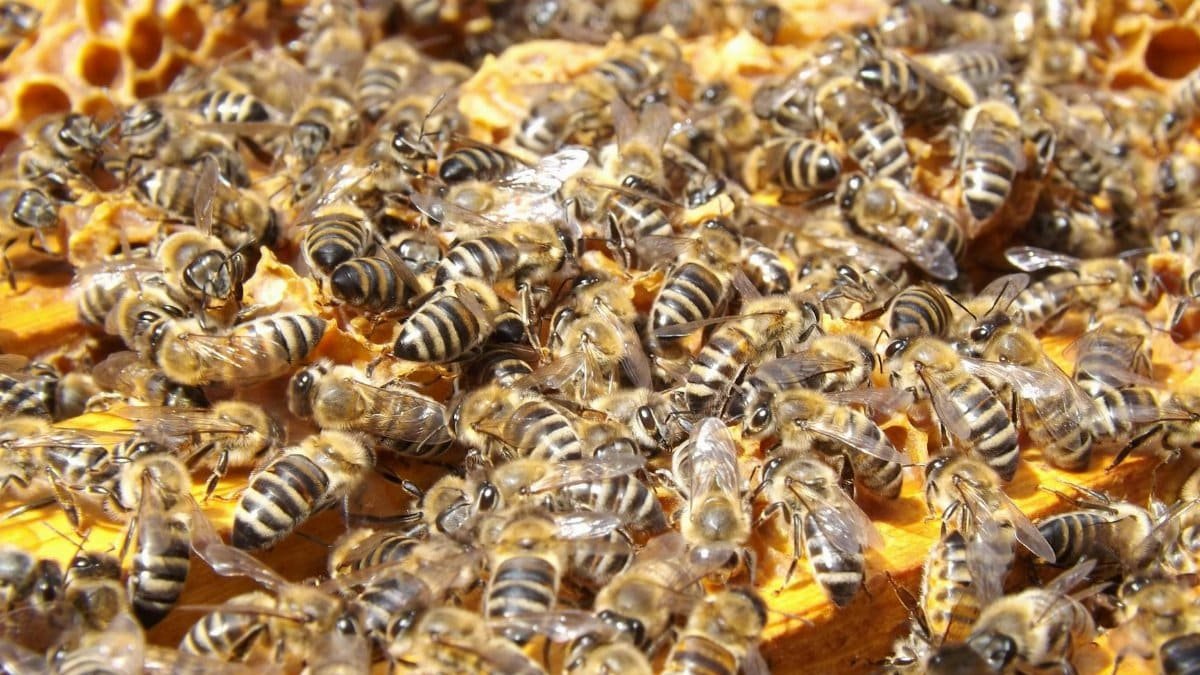
Bees, those tireless pollinators, usually swarm in predictable cycles. In Ohio’s orchards and meadows, however, premature swarming has become more common, revealing tensions from pesticide exposure and loss of wildflower diversity.
A beekeeper in the heart of apple country notices hives buzzing chaotically earlier than expected, workers abandoning combs in search of scarce nectar. This behavior flags stress from monoculture farming, where vast fields lack the varied blooms bees need. The National Institutes of Health has studied similar patterns, finding that stressed colonies produce 40 percent less honey and face higher mortality.National Institutes of Health explores the health implications for pollinators.
There’s complexity in this dance. Swarming can also signal hive overcrowding, a positive growth sign twisted by external pressures. Online accounts from hobbyist beekeepers describe the heartbreak of watching colonies falter, echoing wider concerns about food security. In essence, these signals underscore the hidden costs of modern agriculture, prompting calls for more bee-friendly policies in 2025.
6. Owls Hunting Diurnally, Defying Nocturnal Norms
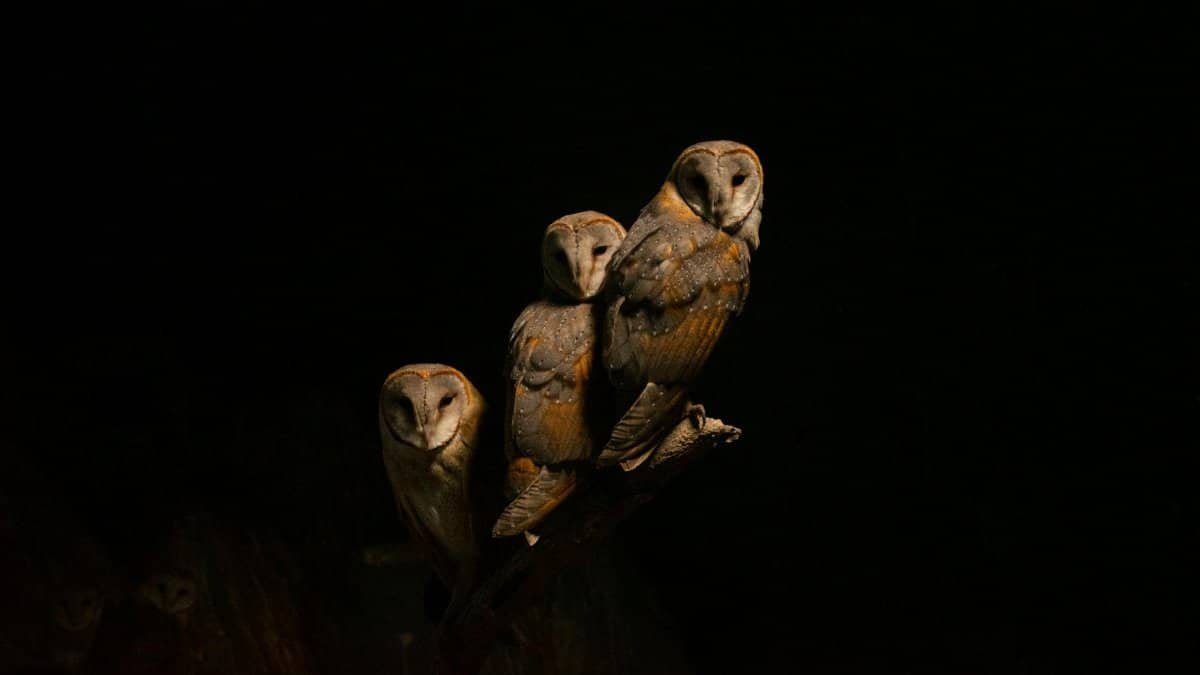
Owls, icons of the night, shifting to daytime hunts? In Ohio’s forests, from the Hocking Hills to urban woodlots, barn owls and great horned owls are increasingly active during daylight, a clear signal of prey shortages and habitat pressures.
Envision a midday hike where a silent shadow glides overhead, an owl pouncing on a field mouse in broad light. This deviation from nocturnal habits indicates stress from competition or light pollution disrupting natural rhythms. Wildlife research from the Pew Charitable Trusts notes a 10 percent rise in diurnal activity among owls in fragmented habitats.Pew Charitable Trusts provides data on biodiversity trends.
Delving into the why, it’s often tied to rodent populations fluctuating due to invasive species or chemical controls. This tension reveals broader ecosystem imbalances, where one predator’s shift affects the chain. Reflecting on these observations, it’s evident that animal signals like this invite us to address root causes, fostering a more harmonious coexistence in Ohio’s evolving landscapes.