

In a state as vast and varied as Texas, where the pace of life can swing from the bustling streets of Houston to the quiet expanses of the Panhandle, one statistic stands out. According to a 2024 survey by the American Psychological Association, nearly 40% of Texans report heightened stress levels compared to the national average, a jump from just 28% a decade ago. This surge highlights a growing concern: the subtle emotional cues that signal impending overload. What if recognizing these signs early could prevent burnout before it takes hold? As we navigate 2025, understanding emotional, predict, overload becomes essential. It involves spotting patterns in our feelings that forecast when we’re nearing a breaking point, often tied to the unique pressures of Texas living, from economic shifts to environmental stressors. This awareness isn’t just theoretical; it’s a practical tool for maintaining balance amid the Lone Star State’s relentless demands.
1. Heightened Irritability in Daily Routines

Irritability often creeps in quietly, manifesting as a short fuse over minor annoyances. In Texas, where long commutes in cities like Dallas or Austin amplify frustrations, this cue can predict emotional overload before it escalates. Consider a middle-aged accountant in Fort Worth who snaps at a coworker over a misplaced file; it’s not just a bad day, but a signal of accumulating stress from juggling work deadlines and family obligations.
Research supports this observation. A study from the University of Texas at Austin found that chronic irritability correlates with elevated cortisol levels, increasing the risk of burnout by 25%.University of Texas at Austin News details how such emotional responses build over time, especially in high-pressure environments. This isn’t isolated; online accounts frequently describe similar experiences, like one anonymous post noting how traffic jams in Houston turned routine drives into sources of rage, hinting at deeper exhaustion.
Yet, it’s not all doom. Recognizing this early allows for interventions, such as brief mindfulness breaks. Picture a teacher in San Antonio pausing to breathe during a chaotic school day. That small act disrupts the cycle. Still, the tension lies in distinguishing normal frustration from a warning sign. In Texas’s competitive job market, ignoring it can lead to full-blown overload, where emotions predict a crash that’s hard to reverse.
Shifting gears, experts suggest tracking these moments in a journal. It transforms vague feelings into data, revealing patterns tied to specific triggers, like seasonal heat waves that exacerbate irritability for outdoor workers in West Texas.
2. Persistent Fatigue Despite Adequate Rest

Start with a question that lingers: why does sleep fail to refresh when emotional burdens weigh heavy? In Texas, where oil field workers in the Permian Basin or tech professionals in Austin push through grueling schedules, fatigue often signals overload on the horizon. It’s that bone-deep weariness that lingers even after a full night’s rest, a cue rooted in mental rather than physical exhaustion.
Delving deeper, a report from the Centers for Disease Control and Prevention indicates that 35% of adults in Southern states, including Texas, experience insufficient restorative sleep linked to stress.CDC Sleep and Sleep Disorders page outlines how emotional factors disrupt sleep quality, predicting broader overload. Imagine a nurse in El Paso, clocking off after a 12-hour shift, only to lie awake replaying patient interactions; her fatigue builds, forecasting a tipping point.
This cue intertwines with Texas’s cultural emphasis on grit. Many push through, mistaking endurance for strength. But studies show otherwise. Harvard Medical School’s research on chronic fatigue syndromes reveals that ignoring emotional signals leads to decreased productivity and health issues.Harvard Health Publishing on Fatigue emphasizes early detection through self-assessment tools.
Weaving in a snapshot: a rancher near Amarillo described in a public forum how endless drought worries left him exhausted, despite early bedtimes. It wasn’t the labor; it was the unspoken anxiety. Addressing this involves reframing rest, incorporating activities like evening walks under the vast Texas sky to recalibrate.
Transitions to prevention feel natural here. Simple adjustments, such as limiting screen time, can mitigate the buildup, turning a predictive cue into a manageable alert.
3. Withdrawal from Social Connections

Anecdotes bring this cue alive. Take the story of a Houston engineer who suddenly skips family barbecues, once his weekend highlight. In Texas’s community-oriented culture, pulling away like this often predicts emotional overload, as isolation feeds the cycle of stress.
Backing this, Pew Research Center’s 2023 findings show that 28% of Americans, with higher rates in urban Texas areas, report increased social withdrawal amid rising mental health challenges.Pew Research on Mental Health highlights how such behavior foreshadows burnout, particularly in states with diverse populations facing economic pressures.
Yet, there’s complexity. Withdrawal isn’t always deliberate; it can stem from overwhelmed schedules in booming cities like Dallas. A brief observation: friends notice the change first, perhaps during a missed group outing to a Spurs game. This emotional shift predicts overload when paired with other signs, like diminished enthusiasm for hobbies.
Countering it requires intention. Reconnecting through small gestures, such as a quick coffee meetup in Austin’s vibrant cafes, rebuilds bonds. The narrative shifts from isolation to support, essential in a state where “emotional, predict, overload” manifests in subtle social retreats.
Reflecting on trends, as 2025 unfolds, virtual connections via apps might bridge gaps, but nothing replaces face-to-face Texas hospitality.
4. Difficulty Concentrating on Tasks

Dive straight into the haze: scattered thoughts that derail focus, a common predictor in fast-paced Texas environments. Whether it’s a student in College Station struggling with assignments or a business owner in Corpus Christi juggling invoices, this cue signals emotional overload brewing beneath the surface.
Evidence from the National Institutes of Health points to cognitive impairments tied to stress, with Texas ranking high in reported concentration issues due to factors like natural disasters.NIMH on Stress explains how prolonged emotional strain affects brain function, forecasting overload if unaddressed.
Storytelling illuminates: envision a chef in San Antonio’s River Walk district, recipes blurring as worries about staffing shortages intrude. It’s not laziness; it’s an emotional red flag. Online discussions echo this, with one account sharing how wildfire season in the Hill Country scattered focus, leading to near-misses at work.
The tension arises in balancing demands. Techniques like the Pomodoro method offer relief, breaking tasks into focused bursts. In Texas’s entrepreneurial spirit, adapting these predicts better outcomes, turning potential overload into managed energy.
Smoothly, this leads to broader implications: ignoring concentration lapses can cascade into professional setbacks, emphasizing proactive awareness.
5. Changes in Appetite or Eating Habits

Observe the shift: skipping meals or bingeing on comfort foods, often overlooked until it predicts deeper emotional turmoil. In Texas, where cuisine from Tex-Mex to barbecue tempts constantly, appetite changes cue overload amid life’s pressures.
A Mayo Clinic study links stress-induced eating patterns to increased risk of emotional exhaustion, prevalent in Southern states.Mayo Clinic on Stress Management details how these habits signal impending burnout, especially in high-stress occupations like those in Texas’s energy sector.
Nuance emerges in personal stories. A teacher in Lubbock might notice reaching for snacks during grading marathons, not from hunger but anxiety. This emotional, predict, overload pattern builds quietly, tied to seasonal academic cycles.
Addressing it involves mindful eating practices, perhaps savoring a slow meal with family. The rhythm changes: from reactive to intentional, preventing the slide into full overload.
Looking ahead in 2025, wellness programs in Texas workplaces increasingly incorporate nutrition counseling, recognizing this cue’s predictive power.
6. Increased Physical Tension or Aches
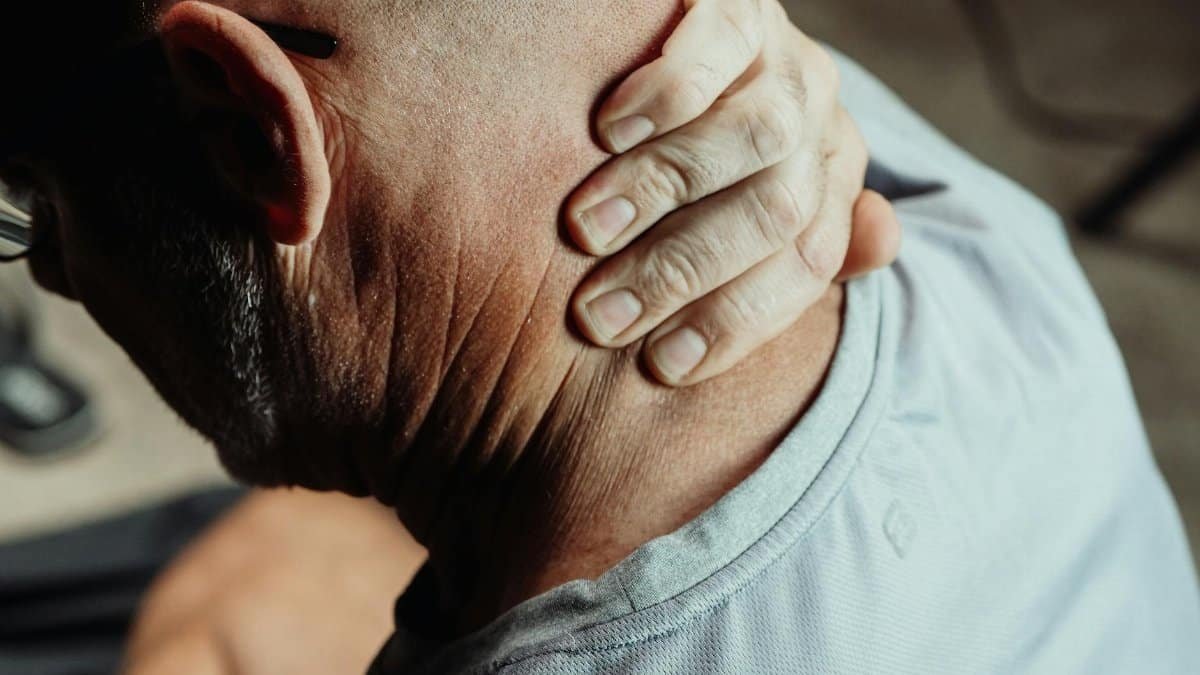
End with a bold note: bodily signals don’t lie. Tense shoulders or unexplained headaches often predict emotional overload, particularly in Texas’s physically demanding lifestyles, from ranching to urban hustles.
Supporting data from the American Psychological Association’s Stress in America survey shows 44% of respondents experience physical symptoms of stress, with Texas figures slightly higher due to climate and economic factors.APA Stress in America archives underscore how these aches forecast mental strain.
A vivid snapshot: a construction worker in Galveston feels knots in his back after days of hurricane prep worries, not just from labor. It’s the emotional weight manifesting physically, a clear predictor.
Interventions vary. Yoga classes popping up in Austin studios offer relief, blending movement with mindfulness. The complexity: these symptoms can mimic other issues, requiring discernment.
In wrapping this, remember that in Texas, where resilience is prized, tuning into these cues fosters true strength. As we face 2025’s uncertainties, embracing emotional, predict, overload awareness equips us to thrive, not just survive.