
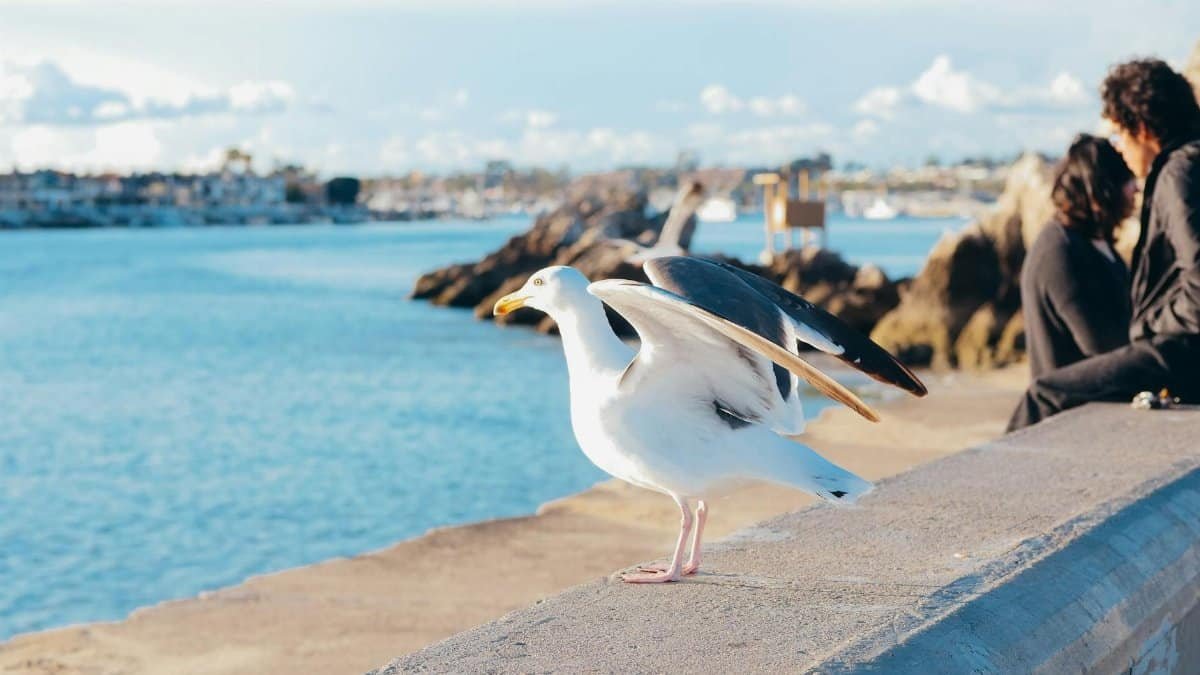
In bustling California cities like Los Angeles and San Francisco, a quiet movement is gaining ground. Amid the relentless pace of tech startups and endless commutes, more residents are turning to subtle inspirations from the natural world to reclaim moments of calm. It’s not about grand escapes; it’s the everyday encounters with wildlife that prompt a pause. This intersection of animal, people, california reveals how creatures in our midst—from coastal seals to mountain birds—offer unspoken lessons in deceleration. A recent survey by the California Department of Fish and Wildlife noted a surge in urban nature walks, where participants report feeling more grounded. As life accelerates in 2025, these animal cues serve as gentle reminders that slowing down isn’t a luxury, but a necessity woven into the state’s diverse landscapes.
1. Sea Otters Floating in Coastal Waters
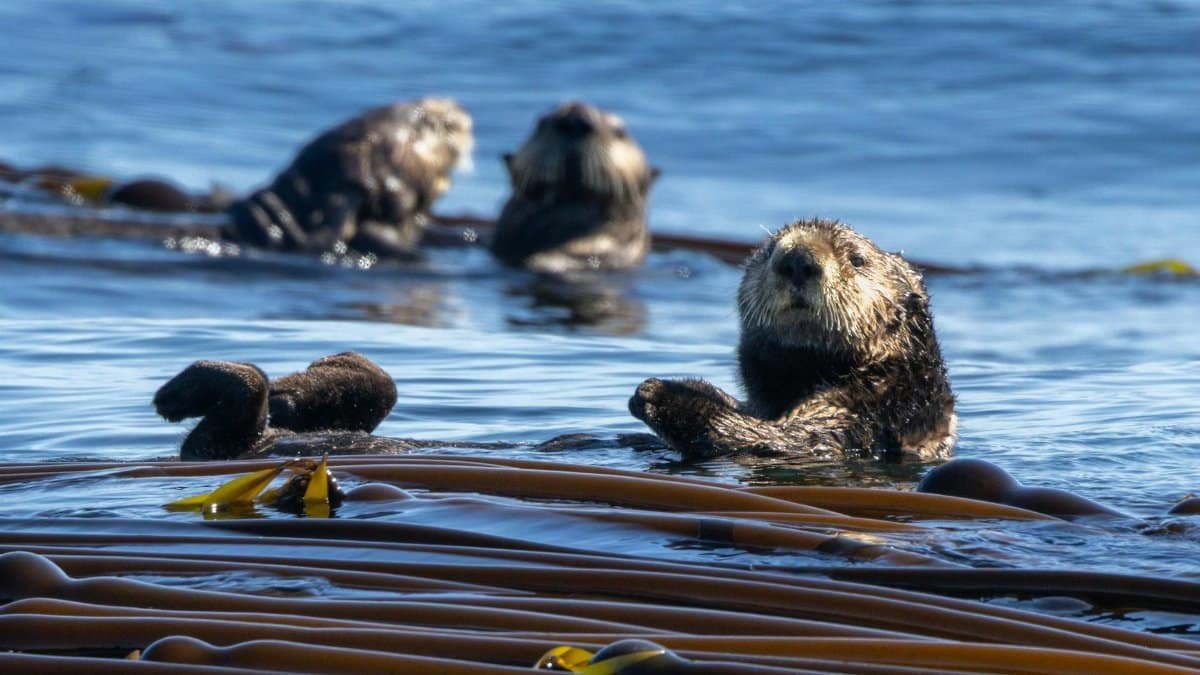
Along California’s rugged coastline, sea otters embody effortless repose. These furry mammals often float on their backs in kelp forests, tools in paw, cracking open shellfish with unhurried precision. For harried locals, spotting one during a beach stroll in Monterey can shift the day’s rhythm entirely. Imagine a software engineer from Silicon Valley, pausing mid-jog to watch an otter groom its fur. That simple act, devoid of rush, invites reflection on one’s own frenzied schedule.
Research supports this. A study from the Monterey Bay Aquarium highlights how observing marine mammals reduces stress hormones. Participants exposed to otter behaviors reported lower cortisol levels after just 15 minutes. It’s a practical nudge: in a state where traffic jams define daily life, these creatures model balance amid the waves.
One anonymous account shared publicly online described a transformative moment: feeling overwhelmed by deadlines, the person wandered to the shore and mimicked an otter’s float in shallow water. “It was silly at first,” they recalled, “but suddenly, the world felt manageable.” Such stories underscore the cue’s power, blending whimsy with real relief.Monterey Bay Aquarium Sea Otter Research provides deeper insights into these behaviors and their calming effects.
2. Hummingbirds Hovering in Garden Patches
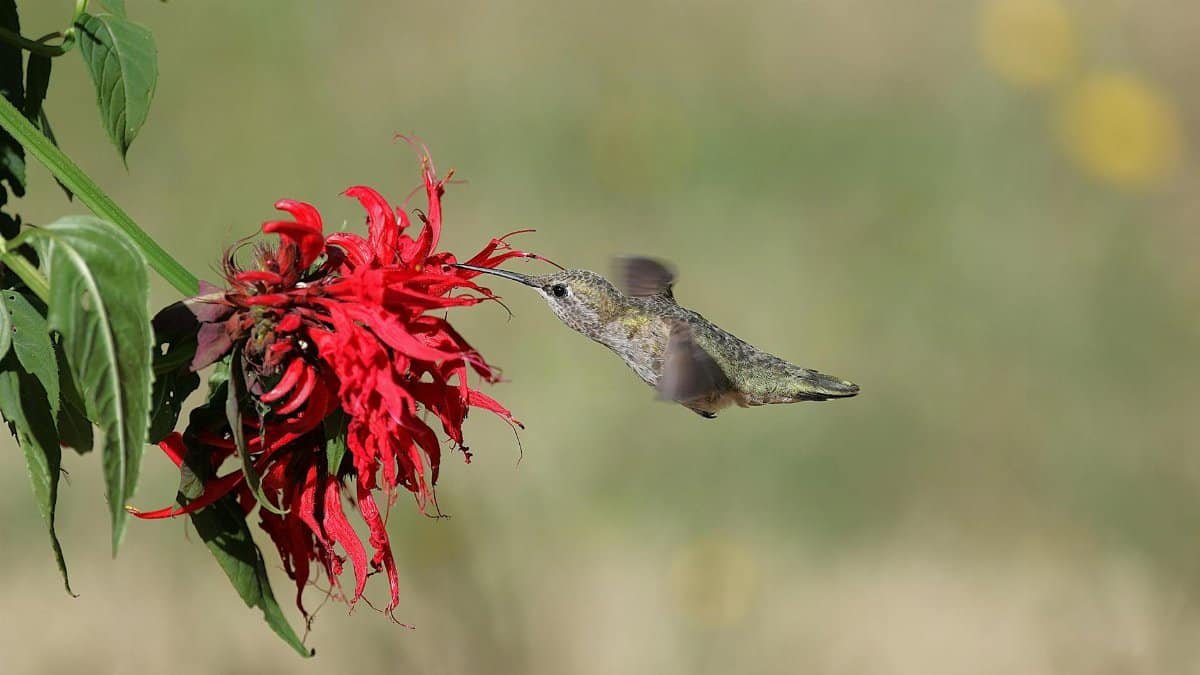
What if a tiny bird could teach the art of presence? In California’s suburban backyards and urban balconies, hummingbirds dart and hover, sipping nectar with focused intensity. Their rapid wingbeats—up to 80 per second—contrast sharply with moments of stillness, a duality that resonates in a fast-paced culture.
Picture a retiree in San Diego, sipping coffee as a ruby-throated hummingbird pauses mid-air. That brief suspension cuts through the mental noise, encouraging a similar hover in one’s thoughts. Experts from the Audubon Society note that such observations foster mindfulness, akin to meditation practices gaining traction in 2025 wellness trends.
This cue isn’t abstract. During a community garden tour in Oakland, participants shared how watching these birds helped them unplug from constant notifications. One woman laughed, recounting how the bird’s poise mirrored her yoga attempts: erratic at first, then serene.
For evidence, turn to findings from the University of California, Davis, where avian studies link birdwatching to improved mood regulation.Audubon Society Hummingbird Guide details these behaviors.
3. Deer Grazing in Mountain Meadows
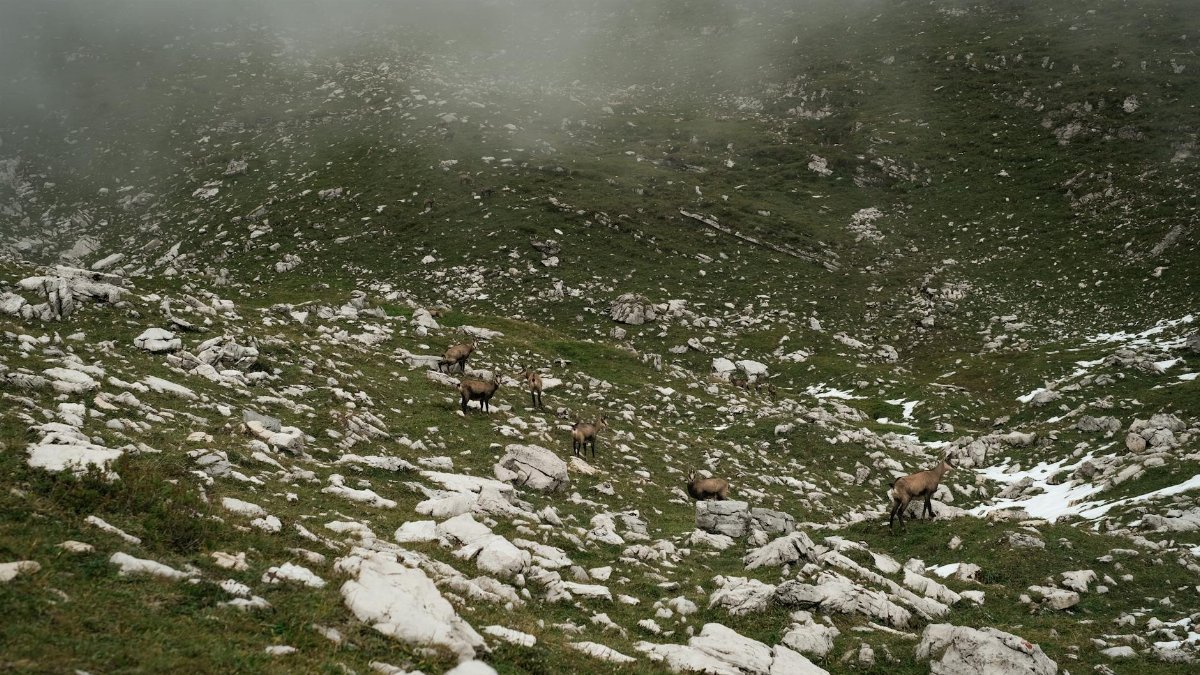
High in the Sierra Nevada, deer move with deliberate grace, nibbling grass without a hint of haste. This scene, common in places like Yosemite, offers Californians a visual antidote to urban urgency. Visitors often find themselves mirroring the animals’ calm, breaths syncing with the gentle foraging.
A ranger once described leading a hike where a group encountered a herd at dusk. The collective pause was palpable; conversations hushed as people absorbed the tranquility. In a state grappling with burnout—evident in rising mental health initiatives—these encounters provide organic therapy.
Blending narrative with data, a report from the National Park Service reveals that time in deer habitats correlates with reduced anxiety. It’s not magic; it’s biology, as the serene setting activates parasympathetic responses.
Yet tensions arise: development encroaches on these spaces, making such cues rarer. Still, they persist, urging a slower stride amid California’s wild expanses.National Park Service Yosemite Wildlife explores deer ecology and visitor impacts.
4. Seals Basking on Rocky Shores
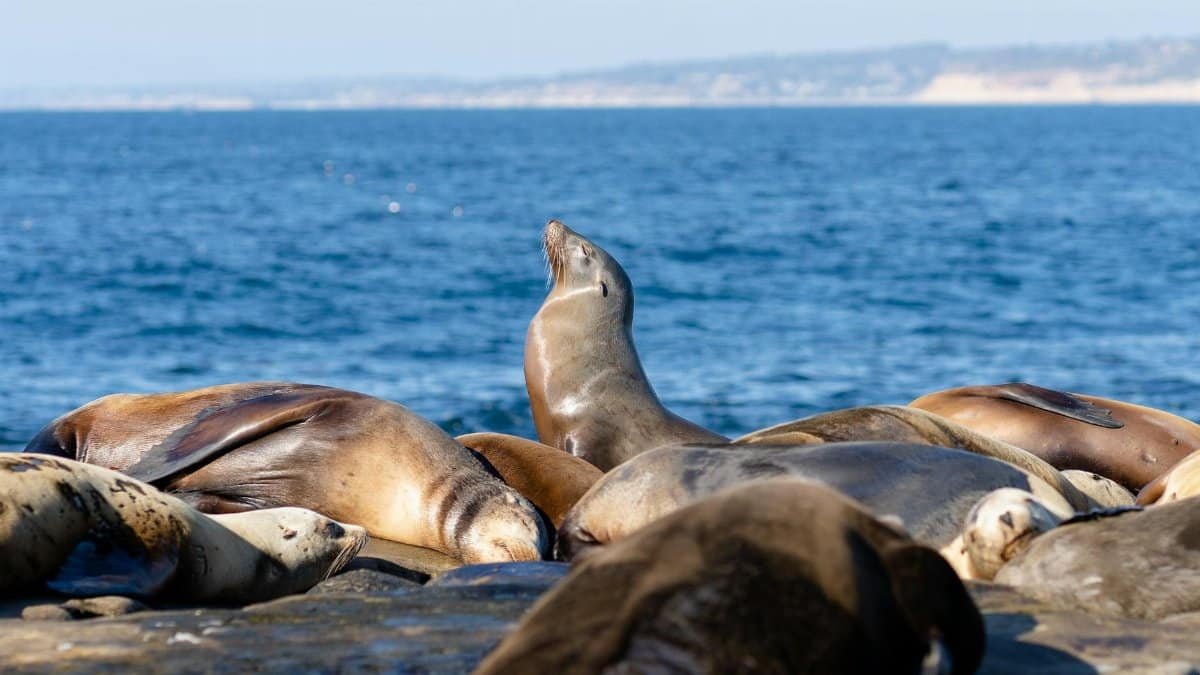
Seals lounging on sun-warmed rocks along the Pacific Coast Highway exemplify idle contentment. Their flippers flop lazily, eyes half-closed against the spray, a stark contrast to the drivers zooming past. For those who pull over, this sight prompts an involuntary exhale, a break from the grind.
In Santa Barbara, beachgoers often gather to watch harbor seals in groups, their synchronized rests fostering a communal slowdown. A local artist shared how these moments inspired her work: “They don’t chase productivity; they just exist.” This resonates in 2025, as remote work blurs boundaries, leaving many craving boundaries of their own.
Scientific backing comes from marine biology research at the University of California, Santa Cruz, showing that proximity to such wildlife enhances relaxation through biofeedback mechanisms.
Occasionally, the cue sparks deeper reflection. What if emulating seals meant reclaiming lunch hours for true rest? It’s a subtle revolution against hustle culture.UC Santa Cruz Marine Mammal Research offers studies on seal behaviors.
5. Butterflies Migrating Through Valleys
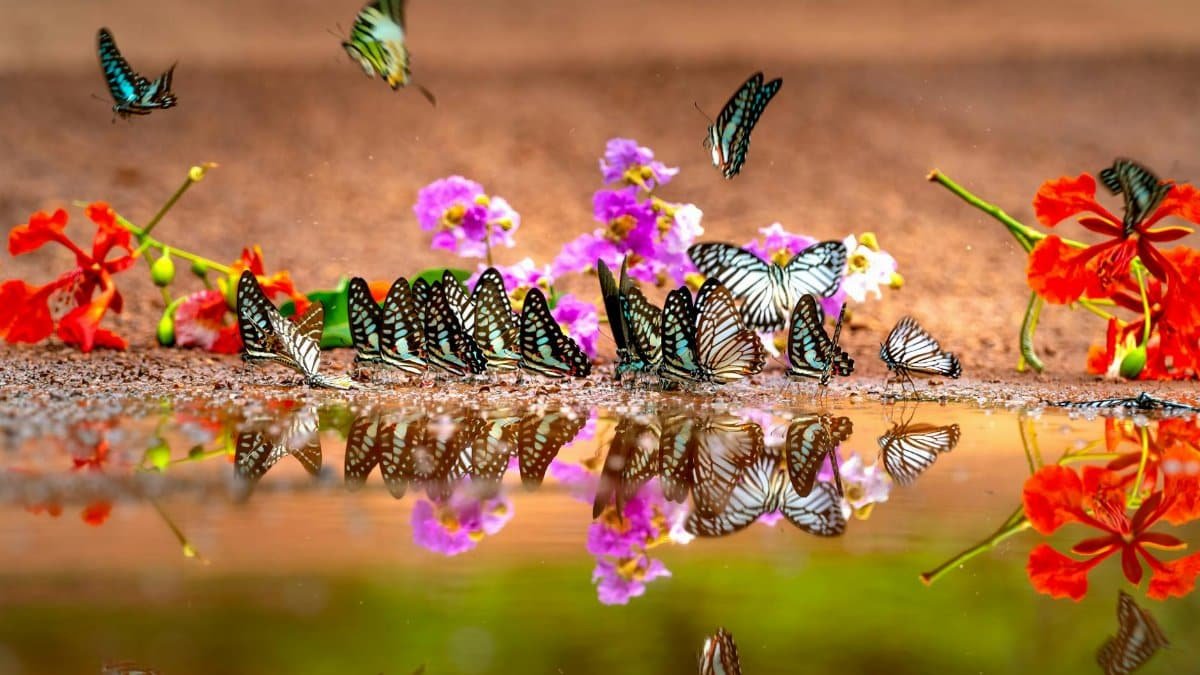
Monarch butterflies fluttering through California’s central valleys carry a message of patient journeying. Their annual migrations, spanning generations, unfold without frenzy, a spectacle that draws families to sanctuaries like Pismo Beach.
Start with a family’s outing: children chase the orange wings, but soon settle into quiet watching, time stretching as wings beat softly. This cue taps into broader trends, where nature-based activities counter digital overload.
Anecdotes abound. One parent recalled a child’s insight: “They don’t hurry, and they still get there.” It’s poignant, especially as schools incorporate mindfulness programs inspired by such observations.
Data from the Xerces Society confirms that engaging with butterfly migrations boosts emotional well-being, with surveys showing decreased stress in participants.
Yet challenges persist; habitat loss threatens these cues, highlighting the need for conservation to preserve their calming influence.
6. Owls Perching in Twilight Forests
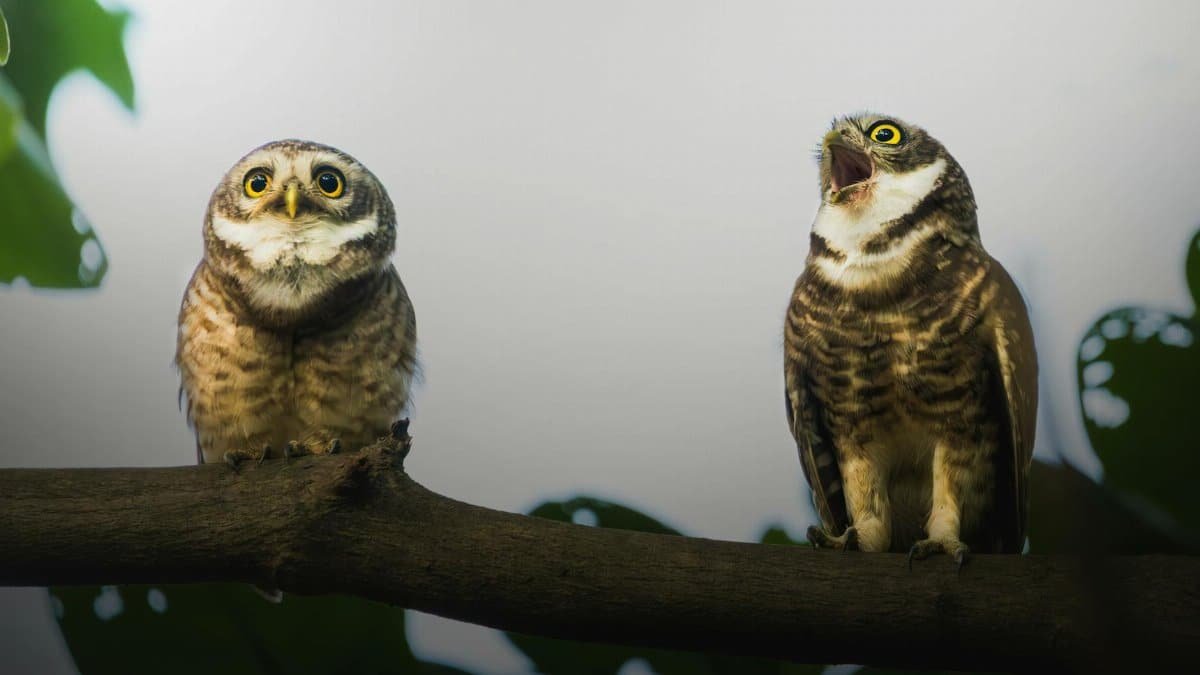
As evening falls in Redwood groves, owls perch silently, eyes piercing the dim light. Their stillness amid the rustle of leaves invites observers to tune into subtleties, a practice that’s increasingly vital in noise-saturated California.
Dive into a night hike in Big Sur: a group spots a great horned owl, and whispers fade to awe. The bird’s composure contrasts with the day’s chaos, fostering introspection.
From a reflective angle, this cue addresses sleep disruptions common in 2025’s always-on society. Studies link nocturnal wildlife viewing to better circadian rhythms.
An anonymized online share captured it: “Watching that owl, I realized my worries could wait till morning.” It’s a testament to the cue’s quiet potency.USDA Forest Service Redwood Information includes owl habitats.
7. Squirrels Foraging in Urban Parks
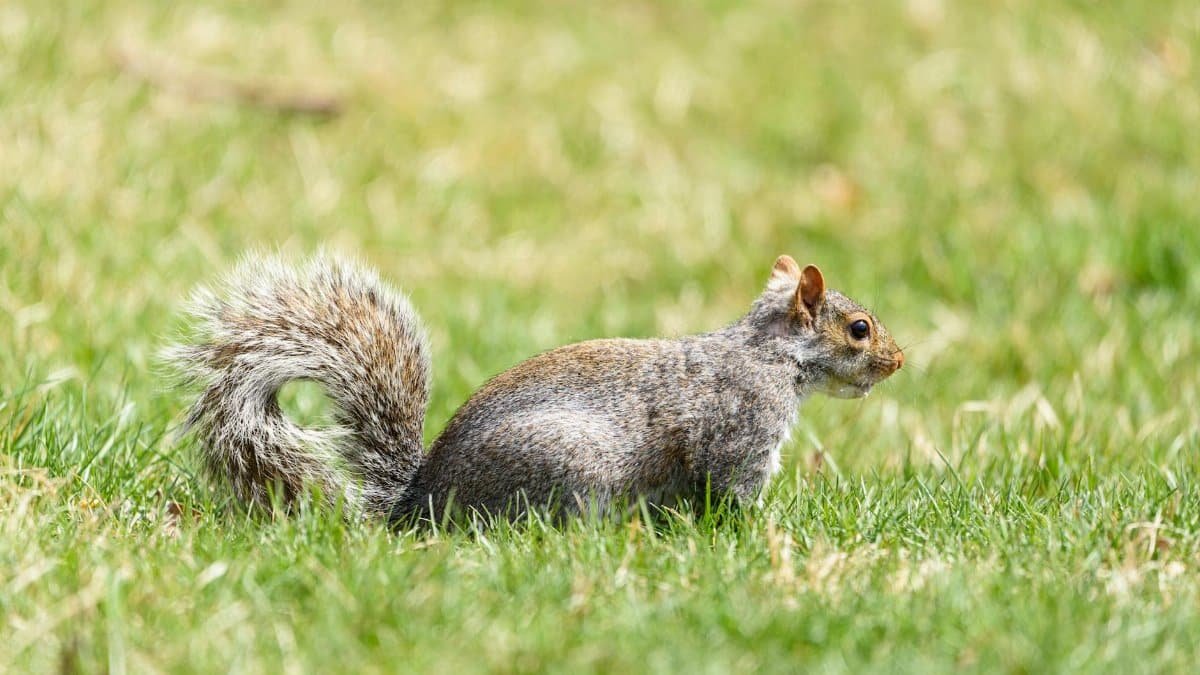
Even in city settings like Golden Gate Park, squirrels scamper and pause, gathering acorns with methodical care. This everyday sight turns mundane walks into lessons in pacing, accessible to apartment dwellers without wilderness access.
Consider a commuter’s routine: spotting a squirrel mid-scurry halts the mental sprint, grounding them in the present. It’s democratic, bridging California’s divides.
Psychological research from Stanford University suggests such interactions build resilience against stress, with urban wildlife acting as natural buffers.
Tensions emerge in overdeveloped areas, where green spaces shrink, yet innovative programs restore these cues. Ultimately, they remind us that slowing down is possible anywhere.Stanford University Nature and Mental Health Study connects urban nature to well-being.