

A recent study from the American Psychological Association revealed that 68% of pet owners report lower stress levels after interacting with their animals, a figure that’s climbed steadily over the past decade amid rising mental health concerns. In California, where the hustle of urban life in cities like Los Angeles and San Francisco often amplifies daily pressures, this bond takes on particular resonance. Pets, with their innate behaviors, offer a quiet antidote to the chaos. Their instincts, support, mental well-being in ways that feel almost instinctive themselves, fostering calm without the need for structured therapy. This isn’t just anecdotal; research underscores how these natural cues from our furry, feathered, or finned companions can steady the mind. As more Californians turn to animal companionship amid evolving work-from-home norms and environmental stressors, understanding these instincts reveals a path to greater ease. But what specific behaviors stand out? Let’s explore seven key ones shaping mental tranquility across the Golden State.
1. The Calming Purr of Feline Companions
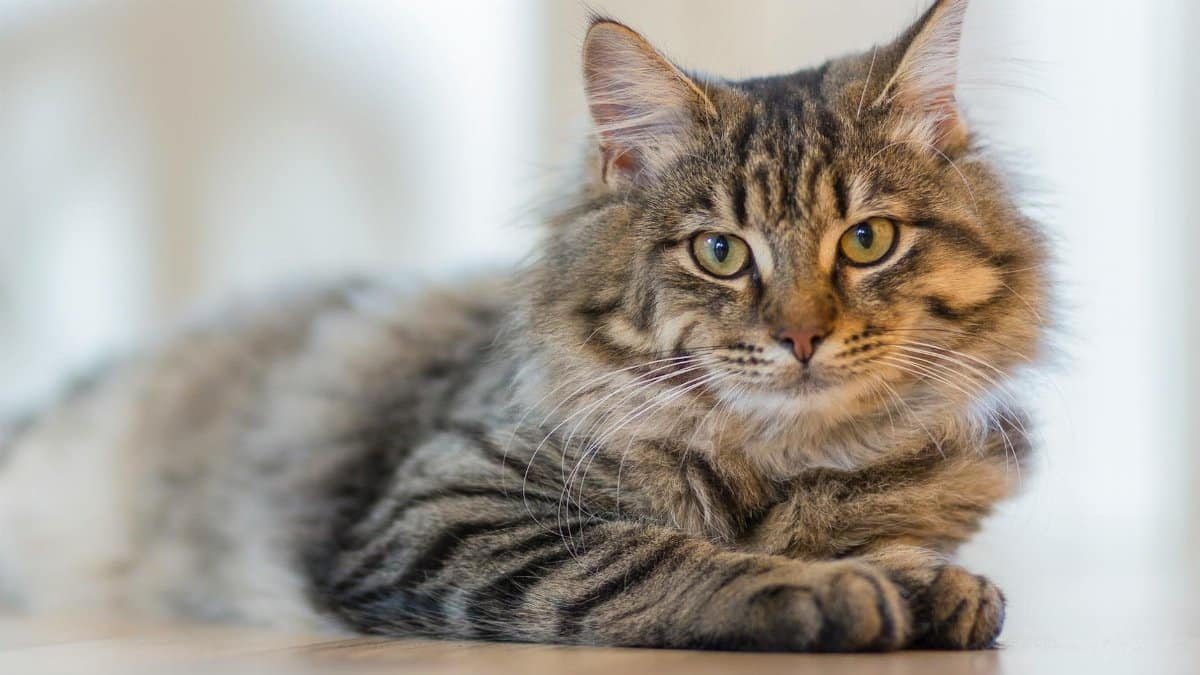
Cats have long been celebrated for their independent streak, but it’s their purring that often works subtle magic on human psyches. This low-frequency vibration, typically ranging from 25 to 150 Hertz, isn’t just a sign of contentment; it can lower blood pressure and ease anxiety. In bustling California households, where remote work blurs boundaries between office and home, a cat’s purr provides an auditory balm. Picture a tech worker in Silicon Valley, slumped over a laptop during a late-night deadline. Her tabby curls up nearby, rumbling softly. That sound, studies suggest, mimics the frequencies used in therapeutic vibration therapy. One report from the National Institutes of Health highlights how such interactions reduce cortisol levels. Yet, it’s not always straightforward. Some cats purr when stressed too, adding a layer of complexity to this instinct. Still, for many, it’s a reliable signal of mutual comfort, turning ordinary evenings into moments of reprieve.
Online discussions often reveal how this resonates. One anonymous account described feeling waves of tension melt away as their rescue cat purred through a panic attack, a common thread in shared experiences of pet-supported recovery.
2. Dogs’ Intuitive Tail Wags and Their Joyful Echo

What begins as a simple wag can ripple into profound emotional uplift. Dogs, evolved pack animals, use their tails to communicate enthusiasm, and in turn, that energy transfers to their owners. In California’s dog-friendly parks from San Diego to Sacramento, these displays aren’t rare. They spark dopamine releases, countering the isolation that plagues many in a state known for its sprawling distances. A brisk walk with a wagging companion isn’t just exercise; it’s a mental reset. Researchers at the American Psychological Association have linked pet interactions to improved mood regulation. But consider the nuance: not all wags are equal. A high, rapid wag signals pure delight, while a low one might indicate caution. Californians, navigating everything from wildfires to traffic snarls, find solace in decoding these cues. It’s like having a built-in barometer for positivity.
One vivid snapshot comes from a beachside jogger in Malibu. As her golden retriever bounded ahead, tail whipping wildly, the day’s worries faded, replaced by a grounded sense of connection.
3. Birds’ Melodic Calls as Nature’s Soundtrack
Start with a question: ever paused to listen to a finch’s trill cutting through morning fog? In California aviaries and backyards, birds’ instinctive songs serve as ambient therapy. These vocalizations, honed by evolution for territory and mating, inadvertently soothe human listeners. Amid the state’s diverse ecosystems, from redwood forests to coastal cliffs, such sounds promote mindfulness. A study published in the Psychology of Music journal found that natural bird calls can decrease perceived stress by up to 20%. Yet, there’s tension here. Urban noise pollution in places like Los Angeles can drown out these benefits, pushing owners to create quiet sanctuaries. For middle-aged professionals juggling careers and family, a parakeet’s cheerful chirp during breakfast might realign focus, turning chaos into clarity. It’s a reminder that mental ease often hides in the everyday symphony around us.
4. The Mesmerizing Swim of Aquarium Fish

Dive straight into the scene: colorful tetras gliding through a tank, their movements a hypnotic dance. Fish instincts for schooling and exploration offer a visual meditation, particularly appealing in California’s wellness-focused culture. Watching them reduces heart rates, akin to guided imagery exercises. In high-stress areas like the Bay Area, where tech burnout is rampant, aquariums become low-maintenance allies. Data from the Centers for Disease Control and Prevention emphasizes pets’ role in emotional health, though fish are often overlooked. The challenge? Maintaining tank balance requires effort, mirroring life’s own demands for equilibrium. Still, for those seeking passive support, this instinct delivers. One retiree in Fresno shared how her goldfish’s serene loops helped navigate post-pandemic loneliness, a quiet testament to underwater wisdom.
These patterns weave into broader trends, where in 2025, more Californians incorporate such elements into home offices for sustained focus.
5. Rabbits’ Gentle Nudging for Present-Moment Awareness
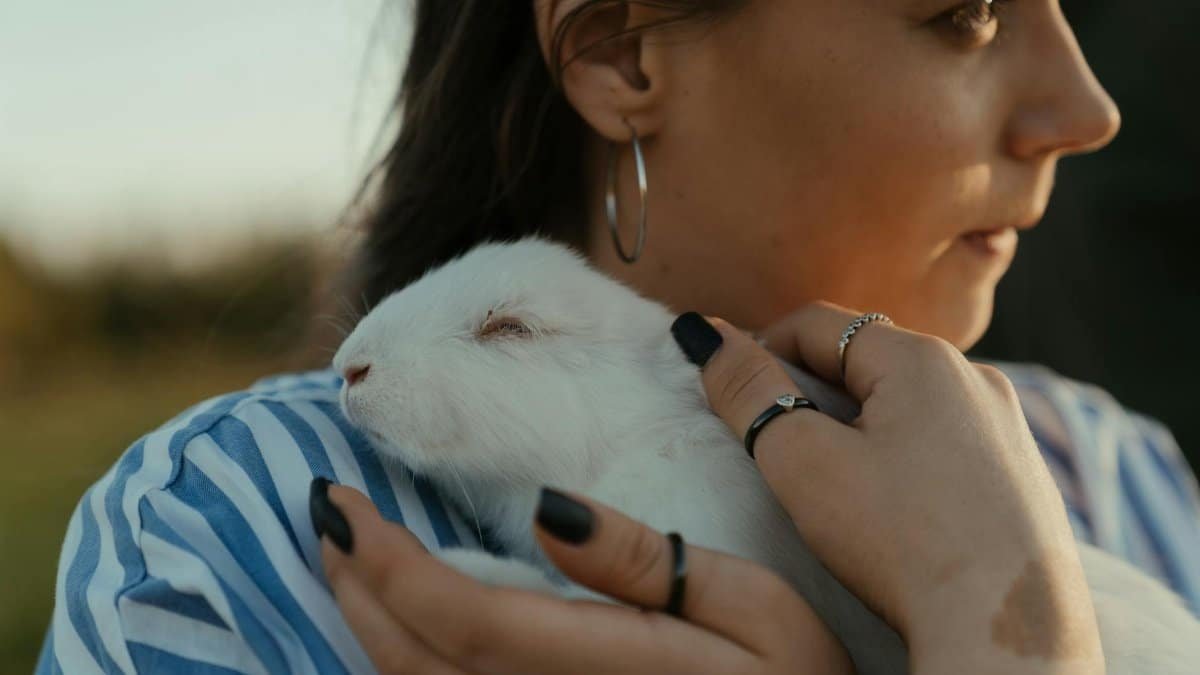
Rabbits, with their soft hops and curious nose twitches, embody a instinct for gentle interaction that grounds owners in the now. In suburban California homes, this behavior counters the digital overload of constant notifications. A nudge from a bunny can interrupt rumination, fostering mindfulness. Experts note similarities to animal-assisted therapy, where tactile contact releases oxytocin. But it’s not without hurdles; rabbits’ skittish nature demands patience, teaching resilience. Imagine a writer in Oakland, fingers hovering over a keyboard, when her lop-eared friend approaches. That moment shifts gears, easing mental fog. Blending this with California’s emphasis on holistic living, it’s a subtle force for calm.
6. Hamsters’ Nocturnal Burrowing as a Lesson in Rest

Hamsters dig and burrow by instinct, creating cozy nests that symbolize security. For night owls in California’s creative scenes, observing this promotes better sleep hygiene. The rhythmic activity mirrors winding down, helping combat insomnia prevalent in fast-paced lifestyles. A report from the Sleep Foundation links pet routines to improved rest patterns. Yet, the nocturnal twist means syncing schedules, adding a layer of adaptation. In college towns like Berkeley, students find these tiny architects inspiring discipline amid academic pressures. It’s a small-scale model for building mental havens.
7. Reptiles’ Steady Presence for Contemplative Calm

Reptiles like bearded dragons offer a different vibe: their deliberate, unhurried movements encourage patience and observation. In arid Southern California, where desert vibes align with these pets, their basking instincts provide a meditative focal point. This steadiness helps with anxiety management, as per insights from veterinary behavioral studies. The appeal lies in low emotional demand, suiting introverted owners. Consider a veteran in San Diego, finding solace in his lizard’s quiet vigil during therapy sessions. It underscores how diverse instincts cater to varied needs, rounding out California’s tapestry of pet-supported mental ease. As we look to 2025, these bonds promise ongoing relevance in an ever-shifting world.