
A recent study from the National Institutes of Health revealed that nearly 40% of Americans report using natural remedies for stress relief, a figure that’s climbed steadily over the past decade amid rising burnout rates. This surge reflects a broader yearning for simpler, gentler ways to unwind in our high-speed lives. What if turning to the earth’s own offerings could genuinely ease the mind without the side effects of pharmaceuticals? Exploring natural ingredients that improve relaxation opens up accessible paths to calm. From herbs steeped in ancient traditions to minerals drawn from the soil, these elements are gaining traction in 2025 as people seek balance amid daily chaos. Researchers note this trend aligns with growing evidence that such ingredients can modulate stress hormones effectively, fostering deeper rest. It’s a quiet revolution in self-care, one that’s reshaping how we approach evening routines or midday pauses.
1. Lavender

Amid the bustle of urban life, lavender stands out as a timeless ally for tranquility. Picture a small farm in the Pacific Northwest where fields of purple blooms sway under a clear sky, their scent carrying on the breeze. This herb, long cherished in aromatherapy, works by interacting with the brain’s GABA receptors to promote a sense of ease. Studies show inhaling its essential oil can lower heart rates during tense moments. One woman, reflecting on her routine in an anonymous online share, described diffusing lavender before bed as “the gentle nudge that quiets my racing thoughts, turning chaos into peace.” It’s not just folklore; research backs this up. For instance, a clinical trial highlighted its role in reducing anxiety symptoms. Beyond oils, lavender tea offers a soothing ritual, perhaps paired with a quiet read. Yet, it’s worth noting potential sensitivities—some find the scent overpowering at first. Still, in moderation, it weaves calm into everyday fabrics.
2. Chamomile

Have you considered how a simple cup of chamomile might anchor an evening? This daisy-like flower, harvested from sunny meadows, contains apigenin, a compound that binds to brain receptors much like mild sedatives. It’s no wonder ancient Egyptians revered it for its calming properties. In modern times, with sleep disorders affecting millions, chamomile emerges as a go-to for winding down. A group of friends in a Chicago suburb recently experimented with herbal infusions during their weekly gatherings, finding that chamomile softened the edges of their conversations, easing into laughter rather than debate. Evidence from controlled studies supports this, showing improved sleep quality among regular users. Dive into the details via this NCBI review on chamomile’s effects. But variety matters; German chamomile tends to be more potent than its Roman counterpart. Incorporate it fresh or dried, and notice how it subtly shifts the day’s residue into restful nights.
3. Valerian Root
Valerian root digs deep into history, used by Roman physicians to combat insomnia. Today, this earthy herb from European and Asian soils helps modulate neurotransmitters, fostering relaxation without the grogginess of some sleep aids. Imagine a hiker in the Appalachians pausing to forage, connecting with nature’s pharmacy. Its valerenic acid content is key, as per lab analyses. One anonymized account from public discussions captured a user’s relief: after weeks of tossing, valerian capsules brought “a profound stillness, like the forest after rain.” Yet, it’s not instant—effects build over time. A meta-analysis confirms its efficacy for sleep latency. Check the findings at PubMed’s abstract on valerian for insomnia. Pair it with mindfulness for amplified benefits, though consult professionals if combining with medications. This root reminds us that patience in natural approaches often yields lasting calm.
4. Ashwagandha

Rooted in Ayurvedic traditions, ashwagandha adapts to modern stress like a resilient vine. This adaptogenic herb from India balances cortisol levels, helping the body resist fatigue. In 2025, with workplace demands intensifying, it’s becoming a staple in wellness kits across the U.S. Consider a teacher in Texas who integrated it into her morning smoothie, noting sharper focus amid classroom clamor. Withanolides, its active compounds, support adrenal health, as evidenced by trials. A compelling study from the Journal of Alternative and Complementary Medicine underscores its anxiety-reducing potential. Explore more at NCBI’s article on ashwagandha trials. It’s versatile—powders mix into foods, capsules suit on-the-go lifestyles. However, start low to gauge tolerance, as it can energize some while soothing others. This duality highlights nature’s nuanced gifts for relaxation.
5. Magnesium
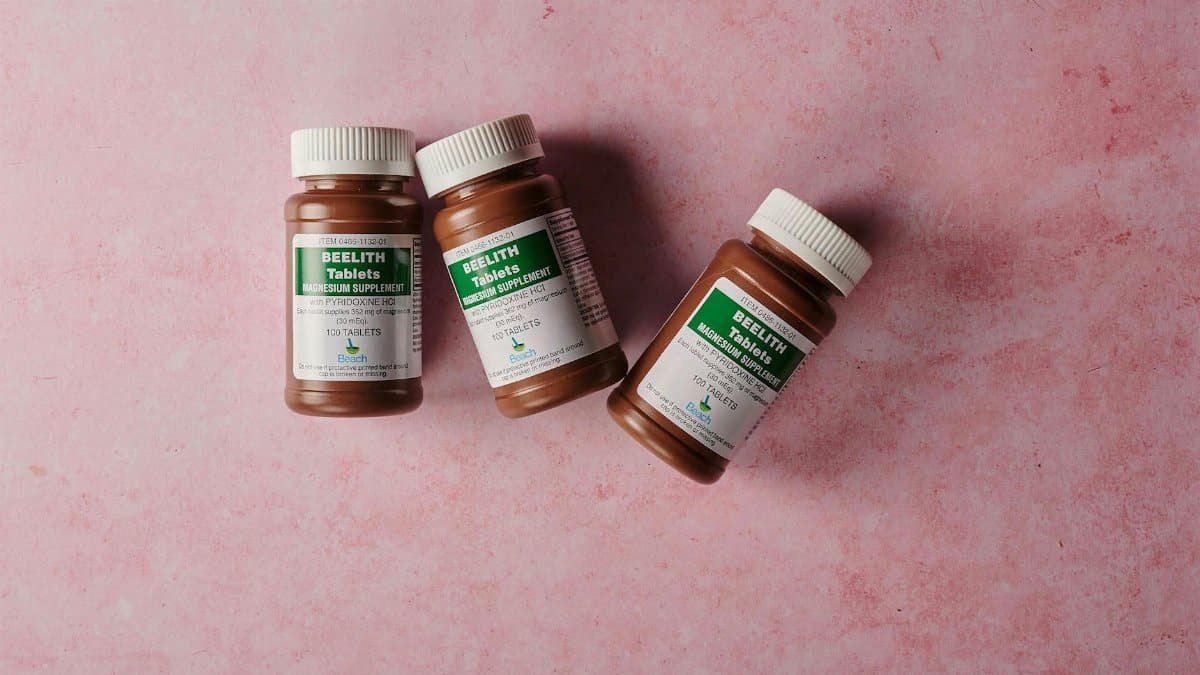
Magnesium, a mineral abundant in leafy greens and nuts, plays a pivotal role in muscle relaxation and nerve function. Deficiency plagues many Americans, exacerbating tension. Think of it as the quiet conductor in the body’s symphony of calm. A busy parent in Seattle shared how topical magnesium oil transformed her post-work unwind, melting away stiffness like morning fog. It activates enzymes that regulate melatonin, per biochemical insights. Research from the American Journal of Clinical Nutrition links higher intake to better sleep. For in-depth data, visit PubMed’s study on magnesium and sleep. Epsom salt baths offer an indulgent delivery, or supplements fill gaps. But balance is crucial—excess can disrupt digestion. In weaving magnesium into diets, we tap into elemental ways natural ingredients improve relaxation, grounding us amid life’s whirl.
6. Lemon Balm

Lemon balm whispers citrus notes while delivering potent calm. This member of the mint family, grown in backyard gardens, boosts GABA activity to ease nervousness. Historical texts from medieval Europe praise it for melancholy. Now, in bustling cities like New York, it’s infused in teas for afternoon reprieves. One office worker recounted blending it with honey, finding it “cuts through the mental fog like a fresh breeze.” Clinical evidence supports reduced agitation in users. A randomized trial details its benefits; see NCBI’s research on lemon balm for anxiety. Fresh leaves enhance salads, or tinctures provide convenience. Mild and approachable, it suits beginners exploring natural paths. Yet, oversteeping can bitter the brew—moderation enhances its gentle magic.
7. Passionflower

Passionflower’s intricate blooms belie its straightforward aid in serenity. Native to the Americas, it increases brain GABA, mimicking natural sedatives. Indigenous uses for rest continue in contemporary supplements. Envision a herbalist in the Southwest harvesting vines under starry skies, preserving traditions. A recent public anecdote described it as “wrapping worries in a soft blanket, allowing dreams to unfold.” Studies affirm its role in alleviating insomnia. Delve into a systematic review at PubMed’s passionflower efficacy study. Teas or extracts integrate easily, though it may interact with sedatives. This flower’s story underscores how natural ingredients improve relaxation by bridging past wisdom with present needs.
8. Holy Basil

Holy basil, or tulsi, thrives in tropical climes and tempers stress through adaptogenic prowess. Revered in Hindu culture, it lowers cortisol and sharpens mental clarity. In 2025’s wellness landscape, it’s popping up in urban apothecaries. A yoga instructor in California wove it into her practice, observing students’ deeper breaths and eased postures. Eugenol and other compounds drive its effects, as per pharmacological reviews. A key study from the Journal of Ayurveda and Integrative Medicine validates this. Access it via NCBI’s holy basil overview. Steep leaves for tea or use oils aromatically. It’s invigorating yet calming, a paradox that enriches relaxation rituals.
9. Rhodiola

Rhodiola rosea endures harsh Siberian terrains, much like it bolsters human resilience. This herb enhances serotonin and dopamine, combating fatigue-induced tension. Arctic explorers historically relied on it for endurance. Today, remote workers in Minnesota turn to it for sustained focus without crashes. One shared experience highlighted “a steady calm that powers through deadlines.” Trials demonstrate mood stabilization. Review the evidence at PubMed’s rhodiola for stress study. Capsules fit busy schedules, but cycling prevents adaptation. Rhodiola exemplifies how rugged natural ingredients improve relaxation by fortifying inner strength.
10. L-Theanine

Found in green tea leaves, L-theanine promotes alpha brain waves for alert relaxation. Japanese monks have sipped matcha for centuries to aid meditation. In America’s coffee culture, it’s a counterbalance to caffeine jitters. Consider a barista in Portland experimenting with theanine supplements, noting smoother shifts and clearer evenings. It synergizes with caffeine for focused calm, backed by neuroimaging. A comprehensive paper outlines this; find it at NCBI’s L-theanine review. Add to beverages or take standalone. This amino acid bridges stimulation and serenity, rounding out ways natural ingredients improve relaxation in daily life.