

In California’s bustling cities and serene suburbs, pet owners are discovering how simple animal actions can boost mental well-being. New data shows 68% of Golden State residents report reduced stress from pets, according to a recent survey by the American Pet Products Association. This surge highlights behaviors that strengthen emotional bonds, offering a natural antidote to modern life’s chaos. From loyal dogs to affectionate cats, these tiny habits are transforming homes into havens of calm amid the state’s fast-paced vibe.
1. Tail Wagging Greetings

Dogs in California are masters of the enthusiastic tail wag, a behavior that instantly signals joy and acceptance. This simple act reassures owners they’re valued, fostering a sense of security. In places like Los Angeles, where isolation can creep in despite the crowds, such greetings cut through emotional barriers. Studies from the American Psychological Association show that interacting with wagging dogs lowers cortisol levels, promoting emotional stability. It’s not just cute—it’s a daily dose of affirmation that strengthens emotional safety for stressed urbanites juggling work and life in 2025.
2. Purring Companionship

Cats purring while curled up on laps is a classic in California’s pet-loving households. This rhythmic vibration acts like a natural soother, mimicking the calming effects of meditation. For residents in high-pressure areas like Silicon Valley, where burnout is rampant, a purring cat provides unspoken comfort. Research from the National Institutes of Health indicates that cat purring frequencies can reduce anxiety and even aid healing. These behaviors strengthen emotional resilience, turning quiet evenings into restorative rituals without a word spoken.
3. Playful Fetch Sessions
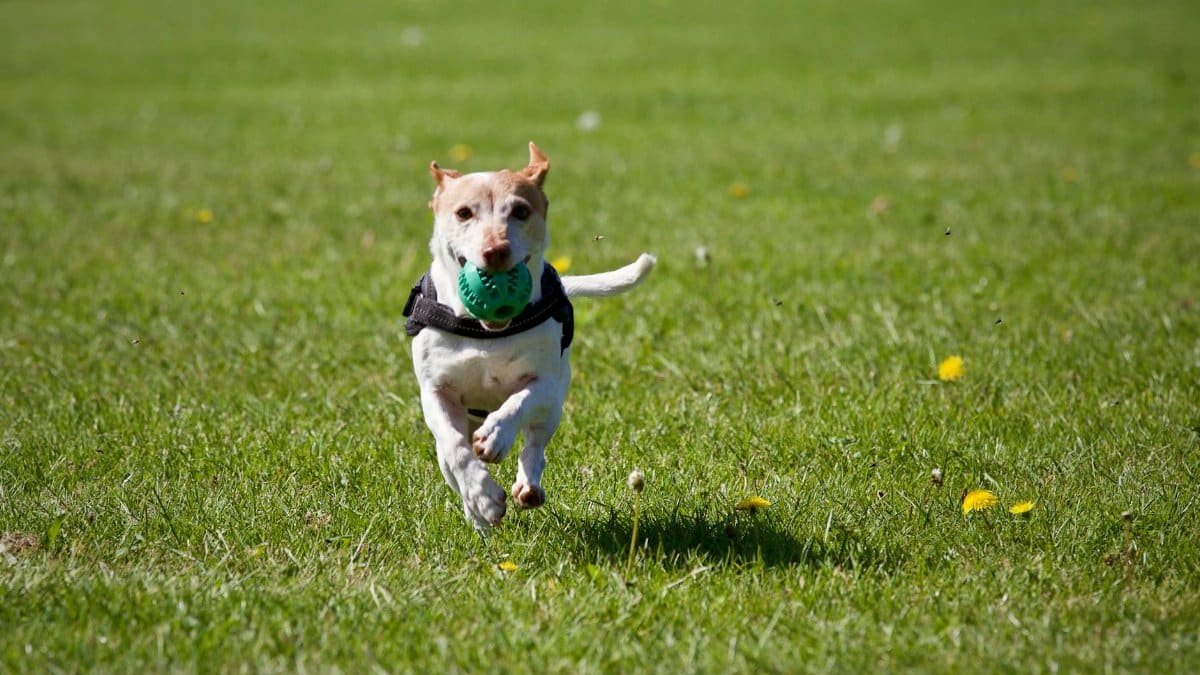
When dogs eagerly chase balls in California’s parks, from Golden Gate to Venice Beach, it’s more than fun—it’s bonding. This interactive play encourages mutual trust, as pets respond to commands and return with enthusiasm. For families dealing with the state’s wildfire anxieties or economic shifts, these sessions build emotional anchors. Experts note that such activities release endorphins, enhancing mood. In 2025, with remote work blurring boundaries, fetch games offer structured joy, helping owners feel grounded and connected through predictable, positive exchanges.
4. Gentle Nuzzling

Pets like rabbits or guinea pigs in suburban California homes often nuzzle against their owners, a subtle sign of affection that melts away tension. This contact boosts oxytocin, the “love hormone,” creating a bubble of safety. Amid the Golden State’s diverse communities, where cultural stresses vary, nuzzling provides universal comfort. Behavioral studies link tactile interactions to lower blood pressure, supporting emotional health. It’s a low-key way behaviors strengthen emotional ties, especially for those in quieter regions like the Central Valley seeking solace from daily grind.
5. Alert Protective Stances

Dogs standing guard with perked ears offer a sense of protection that’s invaluable in California’s varied landscapes. This vigilant behavior reassures owners, particularly in areas prone to natural disasters like earthquakes. It fosters emotional security by signaling “I’ve got your back.” Data from pet therapy programs shows reduced PTSD symptoms in participants. In 2025, as climate concerns rise, these protective cues help mitigate fears, turning pets into silent sentinels that subtly reinforce mental fortitude without fanfare.
6. Cuddling During Downtime

Birds or small pets cuddling close during quiet moments provide warmth and presence, combating loneliness in California’s solo-living boom. This closeness regulates emotions, offering companionship without demands. For tech workers in San Francisco facing isolation, it’s a lifeline. Research highlights how animal contact improves sleep and reduces depression markers. These intimate behaviors strengthen emotional safety nets, making high-cost living feel less daunting by infusing everyday routines with gentle, reliable affection.
7. Mimicking Routines

Pets mirroring owners’ habits, like following them room to room, create a rhythmic sense of normalcy in chaotic California lives. This shadowing builds predictability, easing anxiety in unpredictable times. From Hollywood’s hustle to rural farms, it underscores belonging. Veterinary insights confirm that routine-sharing enhances owner-pet bonds, leading to better mental health outcomes. As 2025 brings new challenges like hybrid work models, these mimicked behaviors strengthen emotional foundations, proving pets are more than companions—they’re intuitive partners in well-being.