

A recent study from the American Psychological Association revealed that nearly 80% of Americans report experiencing physical symptoms of stress, a figure that’s climbed steadily over the past decade. In Pennsylvania, where industrial legacies mix with modern urban hustle, these signals often go unnoticed amid daily routines. From the rolling hills of Amish country to the bustling streets of Philadelphia, residents face unique pressures—economic shifts, environmental concerns, and the relentless pace of 2025 life. Yet the body, in its quiet wisdom, sends subtle clues under duress, hinting at ways to restore balance. These aren’t dramatic alarms but gentle nudges toward nervous-system ease. Understanding them can transform how we navigate stress, drawing on healing practices rooted in nature and energy work. As more Pennsylvanians turn to mindfulness amid rising burnout rates, recognizing these bodily messages offers a path to resilience. This isn’t just theory; it’s grounded in emerging research linking somatic awareness to better mental health outcomes.
1. Tightened Shoulders and Neck

Shoulders that creep upward, unbidden, often signal the body’s first response to mounting pressure. In Pennsylvania’s coal regions, where economic uncertainty lingers like morning fog over the Appalachians, workers describe this tension as a constant companion. One anonymous account from an online forum captured it vividly: a factory employee felt her neck stiffen during long shifts, a physical echo of financial worries. This clue points to the sympathetic nervous system’s activation, preparing for fight or flight. But ignoring it can lead to chronic pain. Instead, gentle interventions like shoulder rolls or nature walks in state parks can interrupt the cycle. Research from the American Psychological Association highlights how such awareness reduces cortisol levels, fostering calm. It’s not about forcing relaxation but listening to what the body sends under stress, allowing energy to flow freely again.
Consider a teacher in Pittsburgh, juggling remote classes and family demands in 2025’s hybrid world. She notices the tightness during parent-teacher conferences. Rather than pushing through, she pauses for deep breaths, drawing on energy-healing techniques. This shift doesn’t erase the pressure but eases its grip, revealing the body’s innate capacity for self-regulation.
2. Rapid, Shallow Breathing

Breath quickens without warning, a subtle shift that betrays inner turmoil. Amid Pennsylvania’s harsh winters, when blizzards isolate rural communities, this clue emerges as cabin fever sets in. It’s the body’s way of gearing up for perceived threats, oxygenating muscles for action. Yet in everyday scenarios—like traffic jams on the Pennsylvania Turnpike—this response can spiral into anxiety. Studies from the National Heart, Lung, and Blood Institute show that conscious breathing practices can reset this pattern, promoting parasympathetic recovery. Imagine a commuter in Harrisburg, chest tightening as deadlines loom. By tuning into this signal, she adopts diaphragmatic breathing, inspired by mindful living principles. The result? A sense of grounded energy, even under pressure.
This isn’t mere relaxation; it’s a dialogue with the nervous system. Short, deliberate pauses transform the clue into a tool for healing, weaving nature’s rhythm into urban chaos.
3. Digestive Upsets

A churning stomach or sudden loss of appetite often whispers of underlying stress. In Pennsylvania’s farming heartlands, where climate change disrupts harvests, farmers report these symptoms during uncertain seasons. The gut-brain axis, as explored in research from the Harvard T.H. Chan School of Public Health, links emotional pressure to digestive health. What starts as a minor discomfort can escalate if unaddressed, but recognizing it opens doors to natural remedies like herbal teas or forest bathing in places like the Pocono Mountains. One person’s shared experience online described feeling bloated after board meetings, a bodily protest against relentless demands. By honoring this clue, they incorporated energy-balancing walks, easing both body and mind.
These signals remind us that pressure isn’t just mental—it’s visceral. Addressing them fosters a holistic ease, aligning with 2025 trends toward integrative wellness.
4. Fatigue That Lingers

Exhaustion that no amount of coffee can shake signals the body buckling under sustained pressure. Philadelphia’s tech workers, navigating the gig economy’s volatility, know this well. It’s not laziness; it’s adrenal fatigue, where constant stress depletes energy reserves. The Mayo Clinic outlines how this manifests, urging rest as a countermeasure. Picture a young professional in Erie, dragging through days after back-to-back projects. Noticing the persistent weariness, she turns to nature retreats, recharging through mindful hikes. This approach doesn’t ignore the pressure but reframes it, allowing the body to send clues that guide toward recovery.
Such fatigue often pairs with emotional drain, yet small acts—like afternoon sunlight exposure—can shift the dynamic, infusing healing energy into routines.
5. Restless Legs or Fidgeting

Legs that jitter or hands that fidget reveal pent-up energy seeking release. In Pennsylvania’s university towns like State College, students under academic pressure exhibit this clue during exams. It’s the body’s attempt to discharge tension, rooted in evolutionary responses. Insights from the Centers for Disease Control and Prevention emphasize movement as a stress reliever. A recent anonymous post described a lawyer in Allentown pacing during high-stakes cases, her body’s way of signaling overload. Channeling this into yoga or trail running in local parks transforms restlessness into purposeful action, enhancing nervous-system ease.
This clue underscores the body’s wisdom: motion heals when pressure builds, blending nature’s calm with inner energy.
6. Headaches That Pulse
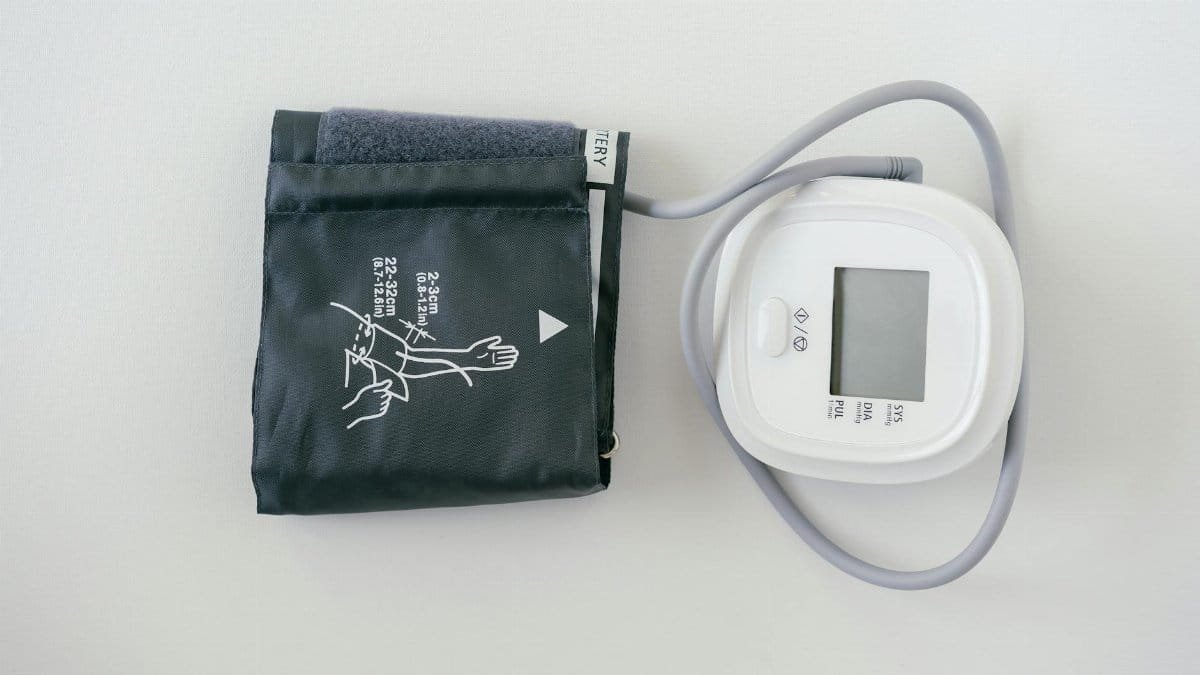
A throbbing temple or dull ache often marks the body’s protest against overload. Amid Pennsylvania’s political fervor in election years like 2025, residents feel this acutely during heated debates. Tension headaches, as detailed by the National Institute of Neurological Disorders and Stroke, stem from muscle strain and stress. Envision a community organizer in Scranton, head pounding after rallies. By heeding this signal with hydration and meditation, she finds relief, drawing on energy practices to dissipate the buildup.
These headaches aren’t random; they’re invitations to pause, fostering a deeper connection to bodily clues under pressure.
7. Skin Irritations

Flare-ups like rashes or dryness can indicate stress manifesting outwardly. In industrial areas like the Monongahela Valley, where pollution adds environmental pressure, skin issues compound emotional strain. The American Academy of Dermatology connects cortisol spikes to such reactions. One shared story online recounted a resident’s eczema worsening during job loss fears, a tangible clue from the body. Natural soothers, like aloe from home gardens, offer healing, aligning with mindful living.
This external sign points inward, urging balance through nature-inspired care.
8. Sleep Disruptions
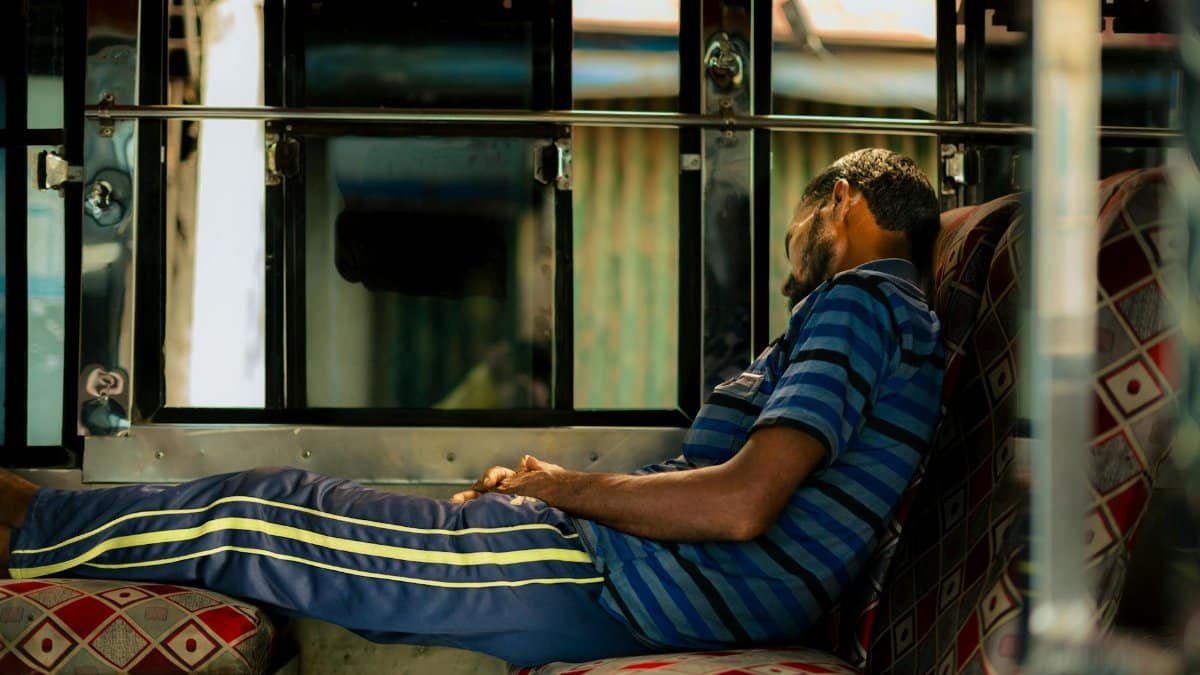
Waking at odd hours or tossing restlessly betrays the mind’s unrest spilling into the night. Pennsylvania’s shift workers in manufacturing hubs face this amid irregular schedules. The Sleep Foundation links it to disrupted circadian rhythms under pressure. Imagine a nurse in Lancaster, her sleep fractured by hospital demands. Tuning into this clue, she adopts evening rituals like stargazing, restoring energy flow.
Sleep clues demand attention, paving the way for rejuvenation.
9. Emotional Sensitivity
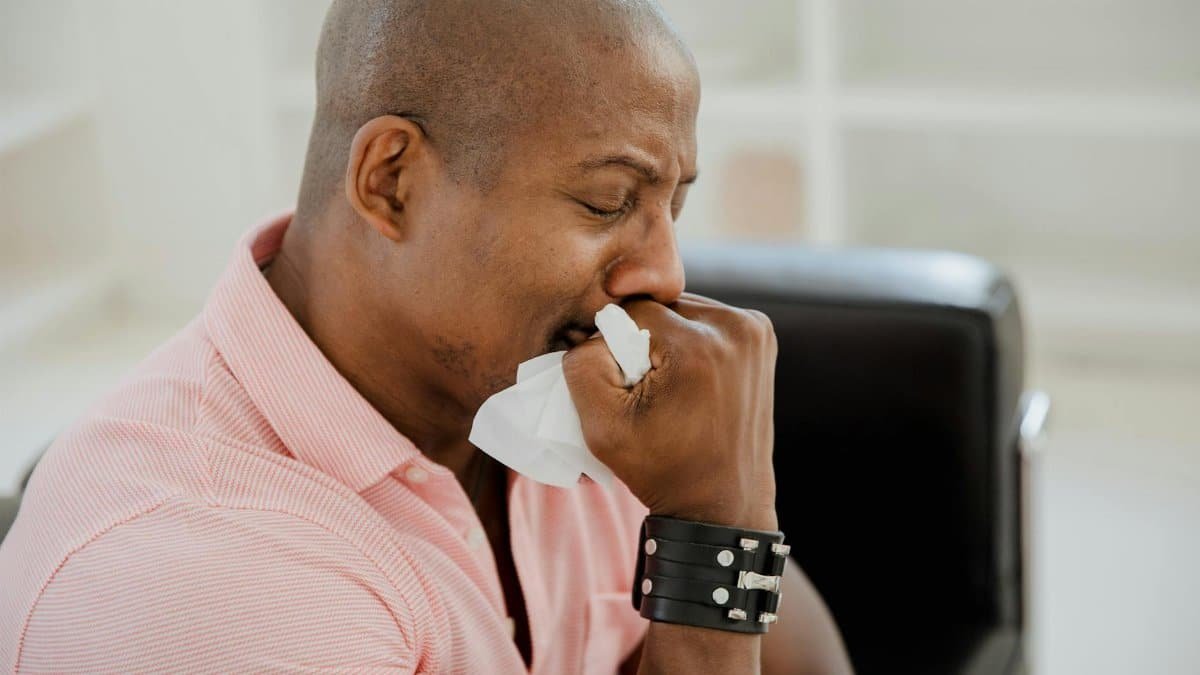
Heightened irritability or sudden tears signal the body’s emotional barometer under strain. In diverse communities like those in the Lehigh Valley, cultural pressures amplify this. Research from the National Institute of Mental Health shows stress lowers emotional thresholds. A public account described a parent snapping over minor issues during family relocations, the body’s plea for ease. Embracing healing through community nature groups rebuilds resilience.
These clues, when heeded, transform pressure into growth, enhancing overall well-being in Pennsylvania’s varied landscape.