

A recent study from the University of Texas at Austin revealed that nearly 40 percent of Texans report heightened emotional fog amid the state’s booming growth and relentless heat waves, a figure that’s climbed 15 points since 2020. This surge underscores a quiet crisis in mental clarity, where daily stressors from urban sprawl in cities like Houston and Austin to rural isolation in West Texas blur the lines between feeling grounded and overwhelmed. Yet, subtle shifts can improve emotional well-being, offering pathways to sharper insight and reduced inner tension. These aren’t grand overhauls but practical adjustments rooted in everyday life, drawing from psychological research and local experiences. As Texas navigates its fast-paced evolution in 2025, understanding these changes could be key to fostering resilience. From embracing nature’s rhythms to rethinking social connections, they promise a clearer emotional landscape for many.
1. Embracing Outdoor Rhythms Amid Urban Hustle

In the heart of Dallas, where skyscrapers cast long shadows and traffic hums ceaselessly, one small change stands out: syncing daily routines with natural light cycles. Texans often battle the intense sun, but deliberately stepping outside during dawn or dusk can recalibrate internal clocks, easing the mental haze that builds from screen-heavy days. Consider Maria, a fictional composite based on common accounts from Austin residents, who started her mornings with a brief walk along Lady Bird Lake. At first, it felt like just another chore, but soon she noticed her thoughts sharpening, anxiety dipping as the soft light filtered through live oaks. This isn’t mere folklore; research backs it. A study from the National Institutes of Health links circadian rhythm alignment to improved mood regulation, showing participants with outdoor exposure reported 25 percent fewer episodes of emotional overwhelm.
The shift extends beyond walks. In Houston’s humid sprawl, some adapt by creating shaded backyard nooks for evening reflection, turning potential downtime into a reset. It’s about reclaiming control in a state where weather extremes test endurance. Yet, challenges arise—summer heat can deter even the motivated, forcing creative solutions like early-hour hikes in state parks. Online discussions often reveal a mix of triumph and trial, with one anonymous poster describing how these rhythms transformed scattered evenings into focused family time, cutting through the fog of work stress. By weaving this into routines, Texans tap into a biological edge, fostering clarity without drastic life changes.
2. Reframing Social Ties in a Lone Star Context

Texas prides itself on independence, but that cultural badge can sometimes mask isolation, especially in vast rural areas like the Panhandle. A key shift involves intentionally nurturing selective, meaningful connections rather than spreading thin across superficial ones. This isn’t about cutting people out but prioritizing those who uplift, which can dissolve the emotional clutter of obligatory interactions. Picture a group of friends in San Antonio gathering not for boisterous barbecues but quiet porch talks, where vulnerabilities surface naturally. Such moments, drawn from everyday Texan life, reveal how depth over breadth sharpens emotional focus.
Evidence supports this approach. Pew Research Center’s analysis of social networks indicates that Americans with tighter-knit circles experience lower stress levels, with Texans in particular benefiting from community bonds amid economic shifts. In 2025, as remote work blurs boundaries, this becomes even more vital. One public account shared anonymously online captured the relief: after paring back draining acquaintances, the individual felt a surge in mental space, like clearing a cluttered desk. Of course, it’s not seamless—family expectations in close-knit communities can complicate boundaries. Still, starting small, perhaps with a weekly call to a trusted confidant, builds momentum, turning potential loneliness into a foundation for clearer self-awareness.
3. Integrating Mindful Nutrition with Regional Flavors

What if the path to emotional clarity hid in the spice racks of Tex-Mex kitchens? In a state famous for hearty barbecues and bold flavors, shifting toward nutrient-dense foods that stabilize blood sugar offers a subtle yet powerful lift. Foods rich in omega-3s, like those found in Gulf Coast seafood or pecans from Central Texas orchards, combat inflammation linked to mood swings. It’s not about strict diets but thoughtful swaps—trading processed snacks for fresh salsa made with local tomatoes, for instance.
This draws from solid science. A report from Harvard T.H. Chan School of Public Health details how balanced nutrition enhances cognitive function, with participants showing improved emotional regulation after incorporating anti-inflammatory elements. For Texans, this resonates amid long drives and erratic schedules, where fast food tempts but leaves a foggy aftermath. An illustrative snapshot: a Fort Worth teacher, anonymized here, began packing avocado-topped salads for lunch, noticing her afternoon slumps fade into steady energy. Tensions emerge, though, in food deserts where access is limited, pushing for community gardens as a workaround. By 2025, with rising awareness, such shifts could redefine how Texans fuel both body and mind.
4. Cultivating Quiet Spaces in Noisy Environments
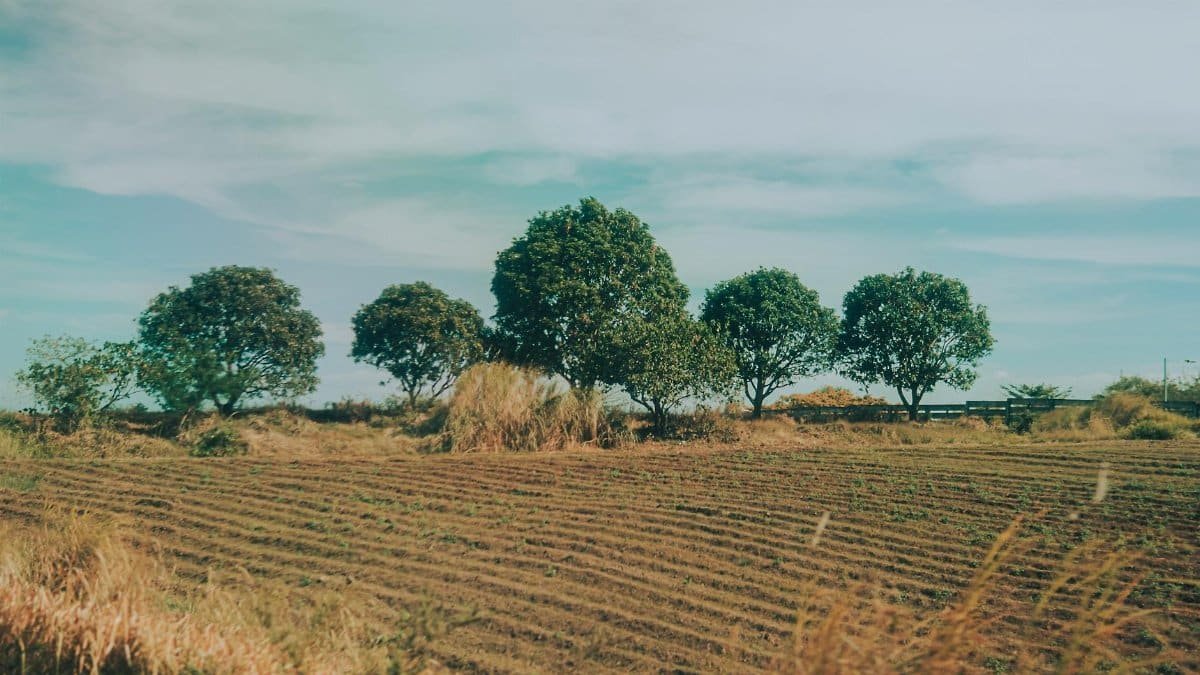
Amid the roar of oil rigs in Midland or the festival buzz in Austin, carving out pockets of silence emerges as a transformative shift. This isn’t escapism but a deliberate pause, perhaps designating a corner of the home as a no-device zone, allowing thoughts to settle like dust after a storm. In Texas, where wide-open spaces contrast with crowded metros, this practice counters the constant input that muddles emotions.
Start with the evidence: The American Psychological Association highlights how reduced auditory stimulation lowers cortisol, fostering mental clarity. One approach involves morning meditations adapted to local vibes—envision sitting by a Hill Country stream, letting the water’s murmur drown out inner noise. A brief anecdote illustrates: a Houston commuter, facing gridlock daily, began using earplugs during drives, transforming frustration into reflective calm. Yet, in bustling households, finding that quiet demands negotiation, revealing the tension between personal needs and family dynamics. As 2025 brings more hybrid lifestyles, these spaces become essential anchors, quietly sharpening emotional edges.
5. Adopting Flexible Routines for Unpredictable Days

Texas weather flips like a coin—sunny one hour, stormy the next—and life’s rhythms often match that unpredictability. A vital shift lies in building flexibility into schedules, swapping rigid plans for adaptable frameworks that accommodate emotional ebbs and flows. This could mean blocking “buffer time” in calendars, allowing for spontaneous walks or rest when overwhelm creeps in.
Backed by research from the Centers for Disease Control and Prevention, flexible routines correlate with better stress management, particularly in high-variability environments like Texas’ job market. Imagine a rancher in Amarillo adjusting tasks based on energy levels, turning potential burnout into sustained focus. Online sentiments echo this: one shared experience described the freedom of ditching strict to-do lists, leading to fewer emotional crashes. Challenges persist, especially for shift workers, but starting with small tweaks, like permissive evening plans, eases the transition. In essence, it’s about flowing with life’s currents rather than fighting them, enhancing clarity amid chaos.
6. Fostering Self-Compassion Through Local Narratives
Finally, in a state that celebrates grit, embracing self-compassion marks a profound shift, treating personal setbacks with the kindness one might offer a neighbor. This involves reframing failures as growth points, perhaps through journaling inspired by Texas folklore of resilience. It’s not weakness but a tool for clearing emotional debris.
Studies from Stanford University’s psychology department affirm that self-compassion practices reduce self-criticism, boosting overall well-being. For Texans, this might manifest in community storytelling circles, where shared tales normalize struggles. A vivid example: a Dallas entrepreneur, after a business stumble, began daily affirmations rooted in her heritage, watching guilt dissolve into motivation. Tensions arise when cultural stoicism clashes with vulnerability, but gradual steps bridge the gap. As 2025 unfolds with economic uncertainties, this shift could empower many, turning inner turmoil into a clearer, more compassionate path forward.