
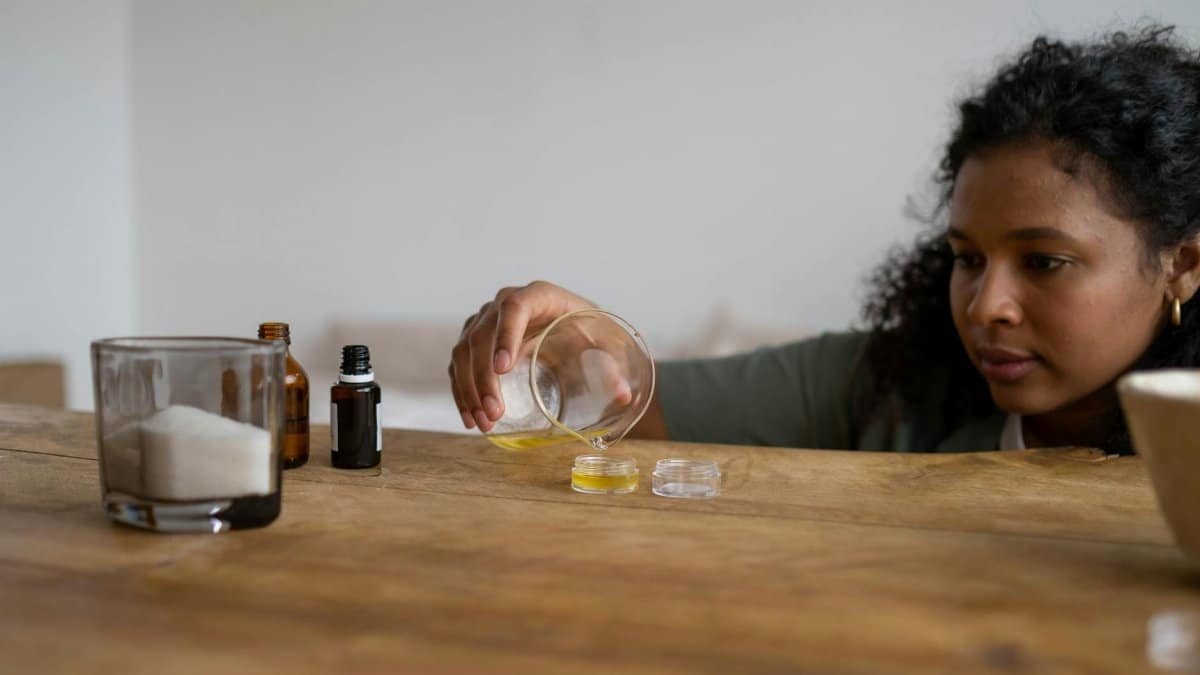
In a world where stress seems to lurk around every corner, a startling fact emerges from recent research. According to a 2023 report by the American Psychological Association, nearly 77 percent of adults in the U.S. report experiencing stress that impacts their physical health, up from previous years. This surge highlights a growing need for simple, natural ways to find relief. Enter the concept of ingredients that calm the nervous system. These aren’t magic pills but everyday elements, often found in kitchens or supplements, that science suggests can help soothe frayed nerves. From herbal teas to essential minerals, they offer a gentle nudge toward balance. As we navigate 2025’s fast-paced demands, understanding these ingredients could be key to reclaiming a sense of steady calm in daily life. It’s not about eliminating stress entirely, but equipping ourselves with tools that support our body’s natural rhythms.
1. Magnesium: The Mineral That Eases Tension

Magnesium stands out as a powerhouse for nervous system support. This essential mineral plays a crucial role in over 300 biochemical reactions in the body, including those that regulate neurotransmitters. When levels dip low, which happens often in modern diets heavy on processed foods, anxiety can spike. Think of it as the quiet guardian that helps muscles relax and signals calm to the brain.
One woman, reflecting on her routine in an anonymous online discussion last year, described how adding magnesium-rich spinach and nuts to her meals transformed her evenings. “It was like flipping a switch,” she shared. “The constant buzz in my head quieted down.” Stories like this aren’t rare. Research backs it up too. A study published in the Journal of the American College of Nutrition found that magnesium supplementation reduced symptoms of mild anxiety in participants over six weeks.
But it’s not just about popping a pill. Incorporating foods like almonds or dark chocolate can make a difference. In 2025, with wellness trends leaning toward whole-food sources, experts recommend aiming for 300-400 milligrams daily. Of course, it’s wise to check with a doctor first, especially if you’re on medications. This approach keeps things practical, turning a simple nutrient into a daily ally against stress.
For more details on that study, see the Journal of the American College of Nutrition article.
2. Chamomile: Nature’s Gentle Soother

Picture a steaming cup on a chilly evening, steam rising like a soft invitation to unwind. Chamomile has long held this role, its flowers brewed into teas that promise relaxation. The herb contains apigenin, a compound that binds to brain receptors, mimicking the effects of anti-anxiety meds but without the haze.
Generations have turned to it for good reason. In bustling cities like New York, where the pace never slows, chamomile tea spots have popped up as havens for harried professionals. One such spot, tucked in a quiet corner, sees regulars who swear by it for post-work decompression. It’s more than folklore; clinical trials support its calming effects.
A randomized controlled trial from the University of Pennsylvania showed that chamomile extract significantly lowered generalized anxiety disorder symptoms in patients. Participants reported better sleep and less worry after eight weeks. As we face 2025’s uncertainties, from economic shifts to personal pressures, chamomile offers an accessible ritual. Steep a bag, inhale the floral scent, and let it work its subtle magic.
Dive into the research via this NCBI study summary.
3. Lavender: A Scent That Signals Peace
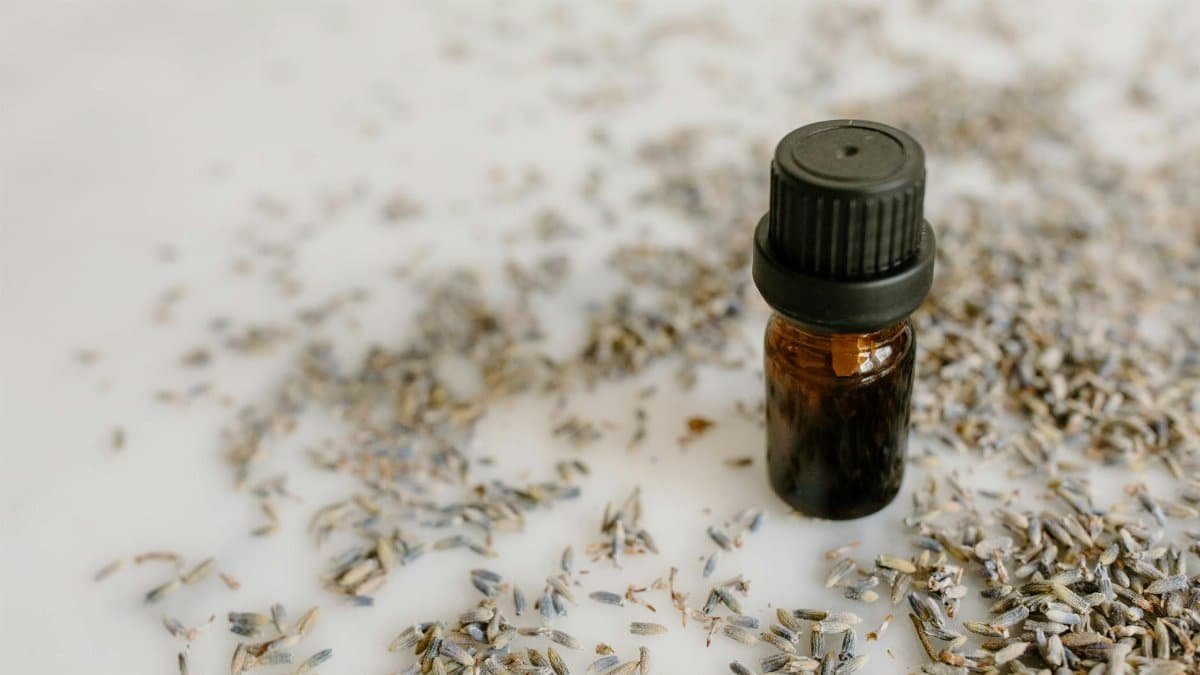
Lavender’s aroma alone can transport you to sun-drenched fields, but its benefits go deeper. Essential oils from this purple bloom interact with the limbic system, the brain’s emotional center, promoting a sense of tranquility. It’s why spas often diffuse it, creating an instant oasis amid chaos.
Consider a middle-aged father juggling remote work and family duties. He started using lavender oil in a diffuser during evenings, noticing how it eased the transition from deadlines to downtime. “The tension just melted away,” he recalled in a shared account. Such experiences echo broader patterns. With remote work still dominant in 2025, tools like this help redraw boundaries.
Evidence from a meta-analysis in the journal Phytomedicine confirms lavender’s efficacy in reducing anxiety. The review of multiple studies found consistent improvements in stress levels among users. Whether through teas, oils, or even lotions, lavender integrates easily into routines. It’s a reminder that calm can come from something as simple as a whiff.
Explore the meta-analysis at Phytomedicine journal.
4. Valerian Root: The Sleep-Inducing Herb
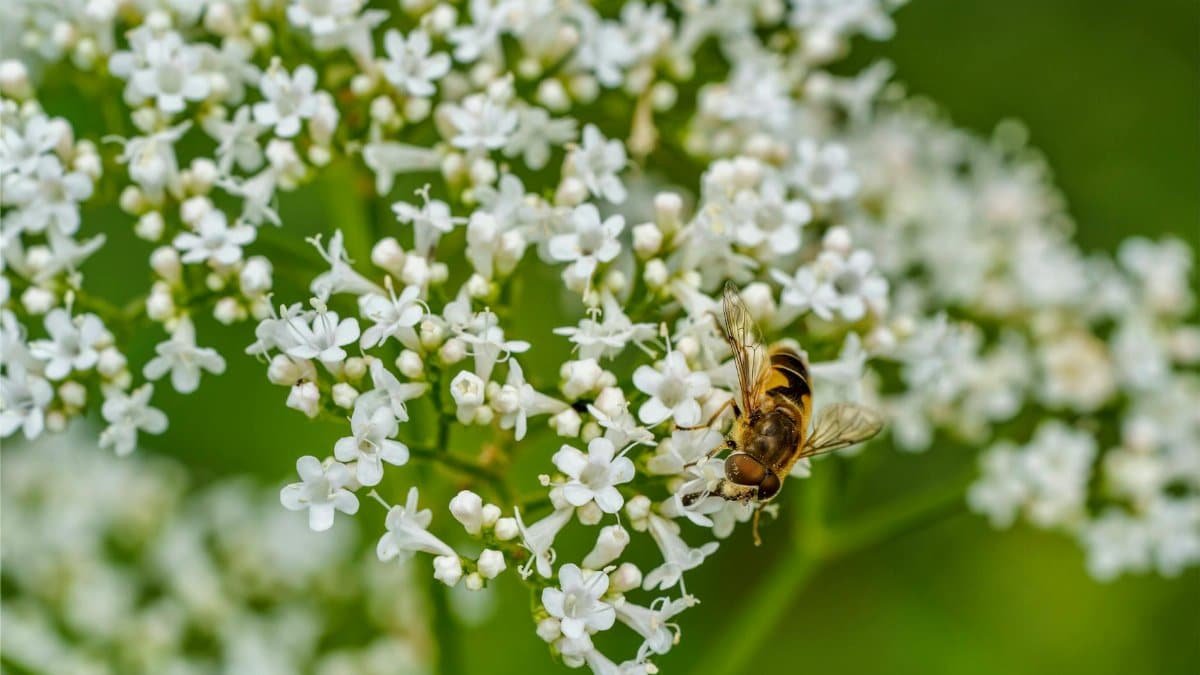
Valerian root digs into the roots of restlessness, quite literally. This herb, used for centuries in traditional medicine, boosts GABA levels in the brain, a neurotransmitter that dials down neural activity. It’s particularly handy for those nights when worries keep the mind racing.
In a small town clinic, a nurse shared how valerian helped her patients wind down without heavy sedatives. One case involved a veteran struggling with insomnia; after weeks of tea, his sleep patterns steadied. These real-world applications highlight its potential beyond hype.
A systematic review by the Cochrane Collaboration analyzed trials showing valerian improves sleep quality, though results vary. For many, it’s a bridge to better rest, crucial for nervous system recovery. In 2025, as sleep tech advances, natural options like this remain timeless. Start low, monitor effects, and pair with good habits for best results.
Check the review here: Cochrane Database of Systematic Reviews.
5. Ashwagandha: Adaptogen for Modern Stress

Ashwagandha steps in as an adaptogen, helping the body adapt to stressors. Rooted in Ayurvedic practices, it lowers cortisol, the hormone that fuels fight-or-flight responses. For middle-aged folks facing midlife pressures, it’s like a buffer against burnout.
Imagine a teacher navigating hybrid classrooms in 2025. She incorporated ashwagandha supplements, finding her patience stretched further. “It didn’t erase the chaos, but it made it manageable,” she noted. This aligns with growing interest in holistic stress management.
Clinical studies, including one from the Indian Journal of Psychological Medicine, demonstrate reduced stress and anxiety scores after two months of use. Participants felt more resilient. As wellness evolves, ashwagandha bridges ancient wisdom with current needs, offering steady support without overstimulation.
Read the study at NCBI publication.
6. Omega-3 Fatty Acids: Brain’s Nourishing Ally

Omega-3s, found in fish like salmon or supplements, fortify the nervous system from within. These fats reduce inflammation and support neuron function, potentially easing mood swings and anxiety. They’re especially vital in diets lacking seafood.
A group of office workers in Chicago experimented with omega-3 rich meals, reporting sharper focus and less irritability. One participant likened it to oiling a creaky door—smooth and effortless. Such shifts underscore dietary impacts on mental state.
The Harvard T.H. Chan School of Public Health cites research linking omega-3 intake to lower depression risks. A large cohort study showed benefits for emotional regulation. In 2025, with mental health conversations amplifying, these fats deserve a spot on the plate.
Learn more from Harvard T.H. Chan School of Public Health.
7. L-Theanine: The Tea Compound for Focus and Calm

L-Theanine, abundant in green tea, promotes relaxation without drowsiness. It enhances alpha brain waves, fostering a state of alert calm—perfect for high-stakes days. Paired with caffeine, it tempers jitters while sharpening attention.
In online forums, users often rave about its effects during stressful periods. One anonymous post described brewing matcha as a ritual that “grounds me without knocking me out.” This sentiment captures its balanced appeal.
A study in Nutritional Neuroscience found L-theanine improved cognitive performance under stress. Volunteers handled tasks better with less anxiety. As 2025 brings new productivity demands, this ingredient offers a subtle edge, blending tradition with science for everyday resilience.
Access the study via Nutritional Neuroscience journal.
These ingredients that calm the nervous system aren’t cures, but they form a toolkit for steadier living. Blending them into routines can shift how we handle daily pressures. As research continues, their roles in wellness grow clearer, inviting us to experiment thoughtfully.