
In a bustling state like Texas, where the pace of life can feel relentless from Houston’s traffic jams to Austin’s tech boom, a surprising number of residents are turning to natural remedies for peace. According to a 2023 survey by the National Center for Complementary and Integrative Health, about 18% of Americans reported using herbal supplements for stress relief, with usage ticking up in southern states amid ongoing economic pressures. This shift highlights a growing interest in herbs that support inner calm, offering a gentle counterbalance to daily demands. As we navigate 2025, with its mix of opportunities and uncertainties, these plants aren’t just folklore; they’re backed by emerging research and personal stories from folks seeking equilibrium in the Lone Star State. What draws people here? It’s often the promise of serenity without the haze of pharmaceuticals, rooted in traditions that echo Texas’s own rugged independence.
1. Lavender
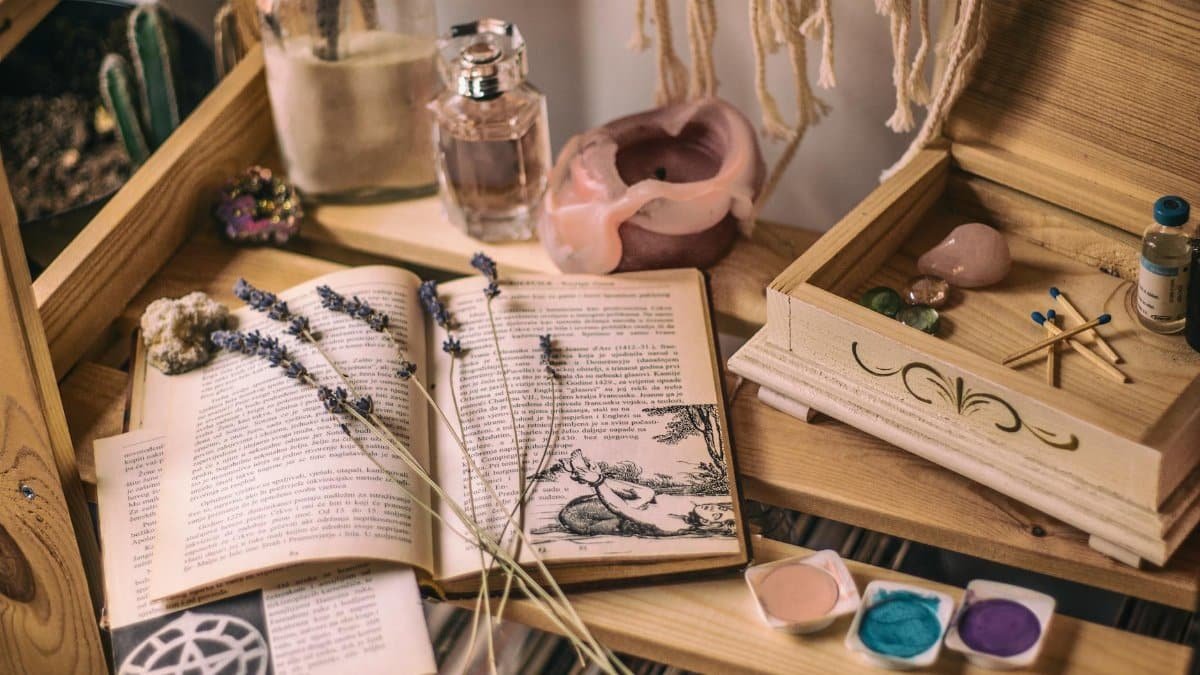
Lavender fields might evoke images of Provence, but in Texas, this herb thrives in backyard gardens and even commercial plots around Fredericksburg. Known for its soothing aroma, lavender has long been a go-to for easing anxiety. Picture a harried parent in Dallas, winding down after a long day by steeping lavender tea; the floral scent alone can signal the brain to relax. Studies show its essential oil reduces cortisol levels, that pesky stress hormone. One anonymized account from an online forum described it vividly: someone shared how diffusing lavender oil during a stormy evening transformed their restless night into restful sleep, a small victory amid life’s tempests.
Researchers at the University of Maryland Medical Center have explored lavender’s effects, noting its potential in mild anxiety management. For Texans dealing with the heat and hustle, incorporating it into routines like evening baths or pillow sprays makes sense. It’s not a cure-all, but its versatility shines in everything from culinary uses to aromatherapy. Active compounds like linalool interact with neurotransmitters, promoting a calmer state without drowsiness for most. In 2025, with wellness trends leaning toward holistic approaches, lavender remains a staple, blending seamlessly into the state’s love for homegrown solutions.
2. Chamomile
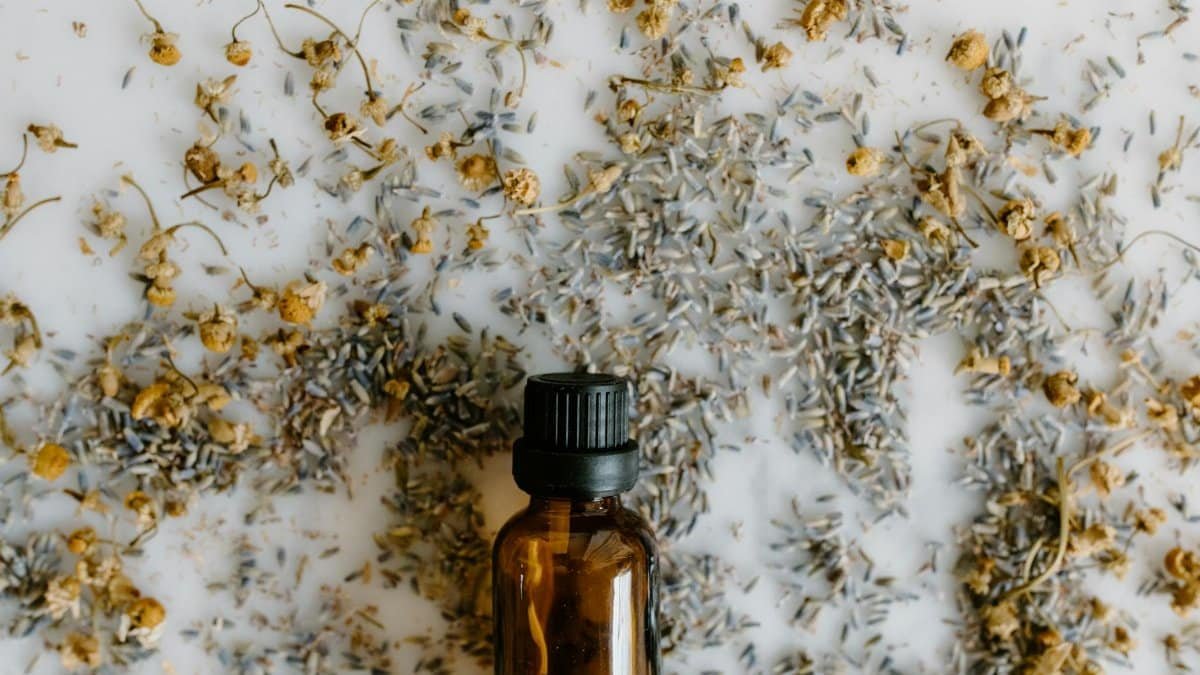
Start with a simple ritual: a cup of chamomile tea under the vast Texas sky. This daisy-like herb, often grown in home plots across the Panhandle, has been cherished for centuries for its mild sedative properties. It’s particularly appealing in a place where long work hours in oil fields or urban offices leave little room for unwind. A study published in the journal Molecular Medicine Reports highlights chamomile’s apigenin, which binds to brain receptors much like benzodiazepines, but without the addiction risk.
Yet, it’s the stories that bring it alive. Imagine a retiree in San Antonio, sharing how nightly chamomile helped quiet the mental chatter from years of high-stakes decisions. This isn’t just anecdotal; clinical trials support its role in improving sleep quality, crucial for inner calm. In Texas, where summer heat waves amplify irritability, chamomile offers cooling relief. Brew it fresh or use it in tinctures; either way, it fosters a gentle pause. As more folks explore herbs that support inner balance, chamomile stands out for its accessibility and subtle power.
3. Valerian Root
Digging deeper into herbal allies, valerian root emerges as a robust option for those restless nights that plague many in fast-paced Texas cities. Harvested from a perennial plant that can adapt to the state’s varied soils, it acts on GABA receptors to promote relaxation. Unlike quicker fixes, valerian builds its effects over time, making it ideal for sustained use. A review in the American Journal of Medicine analyzed multiple studies, confirming its efficacy in reducing time to fall asleep.
Consider the tension of a commute in Houston’s gridlock; one commuter might turn to valerian capsules to ease into evening without the fog of over-the-counter aids. There’s nuance here, though, as its earthy scent isn’t for everyone, sometimes leading to trial and error. In 2025, with mental health discussions gaining traction in Texas communities, valerian represents a bridge between tradition and modern needs. It supports deeper rest, which in turn bolsters daytime resilience, weaving into the fabric of daily life for those seeking steadier ground.
4. Passionflower
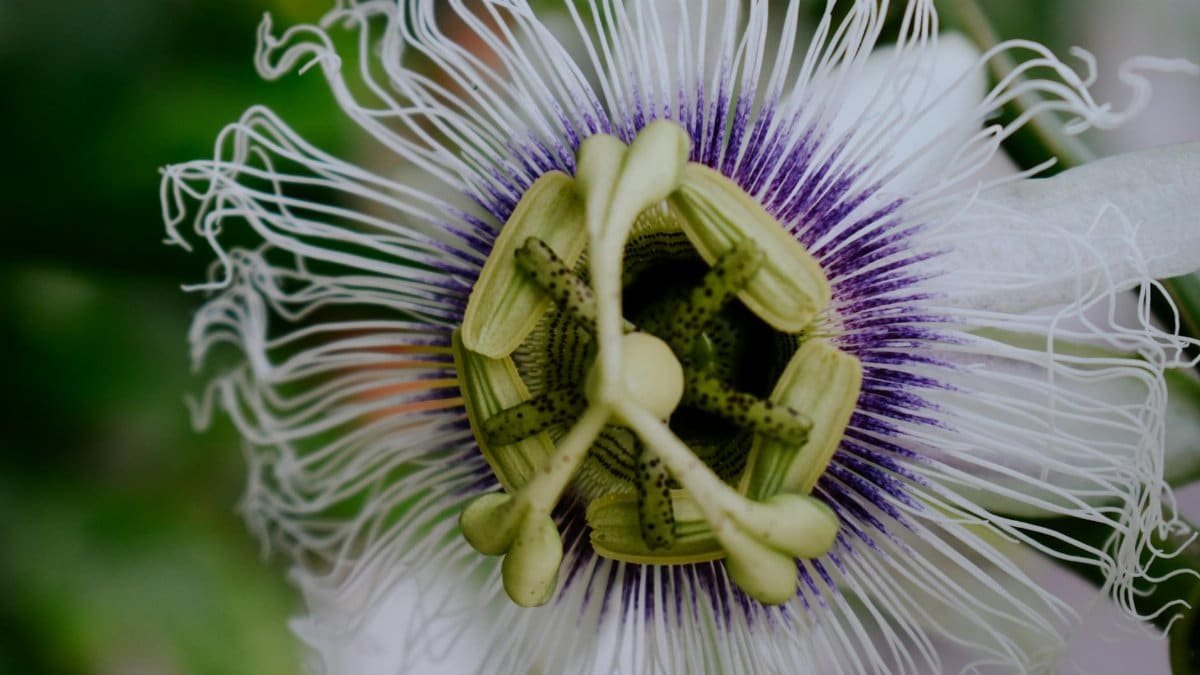
What if a vine climbing a Texas fence held the key to quieter thoughts? Passionflower, native to parts of the Southeast including Texas wilds, has been used by indigenous groups for its calming effects. Its intricate blooms belie a potent ability to modulate anxiety, thanks to flavonoids that enhance GABA activity. Research from the Journal of Clinical Pharmacy and Therapeutics found it comparable to oxazepam in treating generalized anxiety disorder, minus the impairment.
In everyday terms, think of a teacher in Austin, juggling lesson plans and personal worries, who finds solace in passionflower tea. It doesn’t erase stress but softens its edges, allowing space for reflection. This herb thrives in Texas’s climate, encouraging local cultivation that ties into sustainable living trends. Amid debates on mental wellness, passionflower’s gentle action offers a non-intrusive path, reminding us that support for inner peace can grow right in our backyards.
5. Lemon Balm
Lemon balm brings a citrusy brightness to the pursuit of tranquility, easily grown in Texas herb gardens from El Paso to the Gulf Coast. This member of the mint family uplifts mood while calming nerves, with studies showing it reduces agitation in stressful scenarios. A trial detailed in Nutrients journal demonstrated its impact on cognitive function and anxiety levels among participants.
Envision a small business owner in Fort Worth, steeping lemon balm leaves during a midday break to reset amid financial pressures. The herb’s volatility means fresh is best, infusing routines with a refreshing twist. It’s particularly resonant in Texas, where outdoor lifestyles amplify the appeal of garden-fresh remedies. As 2025 unfolds with its economic ebbs and flows, lemon balm exemplifies how herbs support inner harmony, blending flavor with function in a way that’s both practical and pleasurable.
6. Ashwagandha
Shifting to adaptogens, ashwagandha stands out for its resilience-boosting qualities, much like the hardy spirit of Texans facing droughts or booms. This ancient herb, now cultivated in controlled Texas environments, helps regulate stress responses by lowering cortisol. A meta-analysis in the Journal of Alternative and Complementary Medicine supports its use for anxiety reduction over eight weeks.
There’s a story in its subtlety: a veteran in rural Texas might incorporate ashwagandha powder into smoothies, finding it eases the weight of past traumas without overwhelming side effects. It doesn’t promise instant calm but builds fortitude over time. In a state where self-reliance is prized, this herb aligns perfectly, offering inner support through life’s unpredictable rhythms. Conversations in wellness circles highlight its growing popularity, tying into broader U.S. trends toward integrative health in 2025.
7. Holy Basil
Holy basil, or tulsi, carries a sacred aura, yet it’s practically suited for Texas’s warm climes, where it can flourish in pots or plots. Revered in Ayurvedic traditions, it combats stress by balancing hormones and enhancing mental clarity. Evidence from a study in the Evidence-Based Complementary and Alternative Medicine journal points to its anti-anxiety properties in human trials.
Reflect on a community organizer in the Rio Grande Valley, using holy basil tea to maintain focus during advocacy work. It provides a steadying influence, countering burnout in high-stakes environments. This herb’s adaptability makes it a favorite for urban Texans, integrating into teas or supplements. As awareness of herbs that support inner well-being spreads, holy basil bridges cultural gaps, enriching the tapestry of calm-seeking practices across the state.
8. Rhodiola

Rounding out the list, rhodiola offers an energizing yet calming effect, ideal for Texas’s demanding lifestyles from ranch work to corporate climbs. This arctic herb, adaptable to greenhouse growth here, enhances mental stamina while reducing fatigue-related stress. A systematic review in Phytomedicine confirms its benefits for mild to moderate depression and anxiety.
Imagine a nurse in Galveston, taking rhodiola to navigate shift work’s toll, describing a renewed sense of balance in shared reflections. It doesn’t sedate but sharpens focus, making it unique among calming herbs. In 2025, as Texas grapples with workforce wellness, rhodiola exemplifies proactive support for inner calm, encouraging a holistic view of health that resonates with the state’s innovative edge.
These herbs, woven into Texas daily life, underscore a timeless quest for peace amid modern chaos. From lavender’s whisper to rhodiola’s vigor, they offer varied paths to inner support, grounded in both science and story.