

Did you know that over 77% of Americans experience physical symptoms caused by stress, according to recent surveys? This alarming figure highlights how our bodies often scream for help in subtle ways. When it comes to clues, sends, under pressure, recognizing these signals can be a game-changer for managing stress and boosting overall well-being. From rapid heartbeats to unexpected fatigue, these indicators point to the body’s cry for calm. Understanding them empowers individuals to take proactive steps toward nervous-system ease, especially in today’s fast-paced world.
1. Rapid Heartbeat and Palpitations
When stress hits, your heart might start racing like it’s in a sprint. This is one of the most common clues the body sends under pressure. It’s your sympathetic nervous system kicking into high gear, pumping adrenaline to prepare for fight or flight. But in modern life, that often means dealing with deadlines or traffic, not actual threats. Chronic occurrences can lead to bigger issues like hypertension. A study from the American Heart Association notes that prolonged stress contributes to cardiovascular problems in millions. To counter this, deep breathing exercises can help reset your rhythm. Experts recommend practicing for just five minutes daily to notice improvements. In 2025, with rising work demands, paying attention to this signal is crucial for heart health.
2. Muscle Tension and Headaches
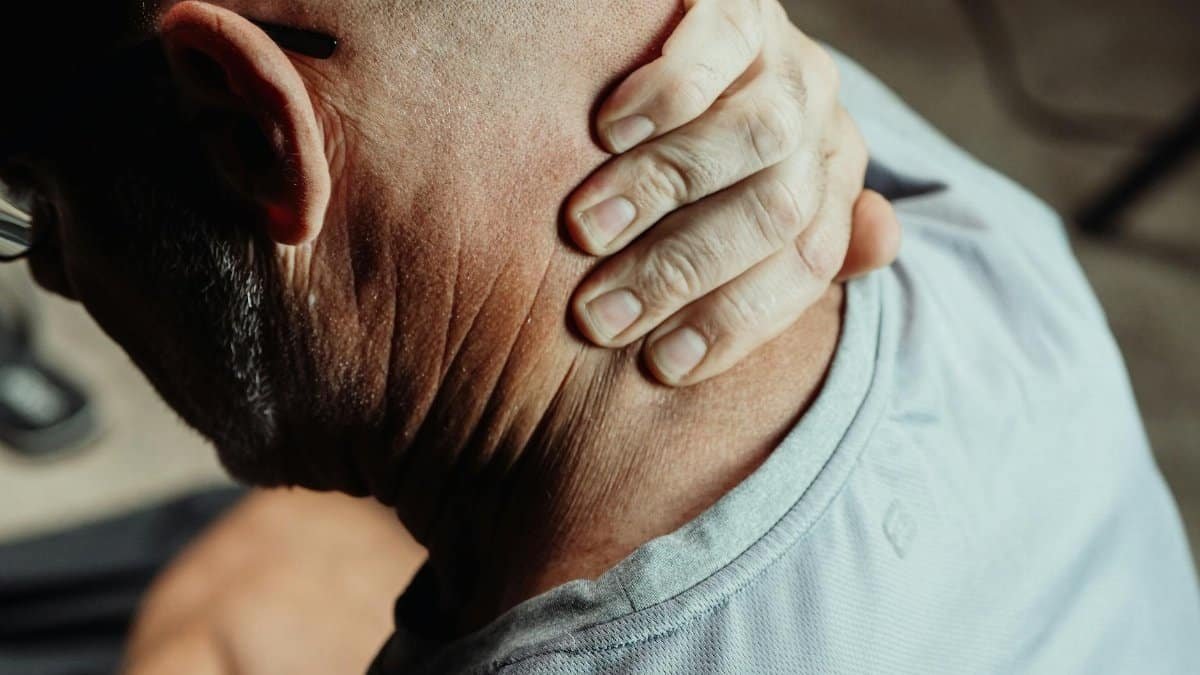
Ever feel your shoulders knotting up during a tough day? That’s another telltale sign. Muscle tension builds as stress hormones like cortisol flood your system, causing tightness in the neck, back, and jaw. This can escalate into tension headaches that pound away at your focus. Research from the Mayo Clinic shows that stress-related headaches affect up to 80% of adults at some point. Ignoring it might lead to chronic pain syndromes. Simple stretches or a quick walk can release the buildup. Incorporating mindfulness techniques, such as progressive muscle relaxation, has proven effective in studies. As we navigate 2025’s uncertainties, tuning into this bodily clue helps maintain physical comfort and mental clarity.
3. Digestive Upset and Stomach Issues
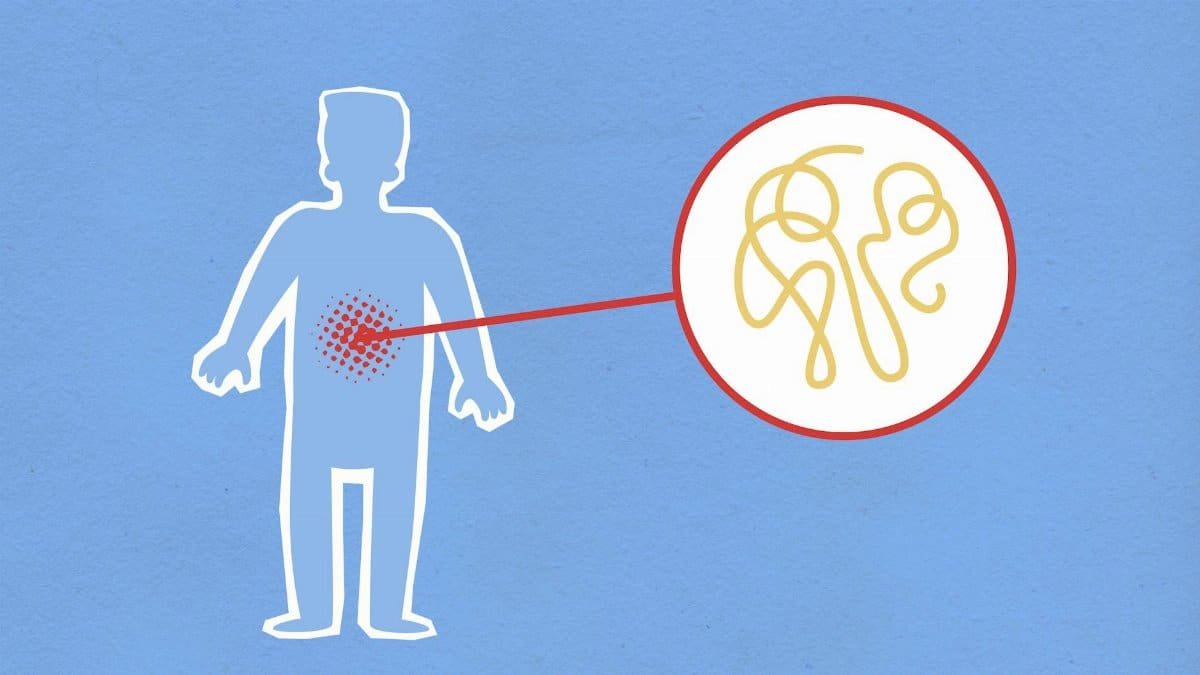
Stress doesn’t just mess with your mind; it wreaks havoc on your gut too. Symptoms like nausea, cramps, or irregular bowel movements are clear indicators. The brain-gut axis means emotional pressure directly impacts digestion, slowing it down or speeding it up unpredictably. A report from the National Institutes of Health links chronic stress to disorders like IBS in a significant portion of the population.National Institute of Diabetes and Digestive and Kidney Diseases details how stress exacerbates these conditions. Eating fiber-rich foods and staying hydrated can mitigate effects. Probiotics might also help, based on emerging research. Recognizing this clue early prevents long-term digestive woes, vital in our high-stress era.
4. Fatigue and Low Energy Levels

Feeling wiped out even after a full night’s sleep? That’s fatigue signaling overload. Under pressure, your body expends extra energy on stress responses, leaving little for daily tasks. This can spiral into burnout if unchecked. Data from the Centers for Disease Control and Prevention indicates that stress-related fatigue affects workplace productivity for over 40% of workers.CDC’s Workplace Stress Page outlines how it leads to errors and absenteeism. Prioritizing rest and short breaks throughout the day combats this. Activities like yoga or light exercise recharge your system. In 2025, with remote work blurring boundaries, heeding this signal is key to sustaining energy and performance.
5. Skin Changes and Breakouts

Your skin can betray inner turmoil through sudden acne, rashes, or dryness. Stress triggers inflammation and hormone imbalances that show up on the surface. Dermatologists note that cortisol spikes can worsen conditions like eczema or psoriasis. A study published in the Journal of the American Academy of Dermatology connects emotional stress to skin flare-ups in many patients. Gentle skincare routines and stress-reduction practices like meditation make a difference. Avoiding triggers such as caffeine or sugar during high-pressure times helps too. As beauty trends evolve in 2025, understanding this bodily clue ties into holistic self-care, promoting clearer skin and calmer nerves.
6. Sleep Disturbances and Insomnia
Tossing and turning at night? That’s a major clue your body is under siege from stress. Racing thoughts prevent deep rest, leading to a vicious cycle of exhaustion. The Sleep Foundation reports that stress causes sleep issues in about 70% of adults. Poor sleep then amplifies stress, creating a feedback loop. Techniques like establishing a bedtime routine or limiting screen time an hour before bed can break it. Cognitive behavioral therapy for insomnia has strong evidence from clinical trials. In today’s always-on culture, especially heading into 2025, addressing this signal is essential for restorative sleep and overall health resilience.
These six clues highlight how the body communicates distress in subtle yet impactful ways. By listening and responding, you can foster nervous-system ease and better handle life’s pressures. Small changes, backed by science, lead to big improvements in mood, focus, and calm.