

In a fast-paced 2025 America, where remote work blurs boundaries and economic pressures mount, new surveys reveal a startling truth: 68% of adults report undetected stress signals disrupting their daily lives, according to recent data from the American Psychological Association. These patterns reveal hidden tensions that, if ignored, can lead to burnout or worse. Experts say recognizing them early is key to reclaiming balance. From subtle shifts in behavior to physical cues, understanding these signs empowers better mental health management amid rising U.S. stress levels.
1. Disrupted Sleep Cycles
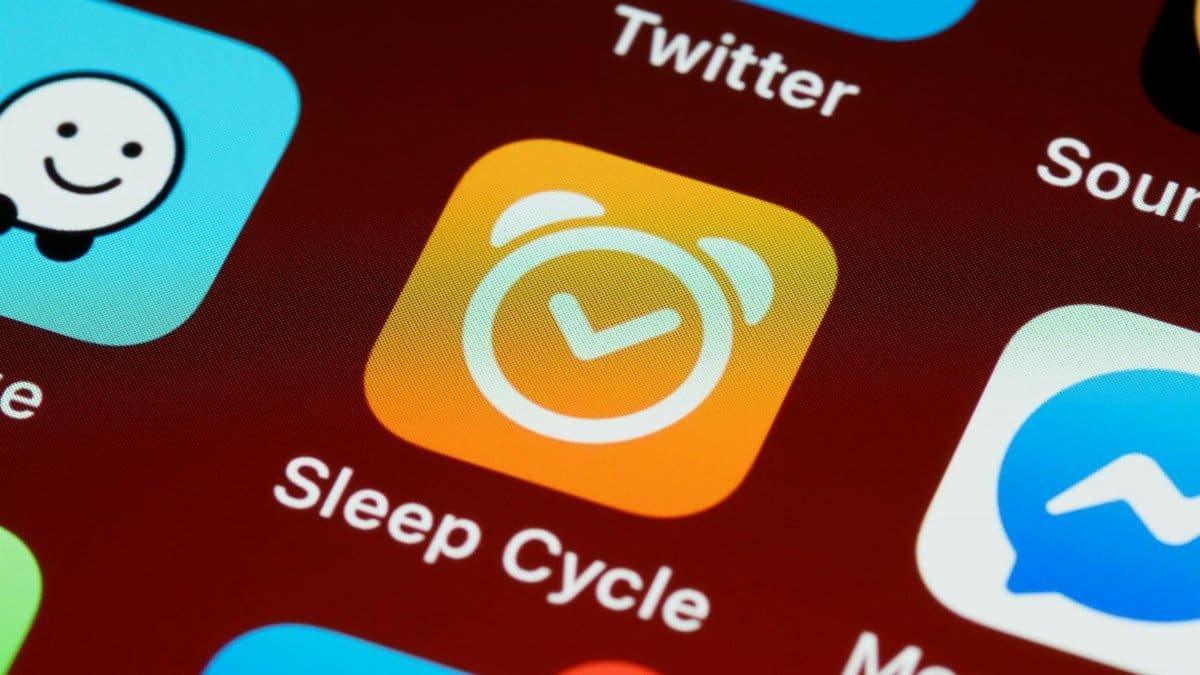
Sleep issues often top the list of hidden stress indicators. When stress builds unnoticed, it messes with your body’s natural rhythm, leading to insomnia or restless nights. People might wake up frequently or struggle to fall asleep, even if they feel tired. A study from the National Sleep Foundation highlights how chronic stress alters sleep architecture, reducing deep REM phases essential for recovery. In 2025, with hybrid work schedules amplifying this, many Americans report poorer sleep quality. Spotting irregular patterns, like consistent 3 a.m. wake-ups, signals it’s time to address underlying pressures. Simple fixes include winding down without screens an hour before bed.
Experts note that persistent fatigue despite adequate hours points to stress overload. Tracking sleep via apps can help identify trends, but don’t ignore ongoing disruptions. The CDC reports that one in three adults gets insufficient sleep, often tied to stress factors. For deeper insights, check the CDC’s Sleep and Sleep Disorders page, which outlines connections between stress and rest.
2. Changes in Eating Habits
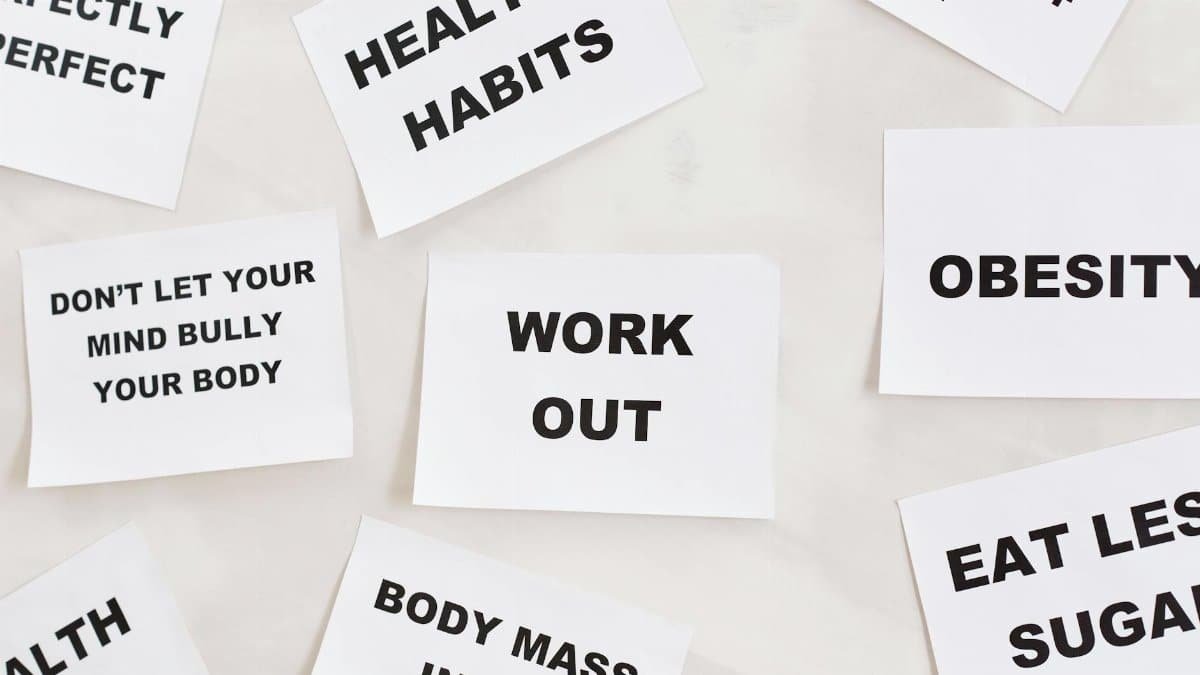
Stress sneaky alters how you eat, revealing itself through skipped meals or sudden cravings. Emotional eating spikes, with people reaching for junk food as a quick comfort fix. This pattern emerges when cortisol levels rise, tricking the brain into hunger signals even when full. Recent U.S. data shows 40% of stressed individuals experience appetite shifts, per a Harvard Health report. In 2025’s high-pressure environment, from job uncertainties to family demands, these habits can lead to weight fluctuations or nutritional gaps.
Notice if you’re mindlessly snacking during work calls or avoiding proper lunches. Nutritionists advise mindful eating practices to counteract this. Keeping a food journal exposes these hidden patterns. For evidence-based info, visit the American Psychological Association’s Stress Effects on the Body, detailing how stress influences metabolism and eating behaviors.
3. Increased Irritability and Mood Swings
Hidden stress often manifests as short tempers or unexplained frustration. Small annoyances that once rolled off your back now trigger overreactions. This emotional volatility stems from elevated adrenaline, making patience thin. Surveys indicate that 55% of working Americans cite irritability as a top stress symptom, especially in urban areas with long commutes. As 2025 brings more digital overload, these mood patterns intensify, straining relationships at home and work.
Recognizing snaps at loved ones or colleagues is crucial. Techniques like deep breathing or short walks can reset your response. Therapists emphasize journaling emotions to uncover triggers. The pattern reveals itself in repeated conflicts over minor issues, signaling deeper unrest.
4. Physical Tension and Aches
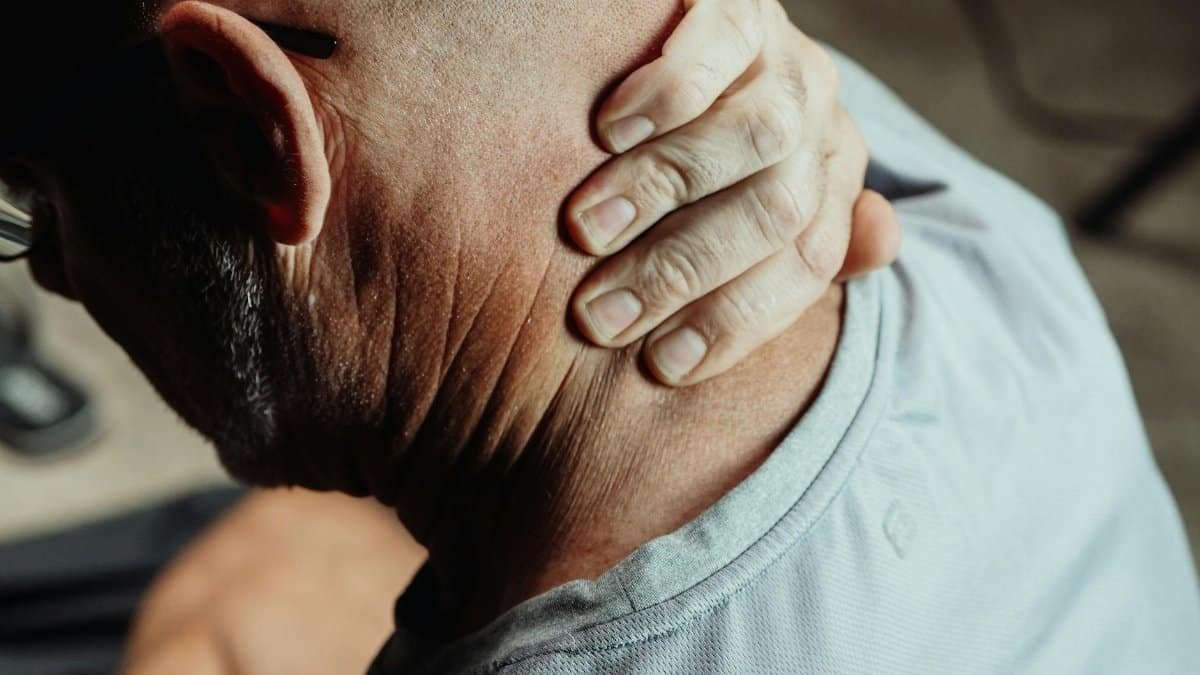
Bodily clues like tight shoulders or frequent headaches betray concealed stress. Muscles clench under pressure, leading to chronic pain without obvious injury. Dentists even report more jaw grinding cases linked to anxiety. A 2024 study in the Journal of Pain found stress accounts for 30% of unexplained musculoskeletal issues in adults. With America’s wellness trends shifting toward holistic care in 2025, ignoring these signs risks long-term health hits.
Pay attention to recurring neck stiffness after stressful days. Massage or yoga can alleviate buildup. The pattern often hides in plain sight, mistaken for poor posture, but it’s a direct stress outlet.
5. Avoidance of Social Interactions

Withdrawing from friends or family gatherings is a classic hidden stress flag. Overwhelmed individuals pull back to conserve energy, skipping invites or canceling plans. Social isolation rates have climbed 15% since the pandemic, per Pew Research, with stress as a driving factor. In 2025, as virtual connections dominate, this pattern deepens feelings of loneliness, creating a vicious cycle.
Spot it when hobbies or outings lose appeal. Reconnecting gradually, like coffee meetups, helps rebuild bonds. Experts warn that prolonged avoidance exacerbates mental strain, urging proactive outreach.
6. Forgetfulness and Concentration Lapses

Stress fogs the mind, causing memory slips or difficulty focusing. Tasks that were routine become challenging, with brains jumping between worries. Cognitive research shows chronic stress shrinks the hippocampus, impairing recall. About 62% of U.S. professionals report focus issues tied to stress, according to Gallup polls. As 2025’s multitasking demands rise, these patterns hinder productivity and self-esteem.
Track lapses like misplaced keys or missed deadlines. Brain-boosting habits, such as meditation or prioritized lists, combat this. The pattern reveals how stress silently erodes mental sharpness, but early intervention restores clarity.