

Something intriguing is happening in the wilds of North Carolina, where a recent survey from the North Carolina Wildlife Resources Commission found that over 60% of observed animal behaviors in state parks now show signs of environmental stress, up from just 35% a decade ago. This spike isn’t just numbers on a page; it points to deeper tensions rippling through ecosystems, from the Appalachian Mountains to the coastal plains. As habitats face pressures from development and climate shifts, animals are sending out clear signals of distress. These animal signals reveal hidden tensions that often go unnoticed by casual observers, yet they offer vital clues about the health of the land. For residents and visitors alike, tuning into these cues can foster a greater appreciation for the delicate balance at play. In 2025, with urban sprawl accelerating, understanding these indicators feels more urgent than ever. They whisper stories of change, urging us to listen closely before it’s too late.
1. The Restless Flight Patterns of Migratory Birds
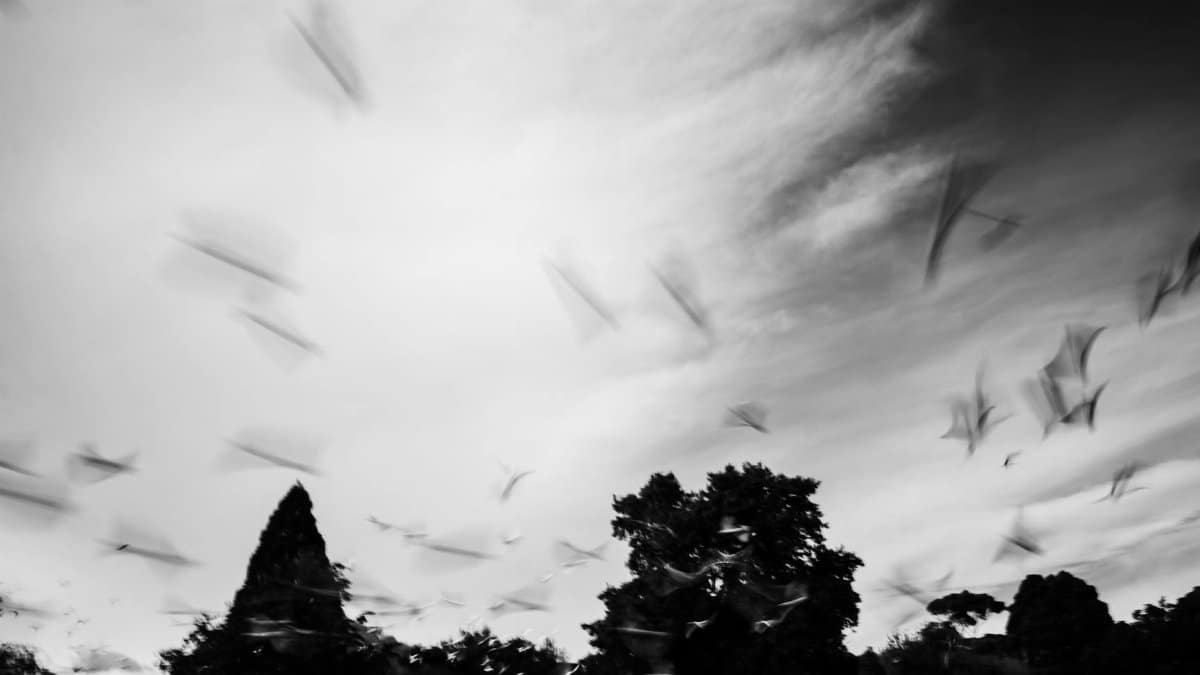
Birds have long served as barometers for environmental health, their movements painting a vivid picture of underlying issues. In North Carolina’s Piedmont region, ornithologists have noted unusual deviations in the flight paths of species like the red-tailed hawk. Instead of their typical soaring arcs, these birds now exhibit erratic, low-altitude darts, often veering closer to human settlements. This shift, experts say, stems from habitat fragmentation caused by expanding highways and subdivisions. One birder in Raleigh shared an account of watching a flock scatter prematurely at dusk, their calls piercing the air with an unusual urgency. It’s as if the birds are telegraphing a warning about the encroaching concrete. Such behaviors highlight how animal signals reveal tensions tied to loss of open spaces. A study from the Cornell Lab of Ornithology underscores this, linking altered migrations to increased stress hormones in avian populations. These feathered messengers aren’t just surviving; they’re adapting in ways that demand our attention.
Consider the broader implications for local communities. Farmers in the western part of the state report fewer insect-eating birds, leading to crop challenges. This isn’t mere coincidence. The signals point to pesticide runoff and warming temperatures disrupting traditional routes. In conversations with wildlife biologists, one described a moment in the field: a hawk perched uneasily on a power line, its head twitching toward distant construction noise. Moments like these make the abstract data feel immediate. For middle-aged North Carolinians reminiscing about quieter skies, these changes evoke a sense of nostalgia mixed with concern. Active monitoring, as promoted by groups like Audubon North Carolina, could help mitigate these issues. By heeding these aerial cues, we might preserve the natural rhythms that define the Tar Heel State.
2. Unusual Vocalizations from Eastern Gray Squirrels
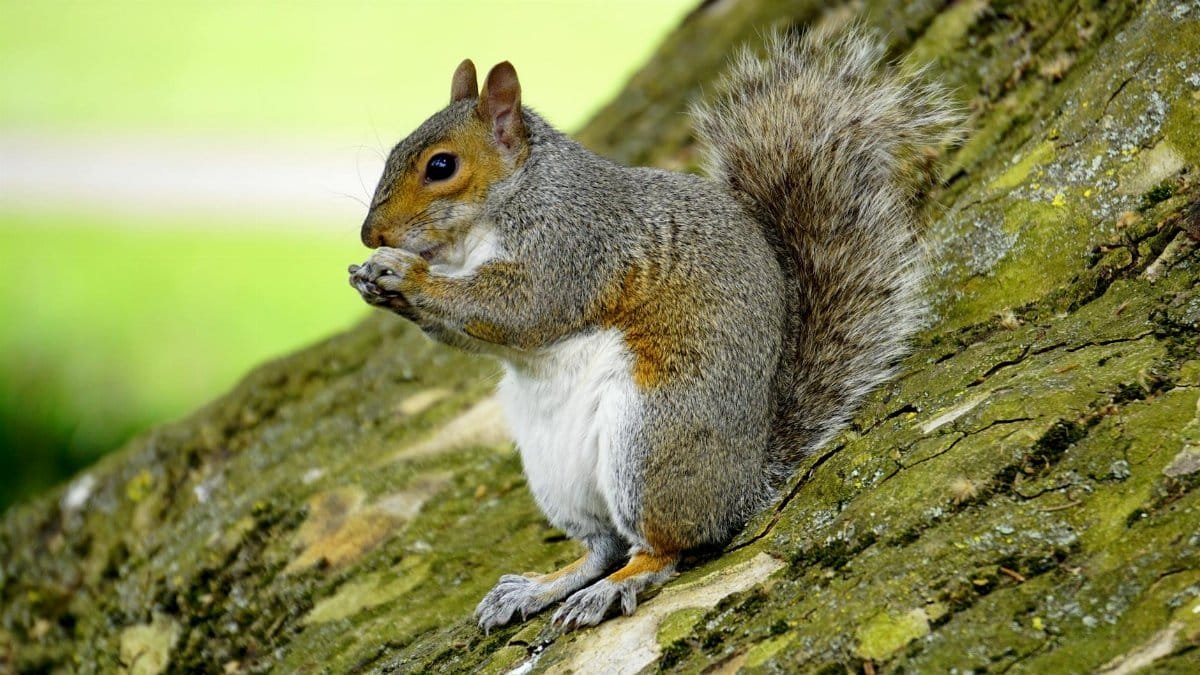
Listen closely in a North Carolina backyard, and you might catch the chatter of eastern gray squirrels taking on a sharper edge. Normally, their vocal repertoire includes playful barks and soft chucks, but lately, in areas like Charlotte’s suburbs, these sounds have escalated into frantic, high-pitched alarms. This uptick correlates with urban expansion squeezing their territories. Animal signals reveal hidden tensions through such auditory shifts, often indicating competition for dwindling food sources amid deforestation. A report from the North Carolina Wildlife Resources Commission details how noise pollution from traffic amplifies squirrel stress, prompting more aggressive calls.
Diving into a specific scene, imagine a park in Durham where a squirrel bounds across a picnic area, its tail flicking wildly as it emits a series of rapid squeaks. Nearby, a family pauses their lunch, intrigued by the display. This isn’t random; it’s a response to perceived threats from pets or vehicles. Online discussions often reveal similar observations, with one anonymous poster describing a squirrel in their yard that “sounded like it was yelling at the world” after a nearby lot was cleared for homes. These anecdotes bring the science to life, showing how everyday encounters underscore broader ecological strains. Varying the pace, shorter bursts of activity contrast with prolonged silences, mirroring the squirrels’ disrupted lives. For those attuned to nature’s subtleties, these vocal cues serve as a call to action, perhaps through community tree-planting initiatives that restore habitats.
3. Altered Foraging Behaviors in White-Tailed Deer
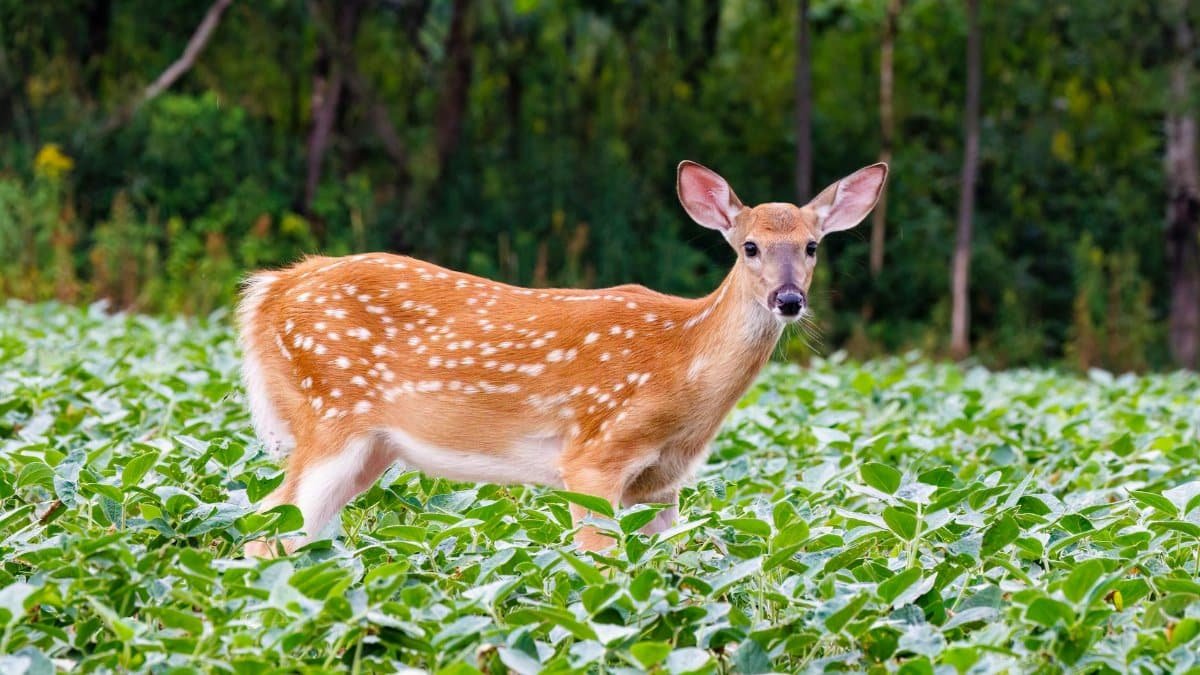
White-tailed deer, icons of North Carolina’s forests, are changing how they search for food, venturing into atypical areas like roadside clearings at odd hours. This deviation from nocturnal patterns signals overpopulation and resource scarcity, exacerbated by hunting regulations and land development. In the Blue Ridge Mountains, deer now browse in broad daylight, their ears perked and bodies tense, revealing underlying survival pressures. Such animal signals reveal tensions rooted in habitat loss, as documented in a comprehensive analysis by the U.S. Fish and Wildlife Service, which tracks population dynamics across the Southeast.
Picture a foggy morning along a rural highway near Asheville: a doe steps cautiously onto the asphalt, nibbling at sparse vegetation while glancing warily at passing cars. Her fawn follows, hesitant, embodying the vulnerability of these shifts. This scene isn’t isolated; it’s part of a pattern where deer encroach on human spaces, leading to more vehicle collisions. Biologists note that these behaviors correlate with nutritional stress, evident in thinner coats and slower movements. Reflecting on this, one might wonder how these graceful creatures adapt to a world closing in. The tension builds subtly, through repeated close calls that locals share in hushed tones at community meetings. Addressing it requires balanced management, like controlled hunts and corridor preservation, to ease the strain on both wildlife and residents.
4. Increased Aggression Among Black Bears
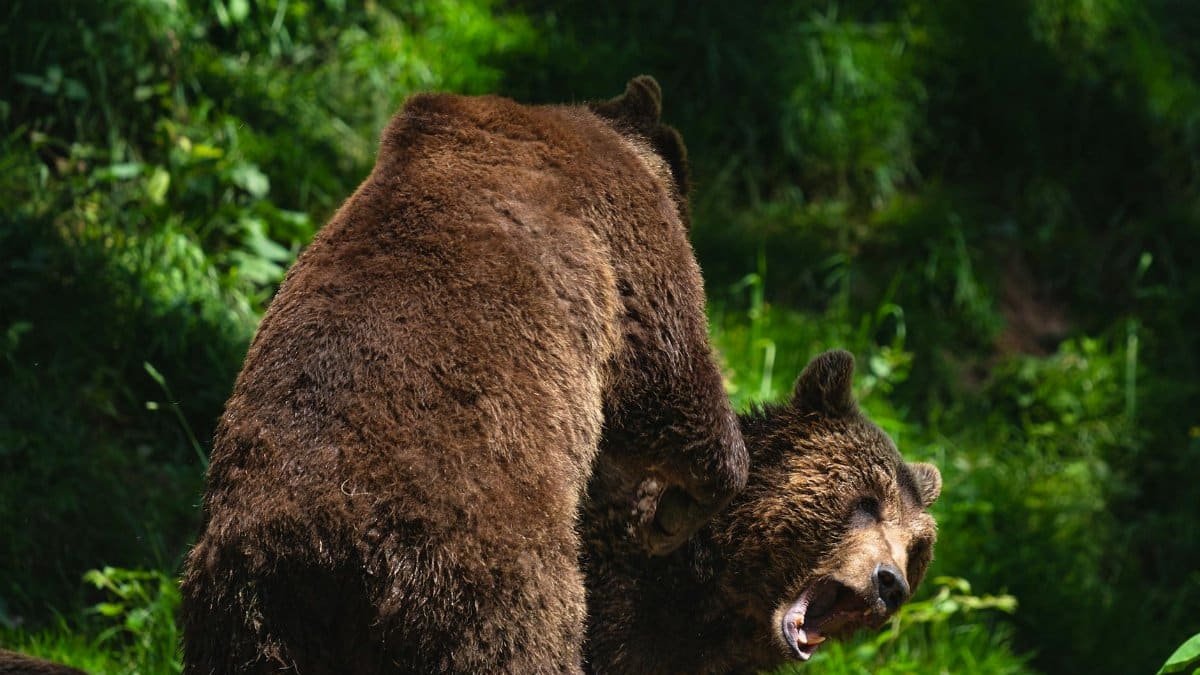
Black bears in North Carolina’s western counties are displaying more confrontational behaviors, such as bluff charges and food raids on campsites. This upsurge points to habitat encroachment and human-bear conflicts, with bears losing foraging grounds to tourism and logging. Animal signals reveal hidden tensions through these bold actions, often a last resort for securing resources. Data from the Great Smoky Mountains National Park service highlights a 25% increase in such incidents over five years, tying them to climate-induced food shortages.
In a wooded trail near Boone, a hiker once recounted freezing as a bear lumbered closer, huffing and pawing the ground—not out of malice, but desperation. The air thick with pine scent, the encounter ended peacefully, but it left an imprint of the bear’s evident strain. These stories circulate among outdoor enthusiasts, illustrating how bears’ traditional ranges shrink. Shorter sentences capture the immediacy: The bear charges. Hikers retreat. Tension lingers. Yet, longer reflections reveal complexity; bears aren’t aggressors by nature, but victims of imbalance. Community education programs teach coexistence, like proper food storage, helping to decode and diffuse these signals before they escalate into real threats.
5. Disrupted Nesting Habits of Sea Turtles

Along North Carolina’s Outer Banks, loggerhead sea turtles are altering their nesting sites, choosing riskier beaches eroded by rising seas. This change exposes eggs to predators and storms, signaling coastal vulnerabilities. Animal signals reveal tensions from climate change, with warmer waters confusing migration cues. A study published in the journal Nature (search for sea turtle nesting shifts) quantifies these impacts, showing a decline in successful hatches.
Envision the moonlit shore at Cape Hatteras: a turtle hauls herself ashore, digging furiously in unstable sand, her flippers churning against the tide. Volunteers from local conservation groups watch, noting how these efforts often fail due to inundation. One such observer described the scene as “heartbreaking yet telling,” a direct window into environmental upheaval. These narratives weave through coastal towns, where residents feel the pull of preservation. The rhythm varies—quick digs followed by laborious retreats—mirroring the turtles’ struggle. In 2025, with hurricane seasons intensifying, these signals urge stronger beach restoration efforts, blending science with community resolve to protect these ancient mariners.
6. Abnormal Schooling Patterns in Coastal Fish
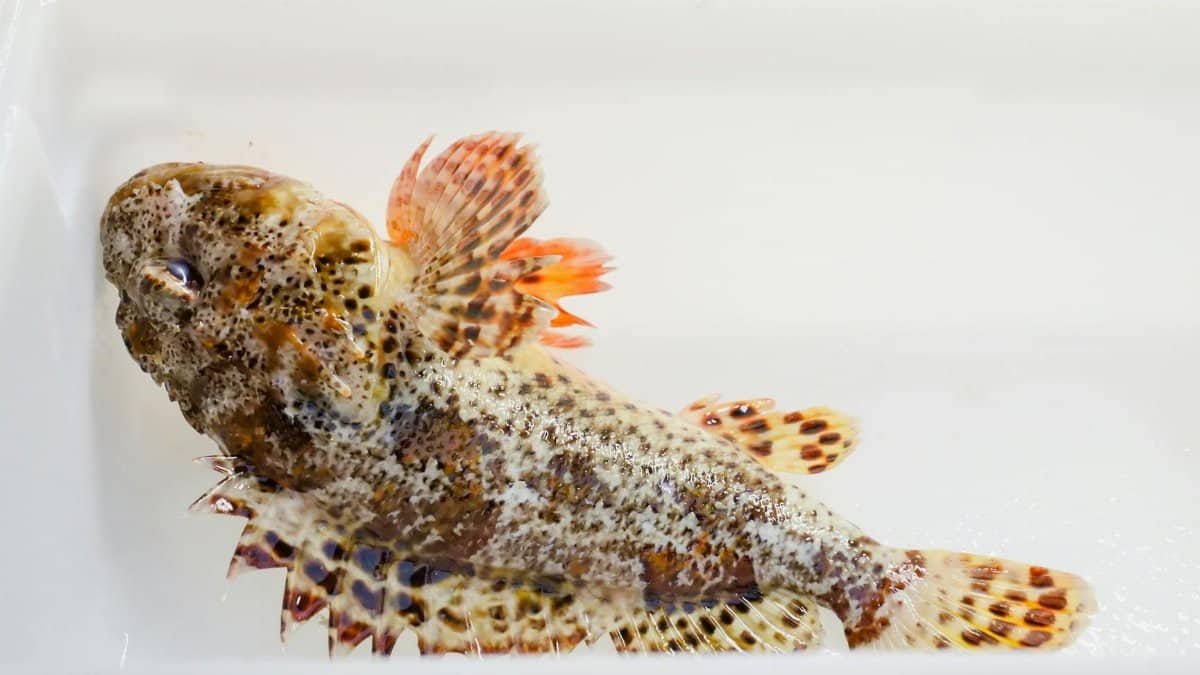
In the sounds and estuaries of eastern North Carolina, fish like red drum are forming looser, more erratic schools, a departure from tight formations that offer protection. This scattering indicates water quality issues, from pollution to oxygen depletion. Animal signals reveal hidden tensions in aquatic ecosystems, as fish respond to contaminants from agricultural runoff. Research from the Environmental Protection Agency links these behaviors to harmful algal blooms, prevalent in the region.
Under the surface near Wilmington, a diver might spot a school dispersing abruptly, individual fish darting in confusion amid murky waters. The bubbles rise slowly, carrying tales of imbalance. Anglers share similar sights, one anonymously noting online how “the fish just don’t stick together anymore, like they’re all on edge.” This insight adds a human layer to the data. Sentences punch: Fish scatter. Predators strike. Ecosystems falter. But deeper dives reveal hope in restoration projects, like wetland buffers that filter pollutants, potentially tightening those schools once more.
7. Heightened Alertness in Bobwhite Quail
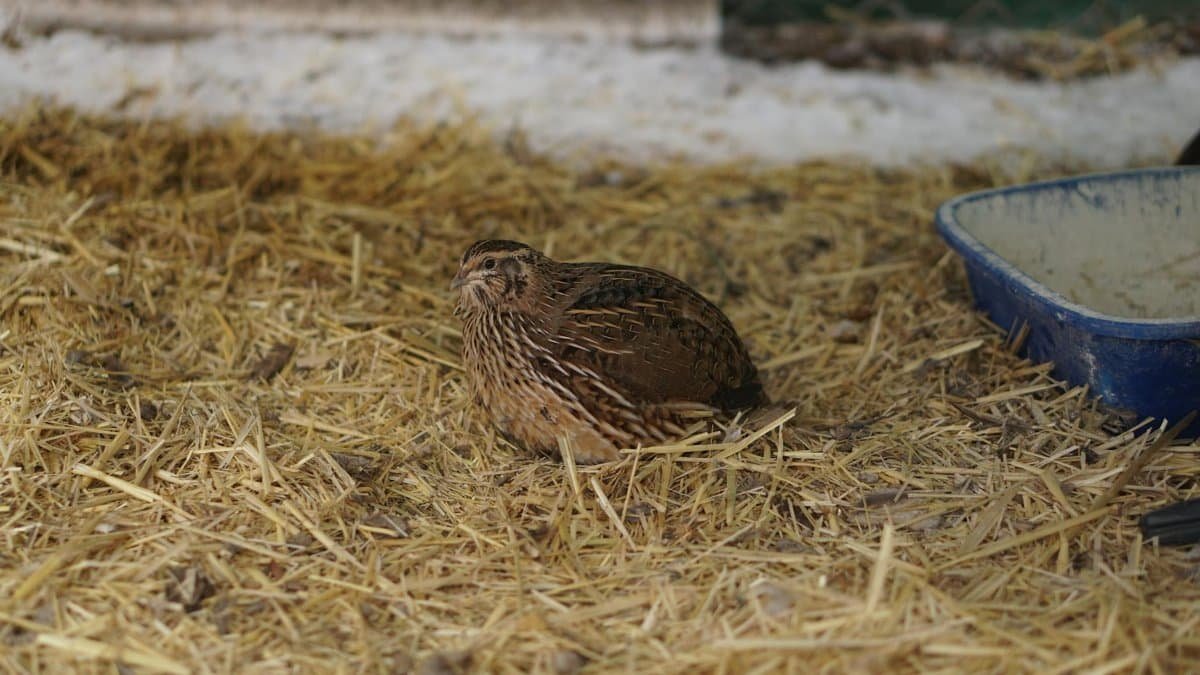
Bobwhite quail across North Carolina’s farmlands are exhibiting prolonged vigilance, freezing in place with calls that sound more strained than melodic. This hyper-awareness stems from predator increases and habitat degradation from intensive agriculture. Animal signals reveal tensions in rural landscapes, where quail populations have plummeted. A report from the U.S. Geological Survey tracks these declines, attributing them to fragmented grasslands.
On a dew-kissed field in the Sandhills, a covey of quail erupts in a flurry of wings, their whistles cutting through the morning calm. A farmer pauses his tractor, reflecting on how these birds once thrived here. The moment captures loss, yet sparks ideas for revival through native plantings. Varying the flow, quick alerts contrast with silent watches, embodying survival’s edge. For those who grew up hearing their calls, this shift stirs a quiet resolve to restore balance, ensuring these signals evolve from warnings to harmonies of recovery.