

Sunlight filtered through the blinds in a quiet Richmond café, where a group of locals gathered over coffee, their conversation turning to the quiet signals of unease they’d long ignored. One woman described a recurring twitch in her eye during stressful meetings, a subtle cue she’d only recently acknowledged. This scene captures a broader shift across Virginia, where residents are tuning into what experts call the ‘pattern, now, seen’ – those understated nervous habits that reveal deeper anxieties. In a state known for its blend of historical charm and modern hustle, from the bustling tech corridors of Northern Virginia to the serene Blue Ridge Mountains, people are increasingly pausing to observe these internal rhythms. It’s not just about noticing; it’s about understanding how these patterns influence daily life, fostering a wave of mindful practices aimed at calm and wellness.
Decoding the Subtle Signals

These nervous patterns often start small. A fidgeting foot under the desk. A tightened jaw during rush hour on I-95. In Virginia, where the pace can swing from laid-back coastal vibes to high-stakes government work in Arlington, such signals are commonplace. Researchers at the University of Virginia have explored how these bodily cues connect to stress responses, linking them to the autonomic nervous system. One study highlights how chronic stress manifests in repetitive behaviors, like nail-biting or hair-twirling, which many dismiss as mere quirks.
Take Sarah, a teacher in Charlottesville. She noticed her hands clenching whenever parent-teacher conferences loomed. “It was like my body was shouting what my mind tried to silence,” she shared in a casual chat. This awareness didn’t come overnight. It built through simple journaling, a practice gaining traction among Virginians seeking balance. By mapping these moments, individuals uncover triggers tied to work pressures or family dynamics. The key lies in observation without judgment, turning what was invisible into something actionable.
Yet, not all patterns are straightforward. Some weave into cultural norms, like the Southern politeness that masks underlying tension. Here, the ‘pattern, now, seen’ emerges as a tool for authenticity, encouraging people to peel back layers of composure.
The Role of Mindfulness in Recognition

What if paying attention could rewrite your stress story? That’s the premise driving mindfulness programs sprouting up in places like Virginia Beach and Roanoke. Local wellness centers report a surge in participants eager to spot their nervous ticks. A program at the Virginia Commonwealth University emphasizes breathwork to interrupt these cycles, drawing on techniques proven to lower cortisol levels.
Imagine a yoga class in Norfolk, where instructors guide attendees to notice the subtle shift from calm to agitation. One participant recalled feeling her shoulders rise during a pose, a revelation that sparked broader self-inquiry. This isn’t fluffy advice; it’s backed by science. The National Institutes of Health outlines how mindfulness reduces anxiety by enhancing emotional regulation.
Virginians, with their mix of urban and rural lifestyles, find these practices adaptable. A farmer in the Shenandoah Valley might use them during harvest season, while a D.C. commuter applies them on the Metro. The beauty is in the simplicity: no fancy equipment needed, just intention.
Historical Roots in Virginia’s Culture

Virginia’s history brims with tales of resilience amid tension. Think of the colonial era, when figures like Patrick Henry channeled nervous energy into revolutionary speeches. Today, that legacy informs how residents view their internal patterns. Historians at Colonial Williamsburg note how past generations coped with uncertainty through community rituals, a tradition echoing in modern support groups.
One anonymous account from an online discussion captured this: a descendant of Civil War veterans described inheriting a ‘family fidget,’ a leg-shaking habit passed down through generations. Recognizing it as a ‘pattern, now, seen’ helped break the cycle, blending heritage with healing. Such stories highlight how Virginia’s past shapes present wellness journeys.
Yet, this recognition isn’t always linear. Economic shifts, like the tech boom in Loudoun County, amplify new stresses, making historical coping mechanisms feel outdated. Adaptation becomes essential, merging old wisdom with new insights.
Challenges in Spotting Hidden Patterns

Not everyone sees these signals easily. Distractions abound in a state where politics and policy debates rage in Richmond. For some, denial serves as a shield. “I thought my constant throat-clearing was just allergies,” admitted a lobbyist during a wellness workshop. Unmasking requires vulnerability, a hurdle in a culture prizing self-reliance.
Experts warn of overlooking patterns that escalate. The American Psychological Association details how ignored stress can lead to burnout, with data showing rising cases in the South. In Virginia, healthcare providers see this in increased therapy seekers, particularly post-pandemic.
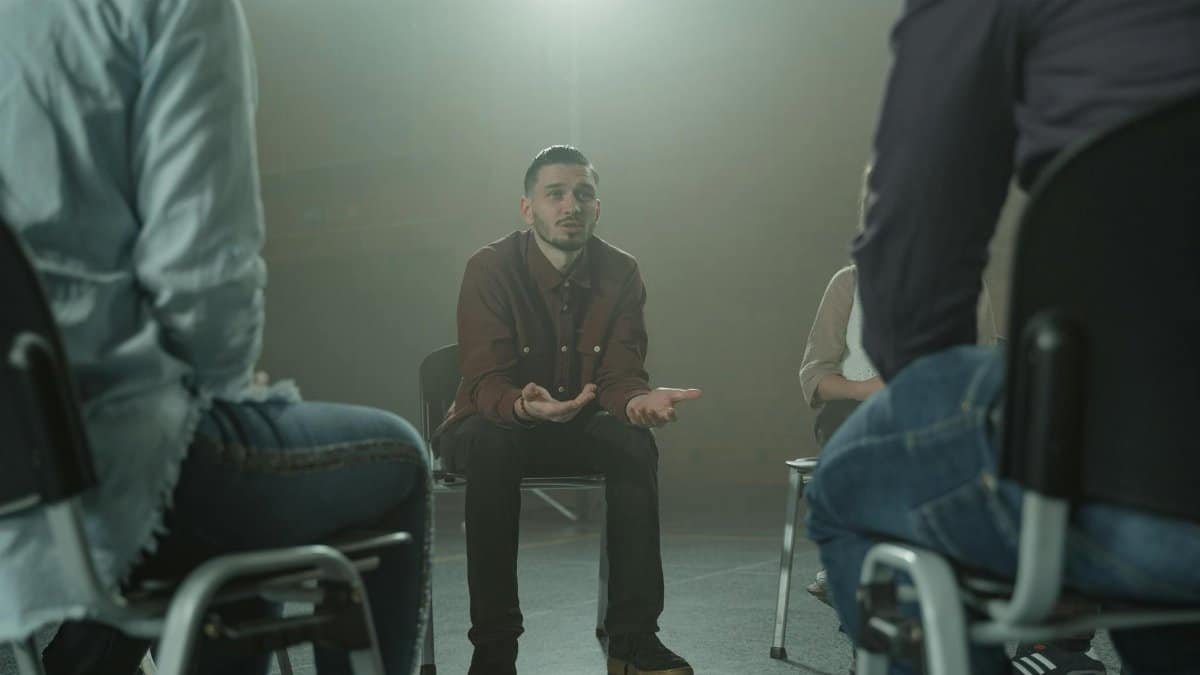
Overcoming involves community. Groups in Alexandria host ‘pattern-sharing’ circles, where members voice their habits without fear. This collective approach demystifies the process, turning isolation into connection.
Practical Steps for Daily Awareness
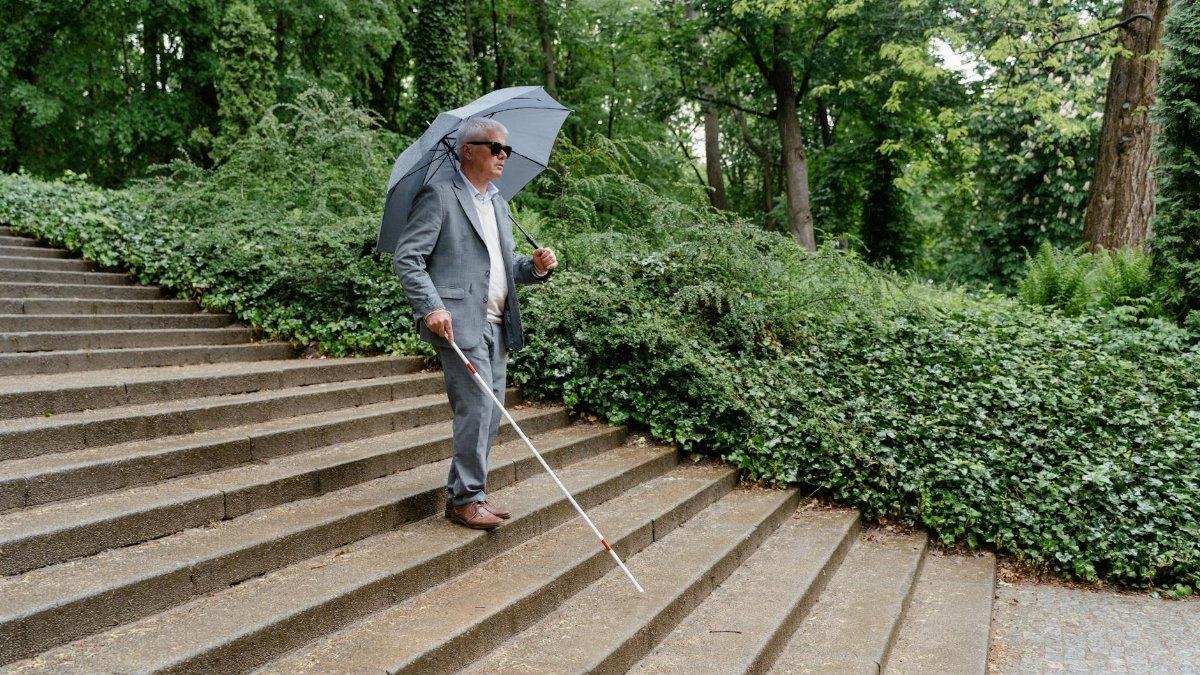
Start small, experts advise. Set aside five minutes each morning to scan your body. Notice any tightness or restlessness. Apps like those from the Centers for Disease Control and Prevention offer guided check-ins, tailored for busy schedules.
In Virginia’s diverse settings, these steps adapt. A hiker on the Appalachian Trail might pause to observe breathing patterns amid nature’s calm. Contrast that with a barista in Fairfax, who uses break times for quick reflections. Both find value in consistency.
Journaling amplifies this. Write down triggers and responses. Over time, patterns clarify, revealing links to diet, sleep, or relationships. It’s empowering, transforming passive habits into proactive choices.
Impact on Relationships and Community
These patterns don’t exist in isolation. They ripple into interactions. In families across Virginia, recognizing a partner’s nervous sigh can foster empathy. Couples in therapy sessions often cite this as a breakthrough, leading to deeper conversations.
Communities benefit too. Schools in Virginia Beach incorporate mindfulness into curricula, helping students identify early signs of anxiety. A report from the Pew Research Center on youth mental health underscores the need, showing trends in emotional awareness among Gen Z.
One story stands out: neighbors in a Richmond suburb formed a walking group, sharing observations during strolls. What began as exercise evolved into mutual support, easing collective tensions.
Scientific Backing and Emerging Research

Science bolsters these observations. Neuroscientists at Virginia Tech study how the brain processes stress signals, using fMRI to map neural pathways. Their findings suggest that early detection of patterns can prevent chronic issues.
A recent paper in the Journal of Anxiety Disorders links bodily awareness to reduced symptom severity. For Virginians, this means practical hope amid rising mental health concerns.
Looking to 2025, researchers predict more integrated approaches, blending tech like wearables with traditional therapy. The American Psychological Association anticipates growth in biofeedback tools, making patterns even more visible.
Personal Stories of Transformation

Transformation stories abound. Consider Mark, a veteran in Hampton Roads. Plagued by restless nights, he learned to spot his pacing as a ‘pattern, now, seen’ tied to PTSD. Through veteran support networks, he channeled it into art, finding peace.
Women in professional networks share similar arcs. One executive in Tysons Corner described shifting from overworking to balanced routines after acknowledging her email-checking compulsion. These narratives inspire, showing change is possible.
Yet, setbacks occur. Relapses remind us that progress is uneven, adding humanity to the journey.
Beyond Virginia: A National Echo

Virginia’s experiences mirror national trends. Across the U.S., awareness of nervous patterns grows, fueled by wellness movements. In states like California or New York, similar stories emerge, but Virginia’s unique blend of history and innovation offers distinct lessons.
A national survey by the National Institute of Mental Health reveals increasing self-reported anxiety, with mindfulness as a top coping strategy. This positions Virginia as a microcosm, its subtle shifts hinting at broader changes.
As more Americans tune in, the ‘pattern, now, seen’ becomes a shared language for wellness.
Embracing the Journey Ahead
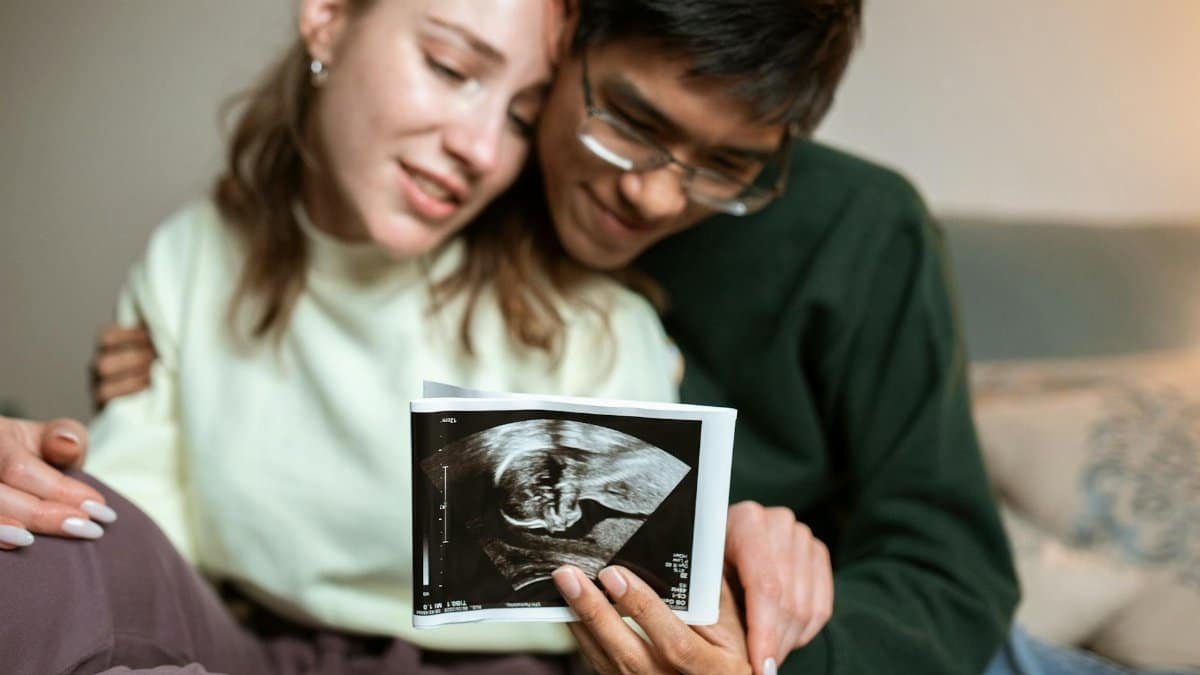
The path to clarity isn’t always smooth. Doubts creep in, especially in uncertain times. But Virginians persist, weaving awareness into everyday life. From quiet meditations in state parks to group sessions in urban centers, the momentum builds.
Ultimately, seeing these patterns empowers. It invites a gentler self-relationship, fostering calm in a chaotic world. As one resident put it, “It’s like turning on a light in a room you thought was empty.”
In 2025, with wellness evolving, this recognition promises deeper fulfillment for many.