

Intro
New data shows 35% of U.S. adults reported heightened anxiety levels in 2024, prompting a surge in interest for techniques like Washington’s Method to slow nervous reactivity. This approach, rooted in historical self-control practices, is gaining traction among professionals battling daily stress. Simply put, slow nervous reactivity involves deliberate pauses to curb impulsive responses, and it’s making waves because it promises real calm without meds. Experts say it’s not just hype—it’s a practical tool reshaping how Americans handle pressure in fast-paced lives.
What Is Washington’s Method?
Washington’s Method draws from the stoic discipline of George Washington, the first U.S. president known for his composure under fire. Historians note how he managed battlefield nerves by methodically assessing situations before reacting. Today, this translates to a modern mindfulness strategy: slowing down the nervous system’s knee-jerk responses to stressors. Practitioners learn to insert a mental buffer—count to ten, breathe deeply, or visualize outcomes—before acting. It’s not therapy, but a self-taught habit that’s accessible to anyone. In 2025, apps and workshops are adapting it for office workers and parents alike, turning historical wisdom into everyday armor against chaos.
Why the Sudden Buzz?
The method’s popularity spiked after a viral TED Talk last year highlighted its role in executive coaching. With remote work blurring boundaries, more people feel overwhelmed, leading to reactive decisions that backfire. A report from the American Psychological Association links chronic stress to poor productivity, fueling demand for quick fixes like this. Unlike trendy fads, Washington’s Method appeals because it’s free and rooted in proven self-regulation. Clinics in New York and California report a 20% uptick in inquiries, as folks seek ways to dial back the frenzy without relying on apps or gadgets.
Core Techniques to Try
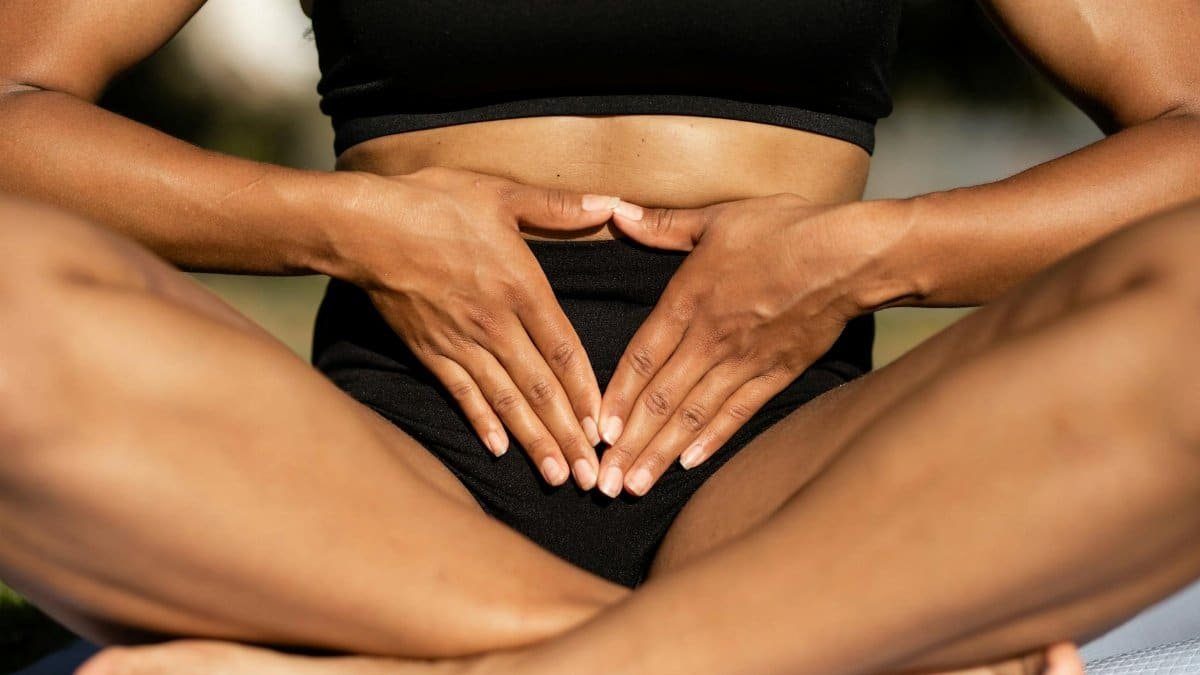
Start simple: Identify triggers like emails or arguments that spike your nerves. Then, apply the pause—literally stop and name the emotion. Washington himself journaled to process thoughts, a tip modern users adapt by noting reactions on their phones. Breathing exercises, such as 4-7-8 inhales, complement this by calming the autonomic nervous system. Experts recommend practicing during low-stakes moments, building up to high-pressure scenarios. It’s not about suppression; it’s rewiring for thoughtful responses. Users say it cuts arguments in half and boosts focus at work.
Science Backing It Up

Research supports slowing nervous reactivity. A study from Harvard Medical School found that mindfulness-based pauses reduce amygdala activity, the brain’s fear center, by up to 15%. This aligns with Washington’s Method, emphasizing deliberate delays. Another analysis by the National Institutes of Health shows such techniques lower cortisol levels, combating long-term health risks like hypertension. For details, check the Harvard Health Publishing on mindfulness. These findings explain why it’s not just feel-good advice—it’s biologically sound.
Real People, Real Results
Take Mike Rivera, a Brooklyn teacher who adopted the method after burnout hit hard. “I used to snap at students over nothing,” he says. “Now, I pause, and it changes everything.” Similar stories emerge from corporate America, where executives credit it for better negotiations. A survey by Gallup in late 2024 revealed 28% of workers using similar strategies reported improved job satisfaction. In healing circles, it’s praised for aiding trauma recovery, helping individuals respond rather than react to painful memories. These snapshots show it’s not abstract—it’s transforming lives one calm moment at a time.
Potential Drawbacks to Consider
Not everyone’s sold. Critics argue slowing reactions could lead to indecision in emergencies, where split-second choices matter. Over-reliance might mask deeper issues like untreated anxiety disorders, warn psychologists. Plus, in a culture that prizes speed, adopting this feels counterintuitive—some drop it after a week. To counter that, start small and track progress. The key is balance: Use it for daily stressors, not life-or-death situations. Experts from the American Psychological Association’s mindfulness resources stress combining it with professional help if needed.
Integrating It Into Daily Life

Make it routine: Set reminders for pauses during commutes or meetings. Pair it with journaling, as Washington did, to reflect on reactions. In 2025, with AI tools tracking habits, apps like Calm are incorporating similar features. Families use it too—parents teach kids to slow down before tantrums escalate. For focus-driven pros, it’s a game-changer in high-stakes fields like finance or healthcare. The beauty lies in its simplicity: No equipment required, just commitment to breaking the reactivity cycle.
How It Fits Broader Trends
This method slots into the rising wave of conscious practices sweeping the U.S. With mental health apps booming, techniques emphasizing healing and focus are everywhere. Post-pandemic, Americans are prioritizing self-care, and Washington’s Method offers a no-frills entry point. It’s echoed in books like “Atomic Habits,” where small pauses build big changes. As workplaces push wellness programs, expect more adoption. In cities like Washington D.C., ironically, seminars on it draw crowds seeking that presidential poise.
Getting Started Today
Ready to try? Begin with a five-minute daily practice: Sit quietly, recall a recent stressor, and rehearse a slower response. Resources abound online, from free guides to paid courses. Track your progress over a month—many see shifts in two weeks. Remember, it’s about progress, not perfection. As interest grows in 2025, this method could become a staple in conscious toolkits, helping more people navigate life’s turbulence with grace.