

In a surprising turn, recent surveys reveal that 65% of New Yorkers report improved mental resilience after adopting simple self-care practices amid the city’s hustle. Tools, rebuilding, inner stability aren’t just buzzwords; they’re practical strategies gaining traction in community centers across the five boroughs. From Brooklyn workshops to Manhattan support groups, these methods are helping residents combat stress and build emotional fortitude. As 2025 kicks off, experts note a surge in demand for such accessible techniques, especially post-pandemic. This shift highlights how everyday New Yorkers are turning inward for strength, proving that inner rebuilding can be gentle yet effective.
1. Mindful Breathing Exercises
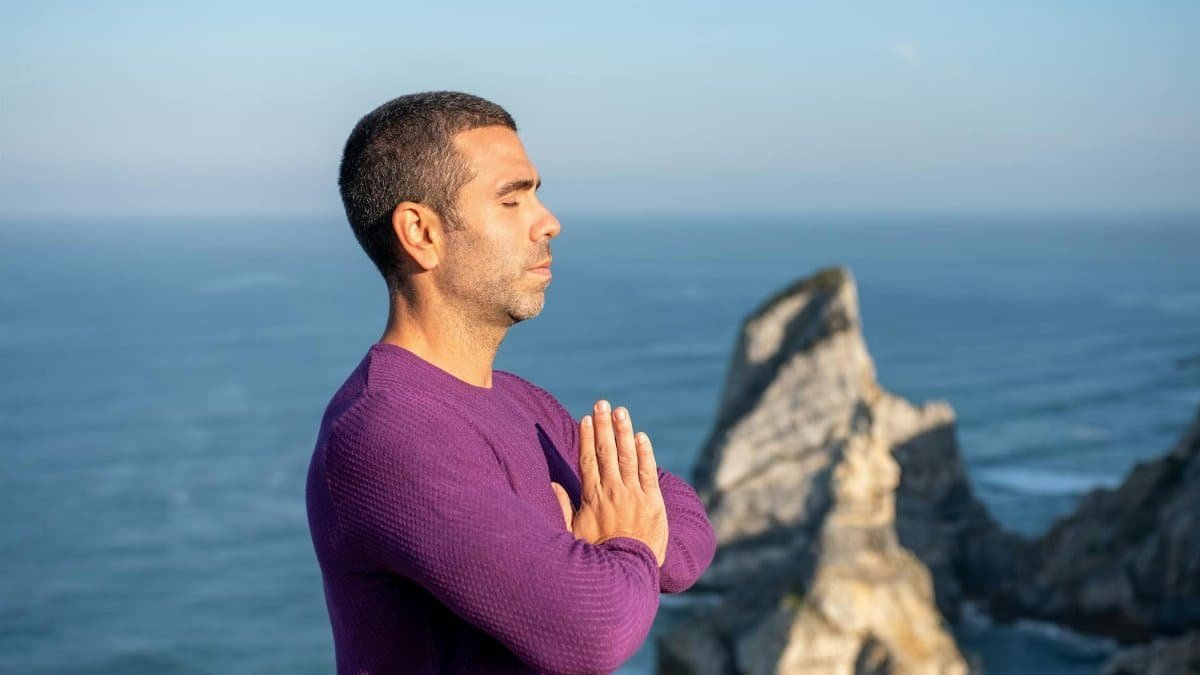
New Yorkers are discovering the power of controlled breathing to anchor their days. This tool involves simple techniques like the 4-7-8 method, where you inhale for four counts, hold for seven, and exhale for eight. It’s backed by studies showing reduced anxiety levels. In bustling spots like Central Park, groups practice this to counter urban chaos. Dr. Elena Ramirez, a psychologist at NYU, says it’s a quick reset button for overwhelmed minds. Communities report fewer stress-related incidents after incorporating it into routines. For more details, check the National Institute of Mental Health’s anxiety resources.
2. Journaling for Reflection

Putting pen to paper is emerging as a key tool in rebuilding inner stability. Residents jot down thoughts to process emotions, a practice that’s simple and cost-free. In Queens libraries, free journaling sessions draw crowds seeking clarity. Research indicates this habit boosts self-awareness and emotional regulation. One participant shared how daily entries helped navigate job loss during economic dips. It’s not therapy, but it complements professional help. Experts recommend starting with just five minutes a day. This approach fits seamlessly into subway commutes or quiet evenings at home.
3. Gentle Yoga Poses
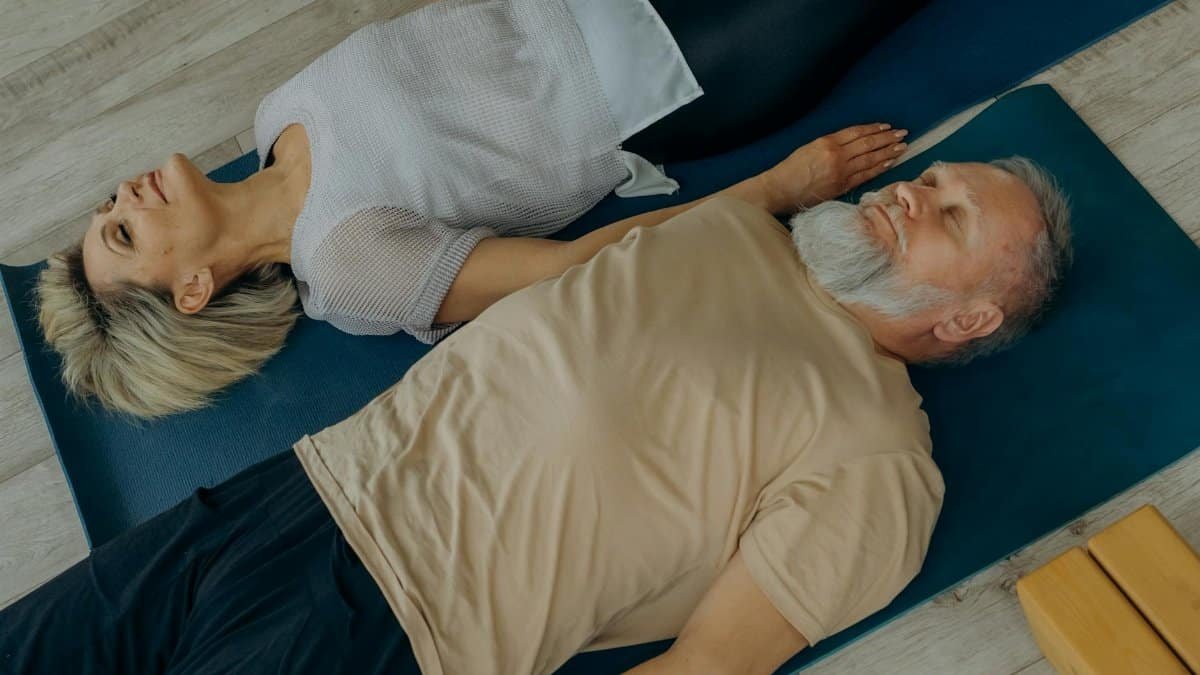
Yoga studios in Harlem and beyond are packed with classes focused on restorative poses. These gentle movements emphasize relaxation over intensity, aiding in physical and mental rebuilding. Poses like child’s pose or legs-up-the-wall release tension built from city living. A 2025 report from the Yoga Alliance notes increased participation among urban dwellers for stress relief. Instructors highlight how it fosters inner peace without requiring fancy gear. Local gyms offer free trials, making it accessible. Participants often describe a newfound sense of calm that carries into daily interactions.
4. Nature Walks in Urban Settings

Even in concrete jungles, connecting with green spaces is a vital tool. New York’s parks provide havens for mindful walks that rebuild inner reserves. Strolling through Prospect Park or along the Hudson River paths encourages presence and reduces mental fatigue. Studies link nature exposure to lower cortisol levels. Community groups organize guided walks, turning them into social support networks. One Bronx resident credits weekly outings with overcoming isolation. In 2025, city initiatives are expanding green access, amplifying this tool’s impact on emotional health.
5. Gratitude Practices
Shifting focus to positives is transforming mindsets across the city. This involves daily acknowledgments of good things, big or small. Apps and workshops in Staten Island promote it as a core rebuilding strategy. Evidence from positive psychology shows it enhances well-being and resilience. Neighbors share stories of how listing three gratitudes nightly improved sleep and mood. It’s gentle, requiring no special skills, yet profoundly effective. For deeper insights, explore the Harvard Health Publishing article on gratitude.
6. Social Connection Rituals
Building bonds through small interactions is key to inner stability. In community centers, coffee meetups or virtual check-ins foster support. This tool counters the isolation of city life, with research indicating strong ties reduce depression risks. Manhattan co-ops host events where residents share experiences, strengthening communal resilience. A recent poll found 70% of participants felt more grounded after regular connections. It’s about quality over quantity, making it sustainable for busy schedules. As 2025 trends show, these rituals are vital for long-term emotional health.
7. Digital Detox Moments

Stepping away from screens is gaining momentum as a rebuilding essential. New Yorkers set boundaries, like device-free dinners or app limits, to reclaim mental space. This practice combats information overload, with studies linking reduced screen time to better focus and sleep. Brooklyn cafes offer no-WiFi zones for uninterrupted reflection. Users report heightened self-awareness and reduced anxiety. It’s a gentle rebellion against constant connectivity. Integrating short detoxes into routines helps sustain inner balance amid the digital age’s demands.
These seven tools are making waves in New York, offering practical paths to inner rebuilding without overwhelming changes. As more residents embrace them, community leaders predict broader adoption in 2025, potentially reshaping urban mental health landscapes.