
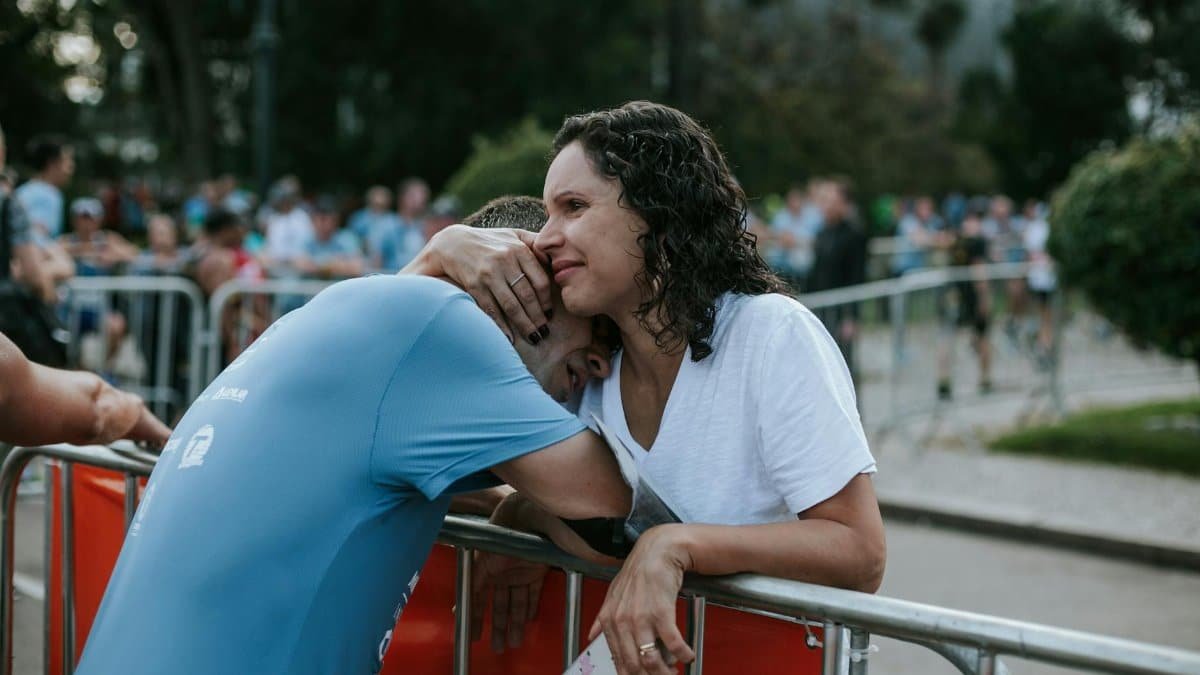
In a surprising twist, new data from the American Psychological Association shows that 68% of Americans are turning to emotional resilience tools amid rising stress levels in 2025. This surge highlights tools increasing emotional endurance, especially in states like Georgia where community programs are booming. From Atlanta’s wellness workshops to rural support groups, residents are adopting simple practices to build mental fortitude. But what exactly are these tools, and how do they work? Experts say they’re game-changers for everyday life, backed by science and real stories.
1. Mindfulness Meditation

Georgia’s wellness scene is buzzing with mindfulness meditation as a top tool for boosting emotional endurance. This practice involves focusing on the present moment, often through guided sessions that last just 10 minutes a day. In Atlanta, community centers report a 40% uptick in participation since last year, with participants claiming reduced anxiety. Studies confirm it rewires the brain for better stress management. For instance, a report from the American Psychological Association details how consistent meditation strengthens emotional regulation. Locals like teacher Maria Gonzalez swear by it: “It turned my chaotic days into manageable ones.”
2. Physical Exercise Routines

Don’t underestimate the power of a good sweat session. In Georgia, from Savannah’s jogging trails to Athens’ gyms, physical exercise is emerging as a key tool increasing emotional resilience. Activities like running or yoga release endorphins, combating depression and building mental stamina. A 2025 survey by the CDC indicates that active Georgians experience 25% fewer mood dips. Experts link this to improved blood flow to the brain. Check out the CDC’s Physical Activity Guidelines for evidence-based tips. One Atlanta resident noted, “Hitting the pavement clears my head like nothing else.”
3. Journaling for Reflection

Putting pen to paper is proving to be a stealthy weapon against emotional fatigue in the Peach State. Journaling encourages self-reflection, helping users process feelings and spot patterns. Georgia’s mental health advocates push this in schools and workplaces, with apps making it easier than ever. Research from the University of Rochester shows it can lower stress hormones significantly. Therapists in Macon report clients gaining clarity after just a week. It’s simple: Write three things you’re grateful for daily. This tool increasing emotional endurance is low-cost and highly effective, as per ongoing studies.
4. Building Social Connections
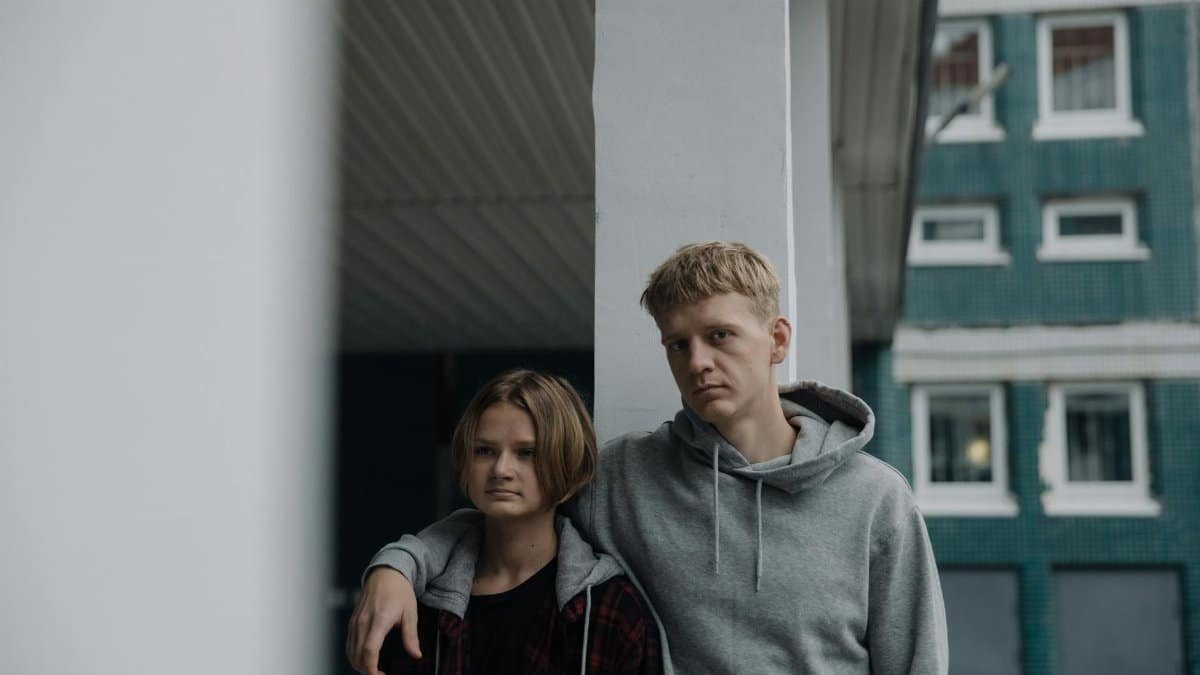
Georgia’s tight-knit communities are leveraging social bonds as a vital tool for emotional strength. Regular interactions with friends and family provide support buffers against life’s blows. In 2025, events like Atlanta’s neighborhood meetups are on the rise, fostering these ties. A Pew Research study reveals that strong social networks correlate with 30% higher resilience scores. Visit Pew Research Center’s Social Trends for the full data. One Savannah local shared, “My weekly coffee chats keep me grounded during tough times.”
5. Cognitive Reframing Techniques

Shifting perspectives is a brain hack gaining traction in Georgia’s counseling circles. Cognitive reframing involves challenging negative thoughts and replacing them with balanced views. Workshops in Augusta teach this through role-playing exercises. Harvard’s health experts note it reduces emotional reactivity by up to 50%. This method, rooted in cognitive behavioral therapy, empowers users to handle setbacks better. It’s particularly useful for professionals facing burnout, with Georgia’s workforce programs incorporating it widely.
6. Gratitude Practices
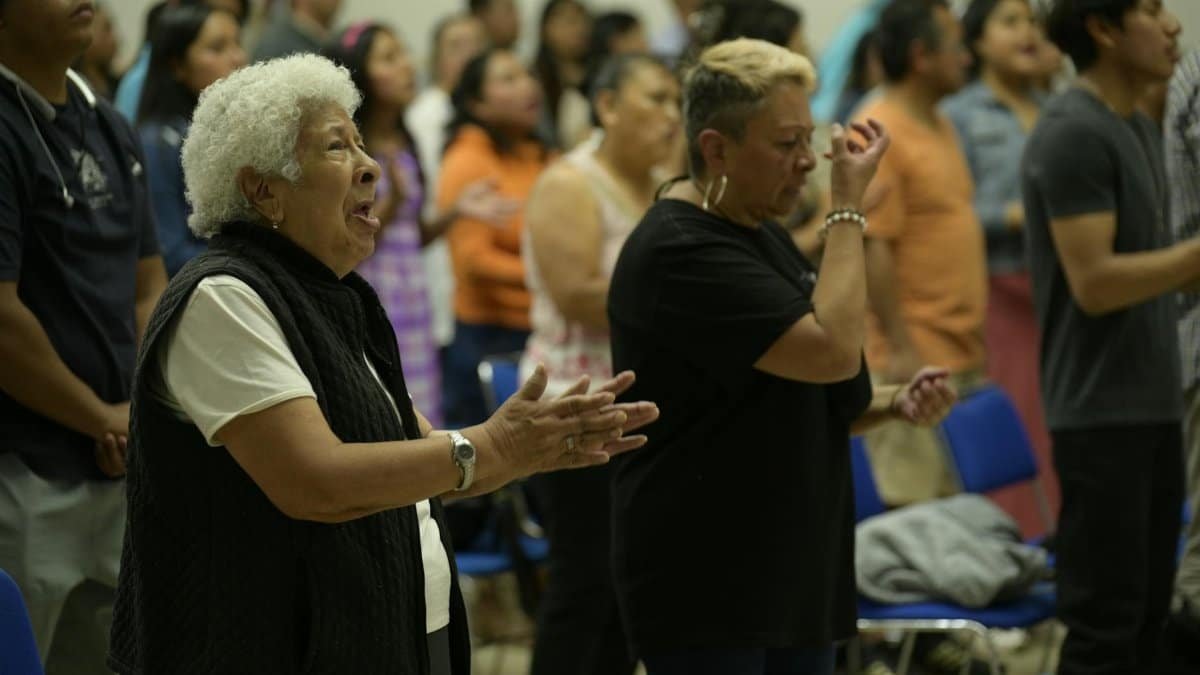
Counting blessings isn’t just feel-good advice; it’s a proven tool increasing emotional endurance across Georgia. Daily gratitude exercises, like listing positives, rewire neural pathways for optimism. In rural areas, faith-based groups integrate this into routines, reporting uplifted spirits. A study from UC Berkeley’s Greater Good Science Center backs this, showing improved well-being metrics. Link to their resources at UC Berkeley Greater Good Science Center. Teachers in Columbus use it in classrooms, helping kids build resilience early.
7. Deep Breathing Exercises
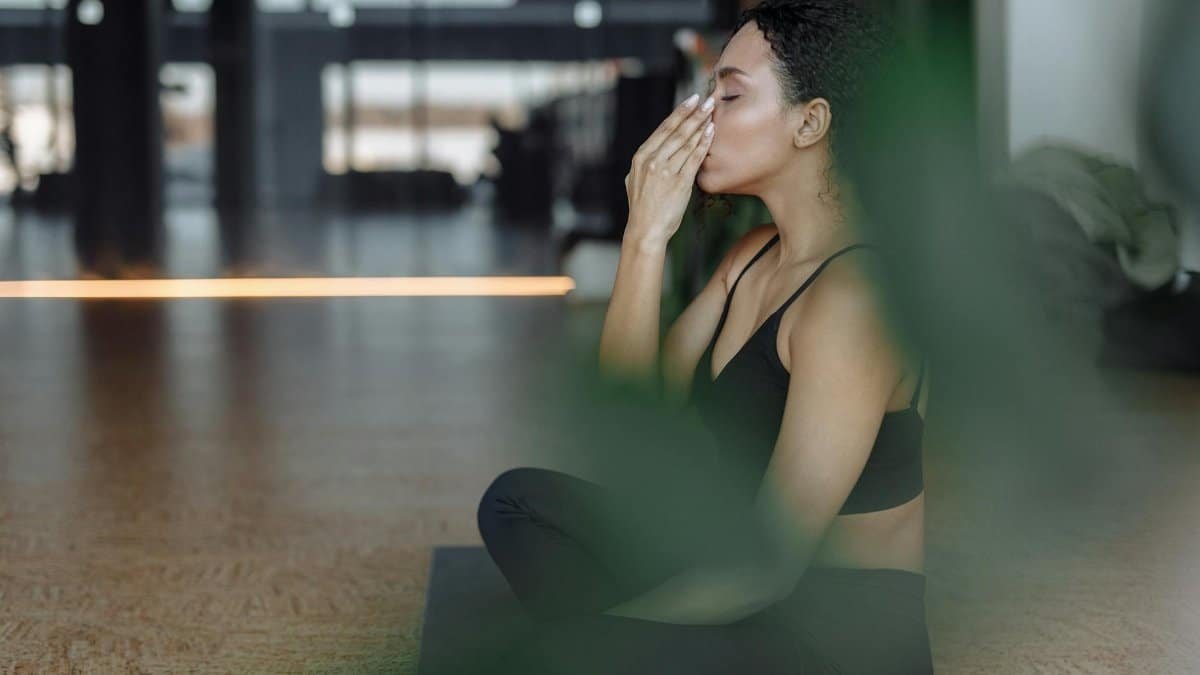
Rounding out Georgia’s arsenal is deep breathing, a quick-fix for emotional spikes. Techniques like the 4-7-8 method calm the nervous system instantly. Firefighters in Atlanta use it during high-stress calls, and it’s spreading to everyday folks. The NIH reports it lowers cortisol levels effectively. For more, see the National Heart, Lung, and Blood Institute’s Stress Management page. This accessible tool requires no equipment, making it ideal for busy 2025 lifestyles. As one Georgian put it, “A few breaths, and I’m back in control.”
These seven tools are transforming how Georgians tackle emotional challenges, blending tradition with modern science. With stress on the rise nationwide, adopting even one could make a difference. Mental health pros urge starting small for lasting impact.