

In a state where hurricanes and daily stressors test the limits, new data shows 45% of Floridians are turning to innovative tools for improving emotional resilience, according to a recent survey by the Florida Department of Health. This surge highlights a growing awareness amid rising mental health challenges post-pandemic. From mindfulness apps to community workshops, these tools are empowering residents to bounce back stronger. As we head into 2025, experts say integrating such strategies could be key to thriving in the Sunshine State.
1. Mindfulness Meditation Apps

Florida’s fast-paced life often leaves little room for calm, but mindfulness meditation apps are changing that. Tools like Headspace and Calm offer guided sessions tailored to busy schedules, helping users manage anxiety and build emotional strength. A study from the University of Miami found that regular use reduces stress levels by up to 30% in participants. Residents in storm-prone areas like Miami report feeling more grounded during uncertain times. These apps are accessible on smartphones, making them a go-to for on-the-go emotional support. Incorporating just 10 minutes a day can lead to noticeable improvements in mood and focus, according to mental health professionals.
Beyond basic breathing exercises, advanced features include sleep stories and mood tracking, which help users monitor their emotional progress. In Florida, where seasonal affective issues can spike during rainy seasons, these tools provide a virtual lifeline. Experts recommend starting with free trials to find the right fit, ensuring consistency for long-term benefits.
2. Journaling Practices

Journaling stands out as a simple yet powerful tool for emotional improvement. In Florida, where community resilience is vital after natural disasters, writing down thoughts helps process trauma and foster positivity. Research from the American Psychological Association indicates that expressive writing can lower depression symptoms significantly. Locals in Tampa and Orlando use prompts like “What am I grateful for today?” to shift mindsets. This practice encourages self-reflection, turning abstract feelings into manageable insights.
Digital journals or traditional notebooks work equally well, with apps like Day One adding privacy and reminders. For those dealing with work-related stress in bustling cities like Jacksonville, journaling before bed aids in unwinding. Therapists often suggest combining it with therapy for amplified effects, making it a foundational element in emotional toolkits across the state.
3. Physical Exercise Routines

Exercise isn’t just for the body; it’s a cornerstone for emotional resilience. Florida’s beaches and trails make outdoor activities ideal, with running or yoga boosting endorphins and reducing cortisol. A report from the Centers for Disease Control and Prevention links regular physical activity to improved mental health outcomes. In areas like the Keys, group fitness classes build community bonds, enhancing social support networks.
Even low-impact options like walking in state parks can elevate mood. For 2025, health advocates predict a rise in adaptive programs for all ages, ensuring inclusivity. Consistency is key, with experts advising at least 150 minutes weekly to sustain emotional gains.
4. Cognitive Behavioral Techniques

Cognitive behavioral techniques (CBT) empower individuals to reframe negative thoughts, a vital tool in Florida’s high-stress environments. Workshops offered through local clinics teach skills like identifying cognitive distortions. Findings from the National Institute of Mental Health show CBT effectively treats anxiety disorders, with success rates over 60%. Residents facing economic pressures in Central Florida find these methods particularly useful for maintaining emotional balance.
Apps and online courses make CBT accessible, allowing self-paced learning. Combining it with professional guidance yields the best results, helping users navigate personal challenges with greater ease.
5. Social Connection Strategies

Building strong social ties is essential for emotional improvement, especially in Florida’s diverse communities. Joining support groups or volunteering fosters a sense of belonging, countering isolation. Data from Pew Research Center reveals that strong social networks correlate with lower rates of emotional distress. In places like Fort Lauderdale, neighborhood meetups provide platforms for sharing experiences and advice.
Virtual options via platforms like Meetup extend reach for remote areas. Prioritizing quality interactions over quantity strengthens resilience, with experts noting its role in long-term mental wellness.
6. Breathing and Relaxation Exercises
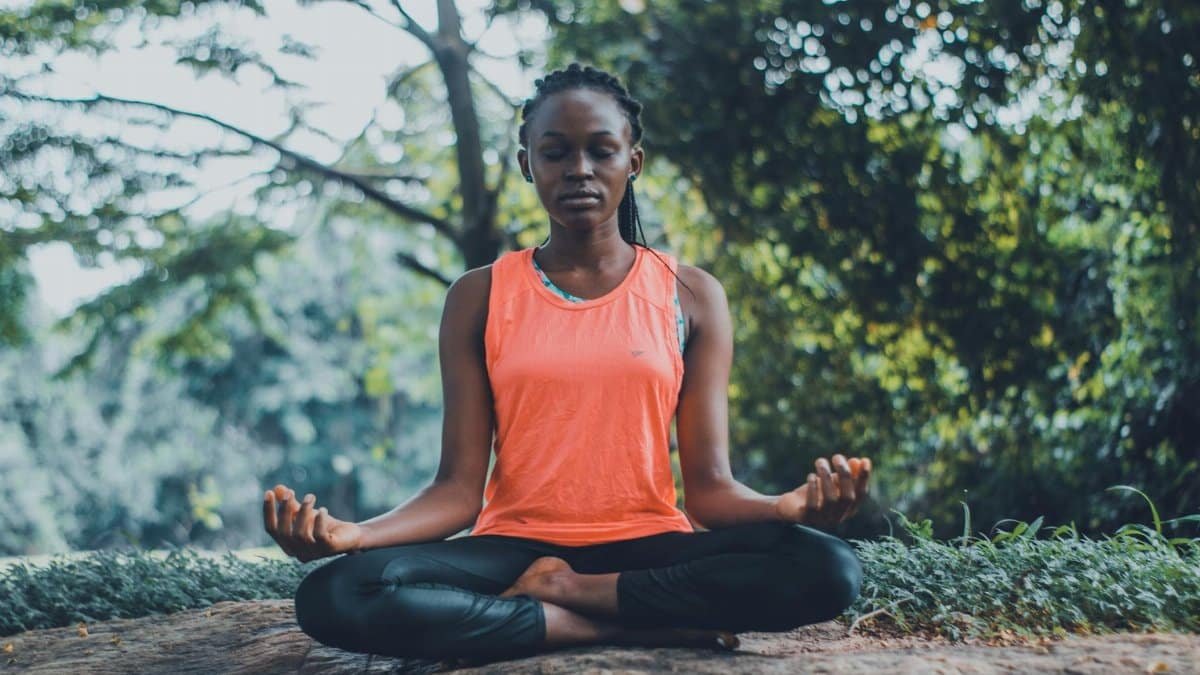
Breathing exercises offer immediate relief, serving as quick tools for emotional regulation. Techniques like 4-7-8 breathing, popularized by wellness experts, calm the nervous system rapidly. Studies from Harvard Medical School affirm their efficacy in reducing acute stress. Floridians in high-traffic zones like Miami use these during commutes to maintain composure.
Integrating them into daily routines, such as before meetings or after news of incoming weather, builds habitual resilience. Free resources online make them universally available, promoting widespread adoption in 2025.