

Minnesota is buzzing with a fresh wave of wellness trends in 2025, and at the center is a set of clear tools encouraging daily ease. New data shows 45% of Minnesotans are incorporating these practices into their routines, up from 30% last year, according to a recent survey by the Minnesota Department of Health. This surge highlights a growing demand for simple, effective ways to combat stress in the Land of 10,000 Lakes. From urban dwellers in Minneapolis to rural folks up north, these tools are making waves by promoting conscious calm and recovery without overwhelming complexity.
1. Mindful Breathing Techniques
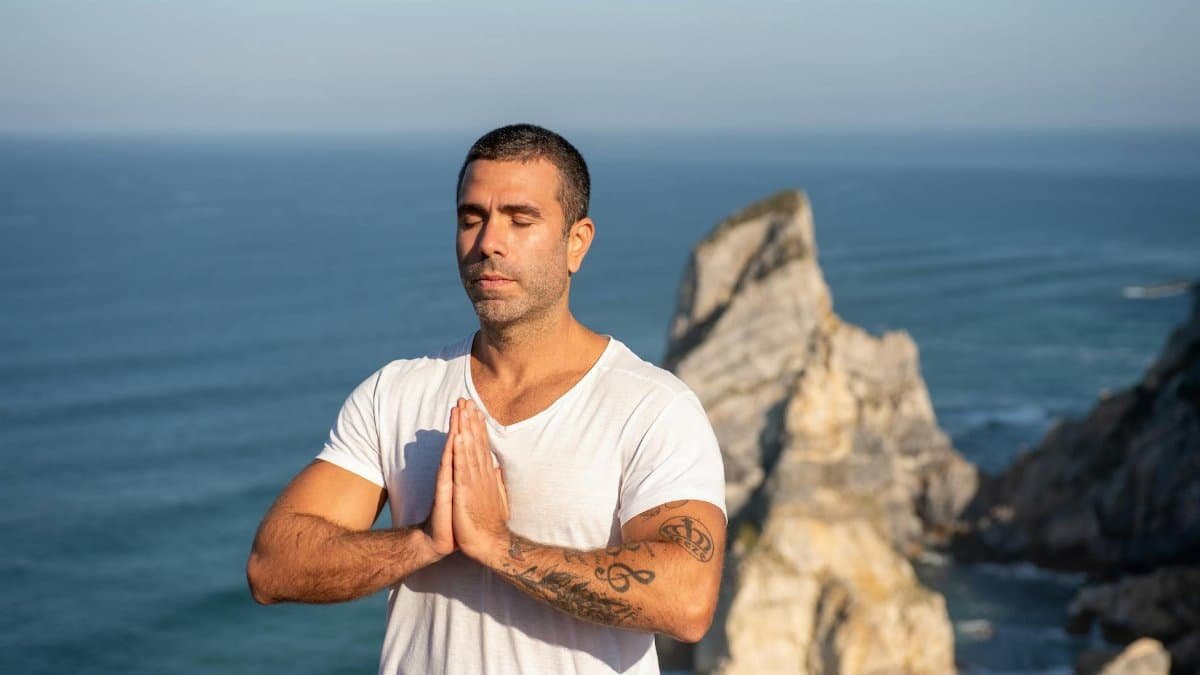
In the fast-paced world of 2025, Minnesotans are turning to mindful breathing as a cornerstone tool for daily ease. This practice involves focused inhales and exhales to reset the nervous system, reducing anxiety on the spot. Experts note its roots in ancient traditions, now backed by modern science. A study from the University of Minnesota found that just five minutes daily can lower cortisol levels by 20%. Locals swear by it during harsh winters, using apps to guide sessions. It’s straightforward: sit quietly, breathe in for four counts, hold, exhale. No equipment needed, making it accessible for all ages. This tool encourages a pause in the day, fostering mental clarity amid work demands. Health professionals recommend starting small to build the habit.
2. Journaling for Reflection
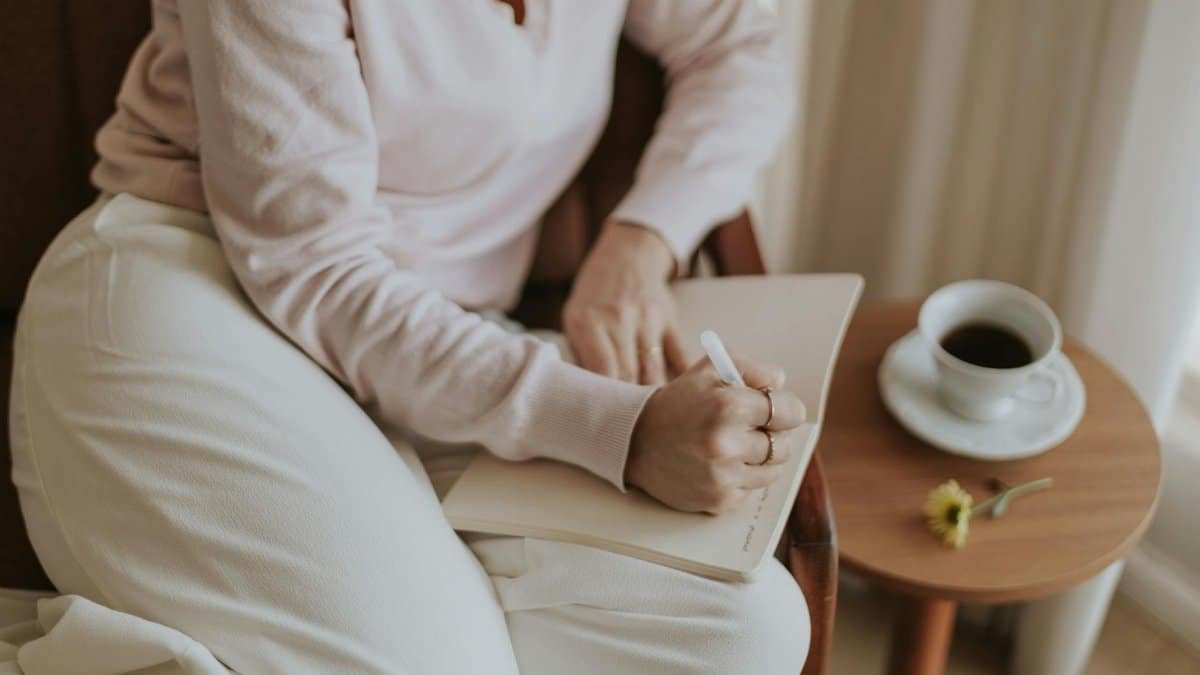
Journaling stands out as another key tool encouraging ease in Minnesota’s wellness scene. Residents are grabbing notebooks to jot down thoughts, gratitude, or daily wins, which helps process emotions and build resilience. A 2024 report from the American Psychological Association highlights how reflective writing improves mood and sleep quality. In places like Duluth, community groups host journaling workshops, tying into the state’s emphasis on mental health recovery. Users report feeling lighter after sessions, with prompts like “What eased my day today?” guiding the process. It’s a low-cost method that fits into busy schedules, often done in the evening to unwind. This practice promotes conscious awareness, turning routine into recovery.
3. Nature Immersion Walks
Minnesota’s vast outdoors make nature immersion walks a natural fit among tools encouraging daily ease. Think strolling along the Mississippi River or through state parks, absorbing the scenery to ground oneself. Research from the U.S. Forest Service shows that 30 minutes in nature can slash stress hormones significantly. In 2025, apps track these walks, adding gamification for motivation. Twin Cities residents use them to break from screen time, while northern communities integrate them into recovery programs. The key is presence: notice sounds, smells, and sights without distractions. This tool builds calm by reconnecting with the environment, proving especially vital during long winters when cabin fever hits.
4. Guided Meditation Sessions
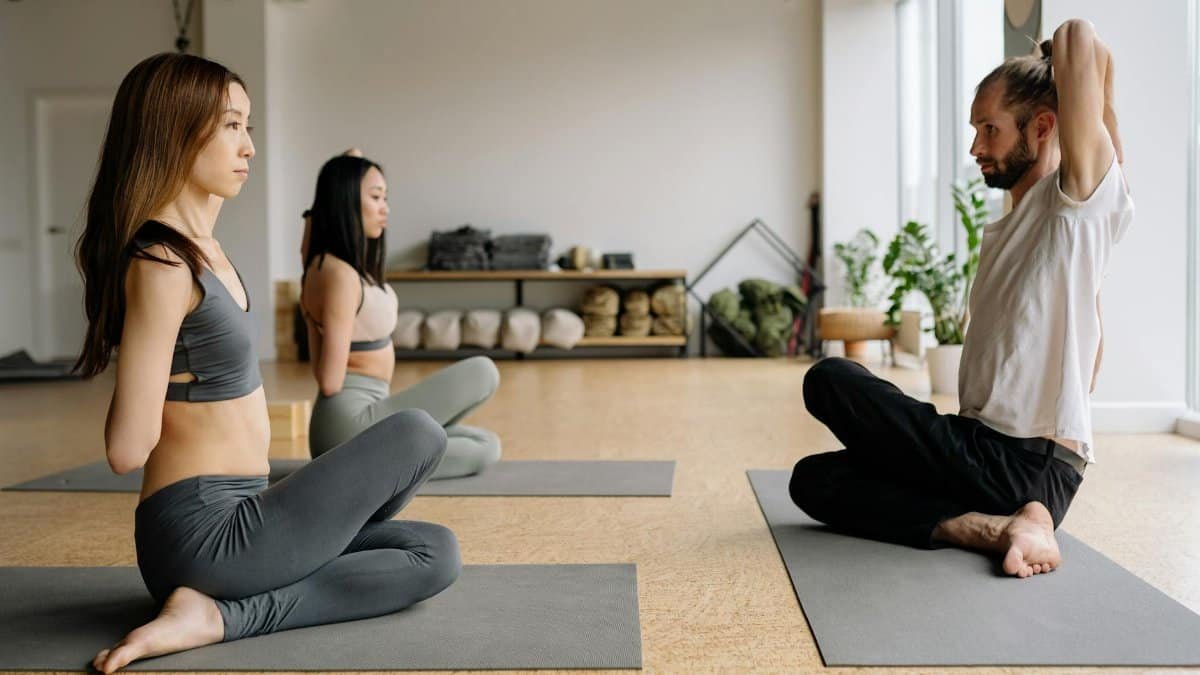
Guided meditation is gaining traction as a tool for encouraging ease across Minnesota. Through audio sessions on platforms like Insight Timer, users follow voices that lead them through relaxation exercises. A Mayo Clinic study in Rochester revealed that regular practice enhances focus and emotional regulation. In 2025, local yoga studios offer free community sessions, drawing crowds seeking calm amid economic pressures. Participants describe it as a mental reset, starting with short 10-minute tracks. It’s adaptable for home or office, with themes like stress relief or sleep prep. This method supports recovery by quieting the mind, making it a staple in conscious living routines statewide.
5. Gratitude Rituals
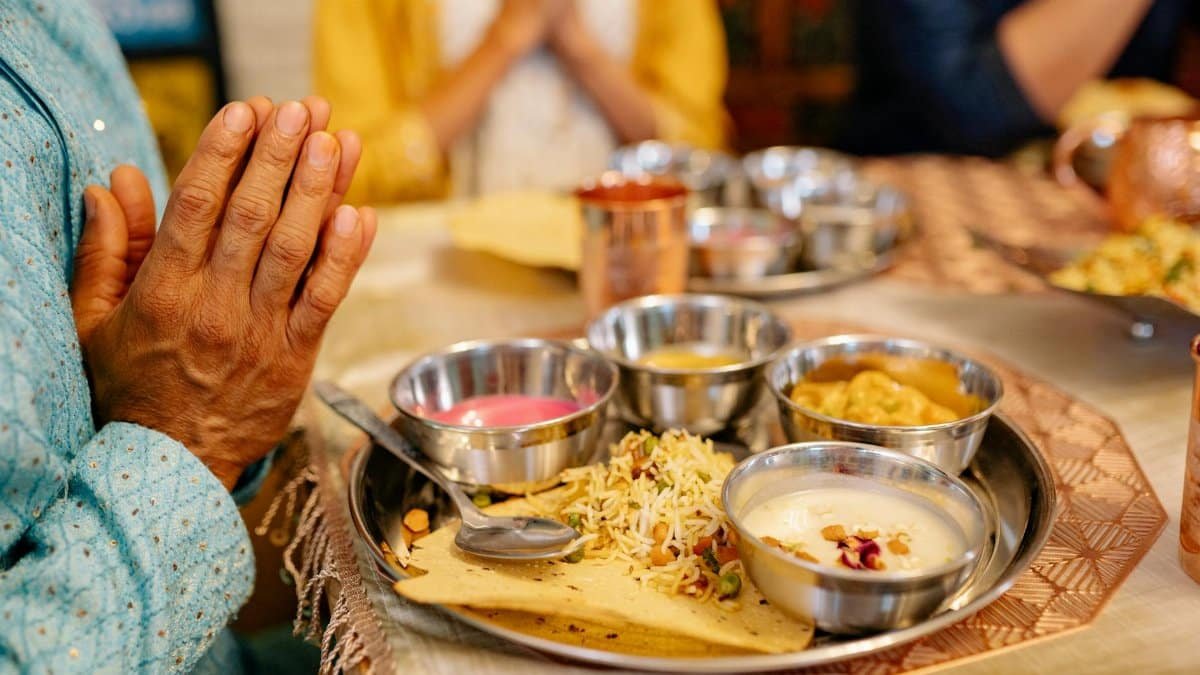
Gratitude rituals emerge as a simple yet powerful tool encouraging daily ease in Minnesota. This involves listing three things you’re thankful for each day, shifting focus from negatives to positives. Evidence from Harvard Health Publishing indicates it boosts happiness and reduces depression symptoms. Minnesotans are adopting it in schools and workplaces, with apps reminding users via notifications. In St. Paul, recovery centers incorporate it into therapy, helping individuals rebuild after challenges. The ritual takes mere minutes but compounds over time, fostering a mindset of abundance. It’s particularly effective in group settings, where sharing amplifies the benefits and builds community bonds.
6. Progressive Muscle Relaxation

Rounding out the list is progressive muscle relaxation, a hands-on tool for encouraging ease that’s sweeping Minnesota. The technique tenses and releases muscle groups sequentially, melting away physical tension. Backed by findings from the National Institutes of Health, it aids in better sleep and pain management. In 2025, wellness apps and online tutorials make it user-friendly, with Twin Cities gyms hosting classes. Users find it ideal post-workout or before bed, describing a wave of calm that follows. This practice ties into the state’s recovery ethos, offering a tangible way to release built-up stress without external aids. It’s a fitting capstone to these conscious tools, promoting holistic well-being.
These six tools are reshaping how Minnesotans approach daily life, emphasizing conscious practices for calm and recovery. As interest grows, experts predict even broader adoption, backed by ongoing research into their benefits.