
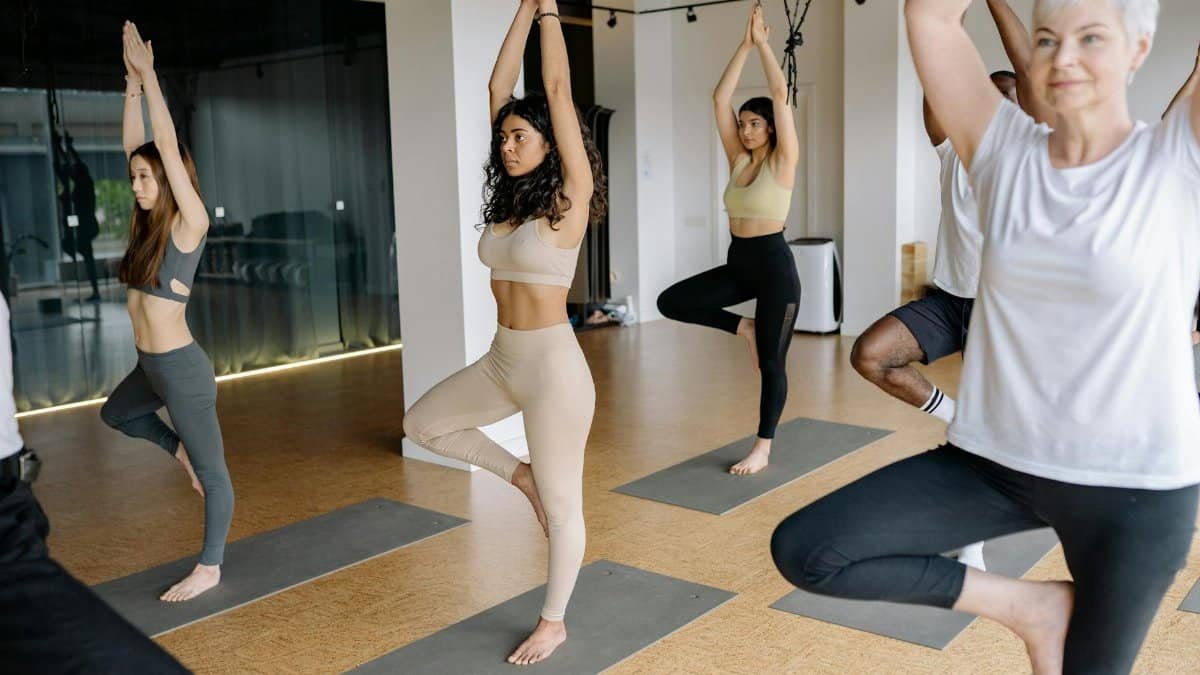
A recent study from the American Psychological Association revealed that 62% of Americans report feeling overwhelmed by daily stressors, up from 50% just five years ago. This surge highlights a growing need for simple ways to regain inner balance amid the chaos of modern life. In Pennsylvania, where rolling hills and quieter paces offer a natural backdrop, residents are turning to easy routines that blend mindfulness with everyday activities. These practices aren’t about drastic changes but small, intentional steps that restore calm. From morning walks in state parks to evening reflections, the Keystone State’s approach shows how accessible tools can help anyone recenter. As we navigate 2025’s uncertainties, such routines remind us that equilibrium is within reach, often in the familiar rhythms of home.
The Roots of Imbalance in Everyday Life
Life pulls in countless directions. Work demands stack up. Family needs press. Social media buzzes endlessly. It’s no wonder so many feel off-kilter. A report from the American Psychological Association notes that chronic stress affects sleep, mood, and even physical health for millions. In Pennsylvania, where industrial histories meet rural tranquility, people often describe a tug between ambition and rest. One local teacher shared how her days blurred into exhaustion until she paused to notice the pattern. This awareness marks the first step. Recognizing imbalance isn’t about blame. It’s about seeing the signals, like persistent fatigue or irritability, that something needs adjustment.
Consider the broader context. Urban areas like Philadelphia pulse with energy, while places like the Pocono Mountains offer escape. Yet imbalance creeps in everywhere. Experts suggest tracking daily habits to spot triggers. A simple journal entry can reveal how skipping lunch leads to afternoon slumps. These insights build a foundation for change, turning vague dissatisfaction into actionable understanding.
Breathing Techniques for Quick Reset

Start with the breath. It’s always there, a free tool for calm. In Pennsylvania’s yoga studios and community centers, instructors teach box breathing: inhale for four counts, hold, exhale, hold again. This method, backed by research from the National Institutes of Health, lowers cortisol levels swiftly. Imagine a busy parent in Harrisburg, pausing amid chaos to try it. She inhales deeply, feels her shoulders drop. Suddenly, the day’s weight lightens.
Variations abound. Diaphragmatic breathing engages the belly, promoting relaxation. Practitioners report better focus after just minutes. One anonymous account from an online forum described feeling “anchored” during a stressful commute, turning traffic jams into moments of peace. Integrate this into routines, like before meetings or bedtime. The beauty lies in its simplicity; no equipment needed, just intention.
Over time, these techniques rewire responses to stress. They foster resilience, making inner balance a habit rather than a rare state.
Incorporating Nature Walks into Daily Rhythm
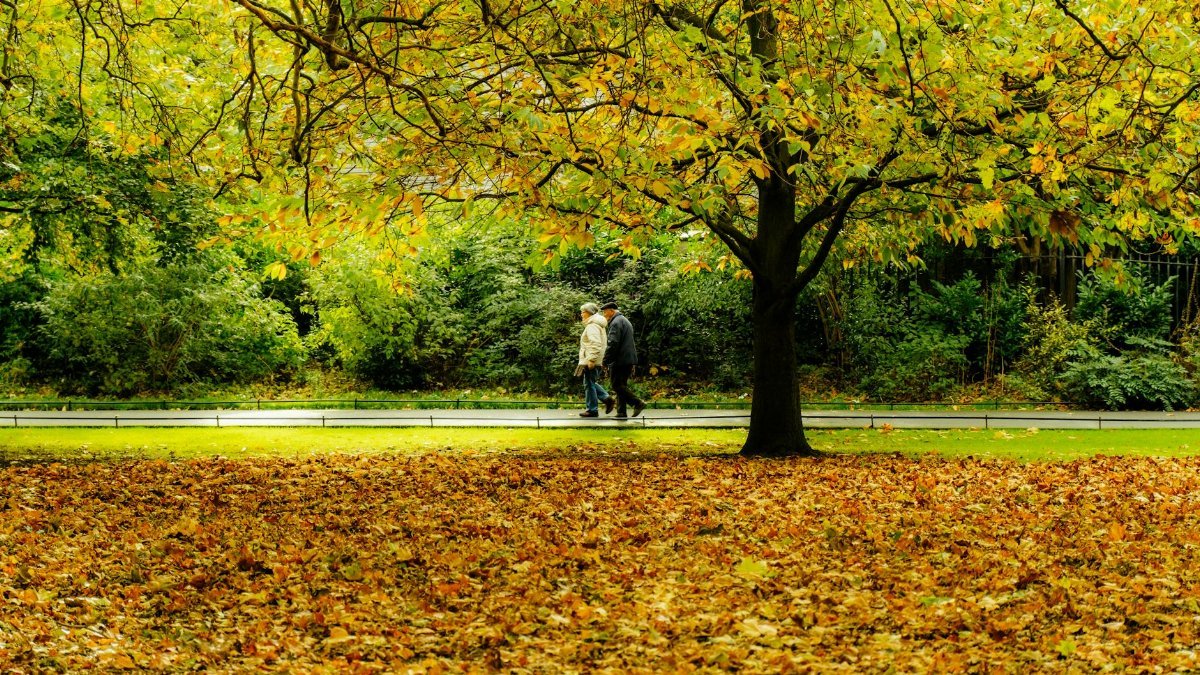
Pennsylvania’s landscapes invite exploration. Think of the trails in Ricketts Glen State Park, where waterfalls cascade and leaves rustle. Walking here isn’t just exercise; it’s a path to clarity. Studies from the U.S. Forest Service show that time in nature reduces anxiety and boosts mood. Locals know this intuitively. A retiree in Lancaster County might stroll Amish farmlands at dawn, letting the quiet fields soothe his mind.
Make it routine. Aim for 20 minutes daily, even in urban settings like Pittsburgh’s riverfront paths. Notice details: the crunch of gravel, the scent of pine. This sensory engagement pulls focus from worries. One story from a public sharing highlighted a young professional who regained perspective after weekly hikes, describing how the views reframed her problems as small.
Adapt for seasons. Winter walks in snowdusted woods offer introspection, while summer ones energize. The key is consistency, weaving nature into life for sustained balance.
Mindful Eating as a Centering Practice
Eating often happens on autopilot. Rush through meals, barely tasting them. Shift that. Mindful eating encourages savoring each bite, tuning into hunger cues. In Pennsylvania’s farmtotable culture, from cheesesteaks to fresh produce, this practice fits naturally. Research published in the Harvard T.H. Chan School of Public Health links it to better digestion and emotional wellbeing.
Try it at breakfast. Chew slowly, note flavors. A diner in Erie might pause over coffee and eggs, feeling gratitude rise. This counters emotional eating, a common imbalance trigger. Conversations in community groups reveal how such habits curb overindulgence, fostering control.
Extend to meal prep. Chopping vegetables becomes meditative. Over weeks, it builds a deeper connection to nourishment, aligning body and mind.
Journaling for Emotional Clarity

Words can untangle thoughts. Journaling provides a space to process. In quiet Pennsylvania towns, many turn to notebooks for reflection. A study from the American Psychological Association indicates it reduces rumination and enhances problemsolving. Picture a student in State College, jotting down worries before bed. Patterns emerge, solutions surface.
Vary the approach. Gratitude lists highlight positives. Prompts like “What drained me today?” pinpoint issues. One shared experience online spoke of journaling revealing hidden resentments, leading to forgiveness and lighter days.
Keep it brief, five minutes nightly. This routine clears mental clutter, paving the way for balance.
Building Supportive Social Connections
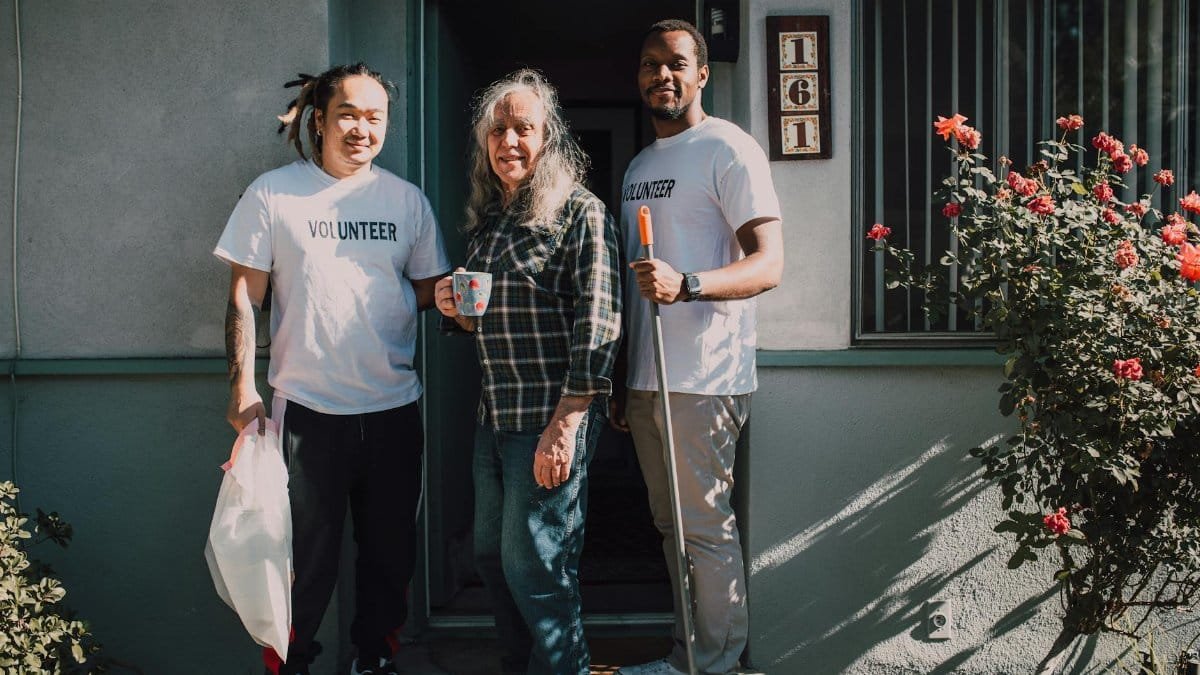
Isolation amplifies imbalance. Strong ties provide ballast. Pennsylvania’s community events, from festivals to book clubs, facilitate this. Data from Pew Research Center shows that quality relationships buffer stress. A group of friends in Allentown might meet weekly for walks, sharing burdens and laughs.
Cultivate intentionally. Reach out, listen actively. Vulnerability strengthens bonds. Anecdotes suggest these connections offer perspectives that solo reflection misses.
In 2025, with digital overload, facetoface interactions regain value. They remind us we’re not alone in seeking equilibrium.
Setting Boundaries for Personal Space

Boundaries protect energy. Saying no preserves balance. In demanding jobs across Pennsylvania, this skill is crucial. Insights from the Mayo Clinic emphasize how overcommitment leads to burnout. A manager in Scranton learned this, declining extra tasks to safeguard evenings.
Practice assertively. Communicate limits clearly. This might mean unplugging after hours. Reflections from various walks show how boundaries foster selfrespect and deeper focus.
Adjust as needed. Life changes, so do needs. This flexibility ensures longterm harmony.
Physical Movement Beyond Exercise
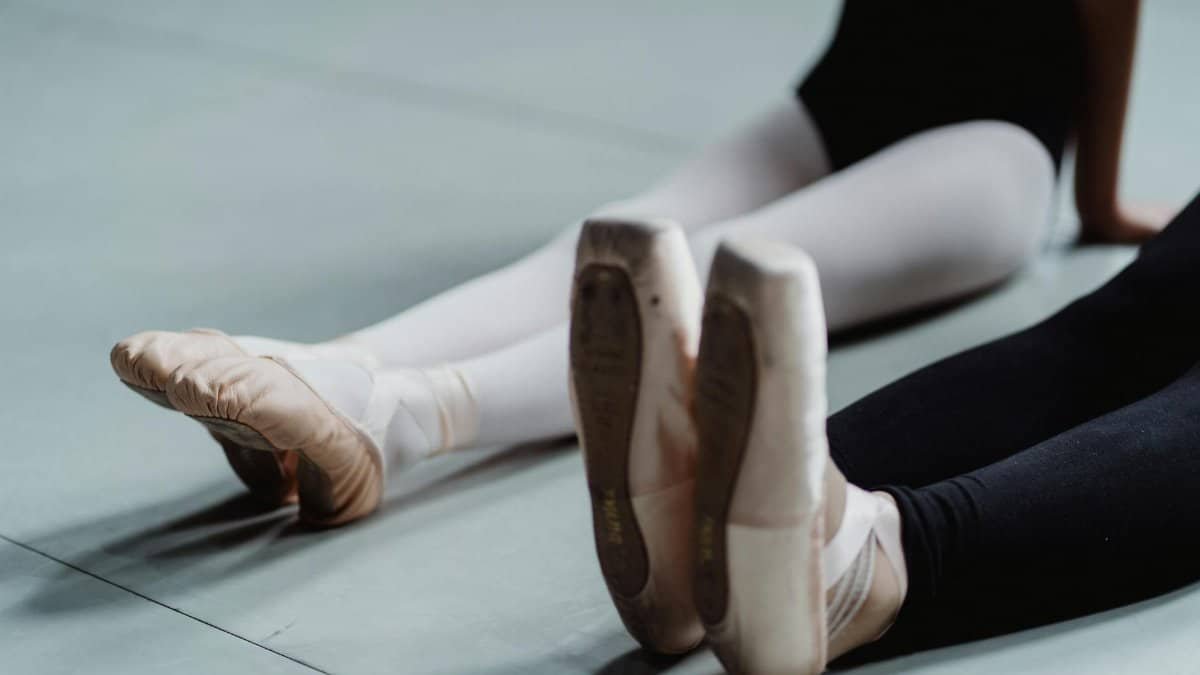
Movement stirs stagnation. Not intense workouts, but gentle flows. Tai chi in Philadelphia parks or dancing in living rooms works wonders. The Centers for Disease Control and Prevention reports it improves mental health. A widow in York found solace in daily stretches, moving through grief.
Incorporate play. Bike rides or gardening count. These activities release endorphins, recalibrating mood.
Listen to the body. Rest when needed. This attuned approach sustains balance.
The Role of Sleep in Restoration

Sleep rebuilds. Skimp on it, and everything suffers. Pennsylvania’s cooler nights aid restful slumber. Guidelines from the National Sleep Foundation recommend seven to nine hours. A nurse in Pittsburgh adjusted her routine, dimming lights early, and woke refreshed.
Create rituals. Wind down with tea or reading. Avoid screens. Shared stories highlight how better sleep sharpens clarity.
Prioritize it. In a busy world, it’s a nonnegotiable for inner steadiness.
Embracing Imperfection and Growth

Balance isn’t perfection. It’s progress amid flaws. In Pennsylvania’s diverse communities, this mindset thrives. Research from Positive Psychology shows selfcompassion aids resilience. Someone in Bethlehem might forgive a setback, viewing it as a lesson.
Celebrate small wins. Adjust courses gently. This grace allows sustained effort.
As routines evolve, so does equilibrium, adapting to life’s ebb and flow.
Integrating Routines for Lasting Change

Tie it all together. Start small, layer habits. A holistic approach, per World Health Organization insights, yields best results. Pennsylvanians blending walks, breaths, and boundaries report deeper calm.
Track progress. Adjust as 2025 unfolds. Consistency transforms these practices into second nature.
Ultimately, regaining inner balance is personal, yet universal, a quiet revolution in daily life.