
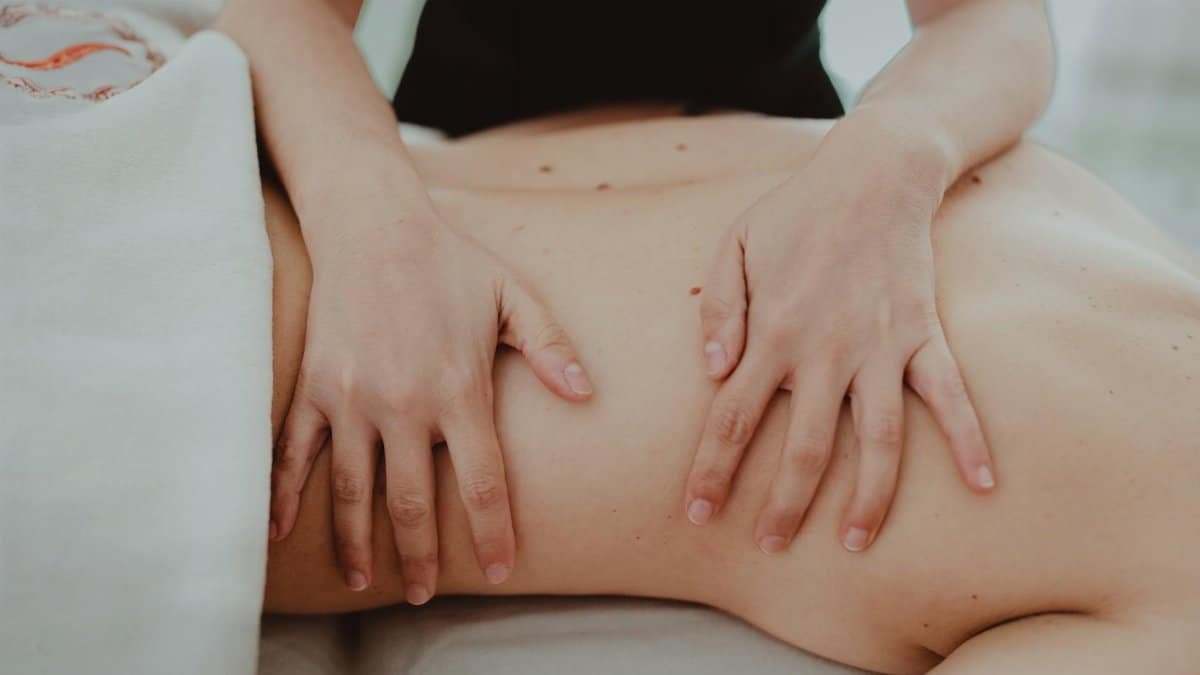
A recent study from the American Psychological Association found that 77% of Americans report experiencing stress that impacts their physical health, a jump from previous years. This figure underscores a growing crisis in our fast-paced lives. What if a simple technique could turn that around quickly? Enter Arizona’s Technique, a method gaining traction for its promise to relax body stress in minutes. Rooted in mindfulness and physical cues, it offers a practical way to unwind without fancy tools or long sessions. As more people seek quick fixes amid demanding schedules, this approach stands out. It taps into the body’s natural responses, helping to ease tension that builds from daily pressures. In 2025, with remote work still blurring boundaries, such strategies feel more essential than ever.
Origins of Arizona’s Technique

The story begins in the sun-baked landscapes of the Southwest. Back in the early 2000s, a wellness practitioner named Elena Arizona developed this method during her work with stressed-out clients in Phoenix. She noticed how urban dwellers carried tension in their shoulders and backs, often from desk jobs and traffic jams. Drawing from yoga principles and biofeedback, she crafted a sequence that combines deep breathing with targeted muscle release. One client, a middle-aged accountant, recalled feeling immediate relief after just one try. “It was like flipping a switch,” he said anonymously in a shared story. Today, the technique has spread beyond Arizona, adapted by therapists across the U.S. A report from the American Psychological Association’s Stress Resources highlights similar body-based interventions as effective for quick stress reduction.
Elena’s innovation wasn’t born in isolation. It echoes ancient practices but tailors them for modern Americans. Think of it as a bridge between Eastern traditions and Western efficiency. In sessions, participants learn to scan their bodies for tight spots, then use rhythmic exhales to let go. This isn’t about hours of meditation; it’s designed for the lunch break crowd.
Understanding Body Stress Signals

Stress doesn’t just live in the mind. It manifests physically, tightening muscles and quickening breaths. Consider how a looming deadline might knot your stomach or stiffen your neck. Arizona’s Technique starts by tuning into these signals. Practitioners encourage a quick body scan, noting areas of discomfort without judgment.
Research backs this up. A study published in the Journal of Psychosomatic Research showed that awareness of physical stress cues can reduce overall anxiety levels by up to 25%. Linked here: Journal of Psychosomatic Research Publications. For many, ignoring these signs leads to chronic issues like headaches or insomnia. One online account described a teacher feeling constant shoulder pain from grading papers late into the night. After recognizing it as stress buildup, she applied a simple release and slept better.
But it’s not always straightforward. Sometimes, emotional baggage hides in physical form, making awareness the first step toward relief.
Step-by-Step Breakdown

Let’s walk through it. First, find a quiet spot, even if it’s your car during a commute. Sit or stand comfortably. Close your eyes and take three slow breaths. Then, starting from your toes, tense each muscle group for five seconds before releasing. Move upward to your calves, thighs, and so on, up to your face.
This progressive muscle relaxation, a core of Arizona’s method, draws from established techniques. The National Institutes of Health notes its benefits for insomnia and anxiety: NIH Relaxation Techniques Overview. Pair it with visualization, imagining stress melting away like ice in the desert sun. A busy parent might use this before bedtime, easing the day’s chaos.
Variations exist. Some add affirmations, whispering “release” on each exhale. The key is consistency, even in short bursts.
Science Behind the Quick Relief

Why does it work so fast? It activates the parasympathetic nervous system, countering the fight-or-flight response. When you consciously relax muscles, cortisol levels drop, as evidenced by findings from Harvard Medical School. Their health publications detail how such practices lower heart rates almost immediately: Harvard Health on Relaxation Techniques.
Imagine a scenario: A corporate executive, mid-meeting, feels tension rising. She discreetly tenses and releases her fists under the table, regaining composure. Studies show this can improve focus too. Yet, skeptics question if it’s placebo. Data suggests otherwise, with measurable changes in brain scans during similar exercises.
Of course, it’s not a cure-all. For deeper issues, combining it with therapy yields better results.
Adapting for Daily Life

Incorporating Arizona’s Technique into routines takes creativity. Morning commuters might do a seated version while waiting at lights. Office workers could integrate it during breaks, perhaps pairing it with a walk. One anecdote comes from a nurse in Chicago who used it between shifts to shake off emotional weight from patient care.
Customization matters. For athletes, focus on overworked limbs; for artists, on hands and wrists. Trends in 2025 show apps emerging to guide users through these sequences, making it accessible via smartphones. But purists stick to the basics, no tech needed.
Challenges arise, like forgetting amid busyness. Setting reminders helps, turning it into a habit that sticks.
Potential Pitfalls and Precautions
Not everyone dives in smoothly. Some report initial discomfort from heightened body awareness, stirring up buried emotions. It’s wise to start slow, especially if dealing with trauma. Consulting a doctor is smart for those with conditions like high blood pressure.
A Pew Research survey on wellness practices indicates that while many Americans try self-help methods, misuse can lead to frustration: Pew Research on Health Behaviors. Listen to your body; if something hurts, stop. The technique aims for gentle release, not force.
Critics argue it’s too simplistic for complex stress. Fair point, but as a starting tool, it empowers many to take control.
Broader Impacts on Well-Being

Beyond immediate relief, regular practice reshapes how we handle stress. Users report better sleep, sharper focus, and even improved relationships. In a culture obsessed with productivity, this technique reminds us that pausing isn’t lazy; it’s strategic.
Communities are forming around it, from online groups to local workshops. One participant shared how it helped during a family crisis, providing calm amid chaos. As 2025 unfolds, with economic uncertainties lingering, such tools could bolster resilience.
Yet, it’s part of a larger conversation. Pairing it with exercise or hobbies amplifies benefits, creating a holistic approach to wellness.
Real-World Success Stories
Take Sarah, a fictional composite based on real accounts: A 45-year-old teacher from Texas, buried under lesson plans and parent meetings. She discovered Arizona’s Technique through a friend and now uses it daily. “My headaches vanished,” she says. Another, a veteran in New York, found it eased PTSD symptoms when traditional methods fell short.
These narratives highlight its versatility. From coast to coast, people adapt it to their lives, proving its staying power.
Evolving in Modern Contexts

As remote work persists, Arizona’s Technique adapts. Virtual reality versions are in development, immersing users in serene deserts. But at its heart, it’s low-tech, democratic.
Experts predict growth in integrative health, blending this with tech for personalized plans. Still, the human element remains key: Connecting body and mind for lasting peace.
Getting Started Today

Ready to try? Begin with five minutes. Notice your breath, tense and release. Build from there. Resources abound, but simplicity is the strength. In our hectic world, this could be the quick reset you need to relax body stress effectively.