

In the bustling towns of North Carolina, from the misty Blue Ridge Mountains to the vibrant streets of Raleigh, a quiet movement is gaining ground. Locals are embracing practices that enhance mindfulness and focus, often through structured approaches to daily life. This shift reflects a broader American trend toward seeking balance amid relentless digital distractions. What stands out in North Carolina is the emphasis on steady, actionable steps to improve presence—the art of being fully engaged in the moment. Researchers note that such methods can reduce stress and boost well-being, drawing from traditions adapted to modern routines. As one community leader in Asheville put it, these steps are not about escaping life but anchoring deeper into it. This article delves into North Carolina’s steady five steps for improving presence, exploring how they foster calm and clarity in everyday experiences.
1. Grounding Through Breath Awareness
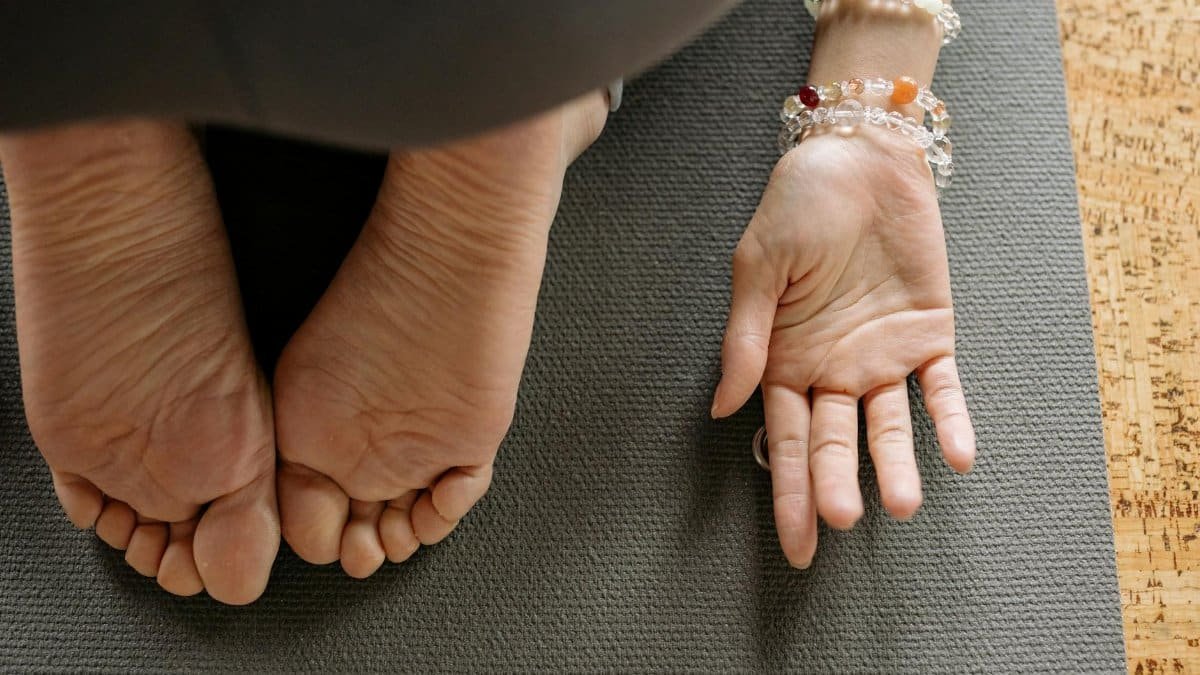
Start with the basics, something as simple as noticing your breath. In North Carolina’s wellness circles, practitioners often begin workshops by guiding participants to sit quietly and observe each inhale and exhale. This isn’t just a fleeting exercise; it’s a foundation for presence. Imagine a teacher in Durham leading a group of office workers through a five-minute session during lunch breaks. They close their eyes, feel the air filling their lungs, and suddenly the chatter of emails fades. Studies from the National Institutes of Health highlight how breath awareness activates the parasympathetic nervous system, easing anxiety. One recent account shared publicly described a hiker in the Smoky Mountains who used this technique to stay centered during a challenging trail, turning potential overwhelm into focused enjoyment. It’s practical, requiring no tools, just intention.
Yet, challenges arise. Not everyone finds it easy to quiet the mind at first. Distractions pull, thoughts wander. That’s where persistence comes in. Experts suggest pairing breath work with a physical anchor, like placing a hand on the abdomen. Over time, this builds a habit that seeps into daily interactions, making conversations more attentive and decisions clearer. In a state known for its natural beauty, tying this step to outdoor moments amplifies its effect, blending human effort with environmental serenity.
2. Cultivating Sensory Engagement

What if presence meant tuning into the world through your senses? This step encourages deliberate attention to sights, sounds, and textures around you. In Charlotte’s urban parks, people practice by noting the rustle of leaves or the warmth of sunlight on skin. It’s a counter to the screen-dominated haze many endure. A study from the American Psychological Association links sensory mindfulness to improved emotional regulation, showing participants report higher life satisfaction after regular practice.American Psychological Association Study on Mindfulness.
Picture a family in Wilmington pausing during a beach walk to really listen to the waves crashing, feeling the sand shift underfoot. This isn’t passive; it’s active immersion that pulls you from rumination. Online discussions often reveal how this step helps combat burnout, with one anonymous poster sharing how focusing on the aroma of morning coffee transformed rushed routines into cherished rituals. Of course, urban noise can interfere, but that’s part of the practice—learning to filter and appreciate amid chaos. North Carolinians adapt this by incorporating local elements, like the scent of pine in the forests, making it uniquely regional.
Transitions to deeper benefits emerge gradually. As senses sharpen, empathy grows; you notice subtle cues in others’ expressions, fostering stronger connections. It’s not always straightforward—overstimulation can occur—but starting small, perhaps with one sense per day, eases the way.
3. Embracing Intentional Pauses

“Slow down,” a mantra echoed in mindfulness retreats across the Tar Heel State. This third step involves inserting deliberate breaks into your day, moments to reset without agenda. In busy Greensboro offices, employees are adopting “pause protocols,” short intervals to step away from desks and simply be. Research from the University of North Carolina’s wellness programs underscores how these pauses enhance cognitive function, reducing errors in high-stress environments.UNC Wellness Programs.
Consider a nurse in Chapel Hill who, amid hectic shifts, takes two minutes to stand by a window, watching clouds drift. This isn’t idleness; it’s recharge. It counters the cultural push for constant productivity, revealing how haste often leads to mistakes. A brief anecdote from a public forum captured a parent’s relief after implementing pauses during family dinners, noting how it curbed arguments and deepened bonds. Yet, guilt can creep in, especially in achievement-oriented cultures. Reframing pauses as investments in efficiency helps. In North Carolina’s community settings, group pauses during meetings build collective presence, turning individual practice into shared strength.
The ripple effects surprise many. Creativity sparks in these quiet spaces, ideas bubbling up unforced. Vary the pauses—some silent, others with gentle movement—to keep them fresh and effective.
4. Nurturing Gratitude Reflections

Shift focus to what’s good, even in small doses. This step builds presence by reflecting on gratitude, often through journaling or verbal acknowledgments. In Raleigh’s support groups, members share daily wins, from a kind stranger’s smile to a successful project. The Mayo Clinic reports that gratitude practices lower depression symptoms and improve sleep, backed by longitudinal data.Mayo Clinic on Gratitude.
Envision a retiree in Boone scribbling notes each evening about mountain views that stirred awe. This habit anchors the mind in positivity, pulling it from future worries or past regrets. It’s not about ignoring problems; it’s balancing them. Challenges include superficiality—rushing through without depth—but authenticity grows with practice. North Carolina’s diverse landscapes inspire unique gratitudes, like appreciating coastal sunrises or urban innovations. Weave this into routines, perhaps at meal times, to make it stick.
Broader impacts unfold. Relationships strengthen as gratitude extends to others, expressed openly. One might ponder the complexity: in tough times, forcing thanks feels inauthentic, yet starting with neutral observations eases entry. This step evolves, becoming a lens that colors daily presence with appreciation.
5. Integrating Mindful Movement

Move with awareness, the final piece in this puzzle. Whether yoga in Asheville studios or walks along the Outer Banks, this step merges physical activity with present-moment focus. Pew Research indicates a rise in Americans adopting mindful exercises, correlating with better mental health outcomes.Pew Research on Mental Health Trends.
A runner in Winston-Salem describes tuning into each footfall, breath syncing with stride, transforming exercise from chore to meditation. This counters sedentary lifestyles, invigorating body and mind. Not every movement suits everyone; adaptations for mobility issues ensure inclusivity. In community classes, participants bond over shared flows, amplifying collective energy. Yet, perfectionism can hinder—pushing too hard defeats the purpose. Emphasize gentleness, listening to the body’s signals.
As these steps interconnect, presence deepens. Reflect on a teacher who, after months, noticed sharper classroom engagement. North Carolina’s approach, rooted in accessibility, shows how steady steps improve presence sustainably. In 2025, with rising awareness, these practices promise broader adoption, offering tools for a more grounded life amid change.