

In a world that often feels chaotic, a surprising number of Americans are turning to subtle strategies for emotional balance. According to a 2023 survey by the American Psychological Association, nearly 40% of adults reported increased efforts to manage stress through daily routines, up from 28% just five years prior—a trend that’s only accelerating into 2025. This shift highlights a growing recognition that small, consistent habits can profoundly improve emotional well-being. Enter the concept of habits, improving, emotional flow: gentle practices designed to foster smoother emotional navigation without overwhelming effort. Rooted in everyday life, these approaches draw from wellness traditions but adapt them to modern demands. In New Jersey, where the pace can swing from bustling boardwalks to quiet suburbs, residents have quietly embraced such habits, finding them a buffer against daily pressures. What makes them “gentle”? They’re accessible, low-pressure, and focused on flow rather than force. As we explore seven such habits, consider how they might weave into your routine, offering a path to greater emotional ease.
1. Morning Mindfulness Walks

Start the day with a simple stroll, but make it intentional. In New Jersey’s varied landscapes—from the sandy paths of the Shore to the leafy trails in Princeton—people are discovering the power of walking mindfully to set an emotional tone. It’s not about speed or distance; it’s about noticing the air on your skin, the rhythm of your steps, and letting thoughts drift without judgment.
One local resident, let’s call her Maria, shared how this habit transformed her mornings. After a tough divorce, she began walking her neighborhood in Hoboken each dawn. “It was like clearing mental fog,” she recalled. The practice aligns with research from the American Psychological Association, which links mindfulness to reduced anxiety. By focusing on the present, you gently redirect emotional energy, preventing buildup of stress.
Variety keeps it fresh: some days, listen to birds; others, repeat a calming mantra. This isn’t rigorous exercise—it’s a soft invitation to emotional flow. Studies, like one from Harvard Medical School, suggest even 10 minutes can lower cortisol levels. Imagine stepping out your door in 2025, the year wellness experts predict a surge in nature-based habits, and feeling that first wave of calm wash over you.
2. Journaling with Gratitude Twists
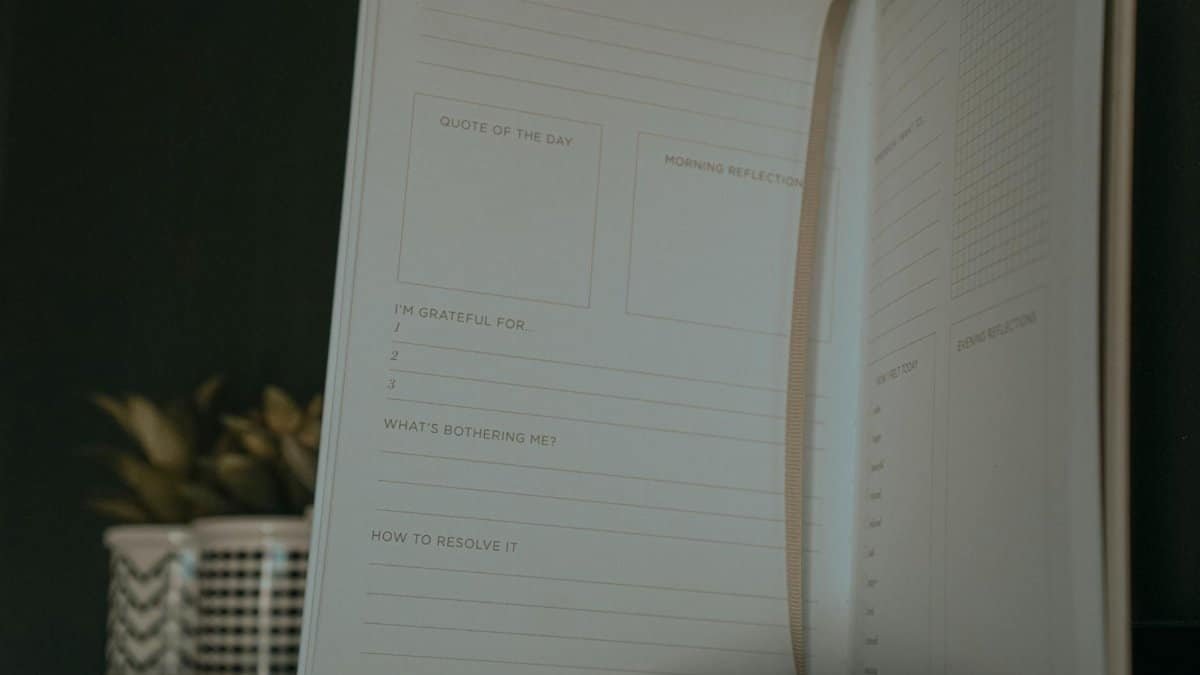
Picture a quiet evening in a Trenton café, where a group of friends scribbles in notebooks, not venting frustrations but noting small joys. This habit flips traditional journaling by emphasizing gratitude, a gentle nudge toward positive emotional currents. Instead of dissecting problems, list three things that sparked warmth that day—a kind word, a good meal, the sunset over the Delaware River.
It’s deceptively simple, yet effective. A study published in the Journal of Personality and Social Psychology found that regular gratitude practice enhances emotional resilience. For middle-aged New Jerseyans juggling careers and family, this habit acts as an anchor, improving emotional flow by shifting focus from lacks to abundances.
To make it your own, add a twist: pair each entry with a sensory detail, like the scent of fresh bagels from a local bakery. Online discussions often reveal how this eases midlife transitions, with one anonymous account describing it as “rewiring my inner dialogue from criticism to kindness.” Backed by insights from the Greater Good Science Center at UC Berkeley, it’s a low-stakes way to build emotional habits that stick.
Over time, patterns emerge, revealing what truly nourishes your spirit. In a state known for its resilience, this practice mirrors the quiet strength of communities rebuilding after storms.
3. Breathwork Pauses Throughout the Day

What if the key to emotional steadiness was as close as your next breath? In bustling spots like Newark’s markets or serene spots in the Pine Barrens, New Jersey folks are incorporating brief breathwork pauses—simple inhalations and exhalations to reset amid chaos. Hold for four counts, release slowly; repeat a few times when tension rises.
This habit draws from ancient techniques but fits modern schedules. Research from the National Center for Biotechnology Information shows controlled breathing activates the parasympathetic nervous system, promoting calm. It’s gentle because it requires no tools, just awareness.
Consider Alex, a teacher in Jersey City, who uses it during lunch breaks. “Those breaths pull me back from overwhelm,” he says. Weaving this into daily life improves emotional flow, turning potential meltdowns into manageable moments. As 2025 brings more emphasis on mental health in workplaces, such habits could become standard.
Experiment with variations: pair it with a view of the Hudson or a quiet corner at home. The beauty lies in its immediacy—no grand commitments, just breaths that bridge emotional gaps.
4. Connecting with Nature’s Rhythms

Amid New Jersey’s mix of urban grit and natural beauty, tuning into nature’s rhythms offers a profound yet gentle emotional boost. Whether it’s watching waves at Asbury Park or leaves changing in the Watchung Reservation, this habit encourages syncing your inner pace with the world’s subtle cycles.
It’s about observation, not exertion. A report from the USDA Forest Service highlights how nature exposure reduces stress hormones, fostering emotional equilibrium. For those in midlife, it counters the grind of routine with reminders of impermanence and renewal.
One vivid example comes from a retiree in Montclair who started daily garden sits. “It’s like the earth breathes with me,” she noted, describing how it eased her anxiety. This practice improves emotional habits by cultivating patience and presence, essential in a fast-paced state like New Jersey.
Incorporate it weekly: track moon phases or seasonal shifts. As trends evolve in 2025, with more emphasis on eco-wellness, this habit positions you ahead of the curve, gently aligning emotions with broader flows.
5. Mindful Listening in Conversations

Shift from talking to truly hearing, and watch emotional connections deepen. In New Jersey’s diverse communities—from Camden’s lively streets to Morristown’s cozy diners—this habit transforms interactions by prioritizing active listening. Put down the phone, make eye contact, and absorb without interrupting.
It’s a gentle revolution in communication. Studies from the University of Minnesota indicate that empathetic listening strengthens relationships and emotional intelligence. For middle-aged readers navigating family dynamics or work teams, it improves emotional flow by reducing misunderstandings.
Recall a story from a Newark book club: members practiced this, leading to breakthroughs in long-held grudges. “We heard the hurt behind the words,” one participant reflected. Online forums echo this, with accounts of how it mends emotional rifts softly, without confrontation.
Start small: in your next chat, paraphrase what you heard. Over time, it builds habits that foster empathy, making emotional landscapes smoother to traverse.
6. Evening Digital Detox Rituals

As night falls over the Garden State, dim the screens and reclaim your peace. This habit involves setting boundaries with technology—perhaps reading a book by lamplight in a Bayonne living room or stargazing from a backyard in Edison. It’s gentle, acknowledging our wired world while carving out analog space.
Evidence from the Sleep Foundation links reduced screen time to better emotional regulation. By unplugging, you allow the mind to unwind, improving emotional flow overnight. In 2025, with rising awareness of tech’s toll, this could be a key wellness shift.
A working parent in Paterson tried it, swapping scrolls for herbal tea and reflection. “My evenings became sanctuaries,” she said. This practice counters the constant influx of information, nurturing calmer emotional states.
Customize it: journal offline or chat face-to-face. It’s not about total abstinence but mindful pauses that recharge your inner battery.
7. Reflective End-of-Day Reviews

Cap the day with a soft recap, not judgment. In quiet New Jersey homes, from Atlantic City to the Highlands, people are adopting this habit: briefly noting what went well, what challenged, and one lesson learned. It’s like a gentle debrief, promoting emotional growth without self-criticism.
Supported by cognitive behavioral insights from the National Institute of Mental Health, such reflections build resilience. They improve emotional habits by turning experiences into wisdom, fostering flow into the next day.
Think of Sarah, a nurse in Hackensack, who uses it post-shift. “It helps me release the day’s weight,” she explains. As we move through 2025, embracing such practices could redefine emotional wellness for many.
Keep it brief: five minutes suffices. Over weeks, it weaves a tapestry of self-awareness, gently guiding emotional currents toward harmony.