

Intro

New data shows 40% of Americans report feeling overwhelmed daily, according to a recent Pew Research survey. But in Georgia, a subtle shift is underway with habits, ending, overwhelm through simple, everyday practices. Community centers across the state are buzzing with locals adopting these quiet routines to reclaim calm. From Atlanta’s bustling suburbs to Savannah’s historic districts, people are ditching chaos for clarity. This grassroots movement highlights how small changes can combat modern stress, offering a blueprint for the rest of the nation in 2025.
1. Mindful Morning Routines

Georgians are kicking off their days with intention, swapping frantic rushes for structured starts. Residents in places like Athens report setting aside 10 minutes for deep breathing or journaling before checking emails. This habit breaks the cycle of immediate overwhelm by grounding the mind early. Experts note it fosters resilience against daily pressures. A study from the University of Georgia emphasizes how such routines reduce cortisol levels, promoting sustained focus. Locals say it transforms chaotic mornings into productive ones, easing into the day’s demands without the usual frenzy.
One Atlanta teacher shared that incorporating a quick meditation session has cut her stress in half. By prioritizing presence over productivity right away, this practice prevents buildup of mental clutter. In community workshops, participants learn to customize these routines, making them accessible for busy parents or professionals. The key lies in consistency, not perfection, allowing gradual integration into lifestyles. As 2025 unfolds, more Georgians are expected to embrace this for long-term mental health benefits.
2. Digital Detox Periods

Screen overload contributes heavily to overwhelm, and Georgia folks are fighting back with scheduled unplugging. In Macon, groups organize evening device-free hours, encouraging reading or walks instead. This habit interrupts constant notifications, giving brains a much-needed break. Research from the American Psychological Association links excessive screen time to heightened anxiety, underscoring the value of these pauses.
Neighbors in community centers notice improved sleep and clearer thinking after implementing detoxes. One Savannah resident described reclaiming family dinners without distractions, strengthening bonds and reducing relational stress. These periods don’t require total isolation, just intentional boundaries like app limits. By ending the habit of endless scrolling, individuals report feeling more in control. This trend aligns with national pushes for digital wellness, positioning Georgia as a leader in practical, everyday applications.
3. Prioritized Task Listing

Overwhelm often stems from endless to-do lists, so Georgians are refining theirs with ruthless prioritization. In Augusta, workshops teach focusing on three key tasks daily, sidelining the rest. This method, inspired by productivity frameworks, prevents scattering energy across too many fronts. A report from Harvard Business Review highlights how such focus boosts efficiency and reduces burnout.
Local entrepreneurs credit this for scaling businesses without collapsing under pressure. By categorizing tasks as urgent, important, or deferrable, overwhelm patterns dissolve. Community groups in rural areas adapt it for household chores, making it versatile. The habit encourages weekly reviews to adjust priorities, ensuring alignment with personal goals. In 2025, as work demands evolve, this practice offers a steady anchor amid uncertainty.
4. Nature Immersion Breaks

Georgia’s abundant outdoors provide a perfect antidote to indoor stress buildup. Habits like short park walks or backyard sits are gaining traction in places like Columbus. These breaks reconnect people with nature, lowering heart rates and clearing mental fog. The U.S. Forest Service documents how even brief exposures enhance mood and cognitive function.
Urban dwellers in Atlanta incorporate micro-breaks, stepping out for fresh air during lunch. This simple shift disrupts overwhelm cycles by shifting perspectives. Families report stronger connections through group hikes, turning potential stressors into bonding opportunities. The habit’s accessibility, requiring no special gear, makes it ideal for widespread adoption. As climate awareness grows, these practices also promote environmental appreciation alongside personal calm.
5. Gratitude Reflection Sessions
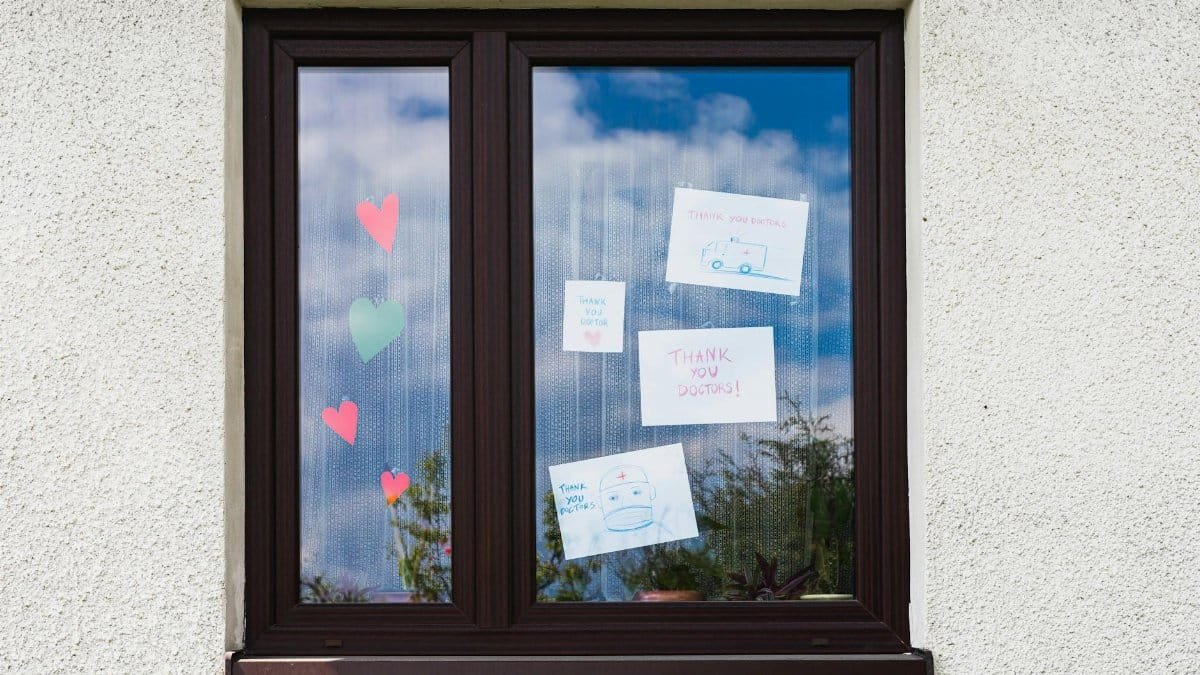
Shifting focus from lacks to abundances is quietly transforming mindsets in Georgia. Evening gratitude sessions, where individuals note three positives, are popular in Valdosta community centers. This counters overwhelm by rewiring negative thought patterns. Studies from the University of California, Berkeley, show gratitude practices increase happiness and resilience.
Participants describe reduced anxiety after consistent sessions, viewing challenges as temporary. One retiree in Rome shared how it helped navigate health scares with optimism. Groups facilitate shared reflections, building communal support networks. The habit’s brevity fits into packed schedules, yielding outsized benefits. Heading into 2025, it’s poised to expand as a core tool in conscious living toolkits.
6. Boundary Setting Techniques

Learning to say no is empowering Georgians against overcommitment. In Albany, seminars teach assertive communication for setting limits at work and home. This habit ends the pattern of saying yes to everything, preserving energy for what matters. Insights from the Mayo Clinic affirm that healthy boundaries prevent emotional exhaustion.
Young professionals report career advancements after implementing this, avoiding burnout traps. Community stories highlight improved relationships through clear expectations. Techniques include scripted responses and self-assessment checklists. By normalizing boundaries, overwhelm loses its grip, fostering sustainable lifestyles. This final habit ties together the others, ensuring long-term efficacy in daily life.