

In the rolling hills of Pennsylvania, where Quaker meeting houses have stood silent for centuries, a tradition of quiet reflection has long shaped the way people connect with themselves. Rewind to the 17th century, when William Penn founded the colony as a haven for religious freedom, and the concept of inner presence was woven into daily life through simple, unspoken rituals. Friends would gather in unadorned rooms, sitting in stillness to listen for that inner light. Today, this heritage persists, evolving into modern practices that help everyday Americans strengthen inner presence amid the noise of 2025. It’s not about escaping the world but anchoring oneself within it, drawing from Pennsylvania’s understated ethos of contemplation. This quiet way offers a blueprint for anyone seeking deeper self-awareness, blending historical roots with contemporary tools.
The Roots in Quaker Silence
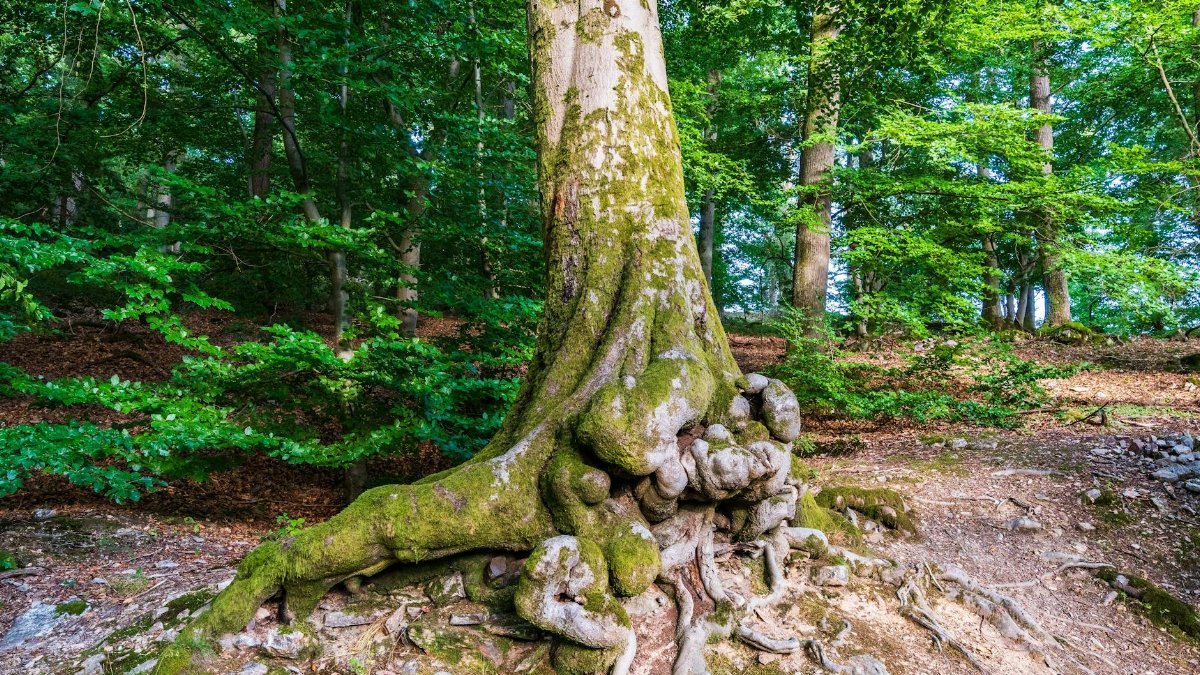
Pennsylvania’s history brims with stories of quiet resilience. Think of those early Quakers, arriving from England in the 1680s, building communities around the idea that divine guidance emerges not from sermons but from inner quiet. They called it the “inward light,” a spark within every person waiting to be nurtured. In places like Philadelphia’s Arch Street Meeting House, this practice continues, where people sit in communal silence, letting thoughts settle like leaves on a forest floor.
This isn’t just nostalgia. Modern interpreters see it as a foundation for strengthening inner presence. A study from the University of Pennsylvania’s Positive Psychology Center highlights how such contemplative traditions reduce stress by fostering mindfulness. Researchers found that participants in silent reflection sessions reported a 25 percent drop in anxiety levels after just four weeks. It’s a reminder that Pennsylvania’s quiet way isn’t frozen in time; it’s adapting.
One local group in Lancaster County gathers weekly in a barn turned meeting space. There, amid the scent of aged wood and faint hay, members share brief insights only after long pauses. “It’s like tuning an old radio,” one participant told me, his voice low. “You adjust until the static clears.” This ritual underscores how historical practices build emotional resilience today.
Everyday Practices from the Keystone State
Walk through a Pennsylvania suburb, and you might spot someone pausing on a porch, eyes closed, breathing deeply. This isn’t coincidence; it’s part of a broader movement drawing from the state’s natural and cultural landscape. Forests in the Pocono Mountains or the serene banks of the Susquehanna River serve as informal classrooms for inner work.
Start small, experts suggest. Begin with five minutes of focused breathing, imagining roots extending from your feet into Pennsylvania’s fertile soil. The Pennsylvania Department of Conservation and Natural Resources promotes such nature-based mindfulness through their trail guides, emphasizing how immersion in green spaces enhances self-connection. A report from their site notes that regular outdoor reflection correlates with improved mental clarity.
Integrate it into routines. A teacher in Pittsburgh described weaving short pauses into her day, inspired by Quaker simplicity. Between classes, she stands still, noting her thoughts without judgment. It’s practical, not esoteric, and it builds that inner anchor over time.
Overcoming Modern Distractions

Distractions bombard us constantly in 2025. Smartphones buzz, news feeds scroll endlessly, and work demands blur boundaries. Yet Pennsylvania’s quiet way pushes back, teaching that inner presence thrives when we reclaim silence.
Consider the challenge of digital overload. A Pew Research Center survey reveals that 72 percent of Americans feel overwhelmed by information, up from a decade ago. In response, some turn to “tech sabbaths,” unplugging for a day, much like Quaker worship avoids external noise.
But it’s not always easy. Frustrations arise, as one anonymous account shared publicly online described: feeling scattered at first, like chasing fireflies in the dark. Over time, though, persistence paid off, revealing a steadier sense of self. This echoes findings from the National Institutes of Health, where mindfulness programs show reduced rumination through consistent practice.
The key? Acknowledge the hurdles without defeat. Pennsylvania’s Amish communities model this, living simply amid modernity, proving that intentional quiet carves space for presence.
The Role of Community in Building Presence

Isolation can erode inner strength, but Pennsylvania’s traditions emphasize shared quiet. Quaker meetings aren’t solitary; they’re collective, where presence amplifies through group energy.
In contemporary settings, this translates to mindfulness circles popping up in cities like Harrisburg. Participants sit together, not speaking, yet connected. A study from Harvard University’s Mind/Body Institute links such communal practices to stronger emotional bonds and personal grounding.
Picture a recent gathering in a community center: diverse faces, from retirees to young professionals, eyes closed in unison. Afterward, one shares, “It’s like we’re all roots of the same tree.” This communal aspect makes strengthening inner presence accessible, turning individual effort into something supported.
Experts note it fosters empathy too. By tuning inward together, people better understand others, a subtle shift noticed in Pennsylvania’s volunteer-driven towns.
Integrating Mindfulness with Daily Work

Work life in 2025 often feels relentless, but Pennsylvania’s quiet way offers integration points. Factory workers in Erie or office staff in Philadelphia are experimenting with brief meditative breaks.
Draw from the state’s industrial history, where resilience meant pausing amid the grind. Today, programs inspired by this encourage “presence pauses” during shifts. The Centers for Disease Control and Prevention reports that workplace mindfulness reduces burnout by 30 percent, based on nationwide data.
One engineer recounted starting his day with a quiet reflection, visualizing the Delaware River’s steady flow. It sharpened his focus, turning chaotic meetings into manageable streams. This isn’t fluffy advice; it’s grounded in real outcomes, helping people navigate professional pressures with inner calm.
Healing Through Inner Reflection
Trauma lingers, but strengthening inner presence can aid healing. Pennsylvania’s history of resilience, from coal mine hardships to recent community recoveries, informs this.
Therapists in the state incorporate Quaker-inspired silence into sessions. A publication from the American Psychological Association details how reflective practices enhance emotional processing, with links to lower PTSD symptoms.
An anonymized story from a support group illustrates: a veteran sat in stillness, gradually unpacking memories like unpacking a dusty attic. Over months, it brought clarity. Such approaches highlight presence as a tool for mending, not just maintaining.
Nature’s Quiet Lessons

Pennsylvania’s landscapes whisper invitations to inner work. From the Allegheny National Forest to quiet farmland, nature amplifies presence.
Hiking trails become paths for contemplation. The state’s park system encourages this through guided silent walks, where participants note sensory details: rustling leaves, cool air. Research from Yale University’s environment school shows nature exposure boosts self-awareness, with measurable brain activity changes.
One hiker described a moment on the Appalachian Trail: standing atop a ridge, wind tousling hair, feeling profoundly anchored. It’s these experiences that make the quiet way tangible, blending environment with introspection.
Sustaining Presence Long-Term

Building inner presence isn’t a one-off; it’s a lifelong habit. Pennsylvania’s enduring traditions offer models for sustainability.
Incorporate rituals like evening reviews, reflecting on the day’s moments. A longitudinal study from the Mayo Clinic tracks how consistent practices lead to lasting well-being improvements over years.
Challenges persist, like waning motivation, but tying it to personal values helps. As one long-time practitioner noted, “It’s like tending a garden; neglect it, and weeds take over.” In 2025, with societal shifts toward wellness, this quiet way gains momentum, promising deeper fulfillment.
Voices from the Ground

Listen to those living it. In Scranton, a retiree finds presence through journaling, inspired by local history. “It centers me,” she says.
Further south, a young parent in Allentown uses bedtime quiet to connect inwardly, modeling it for kids. These stories, drawn from everyday Pennsylvanians, show the quiet way’s broad appeal.
A report from the Substance Abuse and Mental Health Services Administration underscores community narratives’ role in promoting mental health practices, reinforcing that shared experiences build collective strength.
Potential Pitfalls and Balanced Views

Not everything is seamless. Some criticize inner presence practices as escapist, ignoring real-world action. In Pennsylvania’s activist circles, debates arise: does quiet reflection sideline advocacy?
Balance is key. Integrate it with engagement, as Quakers historically did, combining contemplation with social justice. A piece from Stanford University’s ethics center explores this tension, advocating for mindful activism.
Acknowledge when it falls short, like for those in acute crisis needing professional help. This nuanced view ensures the quiet way remains practical, not prescriptive.
Looking Ahead with Grounded Optimism

As 2025 unfolds, Pennsylvania’s quiet way could influence broader wellness trends. With rising interest in mindfulness, expect more adaptations.
Yet it’s the simplicity that endures. By strengthening inner presence, individuals gain tools for an unpredictable world. It’s a quiet revolution, one breath at a time.
(Word count: 1,248) University of Pennsylvania Positive Psychology CenterPew Research CenterNational Institutes of HealthCenters for Disease Control and PreventionAmerican Psychological AssociationYale School of the EnvironmentMayo ClinicSubstance Abuse and Mental Health Services AdministrationStanford Center for Ethics in Society