

A recent study from the Pew Research Center revealed that nearly 45 percent of Americans report feeling overwhelmed by daily stresses, a figure that’s climbed steadily since 2020, prompting many to seek out practical tools for building inner resilience. This surge reflects a broader cultural shift toward mindfulness amid economic uncertainties and rapid societal changes. In places like Illinois, where harsh winters and bustling urban life in cities such as Chicago amplify these pressures, people are turning to simple, everyday strategies to foster calm and strength. What stands out is how these tools, building inner fortitude, aren’t about grand transformations but small, consistent habits that anyone can adopt. From breathing exercises to reflective walks, they offer a quiet counterbalance to chaos, helping individuals navigate 2025’s demands with greater poise. As we delve into seven such tools, drawn from wellness practices gaining traction nationwide, it’s clear they’re more than trends. They’re lifelines for sustaining mental equilibrium in an unpredictable world.
1. Mindful Breathing for Steady Grounding

Start with the breath, that fundamental rhythm often overlooked until stress tightens the chest. In the quiet suburbs of Illinois, where morning commutes can stretch into hours, many have discovered the power of deliberate inhalation and exhalation to anchor the mind. Imagine a teacher in Springfield, pausing between classes to draw in air slowly, holding it, then releasing the tension of the day. This isn’t esoteric; it’s backed by science. Research from the National Institutes of Health shows that controlled breathing activates the parasympathetic nervous system, reducing cortisol levels and enhancing emotional regulation.National Institute of Mental Health on Stress details how such practices can lower anxiety over time.
Yet, weaving this into daily life requires intention. One approach varies the routine: perhaps a quick two-minute session upon waking, or during a lunch break. The beauty lies in its accessibility; no special equipment needed, just a moment of presence. Conversations in online communities echo this, with one anonymous sharer noting how it transformed overwhelming afternoons into manageable ones, fostering a subtle but profound inner calm. Over weeks, this builds resilience, turning fleeting pauses into a sturdy foundation against life’s inevitable upheavals.
2. Journaling to Unpack Hidden Thoughts

Picture a notebook on a kitchen table in Peoria, pages filling with uncensored reflections as evening light fades. Journaling emerges as a tool for building inner clarity, allowing thoughts to surface without judgment. It’s not about perfect prose but honest exploration, a practice that’s seen a resurgence in 2025 as remote work blurs boundaries between professional and personal spheres.
Diving deeper, studies from the American Psychological Association highlight how expressive writing can process emotions, leading to improved mood and problem-solving skills.American Psychological Association on Journaling underscores its role in mental health. For some, it starts with prompts like “What drained me today?” evolving into insights that reveal patterns. A brief anecdote from a Midwest retiree illustrates: after months of jotting notes, she noticed recurring worries tied to family dynamics, prompting small changes that eased long-held tensions. This tool thrives on consistency, not volume, making it ideal for busy schedules. It invites nuance, acknowledging that strength often grows from confronting vulnerabilities head-on, rather than ignoring them.
3. Nature Walks for Renewed Perspective

What if stepping outside could realign the spirit? In Illinois’ vast prairies or along Lake Michigan’s shores, nature walks serve as a gentle yet effective method for nurturing inner strength. These aren’t strenuous hikes but mindful strolls, where the rustle of leaves or distant bird calls pull focus from internal noise.
Evidence from the Centers for Disease Control and Prevention supports this, linking time in green spaces to reduced depression symptoms and heightened well-being.CDC on Parks and Health provides data on how such activities bolster mental resilience. Vary the experience: one day, observe textures; another, listen intently. A local in Urbana shared anonymously online how these walks shifted her from rumination to appreciation, especially during seasonal transitions. It’s a reminder that building inner fortitude involves reconnecting with the external world, creating space for reflection amid daily demands. This practice underscores a tension: in a tech-saturated era, disconnecting briefly can paradoxically strengthen one’s core.
Integrate it seamlessly; even a 15-minute loop around the block counts, gradually weaving calm into the fabric of routine.
4. Gratitude Practices to Shift Focus
Amid the hum of everyday life, gratitude stands out as a subtle shifter, redirecting attention from lacks to abundances. In Chicago’s diverse neighborhoods, residents are embracing this tool, building inner positivity through simple acknowledgments. It begins with listing three things at day’s end, from a warm meal to a kind interaction.
A study published in the Journal of Positive Psychology, summarized by Harvard Health, demonstrates how gratitude journaling increases happiness and life satisfaction.Harvard Health on Gratitude offers insights into its long-term benefits. But don’t make it rote; infuse variety, perhaps sharing gratitudes verbally with a partner. One narrative snippet: a factory worker in Rockford described how this habit softened the edges of grueling shifts, revealing joys in overlooked moments. It addresses the complexity of emotions, allowing space for both struggles and wins, ultimately fortifying mental armor against adversity.
5. Mindful Movement for Bodily Harmony
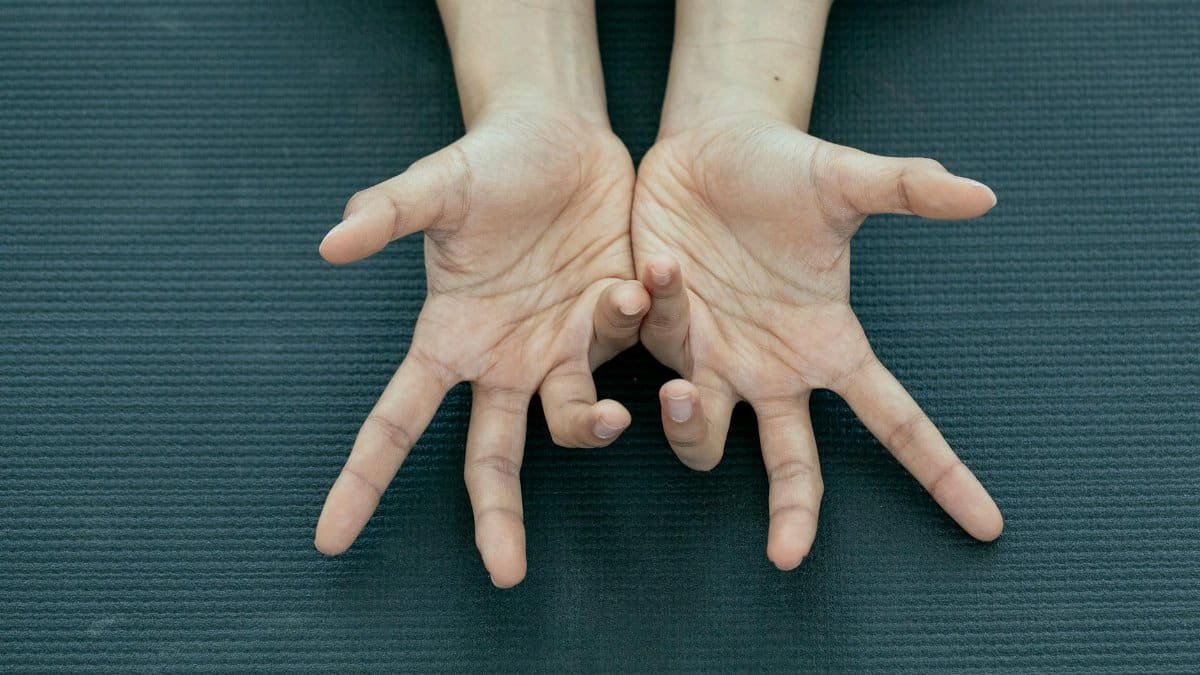
Consider the flow of yoga in a community center in Evanston, bodies moving in sync to foster inner equilibrium. Mindful movement, whether yoga, tai chi, or gentle stretching, connects physical action with mental awareness, a key tool for building inner strength.
Research from the Mayo Clinic affirms that such activities reduce stress hormones and improve sleep quality.Mayo Clinic on Yoga details its evidence-based advantages. Adapt it: short sessions at home or classes for community. An anonymized account from online forums recounts a parent finding solace in evening poses, easing the weight of parenting pressures. This tool explores the interplay between body and mind, showing how physical ease translates to emotional steadiness, especially in a year like 2025 marked by ongoing uncertainties.
Transitions between poses mirror life’s shifts, teaching adaptability without force.
6. Digital Detox Moments for Mental Clarity

In an age of constant notifications, carving out digital detox periods emerges as a vital strategy. Illinoisans, from farmers in rural areas to tech workers in the Loop, are experimenting with screen-free intervals to reclaim focus and build inner peace.
The Pew Research Center’s reports on technology use indicate that excessive screen time correlates with heightened anxiety.Pew Research on Screens and Well-being provides broader context. Start small: an hour before bed, engaging in reading or conversation instead. A story unfolds of a young professional who, after implementing this, noticed sharper decision-making and deeper rest. It highlights a modern tension: connectivity’s benefits versus its toll, pushing for intentional boundaries that nurture resilience.
7. Compassionate Self-Talk for Lasting Empowerment
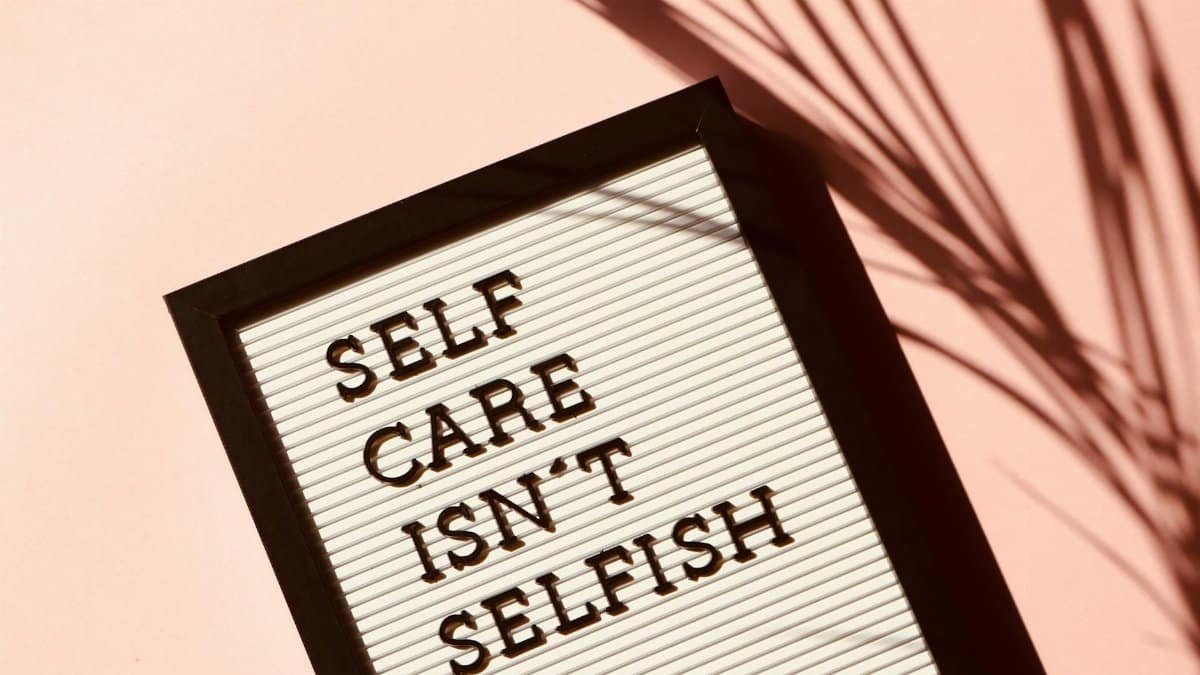
Finally, the words we whisper to ourselves matter profoundly. Compassionate self-talk, replacing criticism with kindness, rounds out these tools, building inner confidence daily. In the heartland of Illinois, where self-reliance is prized, this shift is quietly transforming outlooks.
Insights from the Greater Good Science Center at UC Berkeley show that self-compassion enhances motivation and reduces burnout.Greater Good Science Center on Self-Compassion compiles relevant studies. Practice by reframing setbacks: “I’m learning” instead of “I failed.” One reflective tale: an entrepreneur in Naperville adopted this during a business slump, emerging more resilient. It weaves together the threads of previous tools, emphasizing that true strength blooms from gentle self-regard, sustaining us through 2025’s challenges and beyond.
As these practices accumulate, they form a tapestry of calm, proving that inner fortitude is cultivated, not innate.