

In a world that often feels like it’s spinning out of control, what if a simple technique could anchor you back to stability in mere moments? A recent study from the American Psychological Association revealed that 68% of adults report heightened stress levels compared to a decade ago, with many turning to quick mindfulness practices for relief. This surge highlights a growing need for accessible tools to manage everyday chaos. Enter the concept of grounding yourself quickly—a method drawing from ancient wisdom and modern psychology to restore calm amid turmoil. For middle-aged Americans juggling careers, family, and constant digital noise, these strategies aren’t just helpful; they’re essential. As we navigate 2025’s uncertainties, from economic shifts to personal upheavals, learning to ground yourself quickly offers a practical lifeline, blending science-backed approaches with intuitive steps anyone can try right now.
The Roots of Grounding in Everyday Life

Grounding techniques have evolved from therapeutic practices used in trauma recovery to mainstream tools for stress management. Originally developed in the fields of psychology and mindfulness, they help individuals reconnect with the present moment, pulling away from overwhelming thoughts or emotions. Think of it as hitting a reset button on your nervous system. In the U.S., where anxiety disorders affect over 40 million adults, according to the National Institute of Mental Health, these methods have gained traction in workplaces and homes alike.
One vivid example comes from a busy parent in Atlanta, who described a morning rush hour meltdown. Traffic snarled, kids argued in the back seat, and work emails piled up. Instead of spiraling, she paused, focusing on the feel of the steering wheel under her hands. That small act shifted her focus, easing the tension. Such stories illustrate how grounding isn’t abstract; it’s a tangible response to real pressures. Research from NIMH’s anxiety statistics page underscores the prevalence of these stressors, showing why quick interventions matter.
Yet, grounding’s appeal lies in its simplicity. No apps or gadgets required—just awareness. As society pushes for constant productivity, these pauses counteract the burnout culture that’s become all too common.
Why Speed Matters in Grounding Techniques

Quick grounding stands out because life doesn’t always allow for lengthy meditation sessions. In high-stakes environments like emergency rooms or boardrooms, a few seconds can make all the difference. Psychologists note that rapid techniques activate the parasympathetic nervous system, dialing down the fight-or-flight response. A study published in the Journal of Clinical Psychology found that brief grounding exercises reduced acute stress by up to 25% in participants.
Consider the case of a veteran teacher facing a chaotic classroom. Amid the noise, she quickly scanned her surroundings, naming five things she could see. The exercise, rooted in cognitive behavioral therapy, brought her back to center without disrupting the lesson. This approach highlights grounding’s adaptability—it’s not one-size-fits-all but flexible for the moment.
Delving deeper, speed in grounding ties to neuroplasticity, our brain’s ability to rewire itself. Regular practice strengthens these neural pathways, making calm more accessible over time. For those in fast-paced cities like New York or Los Angeles, where downtime is scarce, this efficiency is a game-changer.
Core Methods to Ground Yourself Quickly
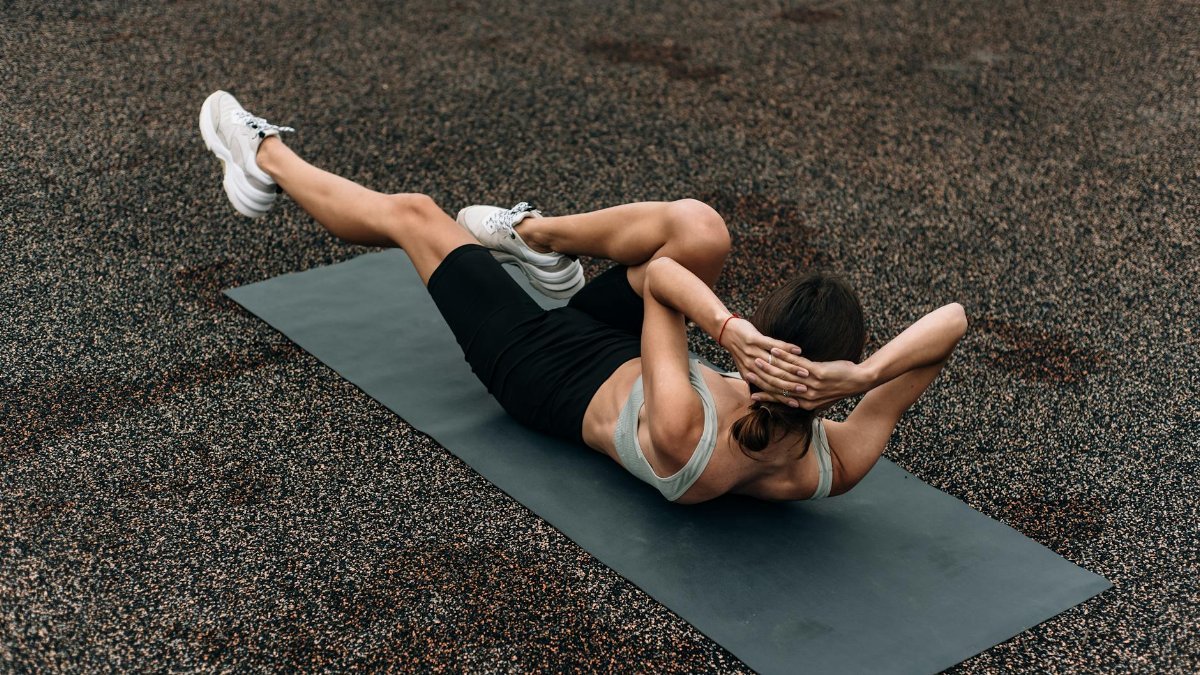
At the heart of grounding are sensory-based exercises that engage the body and mind. One popular method is the 5-4-3-2-1 technique: identify five things you see, four you can touch, three you hear, two you smell, and one you taste. It’s straightforward and effective, often recommended by therapists for panic attacks.
Another involves deep breathing with a focus on physical sensations, like pressing your feet into the ground. Imagine a corporate executive during a tense meeting; by subtly clenching and releasing her toes, she regains composure without drawing attention. These tactics draw from mindfulness traditions, adapted for Western lifestyles.
Experts from the Mayo Clinic emphasize integrating such practices daily to build resilience. Their resources, available at Mayo Clinic’s stress management page, detail how consistent use can lower cortisol levels, fostering long-term well-being.
Variety keeps it fresh—some prefer visualization, picturing roots extending from their feet into the earth, while others opt for affirmations tied to the present.
Overcoming Common Barriers to Quick Grounding
Not everyone finds grounding intuitive at first. Skepticism often arises, especially among those who’ve tried and failed with other self-help trends. Distractions, like smartphones buzzing nearby, can sabotage efforts. Then there’s the mental hurdle: in a crisis, remembering to pause feels counterintuitive.
One anonymous account shared publicly online described initial frustration with grounding during insomnia bouts. “It seemed too simplistic,” the person noted, but persistence paid off, turning sleepless nights into manageable ones. This reflects a broader trend where patience is key to mastery.
To push past barriers, start small. Pair grounding with habits like morning coffee, building associations that stick. Data from a Pew Research Center survey on American wellness habits shows that 45% of adults incorporate brief mindfulness into routines, up from previous years, signaling a shift toward accessibility. Explore more at Pew Research Center’s wellness behaviors section.
The Science Backing Grounding Practices

Grounding isn’t just feel-good advice; it’s supported by robust research. Neuroimaging studies reveal that these techniques light up brain regions associated with emotional regulation, such as the prefrontal cortex. A landmark paper in Frontiers in Psychology analyzed how sensory grounding reduces amygdala activity, the fear center of the brain.
Picture a group therapy session where participants practice quick grounding after sharing vulnerabilities. The room’s energy shifts from tension to focus, demonstrating the communal benefits. Such dynamics are explored in clinical settings, where grounding aids in group cohesion.
For deeper insights, the National Center for Biotechnology Information hosts abstracts like this one from NCBI’s study on mindfulness and stress reduction, confirming measurable decreases in anxiety through brief interventions. In 2025, as mental health awareness grows, these findings empower more people to experiment confidently.
Integrating Grounding into Daily Routines

Making grounding a habit transforms it from an emergency tool to a preventive measure. Begin with transitions, like arriving home from work—take a moment to breathe deeply and notice your surroundings. This bridges the gap between chaos and calm.
A mid-career professional in Chicago shared how grounding during commutes changed his outlook. What was once a stressful train ride became an opportunity for reset, noticing the rhythm of the tracks or the faces around him. Over time, this built emotional resilience against job pressures.
Customization is crucial. For night owls, evening grounding might involve journaling sensory observations. Wellness experts advocate tracking progress, noting how frequency correlates with improved mood, as per ongoing studies in behavioral health.
Grounding’s Role in Building Long-Term Resilience

Beyond immediate relief, quick grounding fosters enduring strength. It equips individuals to handle life’s curveballs, from personal losses to societal upheavals. In regions like Georgia, where community ties run deep, these practices often blend with local traditions of reflection and support.
Reflect on communities recovering from natural disasters; grounding helps process trauma collectively. A report from the CDC highlights how such tools mitigate post-event stress disorders, accessible via CDC’s mental health and trauma resources.
As we look at 2025, with its mix of optimism and challenges, grounding yourself quickly emerges as a cornerstone for sustained balance. It encourages viewing setbacks as temporary, promoting a proactive stance toward well-being.
Exploring Cultural Variations in Grounding

While grounding is universal, its expressions vary across cultures. In the American South, it might echo spiritual practices of pausing in nature, whereas urban dwellers adapt it to cityscapes. This diversity enriches the approach, making it inclusive.
One narrative from a multicultural family gathering showed how sharing grounding tips bridged generational gaps. Elders drew from folk wisdom, while younger members added tech-free twists. Such exchanges underscore grounding’s adaptability in a pluralistic society.
Global studies, including those from the World Health Organization, note rising interest in mental health tools worldwide, with grounding fitting into broader wellness frameworks.
When to Seek Professional Help with Grounding

Quick grounding works wonders for mild stress, but it’s not a cure-all. Persistent anxiety or trauma may require expert guidance. Therapists often incorporate grounding into sessions, tailoring it to individual needs.
If techniques feel ineffective, consulting a professional can uncover underlying issues. Resources from the APA guide when to escalate, found at APA’s anxiety topics page.
Ultimately, grounding complements therapy, empowering users while acknowledging limits. This balanced view ensures safe, effective use.
Personalizing Your Grounding Toolkit
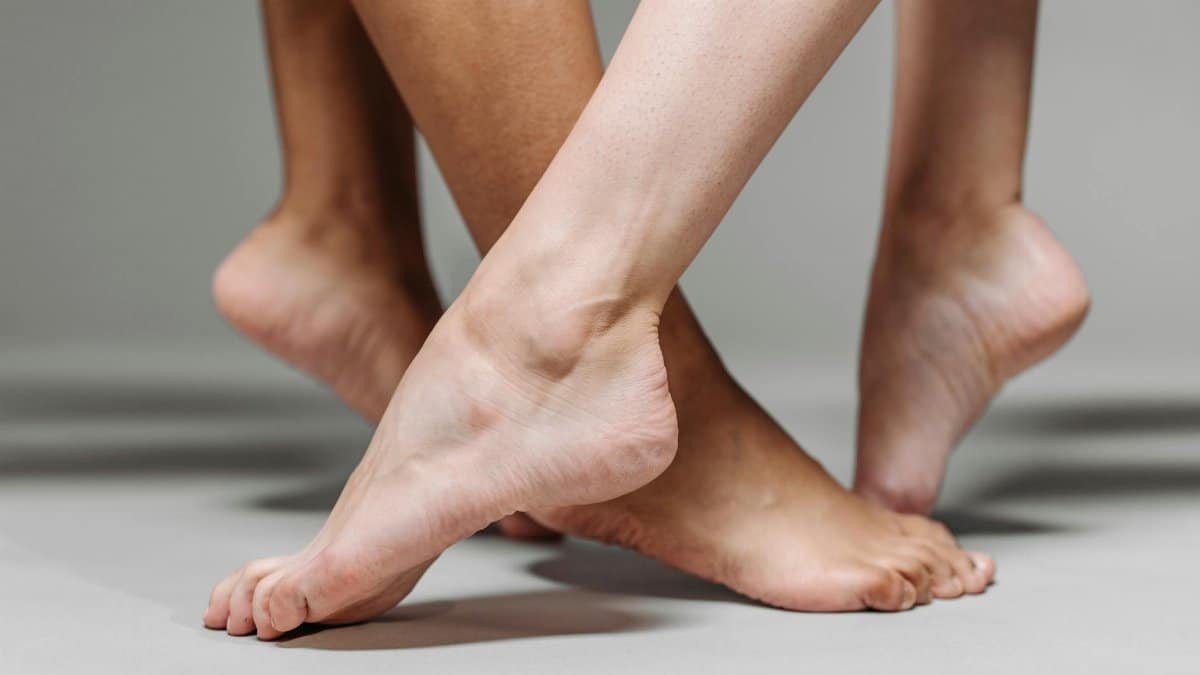
Building a custom set of grounding strategies enhances their impact. Experiment with combinations, like pairing breathwork with aromatherapy. Track what resonates in a journal, refining over time.
A retiree in Florida found success by grounding during walks, focusing on ocean sounds. This personalization turned routine exercise into a restorative ritual.
With trends in 2025 leaning toward holistic health, such toolkits align with self-care movements, supported by emerging research in positive psychology.
The Broader Impact of Widespread Grounding

When more people ground themselves quickly, ripple effects emerge in communities. Workplaces report lower absenteeism, families experience better communication, and societies build collective calm.
Imagine a nation where quick grounding is as common as checking the weather—preparing for emotional storms. Studies from Harvard’s public health school explore these societal benefits, detailed in reports on Harvard’s health and happiness research page.
This shift toward mindfulness could redefine resilience in America, fostering a more grounded populace ready for whatever comes next.