

In a nation where mental health conversations are finally breaking through the noise, a startling fact emerges from recent research. According to a 2023 survey by the Pew Research Center, nearly 40 percent of U.S. adults reported heightened anxiety levels post-pandemic, yet communities equipped with targeted emotional tools showed marked improvements in collective well-being. This surge underscores a vital shift. Resilience, tools, community—these elements are intertwining more than ever, fostering environments where people not only cope but thrive together. As we step into 2025, understanding these tools becomes essential. They offer practical ways to build emotional strength, turning isolated struggles into shared triumphs. From neighborhood groups to online networks, Americans are discovering how these strategies drive lasting wellness. It’s not just about individual grit; it’s about weaving support systems that uplift everyone involved.
1. Mindfulness Practices for Daily Grounding

Communities across the U.S. are turning to mindfulness as a cornerstone for emotional resilience. This tool involves simple techniques like focused breathing or guided meditations, helping individuals stay present amid chaos. In places like Seattle, local wellness centers host free sessions where neighbors gather, sharing quiet moments that build collective calm. One participant recalled a session where the group’s synchronized breathing eased her racing thoughts, creating an instant bond. Research supports this approach. A study from the National Institutes of Health highlights how mindfulness reduces stress hormones, promoting better mental health outcomes in group settings.National Institute of Mental Health on Mindfulness. Yet, it’s not always straightforward. Some find the quiet intimidating at first, a tension that reveals mindfulness’s depth—it demands vulnerability, which, when shared, strengthens community ties. Over time, these practices ripple outward, encouraging open dialogues about emotional hurdles.
Picture a community center in Chicago during a winter evening. Folks from diverse backgrounds sit in a circle, eyes closed, inhaling deeply. The air fills with a subtle sense of unity. This isn’t mere relaxation; it’s a deliberate tool for resilience. By integrating mindfulness into routines, groups report fewer conflicts and more empathy. Still, experts note that consistency matters. Skipping sessions can erode gains, so many communities now pair them with accountability buddies. This buddy system adds a layer of support, turning individual efforts into communal commitments. In 2025, as remote work persists, virtual mindfulness apps are bridging gaps, allowing far-flung members to join in real time. The result? A more resilient fabric where emotional tools like this one prevent burnout before it spreads.
2. Building Social Support Networks

What happens when people lean on each other? Social support networks emerge as a powerful emotional resilience tool, driving community wellness through genuine connections. These networks aren’t formal clubs; they often start organically, like neighbors checking in after a storm or online groups sharing coping strategies. In rural Texas towns, for instance, informal meetups have become lifelines, where stories of overcoming loss foster a sense of belonging. A recent account shared publicly described the relief of finding others who “just get it,” transforming isolation into solidarity.
Delving deeper, studies show these networks buffer against depression. The Centers for Disease Control and Prevention reports that strong social ties correlate with lower rates of chronic stress in communities.CDC on Social Connectedness. But there’s nuance here. Not all connections are equal—superficial ones can sometimes heighten feelings of inadequacy. Effective networks thrive on authenticity, encouraging members to voice vulnerabilities without judgment. Communities are experimenting with hybrid models, blending in-person gatherings with digital forums to include those with mobility challenges. As 2025 unfolds, these tools are evolving, incorporating feedback loops where participants rate sessions, ensuring they meet real needs. The payoff is clear: resilient communities that weather crises together, emerging stronger.
3. Physical Activity as Emotional Anchor

Start with a walk in the park, and suddenly, emotional resilience builds. Physical activity serves as a key tool, linking body and mind in ways that bolster community wellness. Groups in cities like New York organize running clubs or yoga circles, where sweat and laughter mingle, creating bonds that endure beyond the session. It’s active, it’s communal, and it works. Evidence from Harvard Medical School underscores how exercise releases endorphins, combating anxiety on a biochemical level.Harvard Health on Exercise and Relaxation.
Yet, the story isn’t always linear. For some, joining a group fitness activity feels daunting, especially after periods of inactivity. One community in Atlanta addressed this by starting with gentle hikes, gradually building confidence. Participants shared how the shared exertion led to deeper conversations about personal struggles, turning exercise into a gateway for emotional support. In exploring this tool, tensions arise—balancing inclusivity with intensity. Communities are adapting by offering varied levels, ensuring no one feels left out. Heading into 2025, wearable tech is enhancing these efforts, tracking progress and motivating groups collectively. This integration of resilience, tools, community highlights how movement isn’t just physical; it’s a catalyst for emotional harmony.
4. Journaling for Reflective Clarity

“Write it down,” someone might say in a support group, and that’s the spark. Journaling stands out as an accessible emotional resilience tool, helping individuals process thoughts while contributing to community wellness. In book clubs across the Midwest, members share excerpts from their journals, sparking discussions that reveal common threads of struggle and growth. This practice clarifies emotions, turning vague unease into actionable insights.
A deeper look shows journaling’s impact. The American Psychological Association notes it can reduce symptoms of trauma by fostering self-awareness.APA on Expressive Writing. However, not everyone dives in easily; the blank page can intimidate. Communities counter this with prompted sessions, where facilitators offer starters like “Today, I felt resilient when…” These gatherings evolve into safe spaces for sharing, amplifying individual benefits. Sentence by sentence, participants weave personal narratives into a collective tapestry. As trends shift in 2025, digital journaling apps are gaining traction, allowing anonymous group shares that maintain privacy while building empathy. It’s a subtle yet profound way resilience, tools, community intersect, driving sustained wellness.
5. Cognitive Reframing Techniques

Imagine flipping a negative thought on its head—that’s cognitive reframing in action. This tool empowers communities by teaching members to challenge distorted thinking, fostering emotional resilience. In workplace wellness programs in California, teams practice reframing setbacks as opportunities, leading to more collaborative environments. A brief anecdote: during a team retreat, one member shifted from “This failure defines me” to “This is a learning curve,” inspiring the group to adopt similar mindsets.
Backing this, research from the Mayo Clinic illustrates how reframing reduces emotional distress.Mayo Clinic on Positive Thinking. But complexity lingers; reframing isn’t a quick fix—it requires practice and sometimes professional guidance to avoid superficiality. Communities are addressing this through workshops that pair theory with real-life scenarios, creating dynamic learning. Transitions between sessions often include peer feedback, refining the tool’s application. In 2025, with rising awareness of mental health, these techniques are integrating into school curriculums, preparing younger generations for resilient communities. The essence lies in perspective: what once divided can unite through shared reframing.
6. Gratitude Rituals in Group Settings
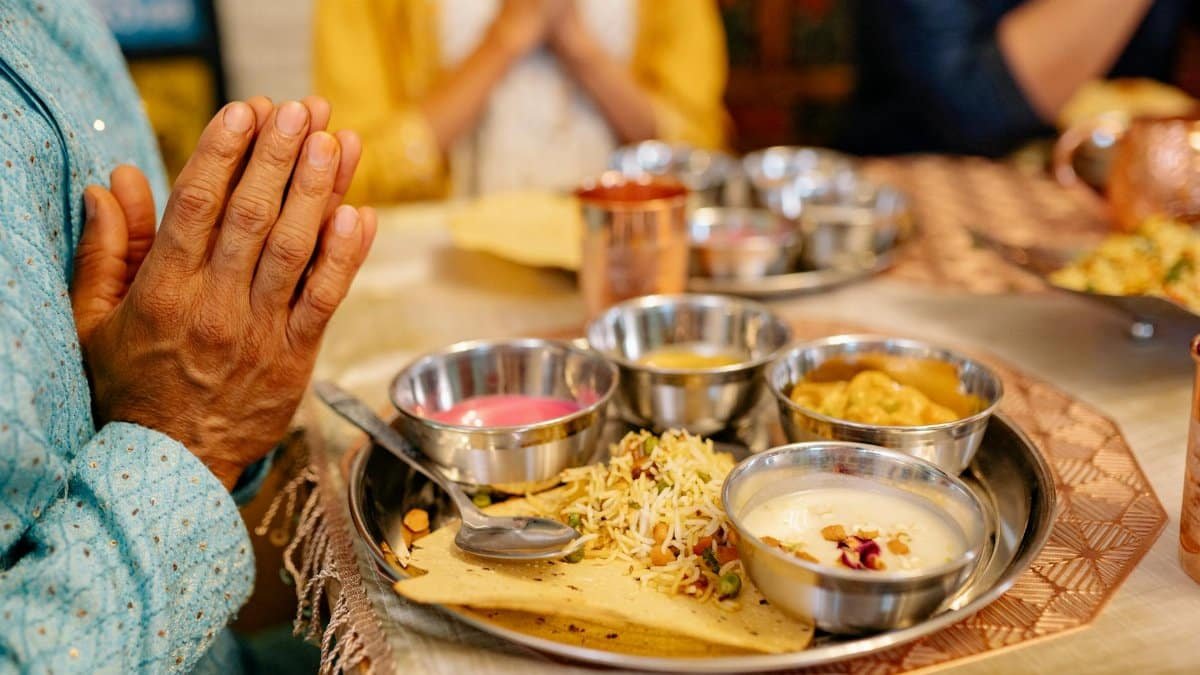
Gratitude isn’t solitary; in communities, it multiplies. This emotional resilience tool involves daily acknowledgments of positives, often shared in circles that enhance collective wellness. In neighborhood associations in Florida, weekly “gratitude shares” have become rituals, where voices overlap with stories of appreciation, lightening the emotional load.
Studies affirm its power. A report from the Greater Good Science Center at UC Berkeley shows gratitude boosts happiness and strengthens social bonds.UC Berkeley Greater Good Science Center on Gratitude. Still, skepticism exists—some view it as overly simplistic amid real hardships. To counter, groups incorporate it thoughtfully, pairing thanks with action plans for challenges. This balance adds depth. As paragraphs of shared thanks unfold, bonds deepen. Entering 2025, virtual platforms are expanding these rituals, connecting distant relatives and friends. Resilience, tools, community thrive here, as gratitude shifts focus from scarcity to abundance, nurturing wellness at scale.
7. Volunteering for Purposeful Engagement
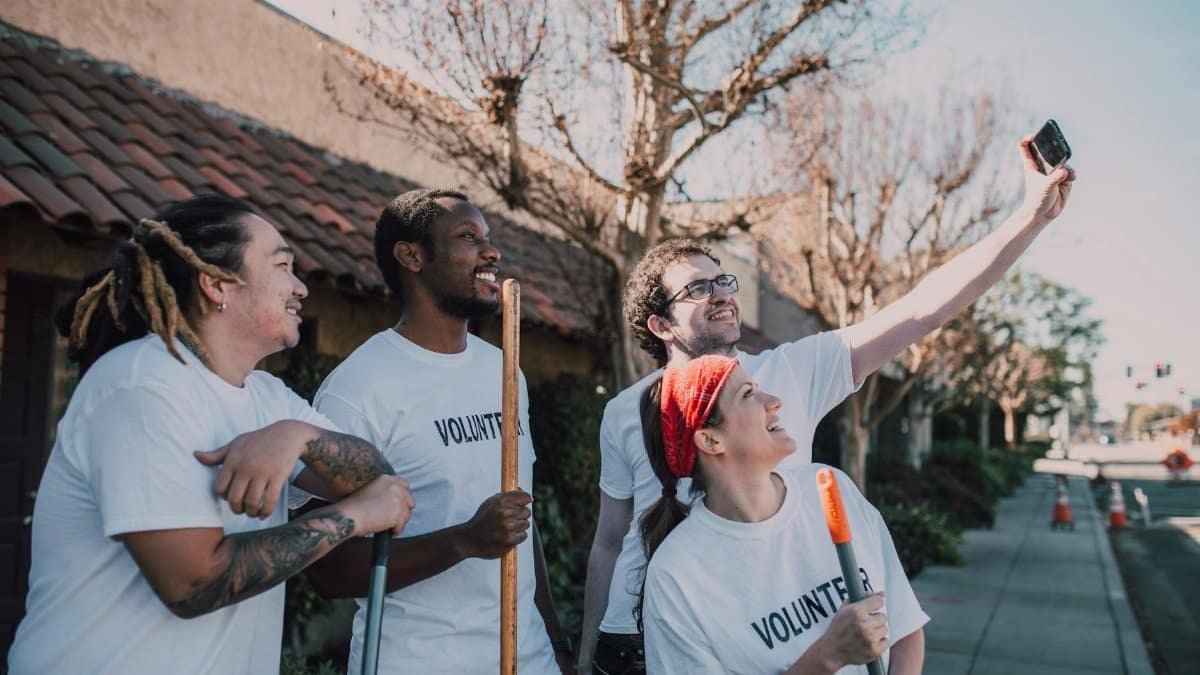
Volunteering flips the script on isolation. As an emotional resilience tool, it channels energy into service, driving community wellness through meaningful contributions. In Detroit’s revitalization efforts, volunteers rebuild parks while forging friendships that provide emotional buffers during tough times. One volunteer’s story: after a job loss, planting community gardens restored her sense of agency, echoed by others in the group.
Evidence points to its benefits. The Corporation for National and Community Service reports that volunteers experience lower depression rates.AmeriCorps Research on Volunteering. Yet, burnout is a risk if overcommitted. Communities mitigate this with flexible schedules and debrief sessions. Variety keeps it engaging—mixing tasks prevents monotony. In 2025, tech-savvy apps match skills to needs, streamlining participation. This tool embodies resilience, tools, community by turning outward focus inward, healing through helping.
8. Access to Professional Counseling Resources

Seeking help isn’t weakness; it’s strategy. Professional counseling resources form a vital emotional resilience tool, integrating expert guidance into community frameworks for broader wellness. In states like Oregon, subsidized teletherapy sessions bring therapists into local hubs, making support accessible. Conversations flow from personal sessions to group insights, demystifying mental health.
A study from the Substance Abuse and Mental Health Services Administration confirms counseling’s role in building resilience.SAMHSA National Helpline Resources. Tensions arise around stigma, but communities are countering with awareness campaigns. Smooth transitions to care, like peer referrals, ease entry. As 2025 progresses, AI-assisted matching is emerging, connecting individuals efficiently. This tool underscores how resilience, tools, community converge, creating ecosystems where wellness is proactive and shared.