

A recent study from the Pew Research Center found that nearly 40 percent of American adults now prioritize emotional well-being in family dynamics, up from just 25 percent a decade ago. This surge reflects a broader shift toward intentional practices that foster connection amid life’s chaos. Families across the U.S., from bustling suburbs in Chicago to quiet towns in Texas, are turning to simple rituals to navigate stress, mend old wounds, and build resilience together. At the heart of this movement is the idea of guiding, healing, family—rituals that not only soothe immediate tensions but also lay the groundwork for long-term harmony. As we step into 2025, these practices are gaining traction, offering a counterbalance to the isolation amplified by digital distractions and fast-paced living. But what makes them effective? It often starts with small, consistent steps that transform everyday interactions into moments of profound bonding.
1. Daily Gratitude Circles
Families often overlook the power of voicing appreciation amid the rush of daily routines. Yet starting or ending the day with a gratitude circle can shift perspectives dramatically. Picture a kitchen table in a modest home in Seattle, where parents and kids take turns sharing one thing they’re thankful for—no judgments, just listening. This ritual, rooted in positive psychology, encourages empathy and reduces resentment over time.
Research supports its impact. A study published in the Journal of Personality and Social Psychology highlighted how gratitude practices strengthen relationships by fostering a sense of abundance. In one family’s account, shared anonymously in online discussions, a mother described how this simple act turned heated arguments into opportunities for understanding, noting it felt like “reweaving the threads of our bond.” For middle-aged parents juggling careers and teens, it’s a low-effort way to guide healing without formal therapy.
Implementing it is straightforward: Set a timer for five minutes, pass a small object like a stone to signal turns, and keep responses genuine. Over weeks, patterns emerge—perhaps a child appreciates a sibling’s help, sparking unexpected warmth. This isn’t about perfection; it’s about consistency, which builds trust incrementally. As trends in 2025 show families seeking authenticity, gratitude circles stand out for their accessibility.
2. Mindful Family Meals

What if the dinner table became a sanctuary rather than a battleground? Mindful meals invite families to eat without distractions, focusing on the food and each other’s company. In a bustling household in Atlanta, one group began by dimming lights and sharing a moment of silence before digging in, transforming rushed evenings into reflective pauses.
This practice draws from mindfulness techniques that emphasize presence. According to the American Psychological Association’s mindfulness resources, such habits can lower stress and improve emotional regulation within groups. It’s particularly relevant for families healing from disruptions like job loss or relocation, where shared vulnerability during meals fosters deeper connections.
Variety keeps it engaging: One night, discuss flavors and memories tied to recipes; another, express feelings without interruption. A recent public anecdote captured a father’s surprise when his teenager opened up about school pressures, crediting the ritual’s calm atmosphere. By weaving in sensory details—the aroma of herbs, the clink of forks—these meals guide healing subtly, turning ordinary time into a foundation for family resilience.
3. Nature Walks with Intention

Stepping outside together can work wonders for frayed family ties. Intentional nature walks involve choosing a path and setting a theme, like forgiveness or future dreams, discussed gently amid the scenery. Imagine a trail in the Appalachian Mountains where a family pauses at a stream to release written worries into the water, symbolizing letting go.
Evidence from environmental psychology backs this up. The U.S. Forest Service’s research on nature’s restorative effects shows how green spaces reduce anxiety and enhance group cohesion. For middle-aged couples navigating empty nests, these walks offer a neutral space to address lingering issues without the confines of home.
The key lies in preparation: Pack light, agree on no phones, and end with a group hug or shared snack. One illustrative story from everyday life describes a blended family finding common ground during such outings, with stepsiblings bonding over bird sightings. As 2025 brings more emphasis on outdoor wellness, this ritual guides healing by reconnecting families to the world beyond their walls.
4. Storytelling Evenings

Reviving the art of oral histories can illuminate hidden family strengths. During storytelling evenings, members share tales from their past, perhaps around a cozy fire in a Denver living room, laughing over grandparents’ escapades or reflecting on personal triumphs.
This draws on narrative therapy principles, which help reframe experiences. A report from the National Institutes of Health on narrative approaches in family therapy underscores how sharing stories builds empathy and resolves conflicts. It’s especially poignant for families dealing with generational gaps, where older members guide younger ones through life’s lessons.
To make it dynamic, rotate themes—adventures one week, mistakes the next—and include props like old photos. An anonymized online reflection recounted how a widow used this to heal with her children, turning grief into cherished memories. The ritual’s charm lies in its unpredictability, fostering laughter and tears that knit the family fabric tighter.
5. Forgiveness Ceremonies

Holding space for apologies isn’t easy, but structured forgiveness ceremonies make it approachable. Families might gather in a quiet room, lighting candles and taking turns expressing regrets, then affirming commitments to move forward—like a ritual in a New York apartment that mended years of sibling rivalry.
Psychological insights affirm its value. The Greater Good Science Center at UC Berkeley’s article on forgiveness science explains how these acts release emotional burdens, improving mental health. For parents in their fifties facing midlife transitions, it’s a tool to model vulnerability for kids.
Keep it simple: Use a talking stick, end with a symbolic gesture like burning notes of grudges. A real-life snapshot shows a family emerging stronger after addressing a betrayal, with hugs replacing silence. In guiding, healing, family contexts, this ritual paves the way for authentic renewal.
6. Shared Journaling Sessions

Putting thoughts to paper collectively can uncover unspoken emotions. In shared journaling, families write individually then read aloud, perhaps in a sunlit porch in Florida, revealing insights that spark supportive dialogues.
Studies link journaling to emotional processing. Research from the University of Texas suggests it aids in trauma recovery, particularly in group settings. This fits seamlessly into 2025’s trend toward personalized wellness, helping families guide healing through self-expression.
Experiment with prompts: “What I need from you” or “A happy memory we share.” One family’s experience highlighted a teen’s hidden anxieties surfacing, leading to collective problem-solving. The intimacy builds over time, turning pages into bridges of understanding.
7. Breathwork Gatherings
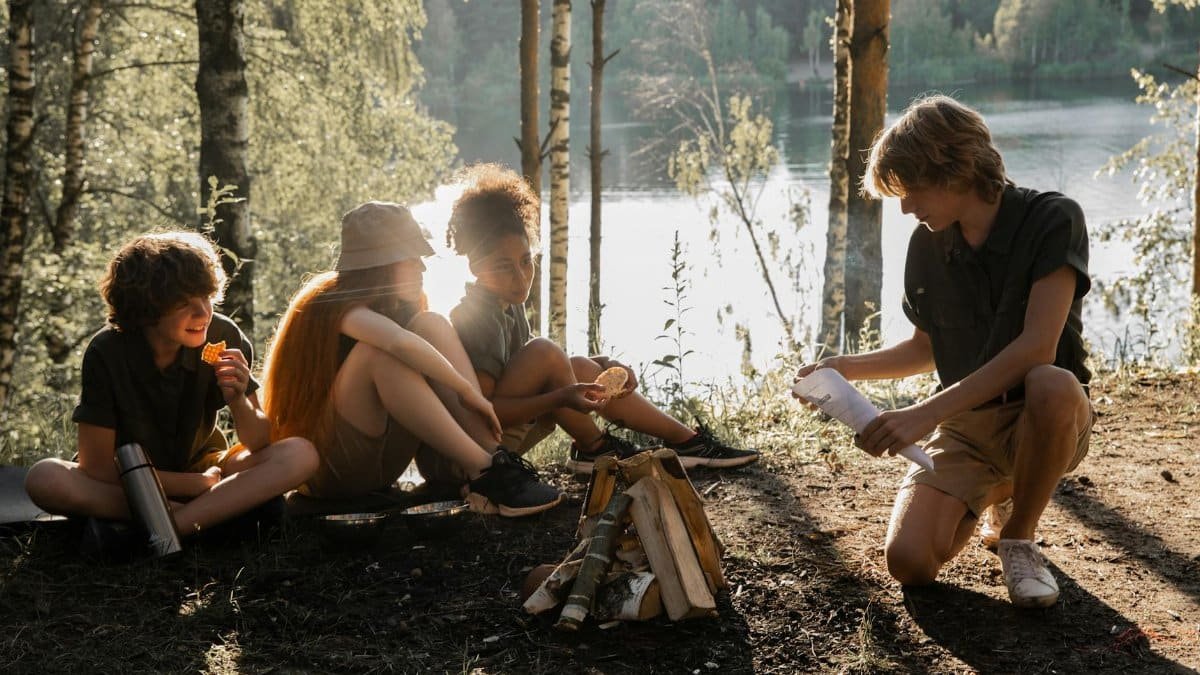
Breathing together synchronizes hearts and minds. Breathwork gatherings involve guided exercises, like deep inhales in a circle on a California beach, easing tensions and promoting calm.
The science is compelling; Harvard Medical School notes breath control activates relaxation responses, beneficial for family stress management. It’s a quick ritual for busy households, requiring just 10 minutes.
Vary techniques: Box breathing or alternate nostril methods. An illustrative moment captures a father and daughter reconnecting post-argument, breaths aligning in quiet solidarity. This practice embodies guiding, healing, family by centering presence.
8. Legacy Visioning Workshops

Envisioning the family’s future legacy can inspire unity. In these workshops, members brainstorm values and goals, maybe sketching a “family tree of dreams” in a Midwest basement, blending aspirations with actionable steps.
Sociological data from Pew indicates such forward-thinking boosts intergenerational bonds. As 2025 unfolds with economic uncertainties, it guides healing by focusing on shared purpose.
Include creative elements: Vision boards or time capsules. A public account described a multigenerational group finding renewed motivation, turning abstract hopes into concrete plans. Ultimately, it reinforces the enduring power of family ties.